

Article
Amr Hamzawy
{
  "authors": [
    "Amr Hamzawy"
  ],
  "type": "legacyinthemedia",
  "centerAffiliationAll": "dc",
  "centers": [
    "Carnegie Endowment for International Peace"
  ],
  "collections": [],
  "englishNewsletterAll": "democracy",
  "nonEnglishNewsletterAll": "",
  "primaryCenter": "Carnegie Endowment for International Peace",
  "programAffiliation": "DCG",
  "programs": [
    "Democracy, Conflict, and Governance",
    "Middle East"
  ],
  "projects": [],
  "regions": [
    "Middle East",
    "Israel",
    "Lebanon",
    "Palestine"
  ],
  "topics": [
    "Political Reform",
    "Democracy"
  ]
}
Source: Getty
The war in Lebanon deeply altered the concerns of elites and citizens in Arab societies. Following three years of unprecedented political dynamism and debates regarding the prospects for democratic transformation in the Arab world, the Arab-Israeli conflict returned to the forefront, turning attention away from the question of democracy.
Source: The Daily Star

To be sure, political life in the Middle East during recent years has not all been about ballot boxes and peaceful demonstrations in favor of civil liberties and human rights. It has been marred by terrorism, sectarian violence and oppressive measures by authoritarian regimes. Nor was the Arab-Israeli conflict entirely out of view. Violence in the Palestinian territories continued and sometimes even surpassed the dramatic levels seen at the beginning of the second intifada. However, the fighting in Palestine had somehow become part of the ordinary landscape of Arab citizens. And a growing majority of Arabs had begun to realize that a meaningful democratic transformation, one that included alternation of power and popular participation in decision-making, was the only way to overcome terrorism, sectarianism and repression.
Most political forces in the Arab world, be they ruling elites or opposition movements, shifted their attention away from regional concerns that had bogged them down for decades and turned to domestic challenges. Although tapes of Osama bin Laden, Ayman al-Zawahiri, and Abu Musab al-Zarqawi made occasional splashes, the hard-edged slogans of jihad and resistance were outweighed by discussion over government promises of constitutional and political reform and opposition demands for their implementation. Arab societies did not become democratic oases, thanks to regime manipulation, the weakness of oppositions, and continued violence here and there. Nevertheless, democratic transformation was on the way to becoming the regional yardstick and frame of reference.
Now, in the wake of the attacks by Israel on Lebanon, the death of hundreds of civilians, and the complicity of major powers, the horror of a regional war with Israel is resurfacing, pushing Arab citizens back into the polarizing dichotomy of resistance versus surrender. Arabs feel they have to choose between resisting American and Israeli hegemony in the Middle East or giving up the right of the Arab and Muslim umma, or community, to exist. Domestic political alignments are shifting away from commitment to democratization. They are being replaced by a singular spectrum with two poles at either end and little in the middle: moderate ruling elites who struggle to evade the current conflict; and Islamist and pan-Arab opposition groups that denounce the softness of the moderate elites and call for jihad and resistance.
This widening ideological divide between ruling elites and oppositions will make it more difficult to adopt political reform measures, which require at least some consensus and flexibility on both sides. More troubling is that the positions of putatively democratic Arab opposition movements on the war in Lebanon have exposed their totalitarian and populist tendencies. There is a great difference between adopting a rational discourse that rightly condemns the Israeli military for its crimes against civilians and criticizes unconditional American acceptance of the war, and cheering the death of Israeli civilians as a step toward the destruction of the "Zionist entity." This goes beyond the tendency of Islamist and pan-Arab opposition movements to opportunistically capitalize on popular feelings to rally support. It shows that these movements lack a key characteristic of reformist political forces: a willingness to combat ideologies of hatred and extremism rather than using them for political advantage.
Furthermore, although they call for democratic reform in Arab countries, Islamist and pan-Arab movements have failed to acknowledge the fundamentally non-democratic nature of the actions of Lebanon's Hizbullah. By unilaterally making a decision of war and peace on July 12, Hizbullah confiscated the right of Lebanon's government, of which it is part, to determine the country's fate. Israel's response, by targeting infrastructure and the civilian population, was surely extreme, legitimizing resistance; however, Hizbullah acted like a state within a state, taking advantage of the weakness of Lebanon's formal institutions and transgressing the principle of consensual decision-making.
The regional shadows of the war in Lebanon will persist for many years. They may well be a long and painful reminder that the hope for any near-term democratic transformation of the Arab world was perhaps the greatest loser in a war that produced tremendous damage on all sides.
Amr Hamzawy is a senior associate at the Carnegie Endowment for International Peace in Washington, DC. He wrote this commentary for THE DAILY STAR.

Director, Middle East Program
Amr Hamzawy is a senior fellow and the director of the Carnegie Middle East Program. His research and writings focus on Egypt’s and other middle powers’ involvement in regional security in the Middle East, particularly through collective diplomacy and multilateral conflict resolution
Recent Work
Amr Hamzawy


Amr Hamzawy, Andrew Leber, Eric Lob, …
Carnegie does not take institutional positions on public policy issues; the views represented herein are those of the author(s) and do not necessarily reflect the views of Carnegie, its staff, or its trustees.
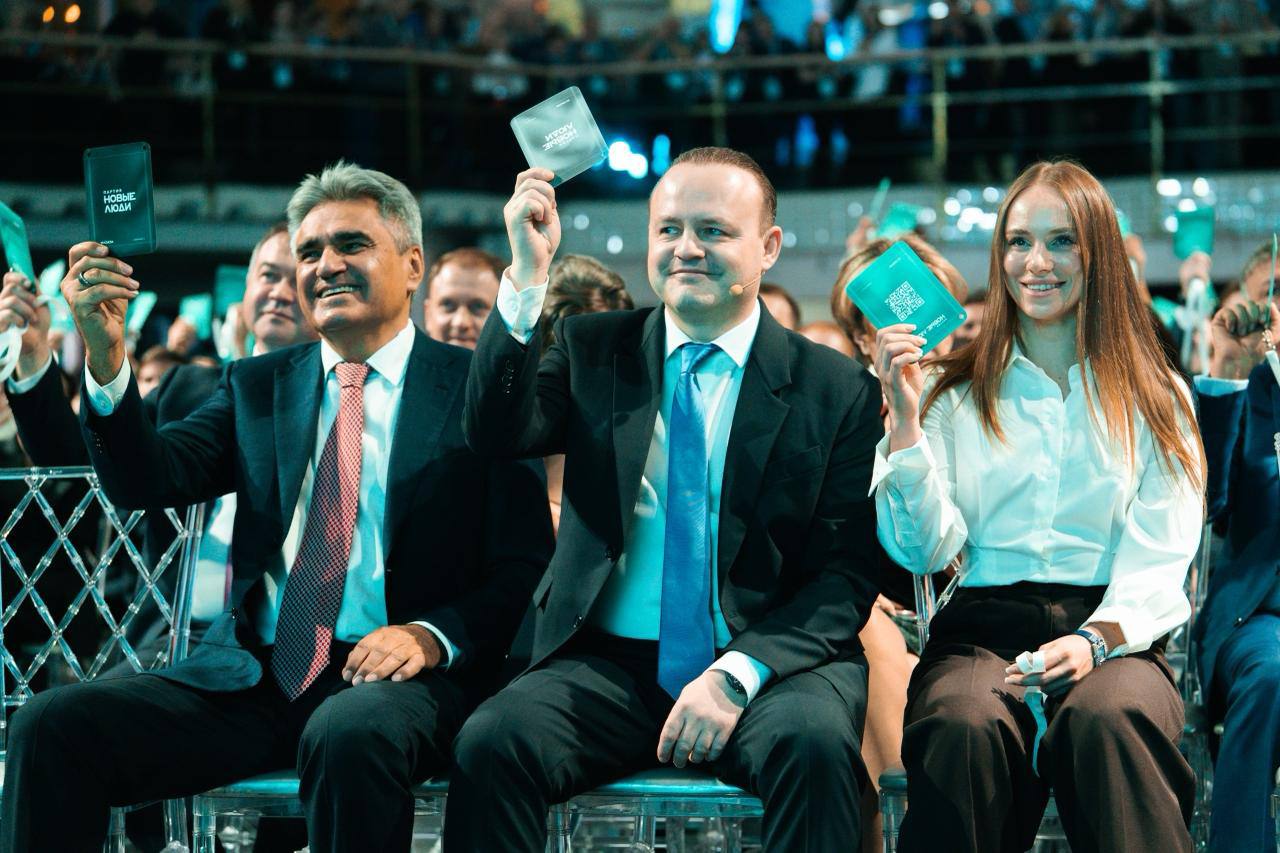
Anger over online restrictions has led to a surge in support for the New People party, which has replaced the Communists as Russia’s second most popular political party.

Andrey Pertsev
The Russian regime is now visibly motivated by fear.

Alexander Baunov
The return of parliamentary politics reflects a broader shift from earlier expectations of a settlement and elections toward the reality of a prolonged war.
Balázs Jarábik
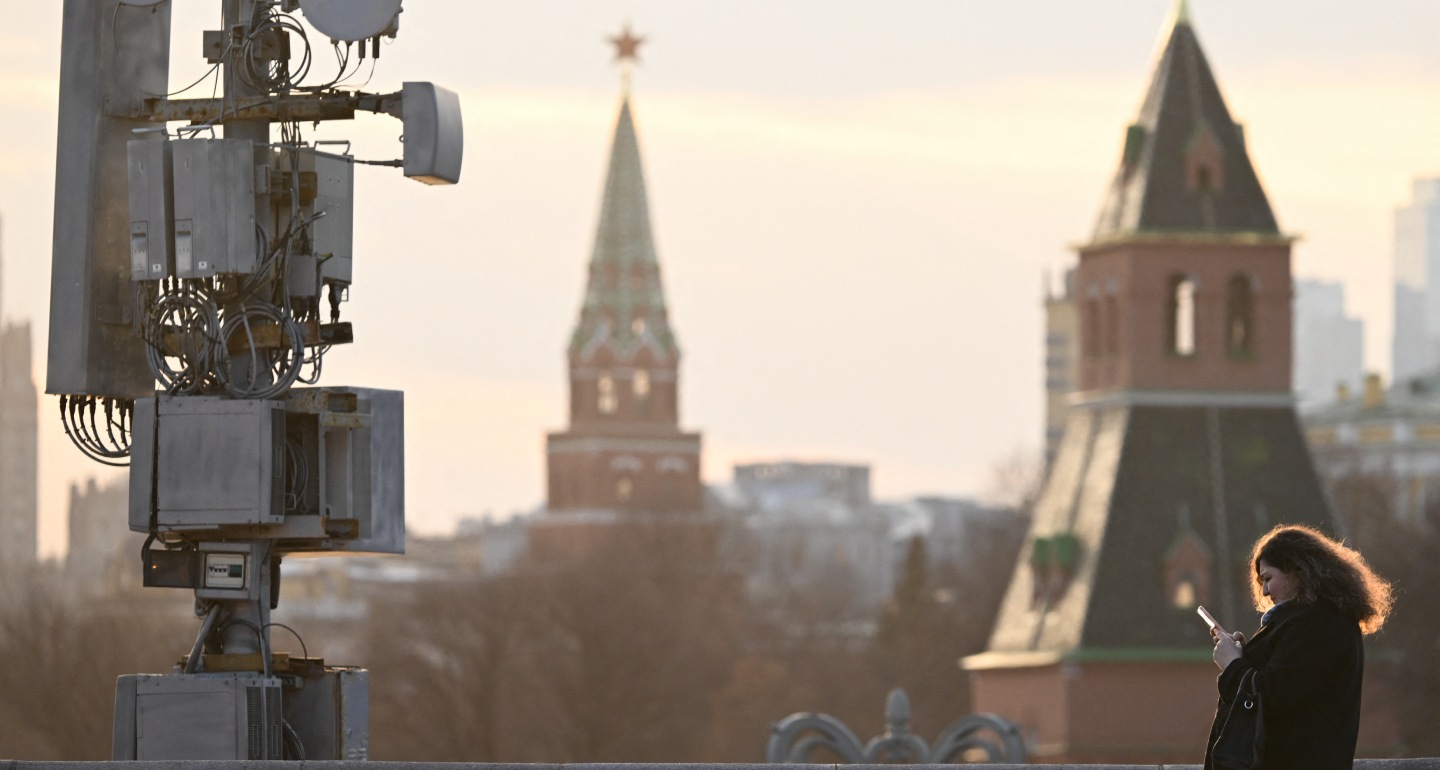
The Russian state has opted for complete ideological control of the internet and is prepared to bear the associated costs.

Maria Kolomychenko
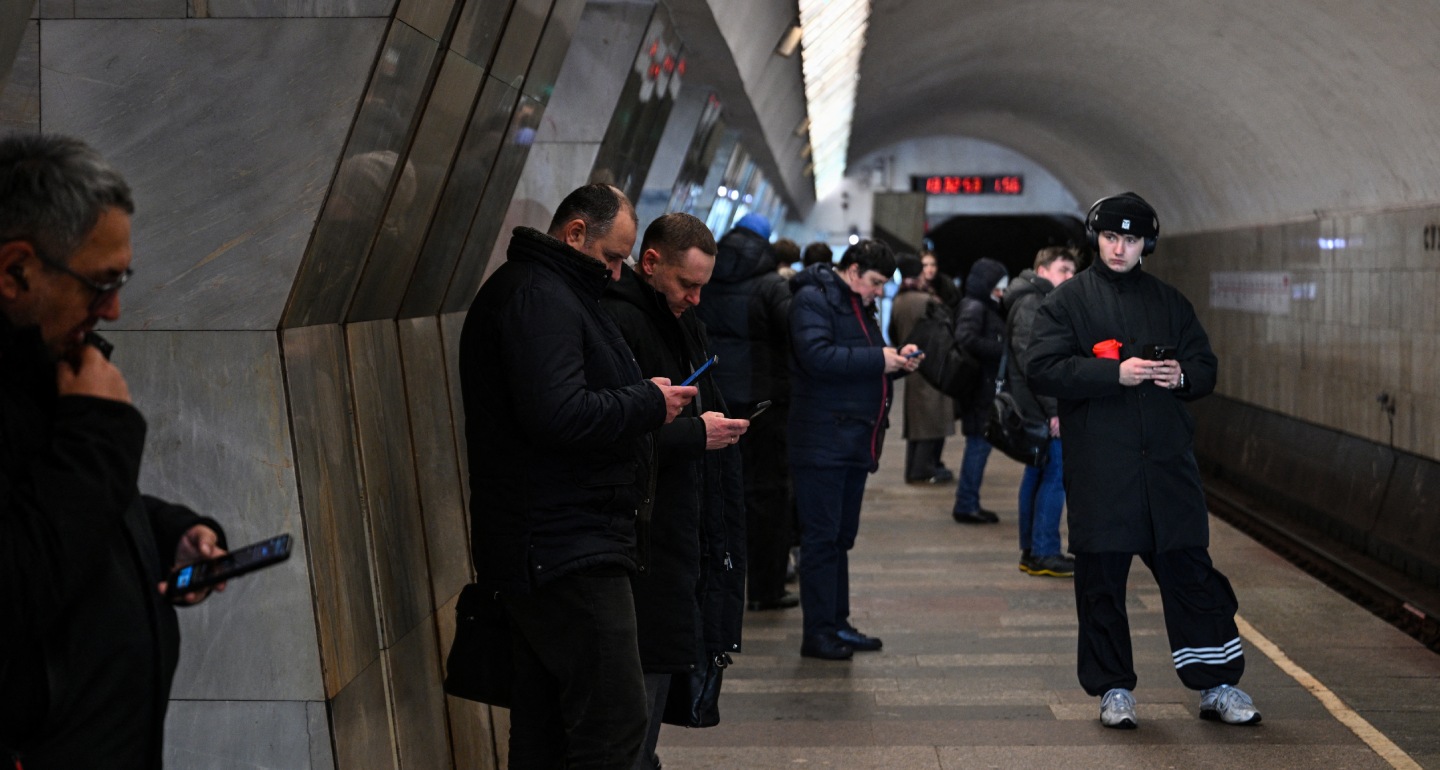
After four years of war, there is no one who can stand up to the security establishment, and President Vladimir Putin is increasingly passive.

Tatiana Stanovaya