

Paper
George Perkovich
{
  "authors": [
    "George Perkovich"
  ],
  "type": "other",
  "centerAffiliationAll": "dc",
  "centers": [
    "Carnegie Endowment for International Peace"
  ],
  "collections": [
    "Korean Peninsula"
  ],
  "englishNewsletterAll": "ctw",
  "nonEnglishNewsletterAll": "",
  "primaryCenter": "Carnegie Endowment for International Peace",
  "programAffiliation": "NPP",
  "programs": [
    "Nuclear Policy"
  ],
  "projects": [],
  "regions": [
    "Middle East",
    "Iran",
    "East Asia",
    "North Korea"
  ],
  "topics": [
    "Nuclear Policy",
    "Nuclear Energy"
  ]
}
REQUIRED IMAGE
Instead of treating nuclear weapons and materials as problems wherever they exist, the Bush administration has pursued a “democratic bomb” strategy, bending nonproliferation rules for friendly democracies and refusing to negotiate directly with “evil” nondemocratic regimes such as North Korea and Iran. This strategy is flawed and counterproductive.
Instead of treating nuclear weapons and materials as problems wherever they exist, the Bush administration has pursued a “democratic bomb” strategy, bending nonproliferation rules for friendly democracies and refusing to negotiate directly with “evil” nondemocratic regimes such as North Korea and Iran. Yet regime change and democratization cannot solve major proliferation challenges in the necessary timeframe and actually can make them worse. Nonproliferation should take precedence over democratization. Universal rules remain essential and must be invigorated, which requires cooperation with major powers that differ on democracy.
North Korea’s nuclear test and Iran’s defiant uranium enrichment program are more than specific failures of U.S. nonproliferation policy. They are symptoms of a dysfunctional strategy that not only fails to solve tough cases but actually makes proliferation more likely. Understanding the inherent liabilities of this strategy can help American and international policy makers design a more effective replacement.
Regimes, rather than weapons, are at the heart of the Bush administration’s broader national security strategy. President George W. Bush’s famous “axis of evil” speech in January 2002 established that the United States would seek security by removing exceptionally dangerous regimes, namely, Iraq, Iran, and North Korea. Proliferation is what defined them as targets. In subsequent years, rhetorical hard edges have been filed off the strategy and the positive goal of transforming tyrannies into democracies was added.
Click on the link above for the full text of this Carnegie publication.
A limited number of print copies are available.
Request a copy
George Perkovich is vice president for studies–global security and economic development at the Carnegie Endowment for International Peace.

Japan Chair for a World Without Nuclear Weapons, Senior Fellow
George Perkovich is the Japan Chair for a World Without Nuclear Weapons and a senior fellow in the Carnegie Endowment for International Peace’s Nuclear Policy Program. He works primarily on nuclear deterrence, nonproliferation, and disarmament issues.
Recent Work
George Perkovich
George Perkovich
Carnegie does not take institutional positions on public policy issues; the views represented herein are those of the author(s) and do not necessarily reflect the views of Carnegie, its staff, or its trustees.

Ongoing uncertainty in the Middle East allows Moscow to both increase its influence in Tehran and continue to enjoy the financial windfall of higher oil prices.

Nikita Smagin

This year’s wars have made alternative routes to transit through Russia no less risky for Central Asian countries.

Galiya Ibragimova

Tokyo would have to surmount a lot of obstacles—not least Western sanctions—if it wanted to return Russian oil imports to even modest pre-2022 volumes.

Vladislav Pashchenko
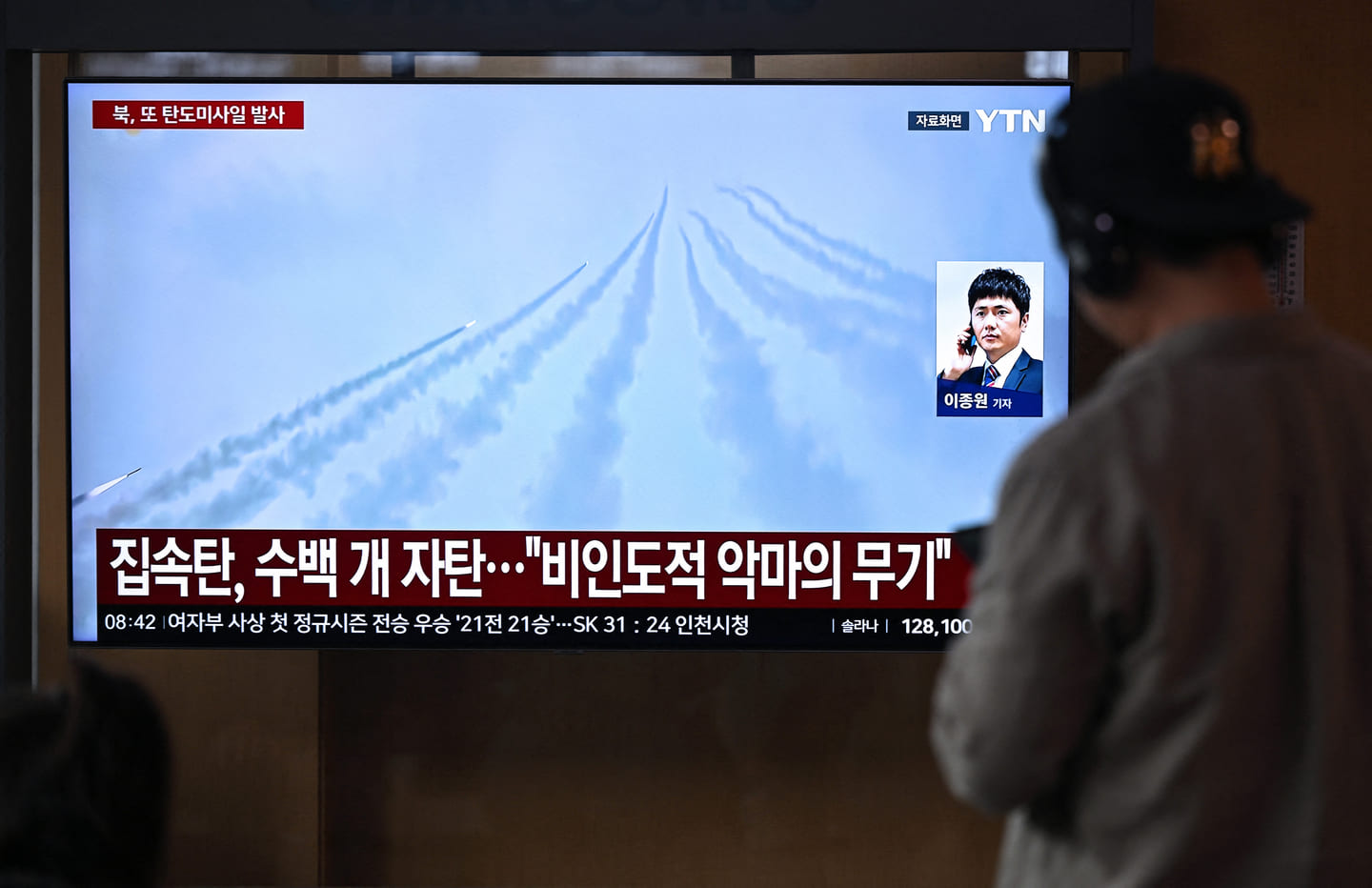
Troubled by the growing salience of nuclear debates in East Asia, Moscow has responded in its usual way: with condemnation and threats. But by exacerbating insecurity, Russia is forcing South Korea and Japan to consider radical security options.

James D.J. Brown
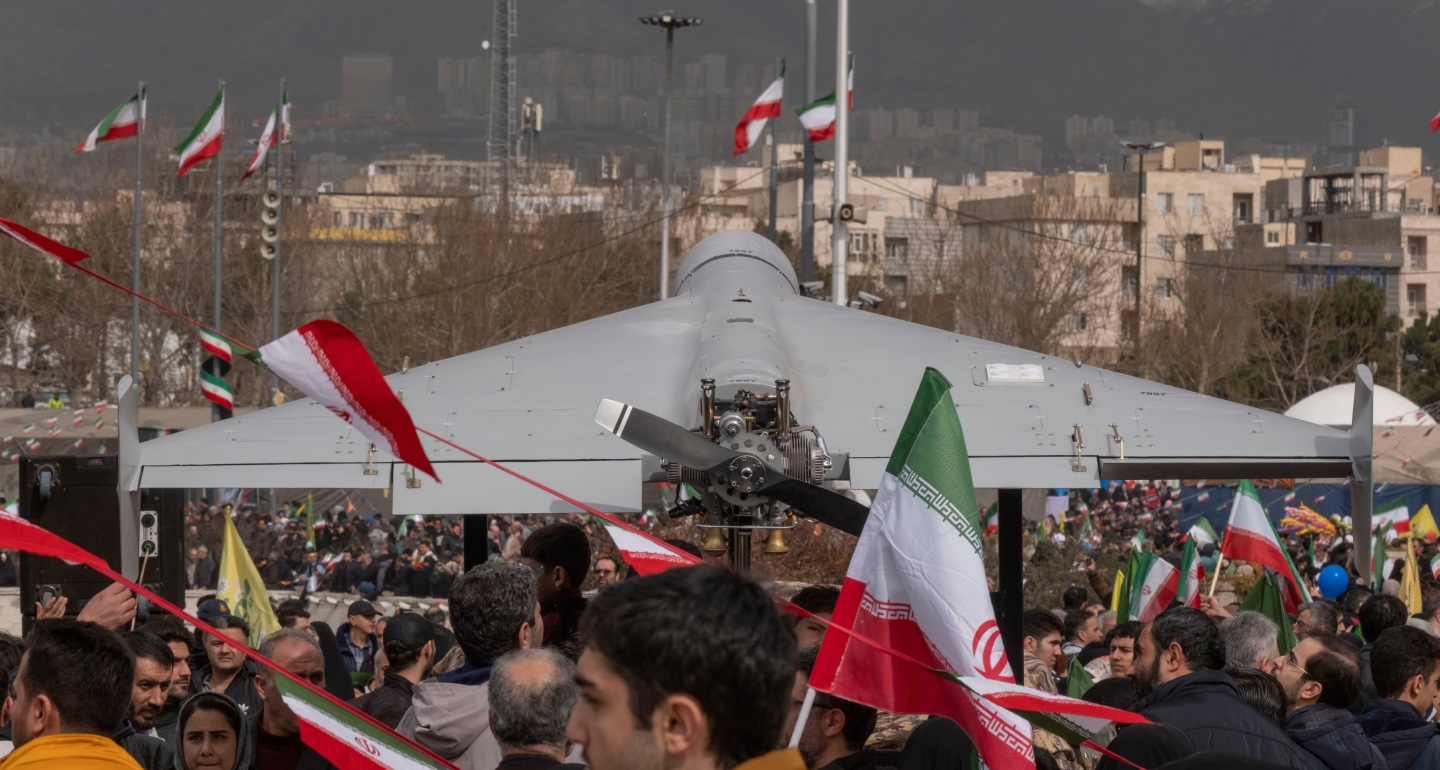
The Russian leadership wants to avoid a dangerous precedent in which it is squeezed out of Iran by the United States and Israel—and left powerless to respond in any meaningful way.
Nikita Smagin