

Q&A
Suzanne Maloney, Aaron David Miller, Karim Sadjadpour
{
  "authors": [
    "Karim Sadjadpour"
  ],
  "type": "other",
  "centerAffiliationAll": "dc",
  "centers": [
    "Carnegie Endowment for International Peace",
    "Malcolm H. Kerr Carnegie Middle East Center"
  ],
  "collections": [],
  "englishNewsletterAll": "menaTransitions",
  "nonEnglishNewsletterAll": "",
  "primaryCenter": "Malcolm H. Kerr Carnegie Middle East Center",
  "programAffiliation": "MEP",
  "programs": [
    "Middle East"
  ],
  "projects": [],
  "regions": [
    "Middle East",
    "Iran"
  ],
  "topics": [
    "Foreign Policy",
    "Nuclear Policy"
  ]
}
REQUIRED IMAGE
need for engagement with Iran is often cited as a major step in easing Middle East tensions and a matter of necessity to contend with Iran’s nuclear ambitions—yet remains a very difficult approach to implement.
Source: Carnegie Endowment
While the historic May 29 talks between the United States and Iran in Baghdad hinted at the possibility of renewed dialogue, the search for an effective foreign policy toward Iran has proven elusive for both U.S. and European administrations. The need for engagement with Iran is often cited as a major step in easing Middle East tensions and a matter of necessity to contend with Iran’s nuclear ambitions—yet remains a very difficult approach to implement.
In this Carnegie Policy Outlook, Guidelines for Approaching Iran, Carnegie Endowment Associate Karim Sadjadpour points to current realities in Iran and existing difficulties that should guide any attempts to engage Iran and influence its policies.
Key conclusions:
• Given that Iran is integral to several issues of critical importance to U.S. and EU foreign policy—namely Iraq, nonproliferation, energy security, terrorism, and Arab-Israeli peace—avoiding dialogue with Iran is not an option and confronting it militarily would only worsen what the West seeks to improve.
• Iran’s reintegration into the global economy and improved ties with the United States will provide more fertile ground for political reform and marginalizing hardliners—a fact well understood by the small but powerful clique of hardliners in Tehran who are determined to undermine attempts at reconciliation.
• The cooperation of the EU, Russia, China, and India is key to resolving the current tensions over Iran’s nuclear ambitions. Iran is adept at identifying rifts in the international community, and diplomatic efforts will unravel if each country approaches Iran with a different redline.
• Despite current U.S. concerns about Iranian influence in Iraq, Iran arguably has more common interests with the United States in that country than any of Iraq’s other neighbors. Shared interests should lead both countries to look to Iraq as a forum to build confidence.
• Abrupt domestic change in Iran is unlikely in the near term and would not necessarily lead to an improvement of the status quo. The only groups that are both armed and organized at the moment are not liberal democrats but the Islamic Revolutionary Guard Corps (IRGC) and Bassij militia.
• Threatening military force against Iran weakens the position of moderates and strengthens hardliners. Washington must disabuse Iran’s leadership that it is intent on the removal of the Islamic regime.
• Any type of U.S. engagement with Iran should address concerns about human rights in that country, including the recent detention of four U.S.-Iranian dual nationals.
• The Iranian government ultimately must make a strategic decision to change its own policies. What the West can do is attempt to facilitate Iranian decision making by formulating an approach that is more united and more nuanced, one that makes it clearer to Tehran that “goodwill will begets goodwill,” and reaffirms that a defiant approach will gain little and cost more.
Click on the link above for the full text of this Carnegie publication.
This is a web-only publication.
About the Author
Karim Sadjadpour is an associate in the Middle East and Nonproliferation programs at the Carnegie Endowment.

Senior Fellow, Middle East Program
Karim Sadjadpour is a senior fellow at the Carnegie Endowment for International Peace, where he focuses on Iran and U.S. foreign policy toward the Middle East.
Recent Work


Suzanne Maloney, Aaron David Miller, Karim Sadjadpour

Aaron David Miller, Karim Sadjadpour, Robin Wright
Carnegie does not take institutional positions on public policy issues; the views represented herein are those of the author(s) and do not necessarily reflect the views of Carnegie, its staff, or its trustees.

With the growth in points of friction between the great powers, organizations like the SCO will continue to play a role in the strategic adaptation of the smaller powers caught between them.

Temur Umarov

When faced with fuel shortages in the past, Central Asian governments could always count on additional supplies from Moscow. That safety net no longer exists.

Galiya Ibragimova

Despite unhappiness on the ground, Moscow is determined to use both carrot and stick to ensure there is record support for United Russia in occupied Ukraine.

Konstantin Skorkin
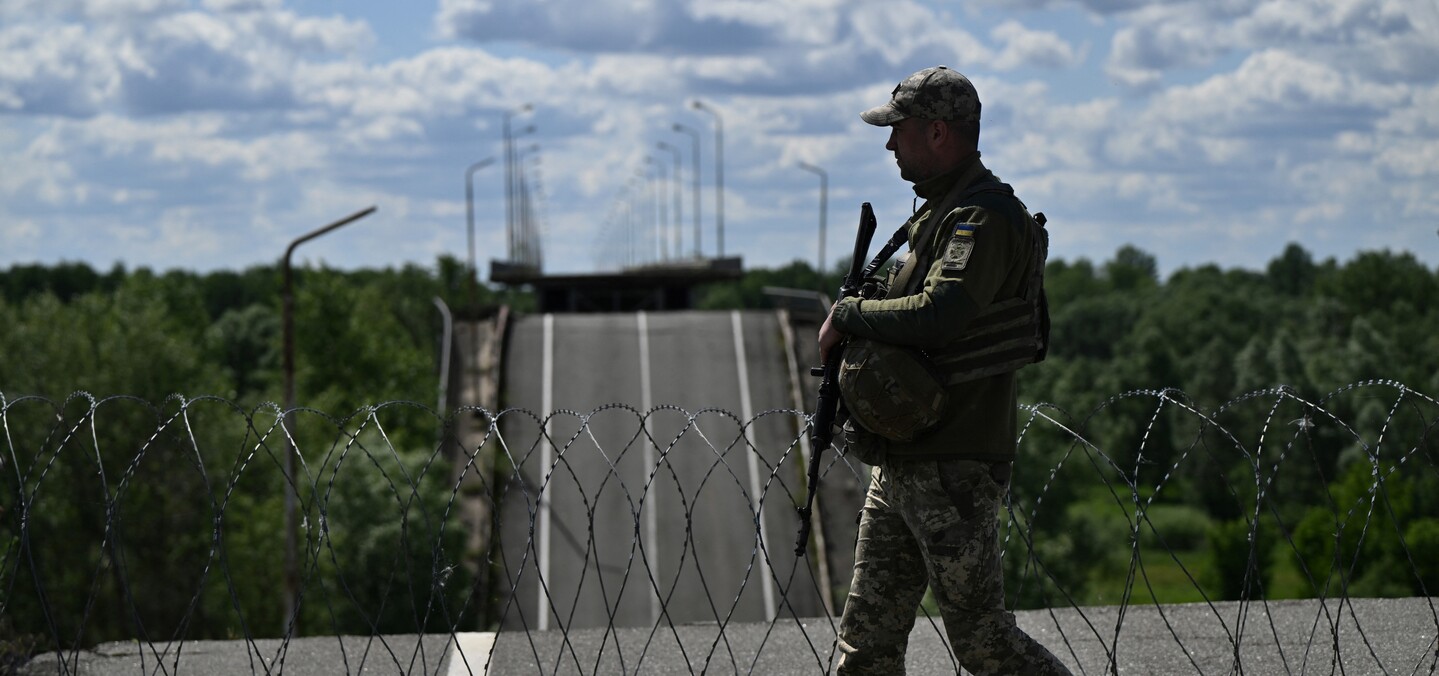
The recent damage inflicted by Ukrainian drones and missiles on Russia has made Belarus aware of its own vulnerabilities—and surprisingly amenable to Kyiv’s demands.

Artyom Shraibman
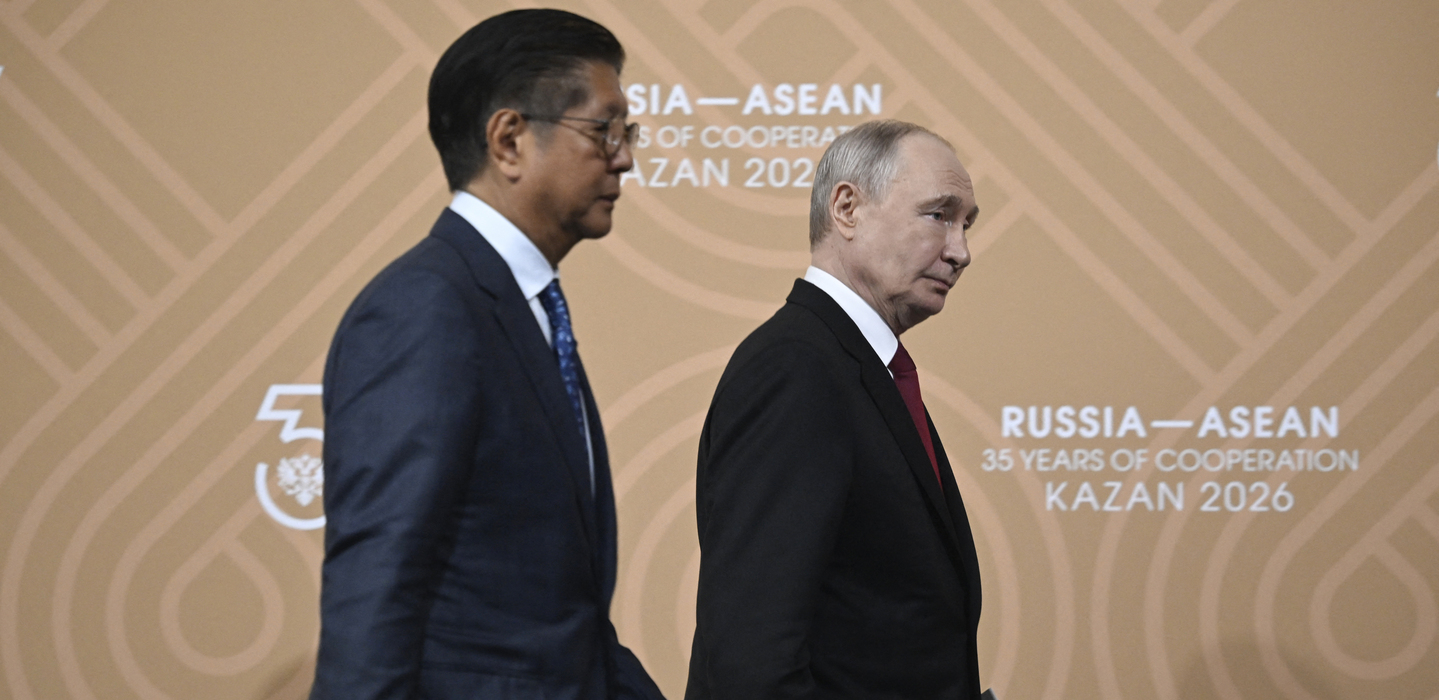
Russia looks set to reap economic benefits from closer ties with Southeast Asian countries that are keen to find reliable energy suppliers and diversify trade ties.

Alexander Gabuev