

Commentary
In the tenth year of his presidency, President Mirziyoyev’s system is becoming even more personalized than that of his predecessor Karimov.
Galiya Ibragimova
{
  "authors": [],
  "type": "pressRelease",
  "centerAffiliationAll": "dc",
  "centers": [
    "Carnegie Endowment for International Peace"
  ],
  "collections": [],
  "englishNewsletterAll": "democracy",
  "nonEnglishNewsletterAll": "",
  "primaryCenter": "Carnegie Endowment for International Peace",
  "programAffiliation": "DCG",
  "programs": [
    "Democracy, Conflict, and Governance",
    "Middle East"
  ],
  "projects": [],
  "regions": [
    "Middle East",
    "Egypt"
  ],
  "topics": [
    "Political Reform",
    "Democracy"
  ]
}
REQUIRED IMAGE
FOR IMMEDIATE RELEASE: July 3, 2007
- NEWS RELEASE -
WASHINGTON, July 3— Egypt still represents the best chance for U.S. democracy promotion in the Arab world in the near future, according to a new Policy Brief by the Carnegie Endowment for International Peace.
The situation in Iraq and Islamist electoral victories in the region have seen support for U.S. democracy promotion wane among domestic audiences and within the administration. Yet claims that the U.S. must choose between democracy promotion and strategic cooperation in Egypt—or between an authoritarian government and an Islamic extremist one—set a false premise. The authors argue that making democratization a cornerstone of the U.S.-Egyptian relationship is the best way to promote both countries’ interests now and over the long term.
In the new Carnegie Policy Brief, Egypt—Don’t Give Up on Democracy Promotion, senior associates Nathan Brown, Michele Dunne, and Amr Hamzawy assess the current state of democratic reforms and the potential for transition in Egypt. They recommend a number of steps the U.S. can take to strengthen the chances for political reform and salvage previous U.S. efforts towards democracy promotion in the Arab world.
Key Findings:
“If the U.S. supports indigenous demands for gradual and responsible political change, it can help Egypt break out of years of political and economic stagnation and human rights abuses,” write the authors. “If it misses this opportunity, prospects for a stable, prosperous Egypt will diminish, with negative consequences for Egypt and the United States.”
Notes:
The Carnegie Endowment for International Peace is a private, nonprofit organization dedicated to advancing cooperation between nations and promoting active international engagement by the United States. Founded in 1910, its work is nonpartisan and dedicated to achieving practical results. The Endowment has added operations in Beijing, Beirut, and Brussels to join the longstanding offices in Washington and Moscow as part of its transformation into the first global think tank.
###
Carnegie does not take institutional positions on public policy issues; the views represented herein are those of the author(s) and do not necessarily reflect the views of Carnegie, its staff, or its trustees.

In the tenth year of his presidency, President Mirziyoyev’s system is becoming even more personalized than that of his predecessor Karimov.

Galiya Ibragimova
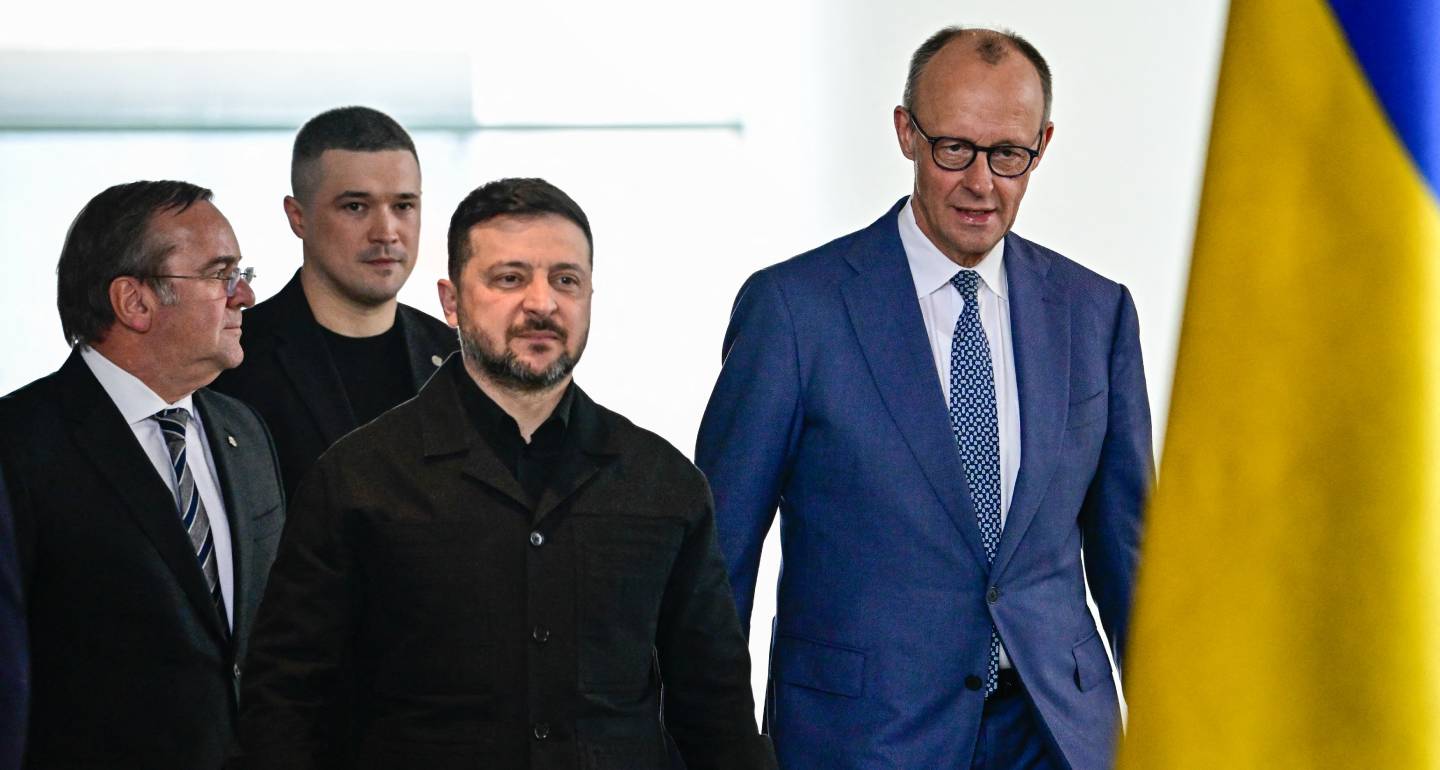
The greater threat to Zelensky comes not from Fedorov alone, but from the convergence between the former defense minister’s political campaign and the anti-corruption investigations moving ever closer to the presidential administration.

Balázs Jarábik
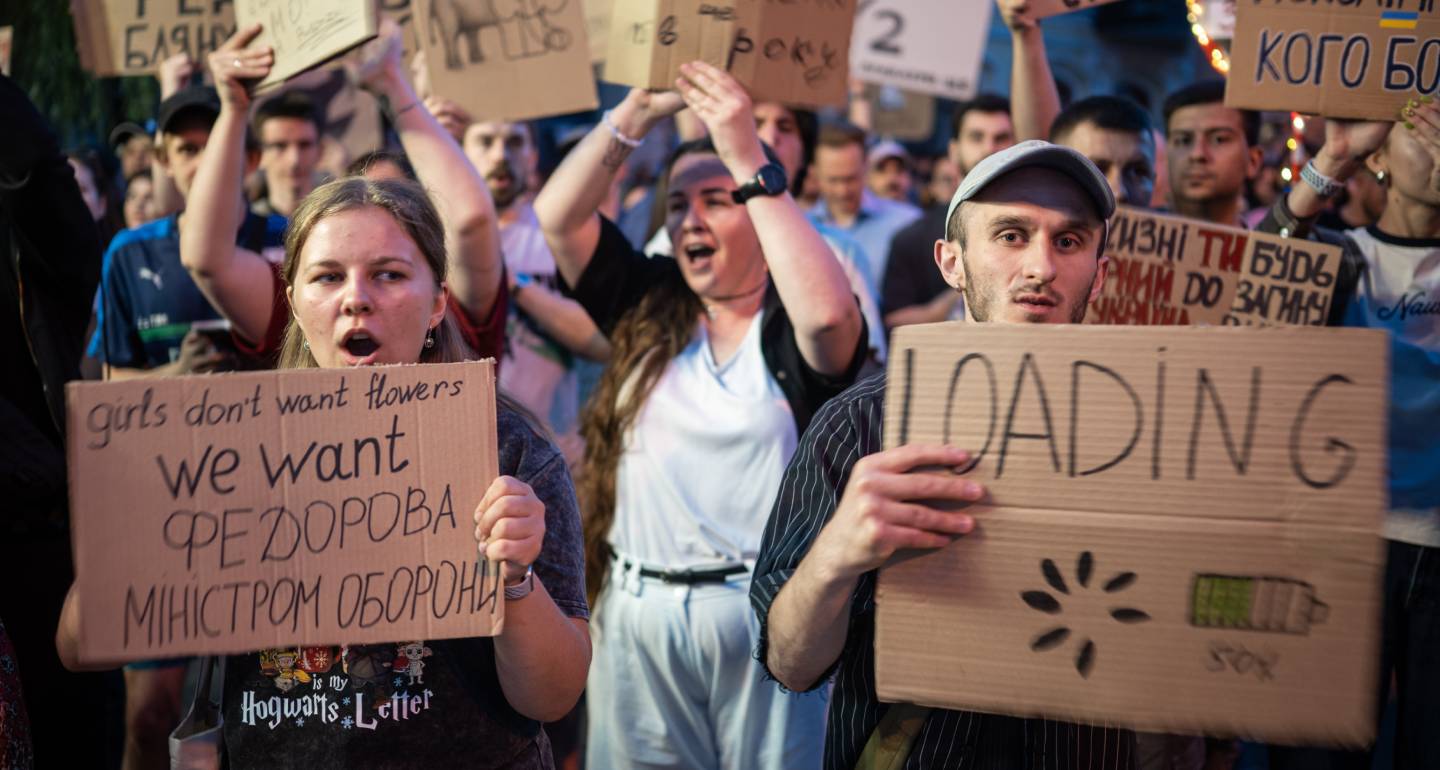
With his public call for new elections in Ukraine, ex-defense minister Mykhailo Fedorov has opened Pandora’s box.

Konstantin Skorkin

In the discussions made possible by the State Duma election campaign, one question is being asked more and more loudly. “What next?”

Andrey Pertsev

Two divergent trends—Putin’s hardline vision of how to prosecute the war in Ukraine, and a growing desire for change in Russia—could tear the regime apart.

Tatiana Stanovaya