

In The Media
Michele Dunne, Robert Kagan
{
  "authors": [
    "Robert Kagan"
  ],
  "type": "legacyinthemedia",
  "centerAffiliationAll": "dc",
  "centers": [
    "Carnegie Endowment for International Peace"
  ],
  "collections": [],
  "englishNewsletterAll": "ctw",
  "nonEnglishNewsletterAll": "",
  "primaryCenter": "Carnegie Endowment for International Peace",
  "programAffiliation": "SAP",
  "programs": [
    "South Asia"
  ],
  "projects": [],
  "regions": [
    "South Asia",
    "Pakistan"
  ],
  "topics": [
    "Political Reform",
    "Foreign Policy"
  ]
}
REQUIRED IMAGE
There always seems to be a good reason to support a dictator. Musharraf today makes the argument that if he is removed, he will be replaced by radical Islamists. By cracking down on moderates with moderate credentials, he is trying to ensure that his argument reflects reality. If he holds on, his opposition will be radicalized and there will be no alternative.
Source: Washington Post
There always seems to be a good reason to support a dictator. In the late 1970s, Jeane Kirkpatrick argued that it was better to support a "right-wing" dictator lest he be replaced by communists. Right-wing dictatorship -- today some call it "liberal autocracy" -- was in any case a necessary way station on the road to democracy. Communist totalitarians would never give up power and stifled any hope for freedom, but our friendly dictators would eventually give way to liberal politics.
The Reagan administration, and history, actually repudiated both sides of this doctrine. It turned out that right-wing dictators such as Ferdinand Marcos and the South Korean military junta, as other dictators before them, would only leave power if forced. Ironically, a communist leader in the Soviet Union was actually willing to take the steps that ultimately proved his system's undoing.
During the Cold War, Kirkpatrick and many others, including most leading neoconservatives and many in the American foreign policy establishment, bought the dictator's self-serving sales pitch. The dictator always argued that the choice was to support him or give the country to the communists. And he always made sure that this was the choice. Anastasio Somoza in Nicaragua systematically eliminated the moderate, democratic alternatives to his rule because he knew that the Americans would support them against him. By the time the Carter administration worked up the gumption to force Somoza out, the Sandinista revolutionaries had helped Somoza squeeze out the middle and put themselves in a position to inherit the country.
Today, Pakistan's Gen. Pervez Musharraf is playing the old game, as is Egypt's Hosni Mubarak, and it appears to be working. Substitute radical Islamists for communists, and the pitch is the same: Après moi le déluge. If you force me out, the radical Islamists will win. And Musharraf is busily trying to ensure that this is the only option. He cracks down on moderates with good democratic credentials, and with far greater zeal than he has cracked down on al-Qaeda. If he can hold on long enough, he may so radicalize the opposition that no reasonably moderate alternative will be available.
This is one of the many flaws of "liberal autocracy." Dictators are not good shepherds, leading their flock Moses-like to the promised land of democracy. When the choice is between the good of the country and continued rule, the autocrat almost always chooses himself. To prove that he is irreplaceable, he must destroy the opportunity to replace him, which means destroying or hobbling independent institutions, undermining the rule of law, pushing the population toward extremism -- in short, doing the opposite of what the mythical "liberal autocrat" is supposed to do.
When Kirkpatrick outlined her case for supporting right-wing dictatorship, her prime example was the overthrow of the shah of Iran. Almost three decades later, this is still the example people point to. It is as if we learned nothing in the 1980s and 1990s, when the timely removal of right-wing dictatorships produced not radicalism but democratic moderation in the Philippines, El Salvador, South Korea and elsewhere.
Musharraf is not even like the shah of Iran. He is not the living embodiment of a regime, as the shah was. He is not irreplaceable. He is not the lone savior of a whole way of governance. He is but a general, and not an especially effective one at that.
There are other generals. With all the billions of dollars in aid the United States provides to Pakistan, it ought to be possible to discuss with the Pakistani military alternatives to the man who so poorly serves their interests. Musharraf may be willing to lose American aid in order to remain in power, but that is unlikely to seem attractive to the men who work for him. It ought to be possible to find a general who is willing to let Pakistan return to a democratic path and meanwhile do a better job of fighting Pakistan's real enemies.
Much is riding on the Bush administration's ability to steer its way through this transition in Pakistan. President Bush's claim that Musharaf can be trusted to lead Pakistan toward democracy is not credible. In its better moments, the United States has known when to tell such leaders that their time was up. If the administration cannot muster the courage or skill to replace this eminently replaceable man in the name of Pakistani democracy, all because it fears the alternative, then it had better cease the absurd rhetoric about democracy promotion. It had also better get used to a greater Middle East and Muslim world where there are only two types of regimes: radical Islamists and stubborn dictatorships. That, presumably, is not the legacy Bush wants to bequeath to his successor.
Robert Kagan, a senior associate at the Carnegie Endowment for International Peace and transatlantic fellow at the German Marshall Fund, writes a monthly column for The Post.

Former Senior Associate
Kagan, author of the recent book, The Return of History and the End of Dreams (Knopf 2008), writes a monthly column on world affairs for the Washington Post and is a contributing editor at both the Weekly Standard and the New Republic.
Recent Work

Michele Dunne, Robert Kagan
Robert Kagan, Michele Dunne
Carnegie does not take institutional positions on public policy issues; the views represented herein are those of the author(s) and do not necessarily reflect the views of Carnegie, its staff, or its trustees.

With the growth in points of friction between the great powers, organizations like the SCO will continue to play a role in the strategic adaptation of the smaller powers caught between them.

Temur Umarov
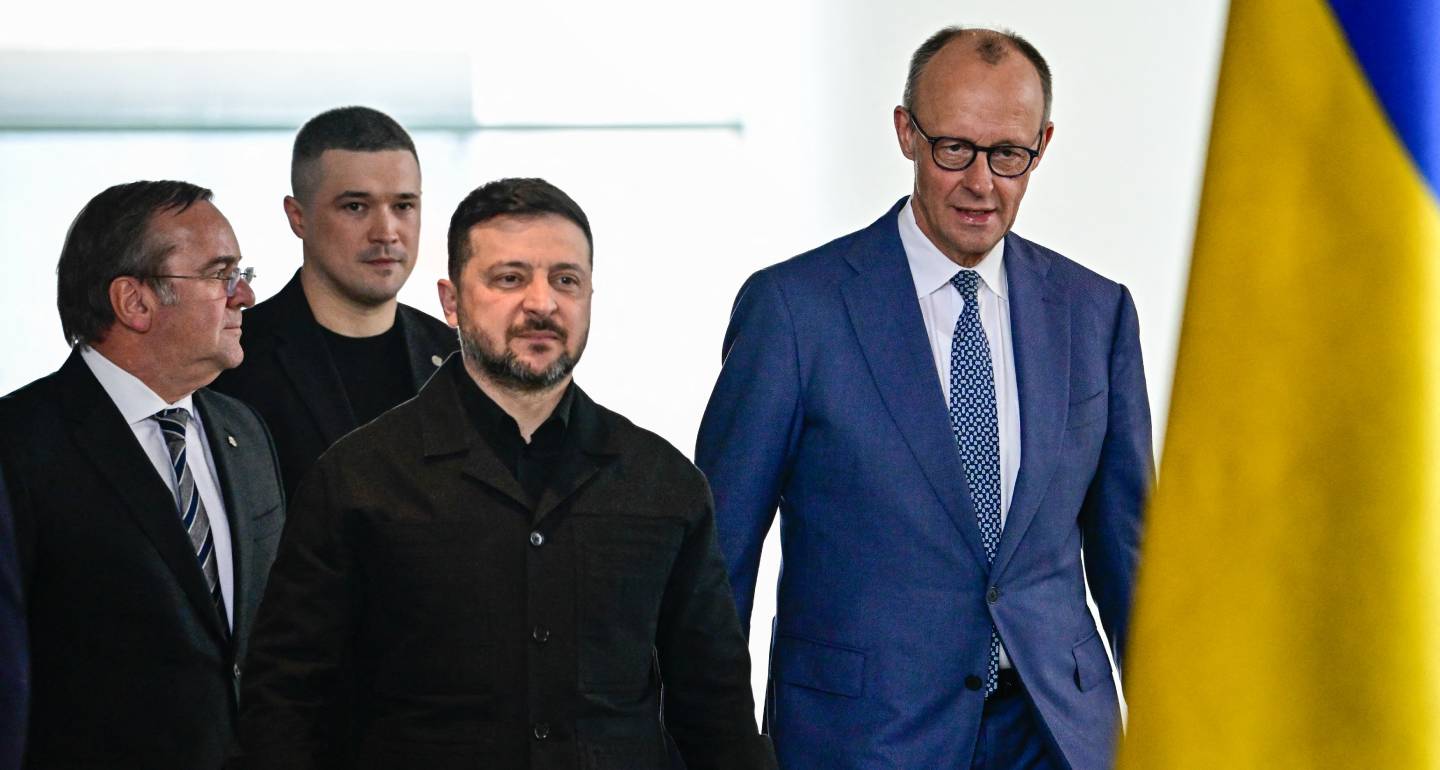
The greater threat to Zelensky comes not from Fedorov alone, but from the convergence between the former defense minister’s political campaign and the anti-corruption investigations moving ever closer to the presidential administration.

Balázs Jarábik
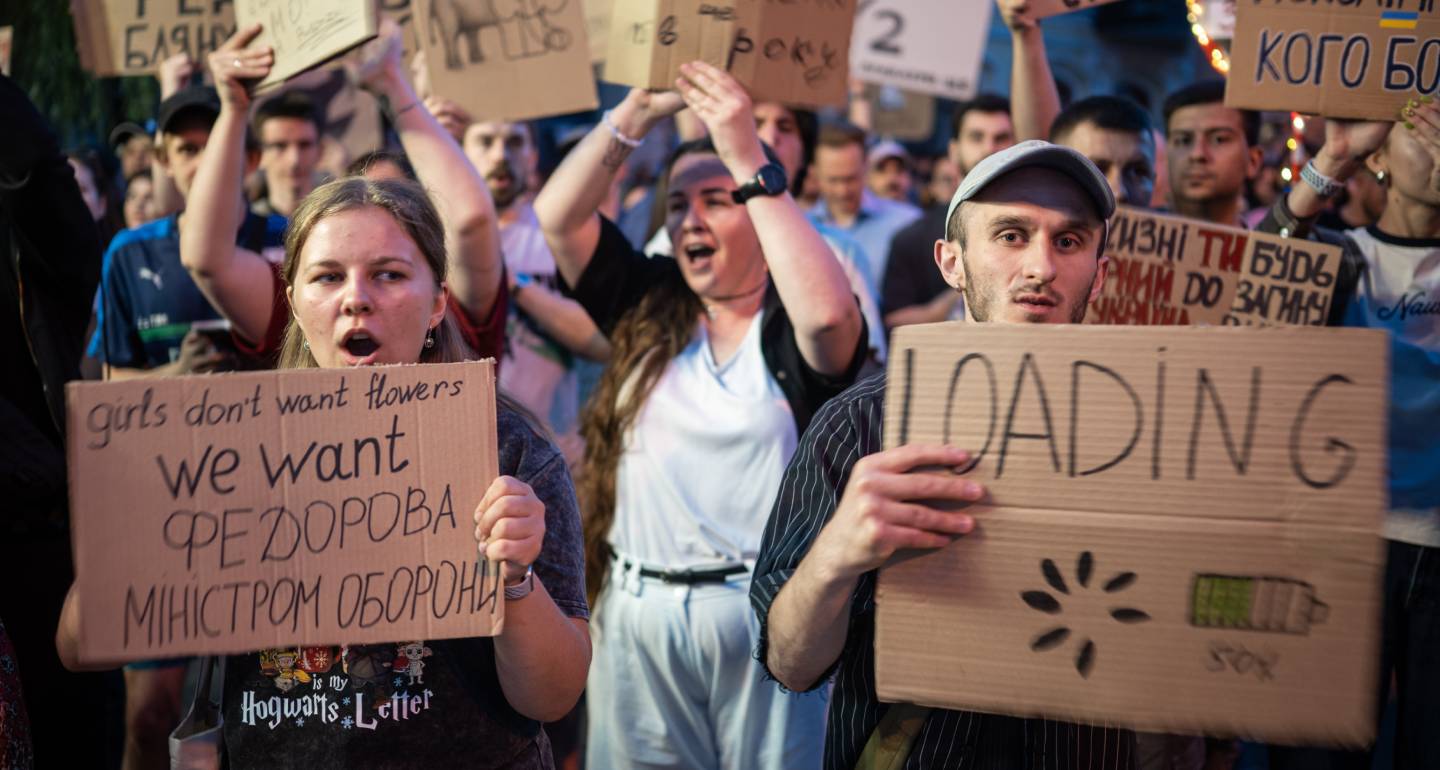
With his public call for new elections in Ukraine, ex-defense minister Mykhailo Fedorov has opened Pandora’s box.

Konstantin Skorkin

In the discussions made possible by the State Duma election campaign, one question is being asked more and more loudly. “What next?”

Andrey Pertsev

When faced with fuel shortages in the past, Central Asian governments could always count on additional supplies from Moscow. That safety net no longer exists.

Galiya Ibragimova