

Other
Wang Yanjia, William Chandler
{
  "authors": [
    "William Chandler"
  ],
  "type": "testimony",
  "centerAffiliationAll": "dc",
  "centers": [
    "Carnegie Endowment for International Peace"
  ],
  "collections": [],
  "englishNewsletterAll": "ctw",
  "nonEnglishNewsletterAll": "",
  "primaryCenter": "Carnegie Endowment for International Peace",
  "programAffiliation": "SCP",
  "programs": [
    "Sustainability, Climate, and Geopolitics"
  ],
  "projects": [],
  "regions": [
    "North America",
    "United States",
    "East Asia",
    "China"
  ],
  "topics": [
    "Climate Change"
  ]
}
Source: Getty
Successful Post-Kyoto leadership on climate policy requires three elements: stronger goals, effective implementation, and the participation of the United States and China.
Successful Post-Kyoto leadership on climate policy requires three elements: stronger goals, effective implementation, and the participation of the United States and China.
In a presentation at the opening plenary of the ACEEE/CEE 12th annual National Symposium on Market Transformation, Carnegie Energy and Climate Program Director William Chandler suggests achievable climate targets and policies for G8 countries and China. Governments can change climate behavior through four mechanisms: regulation, taxation, spending on R&D and subsidies, and providing information. To reach ambitious climate targets, policy-makers must understand how these tools interact to affect individual and industrial consumption of energy. This, in turn, requires better application of behavioral economics and grassroots organizing.
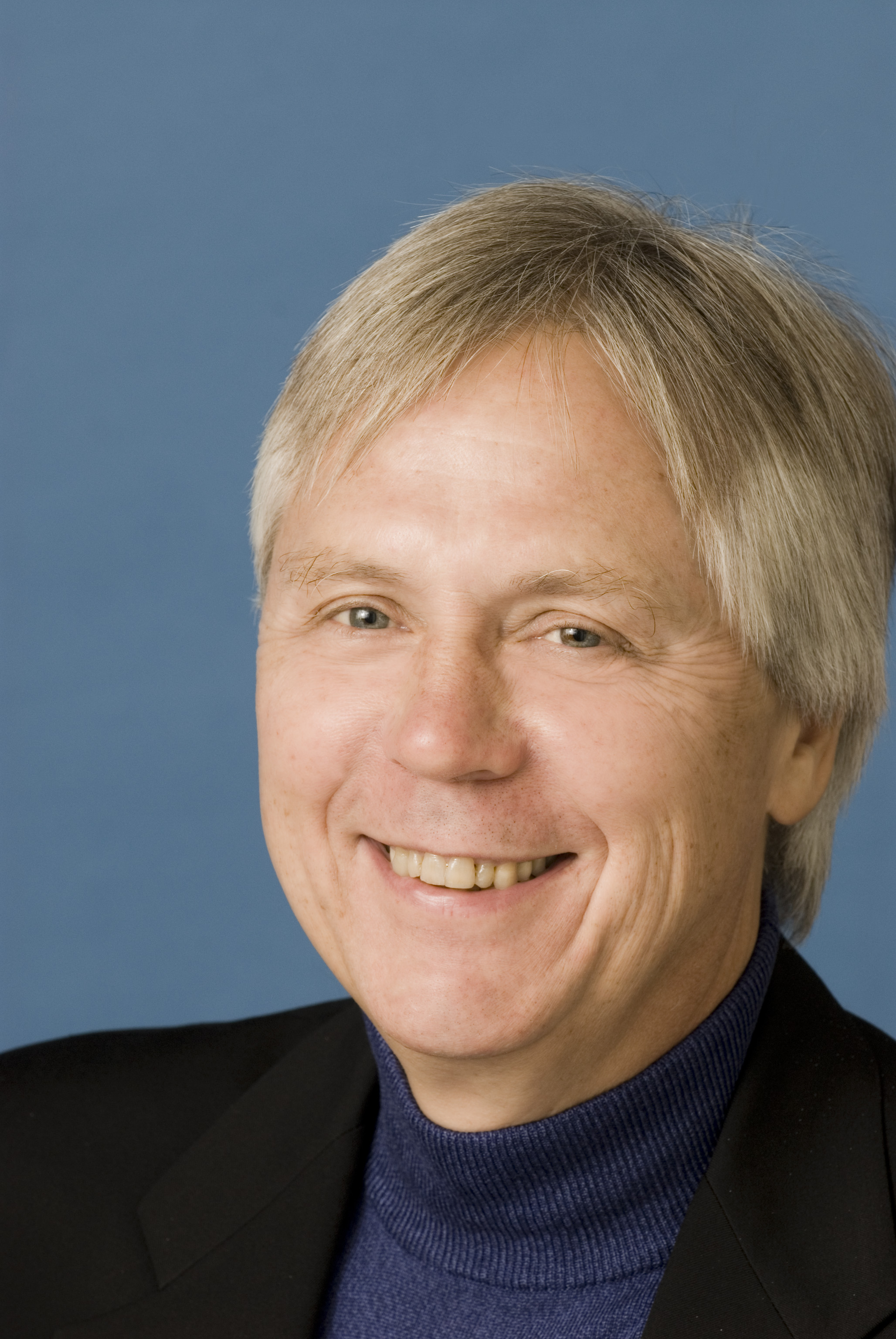
Former Adjunct Senior Associate, Energy and Climate Program
Chandler is a leading expert on energy and climate. As an adjunct senior associate in the Energy and Climate Program he supports Carnegie’s work in these fields, collaborating closely on projects with Carnegie’s offices in Moscow, Beijing, Brussels, and Beirut.
Recent Work
Wang Yanjia, William Chandler
William Chandler, Taiya M. Smith
Carnegie does not take institutional positions on public policy issues; the views represented herein are those of the author(s) and do not necessarily reflect the views of Carnegie, its staff, or its trustees.

With the growth in points of friction between the great powers, organizations like the SCO will continue to play a role in the strategic adaptation of the smaller powers caught between them.

Temur Umarov

When faced with fuel shortages in the past, Central Asian governments could always count on additional supplies from Moscow. That safety net no longer exists.

Galiya Ibragimova
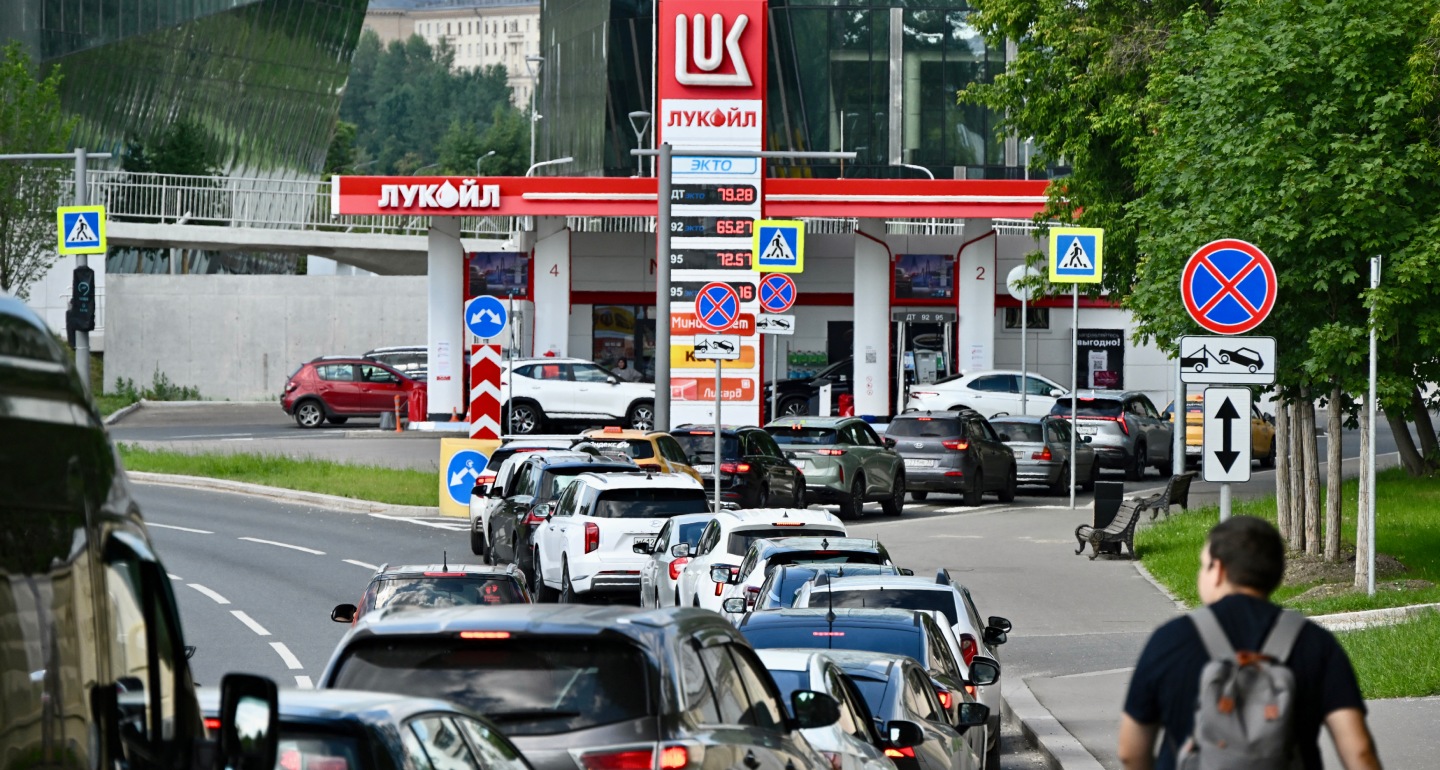
Official discussions about mini oil refineries are unlikely to come to anything—but the mere fact they’re happening reveals the regime is failing to deliver a functioning economy.

Sergey Vakulenko
Ongoing uncertainty in the Middle East allows Moscow to both increase its influence in Tehran and continue to enjoy the financial windfall of higher oil prices.

Nikita Smagin
With no key agreement signed on the Power of Siberia 2 gas pipeline, there is a risk that the window of opportunity for Russia will close if Chinese power generation becomes so green that new gas sources are no longer of any interest to Beijing.

Alexander Gabuev