

Commentary
The greater threat to Zelensky comes not from Fedorov alone, but from the convergence between his political campaign and the anti-corruption investigations moving ever closer to the presidential administration.
Balázs Jarábik
{
  "authors": [],
  "type": "pressRelease",
  "centerAffiliationAll": "dc",
  "centers": [
    "Carnegie Endowment for International Peace"
  ],
  "collections": [],
  "englishNewsletterAll": "menaTransitions",
  "nonEnglishNewsletterAll": "",
  "primaryCenter": "Carnegie Endowment for International Peace",
  "programAffiliation": "MEP",
  "programs": [
    "Middle East"
  ],
  "projects": [],
  "regions": [
    "Middle East",
    "Iran",
    "Türkiye",
    "Egypt",
    "Lebanon",
    "Jordan",
    "Syria",
    "Saudi Arabia"
  ],
  "topics": [
    "Political Reform",
    "Economy"
  ]
}
REQUIRED IMAGE
There have been many attempts by the international community to impose order in the Middle East. The reality is that Arab states must themselves overcome divisive ideologies, prioritize common interests, and develop a cooperative political and security architecture if a new regional order is to come to fruition.
BEIRUT, Lebanon, July 30—There have been many attempts by the international community to impose order in the Middle East. The reality is that Arab states must themselves overcome divisive ideologies, prioritize common interests, and develop a cooperative political and security architecture if a new regional order is to come to fruition, argues Paul Salem, director of the Carnegie Middle East Center in Beirut.
In The Middle East: Evolution of a Broken Regional Order, Salem identifies patterns and trends in the dynamic history between the countries of the Middle East—through the collapse of Ottoman rule, European mandates, and the post-World War II developments in the region—that help to understand how Arab states, as well as Turkey and Iran, have shaped their policies, particularly after 9/11 and the U.S. invasion of Iraq. The paper introduces a series of country-by-country studies that will examine how key players in the Middle East—namely Iran, Turkey, Saudi Arabia, Syria, Jordan, and Egypt—have responded.
Salem offers analysis of:
"The events of the past few years have broken the precarious old Middle East order without replacing it with a new one. And although rival external and regional players have been pushing their own agendas for a new regional order, none of them has prevailed. The competition among these rival visions and forces appears destined to continue in the years ahead. In the meantime, meetings of countries neighboring Iraq have been taking place, first in Egypt, then in Turkey and Kuwait. Participants in addition to Iraq have included Iran, Turkey, and key Arab countries. Discussions have focused on exploring potential common ground on security as well as political and economic issues. These meetings have been encouraged by the United States and the international community; their progress, however, has been slow, as tensions within Iraq and the region continue to make the main players wary of each other."
###

Carnegie does not take institutional positions on public policy issues; the views represented herein are those of the author(s) and do not necessarily reflect the views of Carnegie, its staff, or its trustees.

The greater threat to Zelensky comes not from Fedorov alone, but from the convergence between his political campaign and the anti-corruption investigations moving ever closer to the presidential administration.

Balázs Jarábik
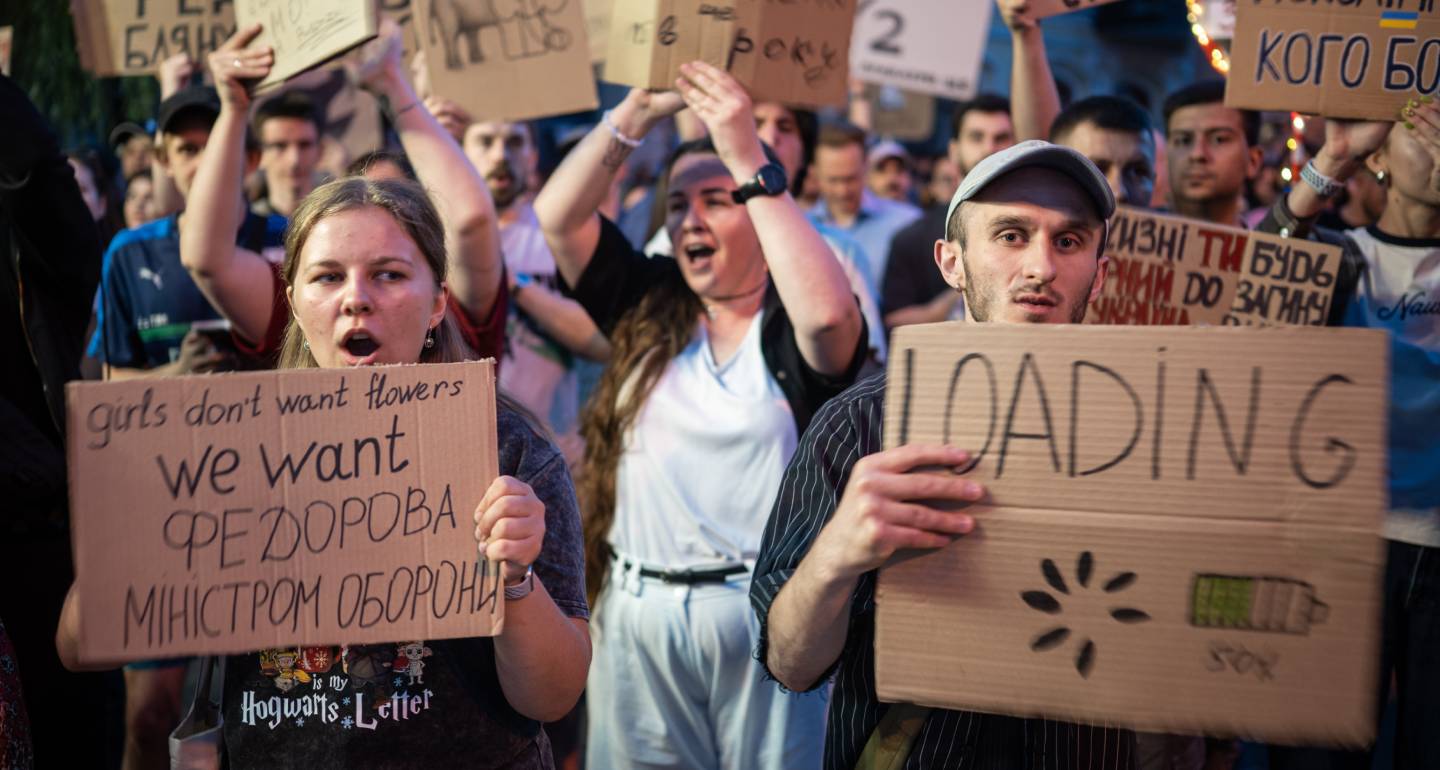
With his public call for new elections in Ukraine, ex-defense minister Mykhailo Fedorov has opened Pandora’s box.

Konstantin Skorkin

In the discussions made possible by the State Duma election campaign, one question is being asked more and more loudly. “What next?”

Andrey Pertsev

Two divergent trends—Putin’s hardline vision of how to prosecute the war in Ukraine, and a growing desire for change in Russia—could tear the regime apart.

Tatiana Stanovaya
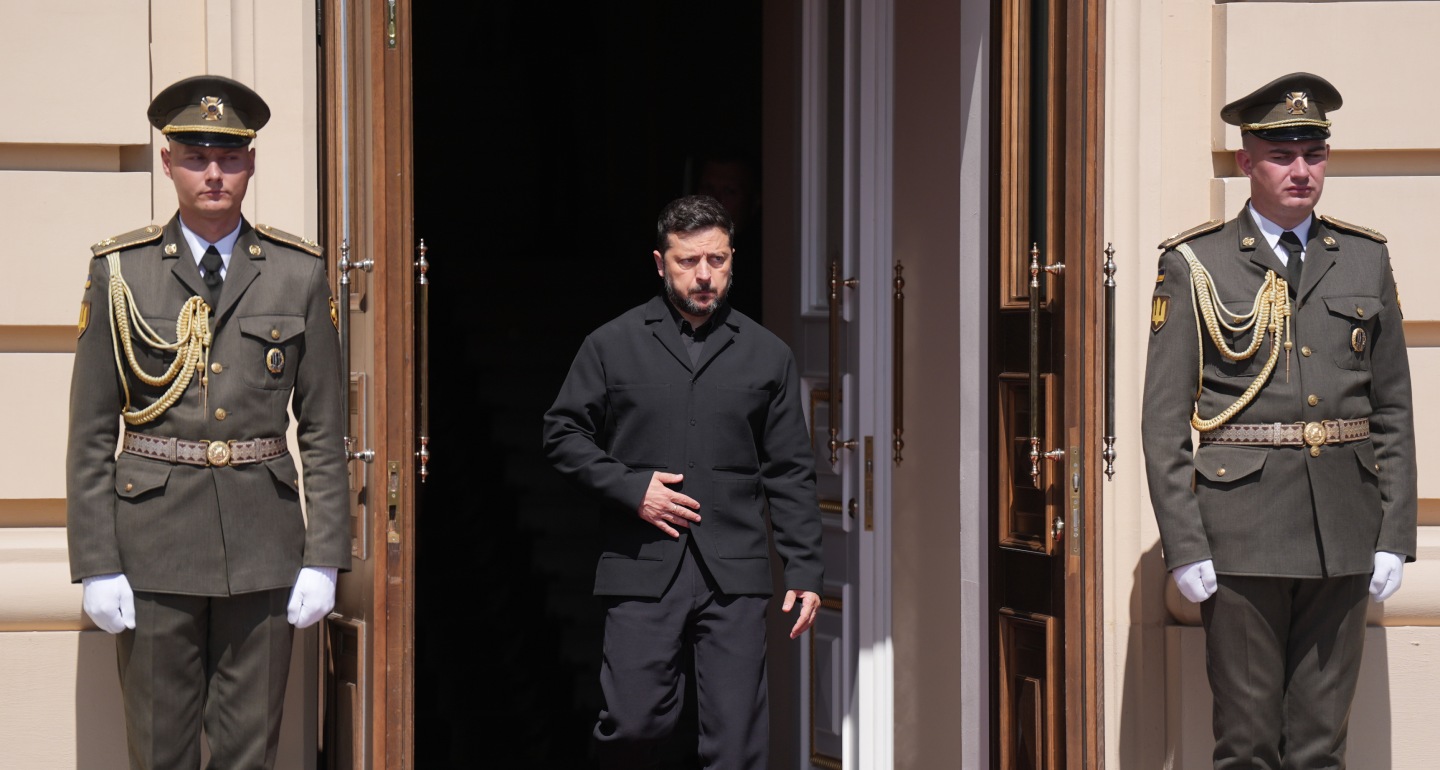
Ultimately, Zelensky sided neither with the reform camp nor with the military establishment as such, but with political control.
Balázs Jarábik