

Commentary
In the tenth year of his presidency, President Mirziyoyev’s system is becoming even more personalized than that of his predecessor Karimov.
Galiya Ibragimova
{
  "authors": [
    "Martha Brill Olcott",
    "Johannes Linn"
  ],
  "type": "legacyinthemedia",
  "centerAffiliationAll": "dc",
  "centers": [
    "Carnegie Endowment for International Peace"
  ],
  "collections": [],
  "englishNewsletterAll": "ctw",
  "nonEnglishNewsletterAll": "",
  "primaryCenter": "Carnegie Endowment for International Peace",
  "programAffiliation": "russia",
  "programs": [
    "Russia and Eurasia"
  ],
  "projects": [],
  "regions": [
    "Afghanistan",
    "Central Asia",
    "Kazakhstan",
    "Kyrgyz Republic",
    "Tajikistan"
  ],
  "topics": [
    "Political Reform",
    "Democracy",
    "Security",
    "Foreign Policy"
  ]
}
Source: Getty
As the security situation in Afghanistan worsens, the international community has overlooked signs of political instability throughout Central Asia that could render Afghanistan even more unstable.
Source: Wall Street Journal

Central Asian countries are instrumental to the effort in Afghanistan. Uzbekistan, Kyrgyzstan and Tajikistan have provided space for NATO bases. The latter two countries form the foundation of the Central Asian South Asian Regional Energy Market project, providing hydroelectric power necessary for Afghanistan's economic recovery. Efforts to secure borders in the area are also key to successful drug interdiction.
Unfortunately, Western leaders have been willing to accept seemingly stable regimes that support their goals in Afghanistan rather than pressing hard for democratization of these states. The one exception is Uzbekistan, where Western engagement is still limited because of the regime's unwillingness to repudiate the shooting of unarmed civilians during civil unrest in Andijan in May 2005.
This is a problematic approach because there's a real danger the status quo won't hold. The Kyrgyz ousted former President Askar Akayev in 2005 after questionable parliamentary elections. Tajiks have held small-scale protests over living conditions this spring and summer, the first of any significance since that country's civil war ended in 1997, and an ominous sign of things to come.
Potent ingredients for political instability are already in place. Skyrocketing fuel costs and the global banking crisis have hit the region hard. A banking crisis in Kazakhstan, fueled by higher interest rates on international bank debt, has triggered a serious economic downturn, costing jobs both for Kazakhs and a large number of migrant laborers from neighboring states.
The region is also suffering through a cyclical drought. Water levels in Central Asia's reservoirs are at record lows, with upstream providers (Tajikistan and Kyrgyzstan) holding back supplies to downstream users (Uzbekistan and Kazakhstan). Electricity cutbacks for fall and winter have already been announced. Hard-hit farmers, many of whom lost their food and seed stores during the winter, must now pay record prices for fuel and for seed. Many simply refused to plant and this summer's hot and dry summer means lower yields for those who did.
All of this carries regional implications. In 1989 and 1990, disputes over water and land led to fighting between Uzbeks and Kyrgyz in southern Kyrgyzstan, and between Tajiks and Kyrgyz along their border during the waning days of the Soviet Union. The Kazakhs and Uzbeks are long-standing rivals, as are the Uzbeks and Tajiks. Tensions between the latter came close to boiling over during the Tajik civil war, when Uzbek terrorists found safe haven in uncontrolled territories of Tajikistan. Even today there are no direct flights between the two national capitals, and the border between the two countries is still largely closed by Uzbekistan.
Turmoil in Central Asia could have deadly consequences in Afghanistan. Regime change in either Kyrgyzstan or Tajikistan, for instance, could affect those countries' willingness to host NATO bases. The mere weakening of existing governments would hamper international efforts to stem Afghanistan's drug trade, and could create new safe havens for terrorists. Kazakhstan's role as a regional leader has already been affected by its domestic economic downturn.
The U.S. and NATO need to adopt a genuinely regional recovery strategy. This must include a greater role for the Central Asian states themselves, as well as for Russia and China. The region needs food aid and focused technical assistance to create enhanced food security and encourage the use of renewable energy resources. Engaging Russia and China on these economic questions will not in any way compromise the NATO mission in Afghanistan, or U.S. and European Union hopes of an eventual democratic transition in the region.
In short, the needs of Afghanistan's neighbors must be granted the same consideration as those of Afghanistan itself, or the whole region risks becoming more unstable than it was before September 11.
This article first appeared in The Wall Street Journal Asia

Former Senior Associate, Russia and Eurasia Program and, Co-director, al-Farabi Carnegie Program on Central Asia
Olcott is professor emerita at Colgate University, having taught political science there from 1974 to 2002. Prior to her work at the endowment, Olcott served as a special consultant to former secretary of state Lawrence Eagleburger.
Johannes Linn
Carnegie does not take institutional positions on public policy issues; the views represented herein are those of the author(s) and do not necessarily reflect the views of Carnegie, its staff, or its trustees.

In the tenth year of his presidency, President Mirziyoyev’s system is becoming even more personalized than that of his predecessor Karimov.

Galiya Ibragimova

With the growth in points of friction between the great powers, organizations like the SCO will continue to play a role in the strategic adaptation of the smaller powers caught between them.

Temur Umarov
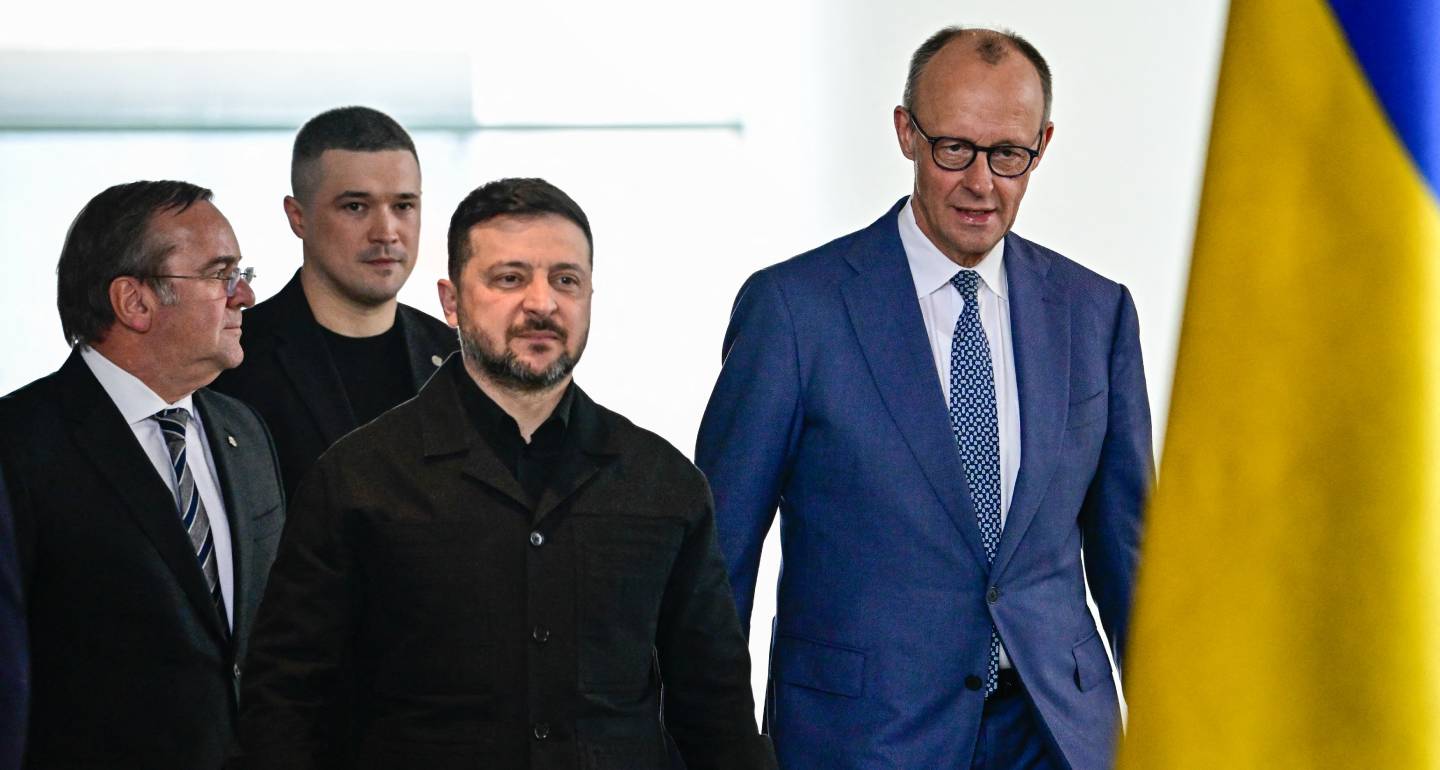
The greater threat to Zelensky comes not from Fedorov alone, but from the convergence between the former defense minister’s political campaign and the anti-corruption investigations moving ever closer to the presidential administration.

Balázs Jarábik
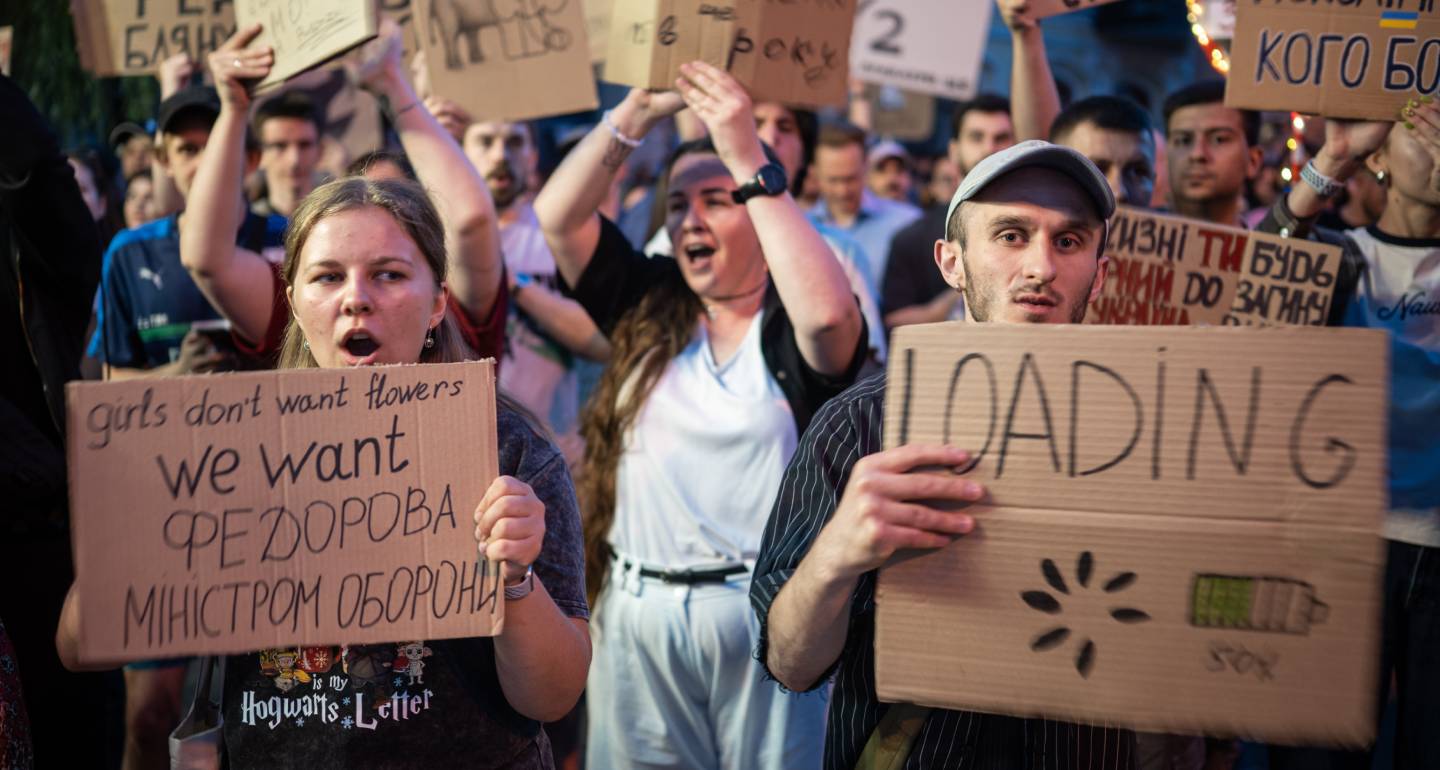
With his public call for new elections in Ukraine, ex-defense minister Mykhailo Fedorov has opened Pandora’s box.

Konstantin Skorkin

In the discussions made possible by the State Duma election campaign, one question is being asked more and more loudly. “What next?”

Andrey Pertsev