

In The Media
Minxin Pei
{
  "authors": [
    "Minxin Pei"
  ],
  "type": "legacyinthemedia",
  "centerAffiliationAll": "dc",
  "centers": [
    "Carnegie Endowment for International Peace"
  ],
  "collections": [],
  "englishNewsletterAll": "asia",
  "nonEnglishNewsletterAll": "",
  "primaryCenter": "Carnegie Endowment for International Peace",
  "programAffiliation": "AP",
  "programs": [
    "Asia"
  ],
  "projects": [],
  "regions": [
    "China"
  ],
  "topics": [
    "Military"
  ]
}
Source: Getty
The Olympic Games boosted the Chinese Communist Party's popularity among its citizen, the vast majority of whom are proud of their country and the spectacular performance of their athletes. However, the Games won't lead to dramatic change in China's political future; they strengthened the party's rule, leaving it under less pressure to reform.
Source: The Washington Post

What the Olympics won't do is dramatically change China's political future. The Games strengthened the party's rule, leaving it under less pressure to reform. Beyond China's A+ athletic performance, here's my balance sheet.
-- Minxin Pei,
Carnegie Endowment for International Peace
Organization: A
The logistics and venues received high marks from athletes and visitors. But who will enjoy them now that the Olympians have left town? The average worker? Doubtful.
Security: A
Except for the fatal stabbing of an American at the outset of the Games, they were free of major security incidents.
Pollution: B-
Beijing's air quality, while not pristine, was dramatically better during the Games, thanks to draconian anti-pollution measures and favorable weather patterns. But what happens when they turn the factories back on?
Fun: C+
Tight security greatly dampened the festive atmosphere. Authoritarians don't have more fun. Really.
Western Coverage: C-
Western reporters and columnists dwelled excessively on hot-button issues, such as human rights and press freedom, and offered a lot of blather about a clash between two systems. So very Cold War.
Freedom of Assembly: F
Although the Chinese government set up three special "protest zones," it denied all 77 applications for protest. Fifty-eight foreign protesters were arrested and deported. Two Chinese grandmothers were also threatened with one year in a labor camp. How's that for "One World, One Dream"?
This piece originally appeared in The Washington Post's Outlook section.
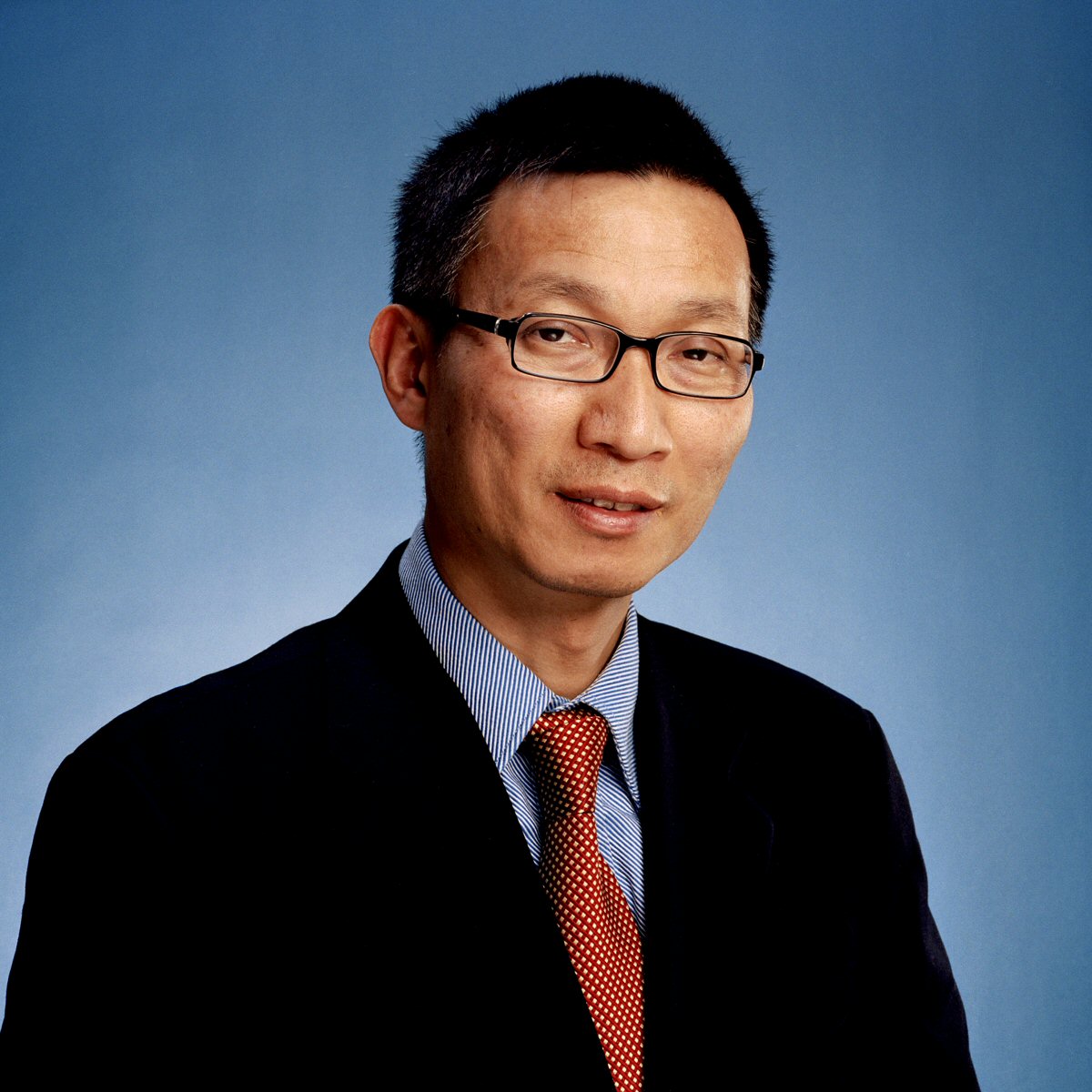
Former Adjunct Senior Associate, Asia Program
Pei is Tom and Margot Pritzker ‘72 Professor of Government and the director of the Keck Center for International and Strategic Studies at Claremont McKenna College.
Recent Work
Minxin Pei
Minxin Pei
Reestablishing a dialogue with Moscow is not a goal in its own right. The goal is to guarantee the independence of Ukraine and the peace and security of Europe.
Arkady Moshes
By reminding the world that Lukashenko is a threat to NATO and Ukraine, Kyiv is trying to return the focus to why the Belarusian regime needs to be contained rather than rewarded.

Artyom Shraibman
With no key agreement signed on the Power of Siberia 2 gas pipeline, there is a risk that the window of opportunity for Russia will close if Chinese power generation becomes so green that new gas sources are no longer of any interest to Beijing.

Alexander Gabuev

Baku’s backing for Ukraine is less about confronting Russia than about quietly broadening the mix of partners it relies on.

Zaur Shiriyev
For the Middle Corridor to fulfill its promises, one of these routes must become scalable. At present, neither is.

Friedrich Conradi