

In The Media
Josh Kurlantzick
{
  "authors": [
    "Josh Kurlantzick"
  ],
  "type": "legacyinthemedia",
  "centerAffiliationAll": "dc",
  "centers": [
    "Carnegie Endowment for International Peace"
  ],
  "collections": [],
  "englishNewsletterAll": "asia",
  "nonEnglishNewsletterAll": "",
  "primaryCenter": "Carnegie Endowment for International Peace",
  "programAffiliation": "AP",
  "programs": [
    "Asia",
    "Russia and Eurasia",
    "South Asia"
  ],
  "projects": [],
  "regions": [
    "North America",
    "United States",
    "South Asia",
    "China",
    "Southeast Asia"
  ],
  "topics": [
    "Political Reform",
    "Democracy",
    "Economy",
    "Foreign Policy"
  ]
}
Source: Getty
Asia once was regarded as the vanguard of a global wave of democratization that, over the past three decades, has swept through southern Europe, Latin America, and Africa as well. In recent years, however, Asia has witnessed a democracy backlash.
Source: Current History

Normally, the city’s politics mirrors its daily life. For years, university students allied with either of the two major parties have led boisterous rallies and street protests at election time, demonstrations often so fevered that they descend into violence. Vendors sell huge numbers of vernacular and English-language newspapers, which offer tens of thousands of words of political coverage.
But over the past two years, Dhaka—or at least its politics—has quieted considerably. In January 2007, a caretaker government preparing for a new Bangladeshi election stepped down, probably because of pressure from the military, and the army soon asserted itself even more. Working only barely behind the scenes, it organized a new government, declared a state of emergency, and soon detained thousands of political activists, putatively as part of a campaign to eliminate graft from politics. After promises to hold a new election, the military and its caretaker regime scheduled voting for the late date of December 2008.
Click here to read the rest of the essay.

Former Visiting Scholar, China Program
A special correspondent for The New Republic, a columnist for Time, and a senior correspondent for The American Prospect, Kurlantzick assesses China’s relationship with the developing world, including Southeast Asia, Africa, and Latin America.
Recent Work
Josh Kurlantzick
Carnegie does not take institutional positions on public policy issues; the views represented herein are those of the author(s) and do not necessarily reflect the views of Carnegie, its staff, or its trustees.

Despite unhappiness on the ground, Moscow is determined to use both carrot and stick to ensure there is record support for United Russia in occupied Ukraine.

Konstantin Skorkin

Whether PAS can refocus on the unfinished business of state-building may ultimately prove more consequential for Moldova’s European future than the pace of its accession negotiations.

Balázs Jarábik
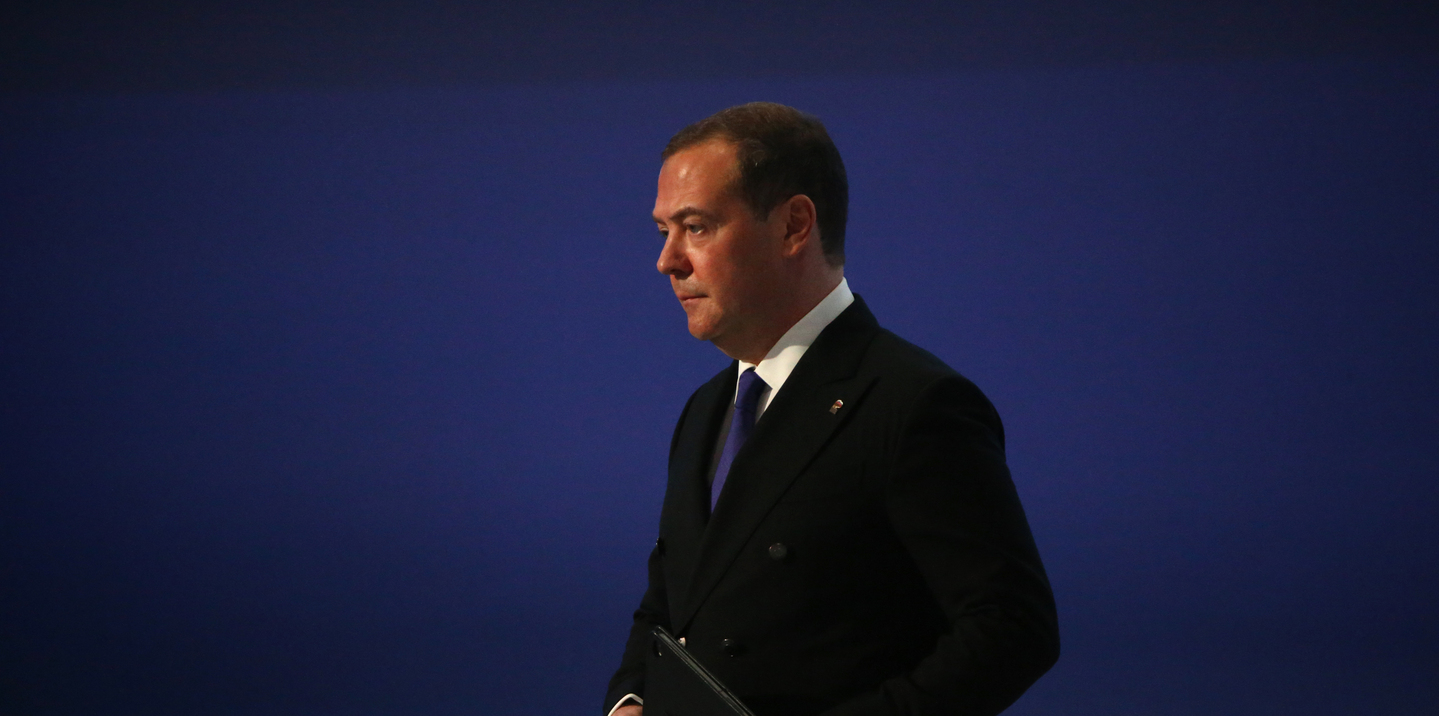
Medvedev’s defeat in the battle for the position of speaker appears to signal that the long process of his marginalization in Russian politics has passed the point of no return.

Andrey Pertsev
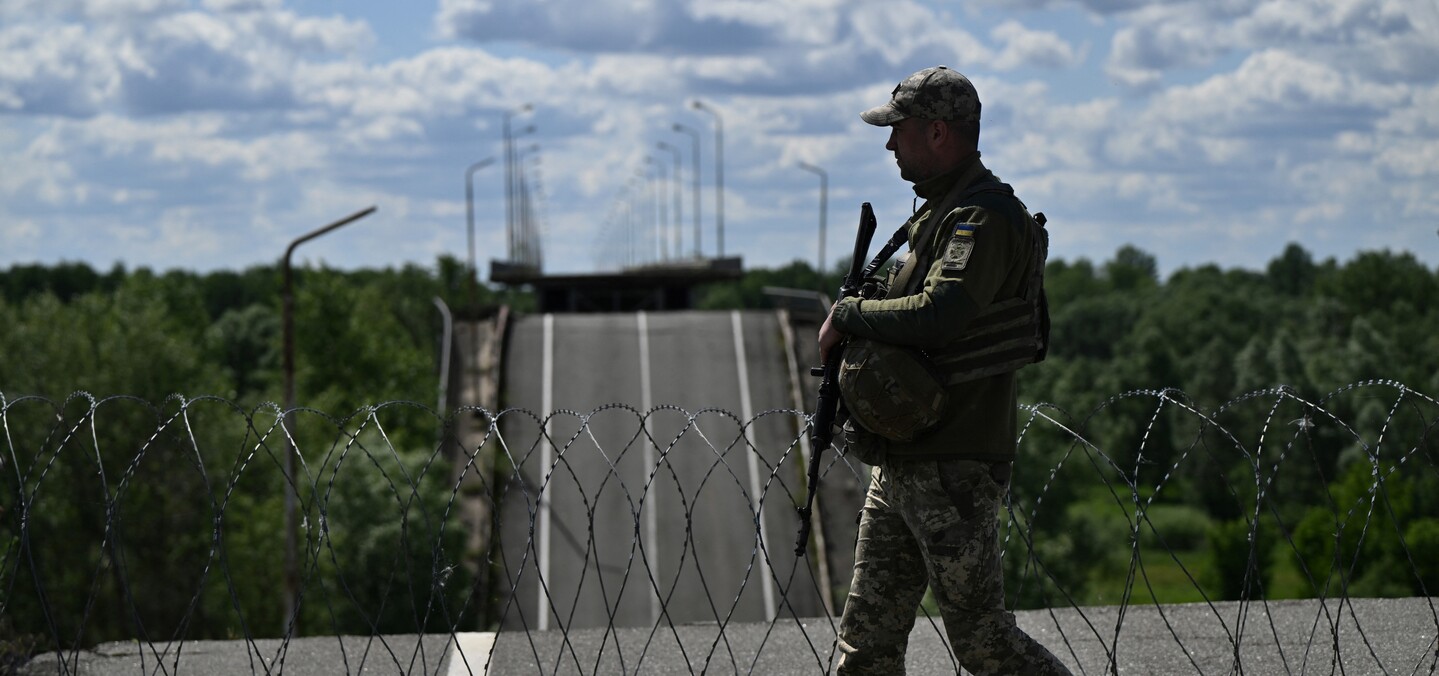
The recent damage inflicted by Ukrainian drones and missiles on Russia has made Belarus aware of its own vulnerabilities—and surprisingly amenable to Kyiv’s demands.

Artyom Shraibman
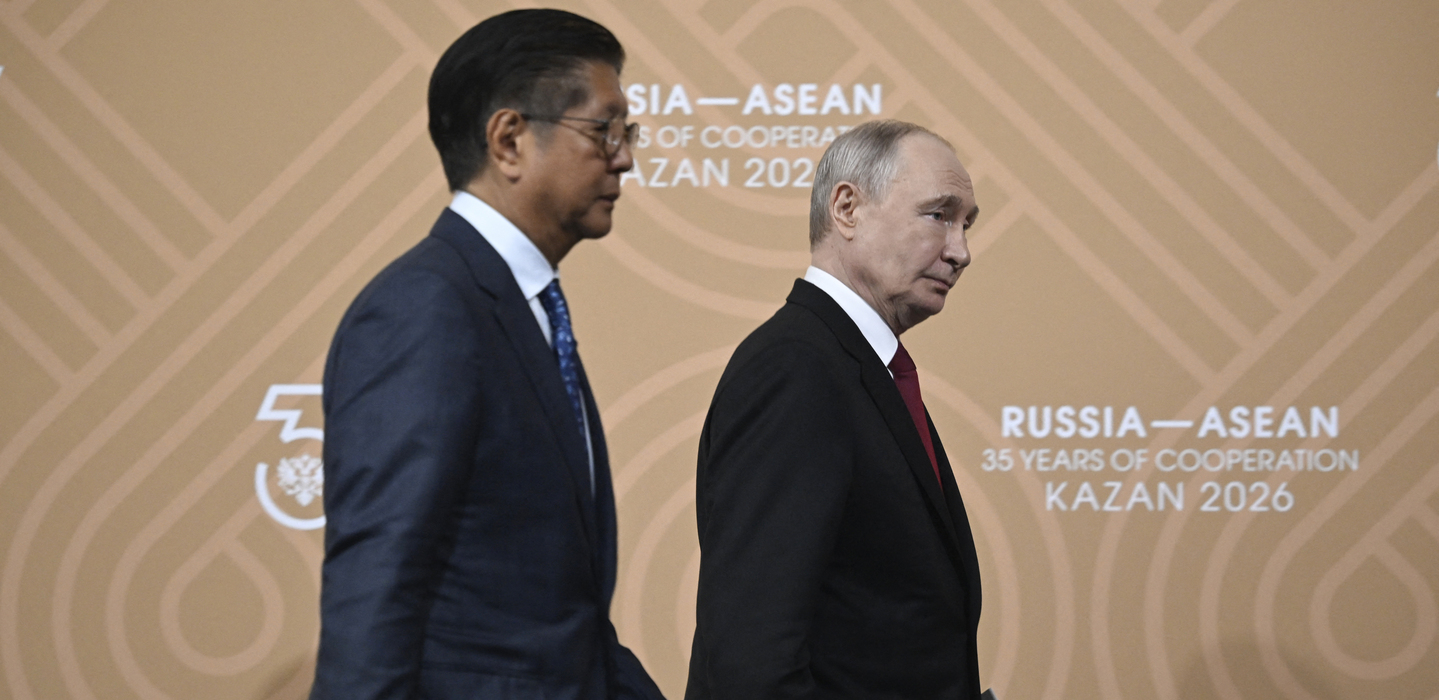
Russia looks set to reap economic benefits from closer ties with Southeast Asian countries that are keen to find reliable energy suppliers and diversify trade ties.

Alexander Gabuev