

In The Media
Minxin Pei
{
  "authors": [
    "Minxin Pei"
  ],
  "type": "legacyinthemedia",
  "centerAffiliationAll": "dc",
  "centers": [
    "Carnegie Endowment for International Peace",
    "Carnegie China"
  ],
  "collections": [],
  "englishNewsletterAll": "asia",
  "nonEnglishNewsletterAll": "",
  "primaryCenter": "Carnegie China",
  "programAffiliation": "AP",
  "programs": [
    "Asia"
  ],
  "projects": [],
  "regions": [
    "East Asia",
    "China"
  ],
  "topics": [
    "Political Reform",
    "Domestic Politics",
    "Economy"
  ]
}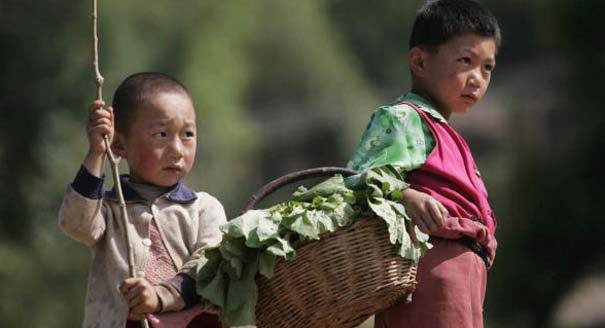
Source: Getty
A more effective approach to staving off potential unrest in China's urban areas would be to increase investment, not in more hardware but in human capital. For jobless migrant laborers, the government should set up free continuing education programs.
Source: Financial Times

Based on government data and expert estimates, 10m migrant labourers lost their jobs last year. In addition, 1.5m of the 5.6m university graduates in 2008 have not been able to find jobs. If anything, the employment situation is likely to deteriorate in 2009. Economic growth will slow further because of the decline in exports and the bursting of the real estate bubble.
For good reason, the Chinese government has candidly admitted that the rising unemployment of migrant labourers and graduates poses the most direct threat to social stability. To be sure, an unemployment crisis struck China a decade ago in the aftermath of the east Asian financial crisis. The government was forced to cut roughly 40m jobs in state-owned enterprises to stop the financial haemorrhaging of the banking system, which had been used to prop up unprofitable SOEs. Despite large-scale labour unrest, concentrated in the north-east, China managed to weather the storm.
This time, however, high unemployment of migrant labourers and university graduates could pose a more deadly threat to social stability. Based on surveys by Chinese sociologists, only about half of the jobless migrant labourers have returned to their native villages, leaving roughly 5m unemployed, mainly young, migrants in urban areas (the number is expected to rise significantly this year). Chinese graduates, most of them the only child of their family, are among relatively privileged members of Chinese society. Unlike the proletariat in moribund SOEs, Chinese graduates harbour powerful individual ambitions, possess strong organisational skills and have a tradition of challenging government authorities.
Worse still, both unemployed migrant labourers and graduates will be concentrated in urban areas throughout China. Although the countryside has traditionally been more volatile and less governable, Beijing is far more concerned with stability in the cities, where the economic and political centres of gravity are located. So the combination of millions of low-status jobless migrant labourers and unemployed graduates could form a highly combustible mix.
Unfortunately, Beijing’s Rmb4,000bn (€430bn) stimulus package is excessively focused on investment in infrastructure. Roughly three-quarters of the spending is slated to go into railways, roads and other capital-intensive projects. While infrastructure spending can help absorb some of China’s overcapacity in heavy industries (especially steel), it will have a negligible impact on generating employment for jobless migrant labourers and graduates.
A more effective approach to staving off potential unrest in urban areas would be to increase investment, not in more hardware, but in human capital. For example, China should create its own “Teach for China Corp” (modelled after the successful Teach for America Corp) and hire hundreds of thousands of new university graduates as teachers in rural areas, which have a severe shortage of qualified teachers. If a graduate in this programme were paid Rmb3,000 a month for a two-year contract, a decent salary in urban areas, Beijing would spend Rmb18bn a year to hire 500,000 for this innovative programme, which would help improve the quality of rural education.
For jobless migrant labourers, the government should set up free continuing education programmes. Most of the migrant labourers have no more than a middle-school education. Participants would receive monthly stipends as incentives. Graduates could be hired to staff these programmes. The costs of these programmes for migrants would be manageable. If each were paid Rmb1,500 a month (roughly China’s per capita income), enrolling 2m would cost Rmb36bn a year in stipend costs, in addition to the costs of faculty salary and facilities, which local governments should be asked to cover.
If implemented, these two “human capital investment” programmes would absorb 2.5m migrant labourers and new graduates, with the job creation effect equal to 2.5 per cent of gross domestic product growth. This would be money well spent. By investing in people, China would not only increase its human capital, but also secure social peace in hard times.
Former Adjunct Senior Associate, Asia Program
Pei is Tom and Margot Pritzker ‘72 Professor of Government and the director of the Keck Center for International and Strategic Studies at Claremont McKenna College.
Recent Work
Minxin Pei
Minxin Pei
Carnegie does not take institutional positions on public policy issues; the views represented herein are those of the author(s) and do not necessarily reflect the views of Carnegie, its staff, or its trustees.
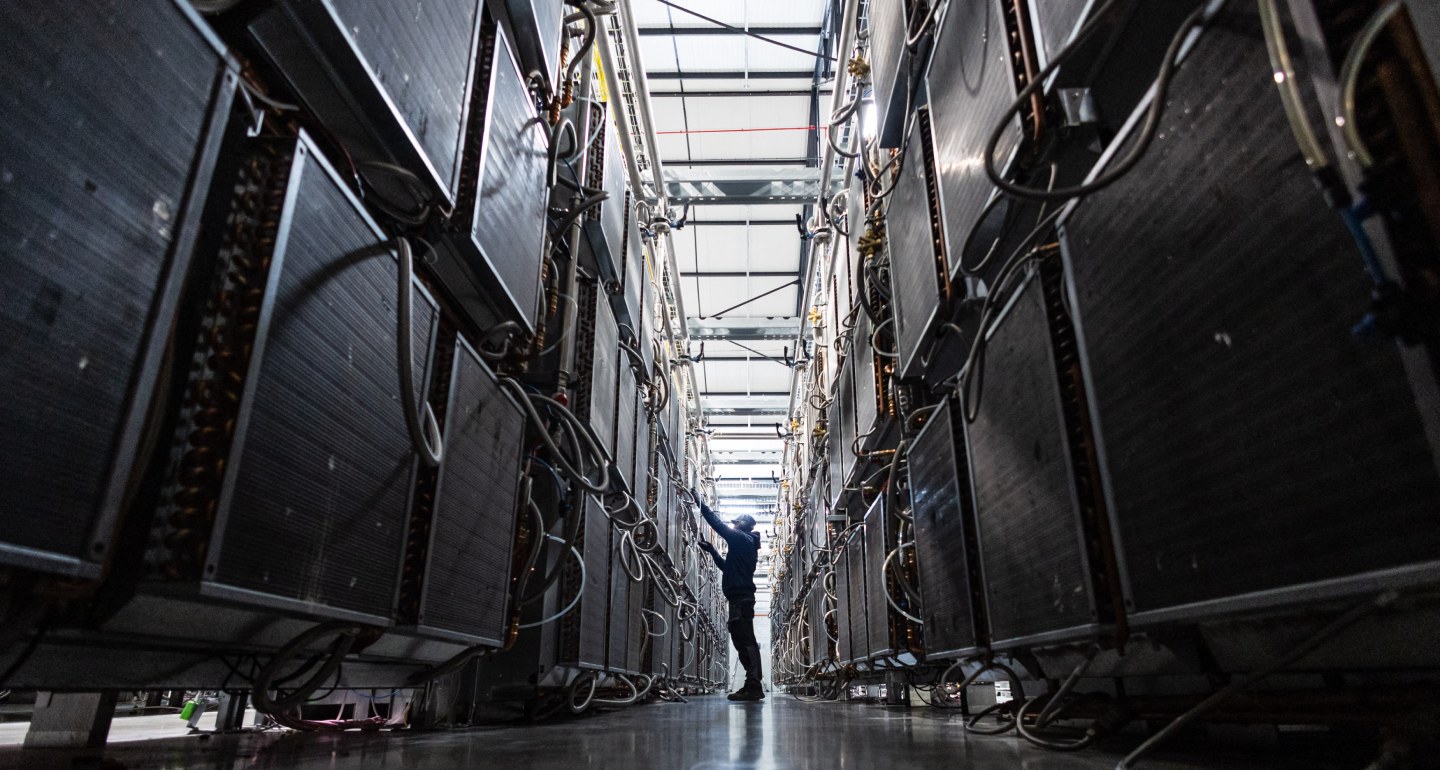
Russia spent years building a “sovereign internet,” concentrating web infrastructure exclusively within Russian territory. Ukrainian drone attacks have shown how vulnerable that approach has left the Russian internet.

Maria Kolomychenko

Putin’s conservative staffing policies and search for ever greater control have cemented parliament’s transformation into a bureaucratic appendage of the executive branch.

Andrey Pertsev

Russian strikes are weakening the economy sustaining Ukraine’s war effort. Closing the growing funding gap will require more European support and politically contentious reforms in Kyiv.

Balázs Jarábik

Ex-president Gurbanguly Berdimuhamedov remains interested in politics, but his son Serdar, Turkmenistan’s current president, is becoming increasingly independent and willing to break with his father’s legacy. If their covert rivalry goes too far, both risk losing power.

Galiya Ibragimova

For every ruble allocated to social policy, health, and education in 2027, double that amount is earmarked for the army, the police, and the security services.

Alexandra Prokopenko