

In The Media
Minxin Pei
{
  "authors": [
    "Minxin Pei"
  ],
  "type": "legacyinthemedia",
  "centerAffiliationAll": "dc",
  "centers": [
    "Carnegie Endowment for International Peace"
  ],
  "collections": [],
  "englishNewsletterAll": "asia",
  "nonEnglishNewsletterAll": "",
  "primaryCenter": "Carnegie Endowment for International Peace",
  "programAffiliation": "AP",
  "programs": [
    "Asia"
  ],
  "projects": [],
  "regions": [
    "North America",
    "United States",
    "East Asia",
    "China"
  ],
  "topics": [
    "Political Reform",
    "Economy",
    "Climate Change",
    "Foreign Policy"
  ]
}
Source: Getty
With Chinese economic growth rates decelerating beyond even the most pessimistic predictions and a leadership succession in three or four years, the CCP is more concerned about quelling internal unrest than engaging with the United States on pressing global issues.
Source: CNN's GPS

Pei cautioned against growing protectionist sentiment in the United States. Noting that 50% of Chinese exports are manufactured by American companies and other multinationals, he explained that erecting barriers against those exports would ultimately harm the American economy.
He also observed that the global financial crisis has rattled the Chinese Communist Party (CCP), especially since growth in China has decelerated beyond even the most pessimistic predictions. With a leadership succession coming up in three or four years, Pei suspects that the CCP is more concerned about quelling internal unrest than on engaging with the United States on pressing issues. Nonetheless, he said that one potential substantive outcome of the talks could be a Sino-American climate change agreement.
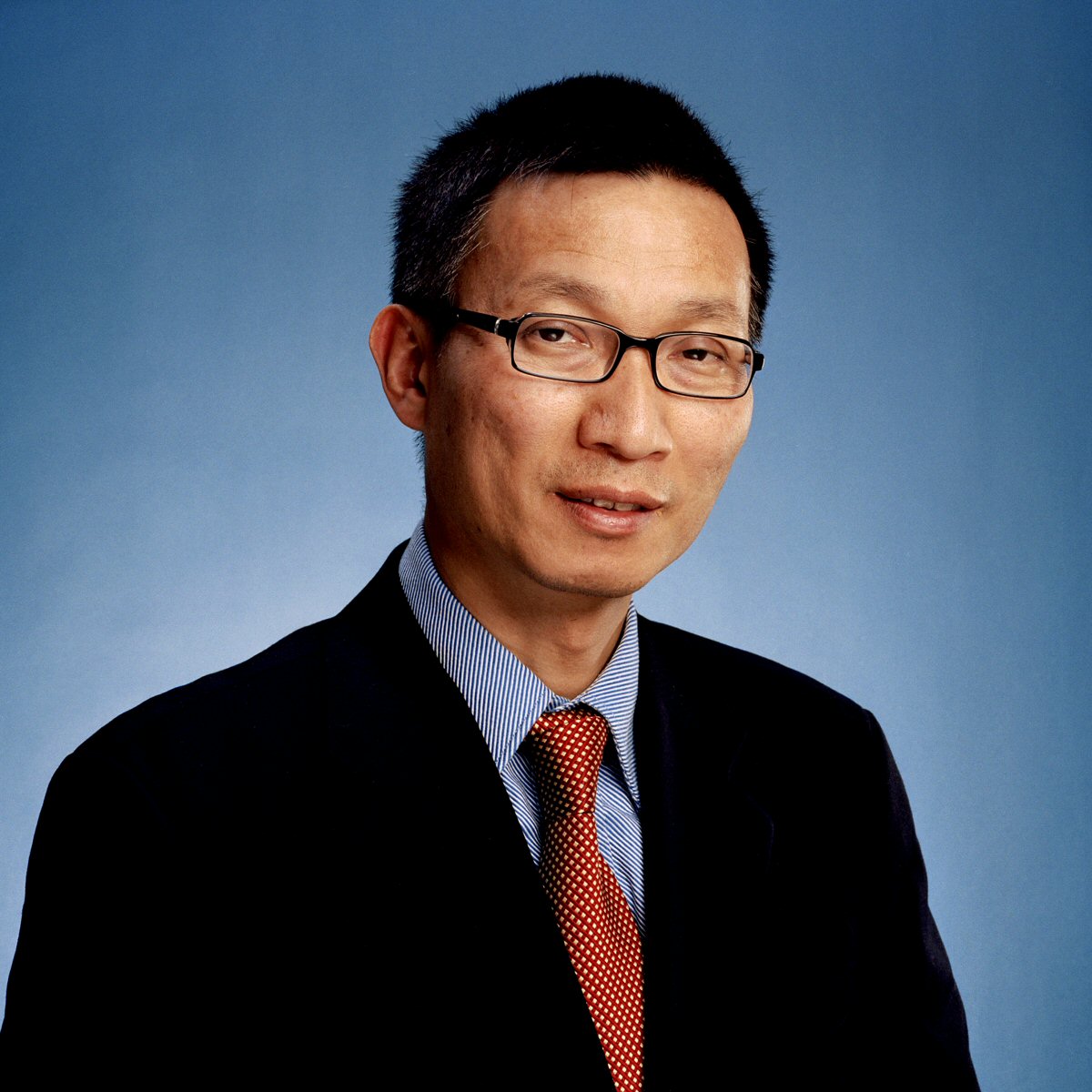
Former Adjunct Senior Associate, Asia Program
Pei is Tom and Margot Pritzker ‘72 Professor of Government and the director of the Keck Center for International and Strategic Studies at Claremont McKenna College.
Recent Work
Minxin Pei
Minxin Pei
Carnegie does not take institutional positions on public policy issues; the views represented herein are those of the author(s) and do not necessarily reflect the views of Carnegie, its staff, or its trustees.

In the tenth year of his presidency, President Mirziyoyev’s system is becoming even more personalized than that of his predecessor Karimov.

Galiya Ibragimova

With the growth in points of friction between the great powers, organizations like the SCO will continue to play a role in the strategic adaptation of the smaller powers caught between them.

Temur Umarov

The greater threat to Zelensky comes not from Fedorov alone, but from the convergence between the former defense minister’s political campaign and the anti-corruption investigations moving ever closer to the presidential administration.

Balázs Jarábik
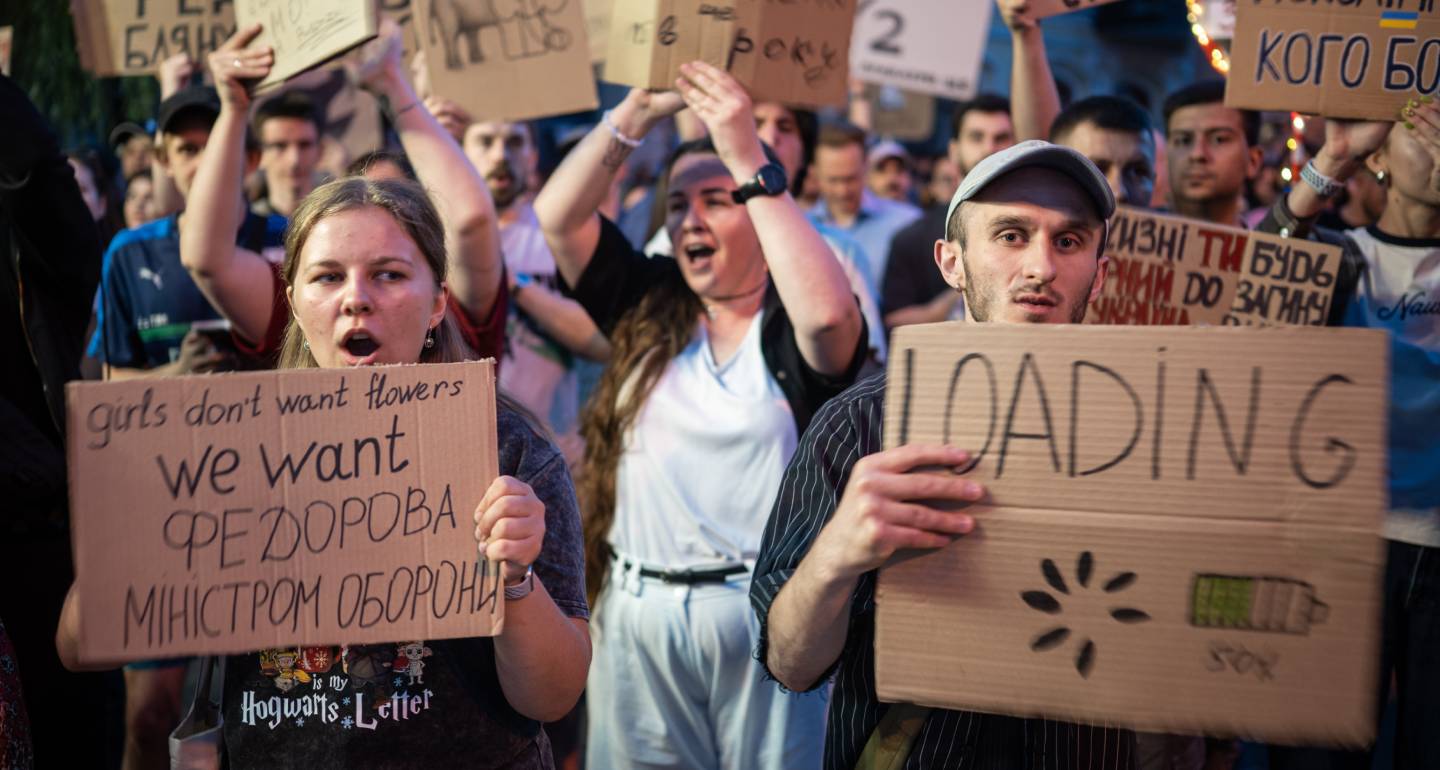
With his public call for new elections in Ukraine, ex-defense minister Mykhailo Fedorov has opened Pandora’s box.

Konstantin Skorkin

In the discussions made possible by the State Duma election campaign, one question is being asked more and more loudly. “What next?”

Andrey Pertsev