

Commentary
If the regime in Tehran survives, it could be obliged to hand Moscow significant political influence in exchange for supplies of weapons and humanitarian aid.
Nikita Smagin
{
  "authors": [],
  "type": "pressRelease",
  "centerAffiliationAll": "dc",
  "centers": [
    "Carnegie Endowment for International Peace"
  ],
  "collections": [],
  "englishNewsletterAll": "menaTransitions",
  "nonEnglishNewsletterAll": "",
  "primaryCenter": "Carnegie Endowment for International Peace",
  "programAffiliation": "MEP",
  "programs": [
    "Middle East"
  ],
  "projects": [],
  "regions": [
    "North America",
    "United States",
    "Middle East",
    "Israel",
    "Iraq",
    "Palestine"
  ],
  "topics": [
    "Political Reform",
    "Foreign Policy"
  ]
}
REQUIRED IMAGE
Arabs expect the Obama administration to focus immediately on the Palestinian issue, using its influence with Israel to halt settlement activity and acting as an honest broker in peace negotiations.
BEIRUT, Feb 12—Arabs expect the Obama administration to focus immediately on the Palestinian issue, using its influence with Israel to halt settlement activity and acting as an honest broker in peace negotiations, according to a series of commentaries by leading Arab analysts and writers commissioned by the Carnegie Middle East Center.
The widespread belief that the United States is an ally of regional dictators and an unquestioning supporter of Israel colors Arab perceptions of every American move in the region. The writers argue that pressuring Israel to fulfill its commitments vis-à-vis the Palestinians is the only way to rebuild U.S.–Arab relations and rehabilitate the United States’ image in the Middle East.
Key points:
Gamal al-Ghitany, Khaled al-Hroub, Salah ad-Din al-Jourchi, and Mustapha al-Khalfi—prominent journalists, academics, and activists—contributed their reactions to Barack Obama’s victory.
Carnegie’s Amr Hamzawy and Marina Ottaway, who compiled the commentaries, conclude:
“Obama’s election was a public diplomacy triumph for the United States, the first real success the United States has won in the Arab world in a long time, and probably the most important one since President Eisenhower backed Egypt’s efforts to regain control of the Suez Canal in 1956. Yet the success could prove short-lived: Arabs were reacting to concrete change, not to words, and are likely to revert to the old hostility unless Obama’s words are backed by concrete changes in U.S. Middle East policies.”
###
NOTES
Carnegie does not take institutional positions on public policy issues; the views represented herein are those of the author(s) and do not necessarily reflect the views of Carnegie, its staff, or its trustees.
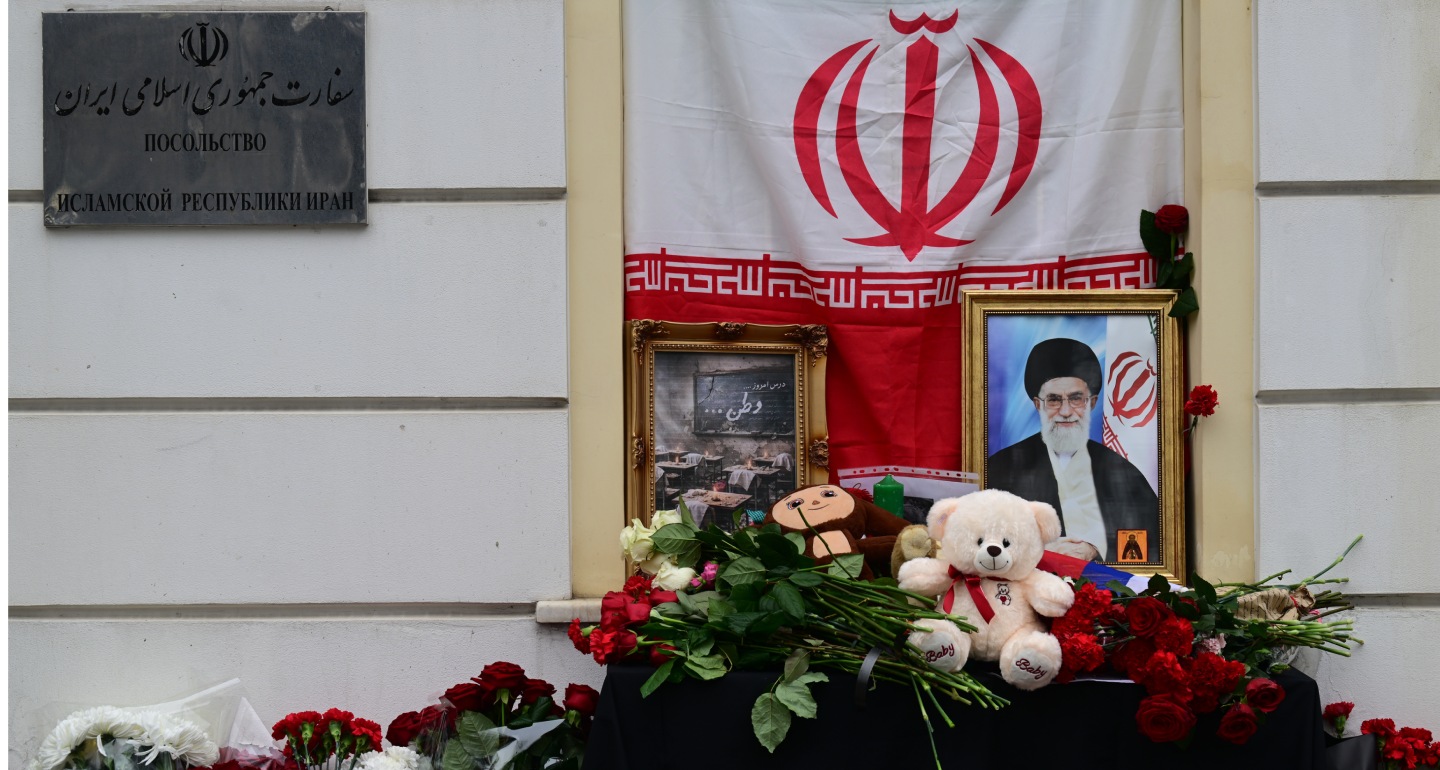
If the regime in Tehran survives, it could be obliged to hand Moscow significant political influence in exchange for supplies of weapons and humanitarian aid.

Nikita Smagin
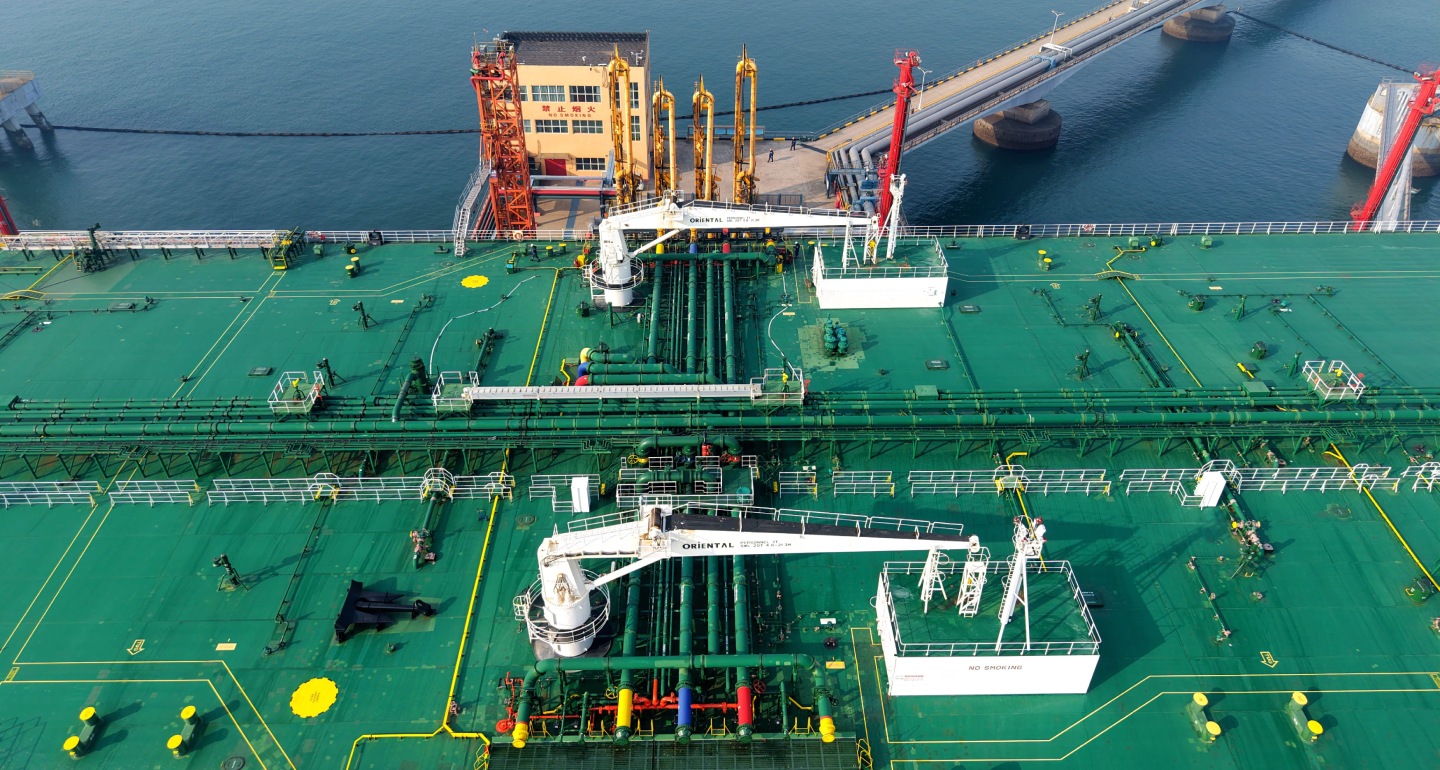
The interventions in Iran and Venezuela are in keeping with Trump’s strategy of containing China, but also strengthen Russia’s position.

Mikhail Korostikov
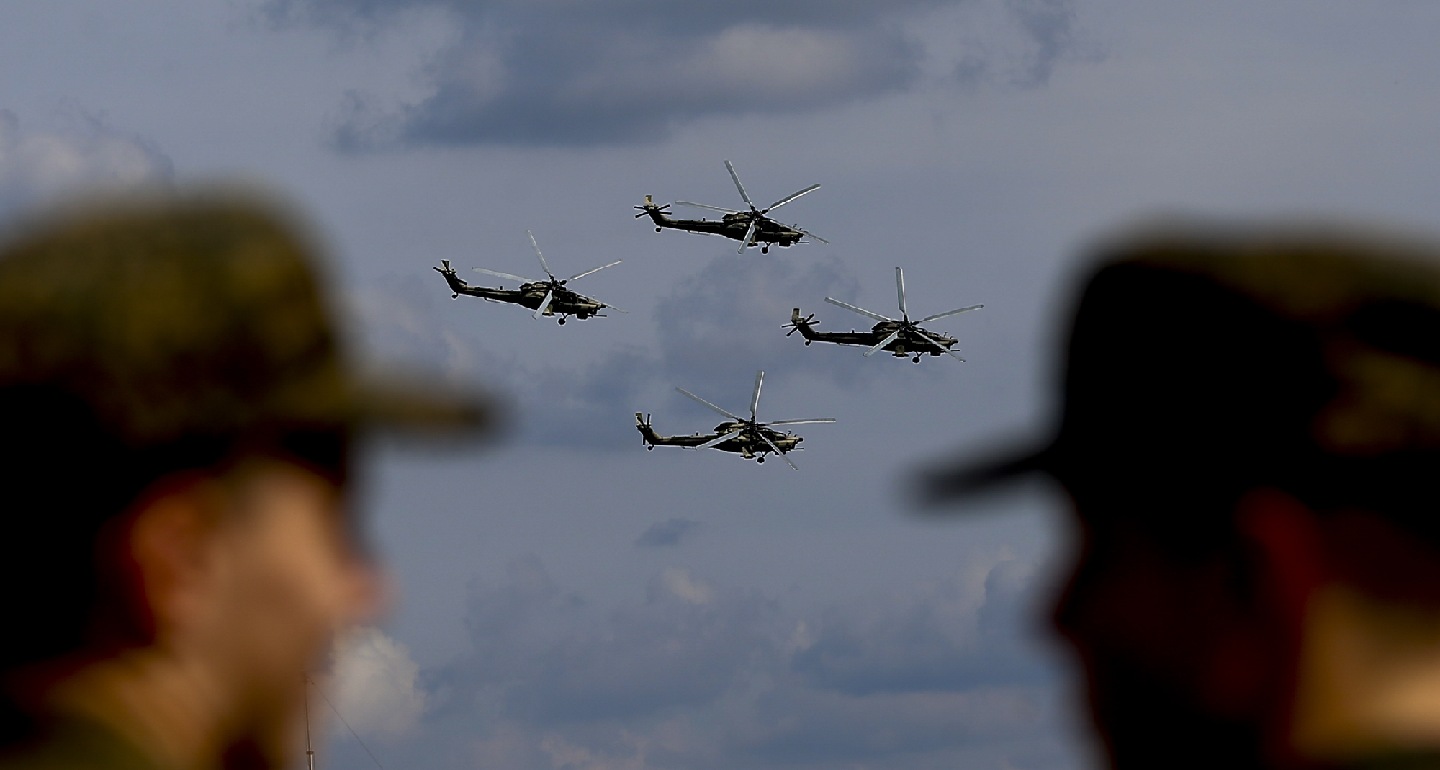
Arms supplies from Russia to Iran will not only continue, but could grow significantly if Russia gets the opportunity.
Nikita Smagin
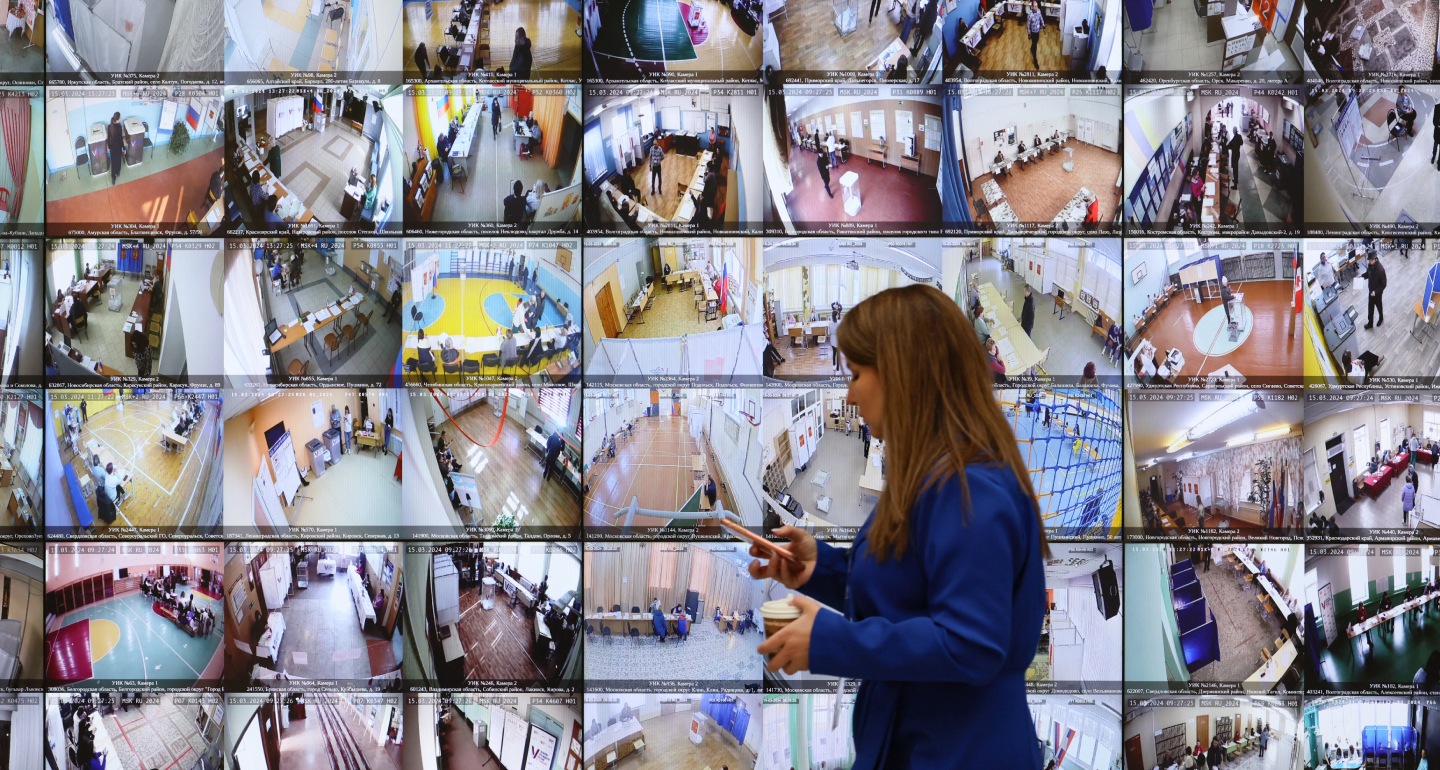
The use of technology to mobilize Russians to vote—a system tied to the relative material well-being of the electorate, its high dependence on the state, and a far-reaching system of digital control—is breaking down.

Andrey Pertsev
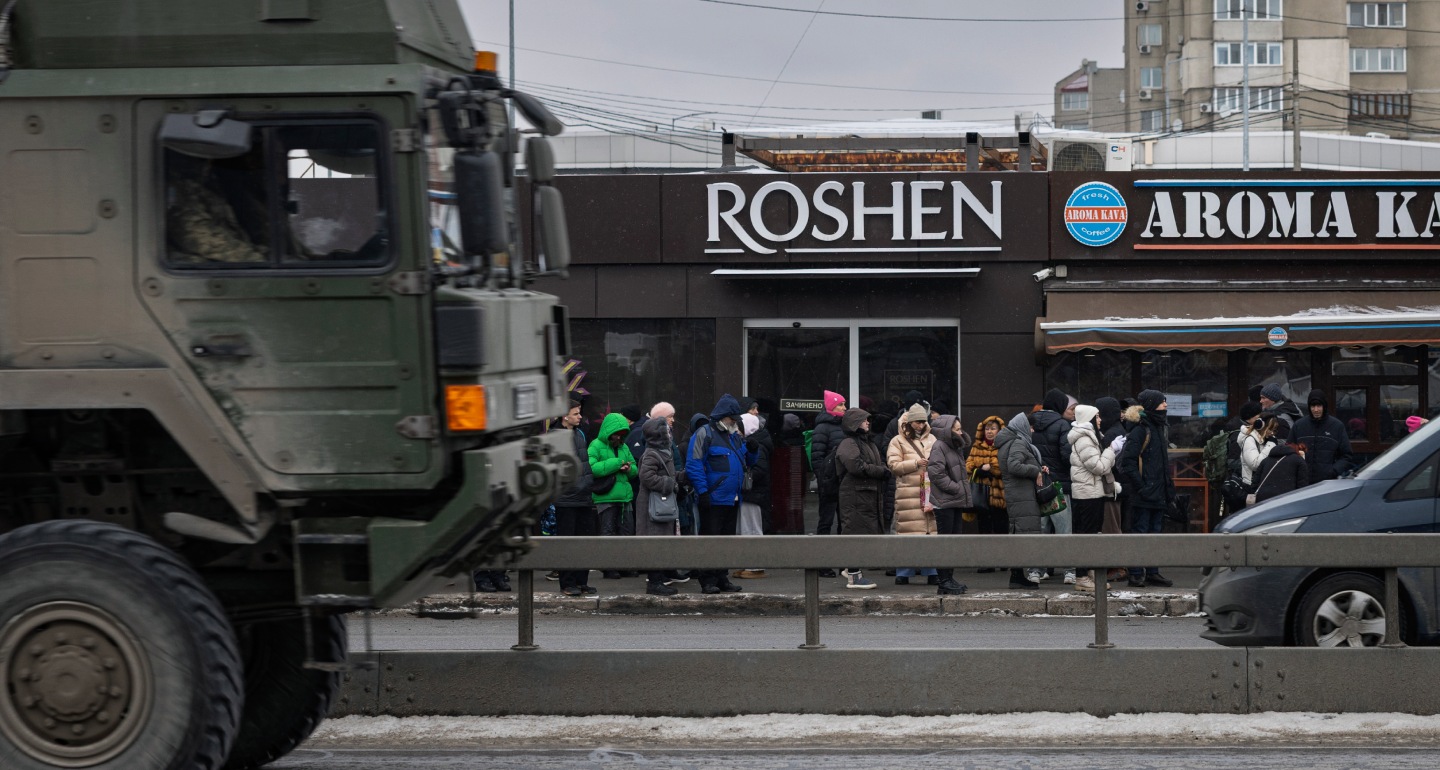
Putin is stalling, waiting for a breakthrough on the front lines or a grand bargain in which Trump will give him something more than Ukraine in exchange for concessions on Ukraine. And if that doesn’t happen, the conflict could be expanded beyond Ukraine.

Alexander Baunov