

Commentary
Fabrice Pothier
{
  "authors": [
    "Fabrice Pothier"
  ],
  "type": "legacyinthemedia",
  "centerAffiliationAll": "",
  "centers": [
    "Carnegie Endowment for International Peace",
    "Carnegie Europe"
  ],
  "collections": [],
  "englishNewsletterAll": "",
  "nonEnglishNewsletterAll": "",
  "primaryCenter": "Carnegie Europe",
  "programAffiliation": "",
  "programs": [],
  "projects": [],
  "regions": [
    "Asia",
    "Europe",
    "South Asia",
    "Afghanistan",
    "Western Europe"
  ],
  "topics": [
    "Foreign Policy",
    "Economy",
    "Security"
  ]
}
Source: Getty
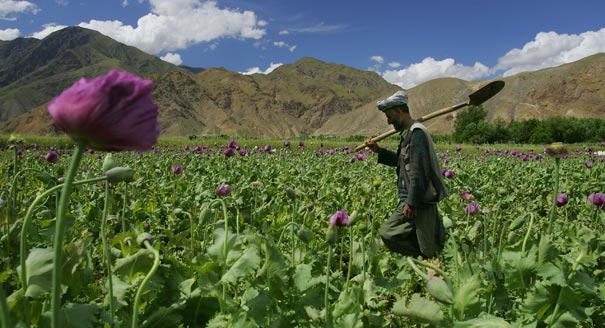
Fabrice Pothier explains the scale of the the opium problem in Afghanistan and argues for a decoupling of counter-insurgency and counter-narcotics operations.
Opium poses an existential threat to Afghanistan’s reconstruction: it feeds a systemic corruption and undermines governance, provides fresh funds to insurgents and criminal groups, and locks entire sections of the rural population in poverty. But to effectively tackle a problem of this scale, a counter-narcotics strategy requires functional institutions, relative government control, and a coherent reconstruction strategy. Today Afghanistan meets none of those conditions. Yet the opium problem is not going to go away without any sustained policy pressure. This is the close-to-impossible drugs policy dilemma that the international community and the Afghan people face.
This article originally appeared in LSE IDEAS Strategic Update. To read the article in full, please click here.
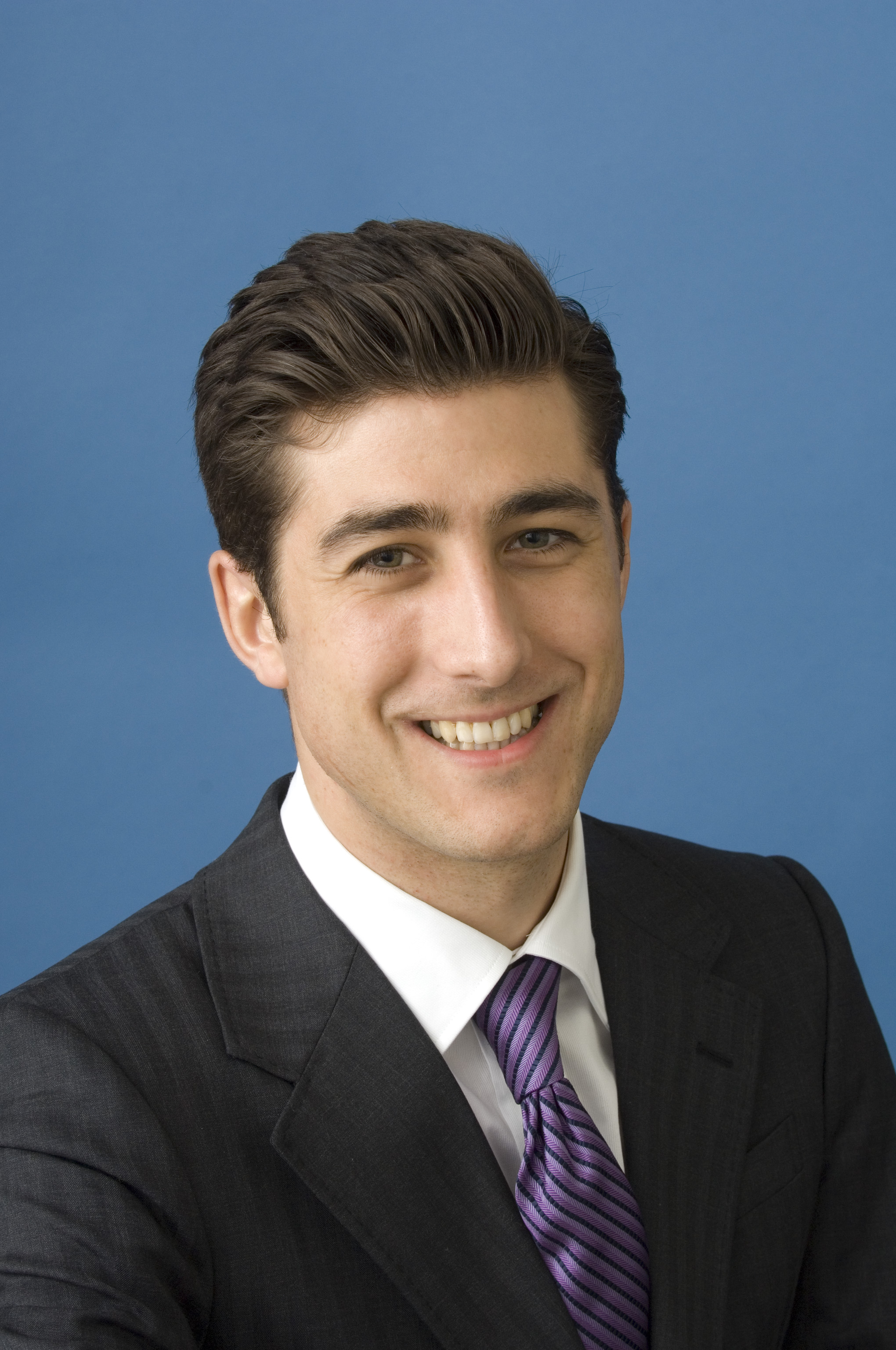
Former Director, Carnegie Europe
Pothier, director of Carnegie Europe, is a noted commentator on European policy in Afghanistan and Pakistan, transatlantic issues, and global drug policy.
Recent Work
Fabrice Pothier
Fabrice Pothier
Carnegie does not take institutional positions on public policy issues; the views represented herein are those of the author(s) and do not necessarily reflect the views of Carnegie, its staff, or its trustees.

Two divergent trends—Putin’s hardline vision of how to prosecute the war in Ukraine, and a growing desire for change in Russia—could tear the regime apart.

Tatiana Stanovaya
Andrey Melnichenko’s essay offers no answer to the fundamental question of how, under any kind of negotiated settlement, Europe can protect itself from the Russian ressentiment that is inevitable in all scenarios except for an outright victory for Putin.

Leonid Bershidsky

Despite unhappiness on the ground, Moscow is determined to use both carrot and stick to ensure there is record support for United Russia in occupied Ukraine.

Konstantin Skorkin

Whether PAS can refocus on the unfinished business of state-building may ultimately prove more consequential for Moldova’s European future than the pace of its accession negotiations.

Balázs Jarábik
The recent damage inflicted by Ukrainian drones and missiles on Russia has made Belarus aware of its own vulnerabilities—and surprisingly amenable to Kyiv’s demands.

Artyom Shraibman