

Commentary
Russia looks set to reap economic benefits from closer ties with Southeast Asian countries that are keen to find reliable energy suppliers and diversify trade ties.
Alexander Gabuev
{
  "authors": [],
  "type": "legacyinthemedia",
  "centerAffiliationAll": "",
  "centers": [
    "Carnegie Endowment for International Peace"
  ],
  "collections": [],
  "englishNewsletterAll": "",
  "nonEnglishNewsletterAll": "",
  "primaryCenter": "Carnegie Endowment for International Peace",
  "programAffiliation": "",
  "programs": [],
  "projects": [],
  "regions": [
    "North America",
    "United States",
    "North Africa",
    "Sudan"
  ],
  "topics": [
    "Foreign Policy"
  ]
}
Source: Getty
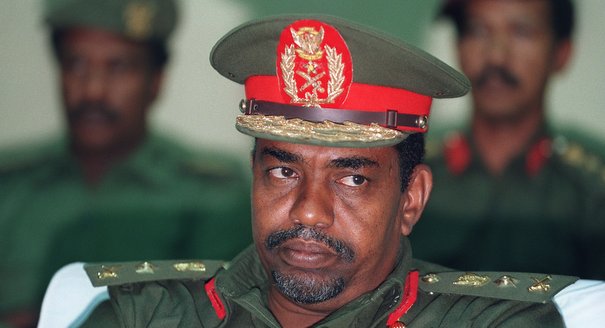
Darfur is being pushed perilously close to the edge by the Sudanese government. President Obama's biggest test in Africa will not be pirates, but Omar al-Bashir, the first sitting president with a warrant for his arrest.
Source: U.S. News & World Report

While Obama may have handled the high seas showdown, his most dangerous foe in Africa isn't a rag-tag group of teenagers with AK-47s and speedboats. No, that adversary is Sudan's Omar al-Bashir, the world's first sitting president with a warrant for his arrest.
Darfur, the war-torn western region of Sudan, is being pushed perilously close to the edge by the Sudanese government. The biggest test for Obama's foreign policy in Africa will not be pirates; it will be Bashir.
Carnegie does not take institutional positions on public policy issues; the views represented herein are those of the author(s) and do not necessarily reflect the views of Carnegie, its staff, or its trustees.
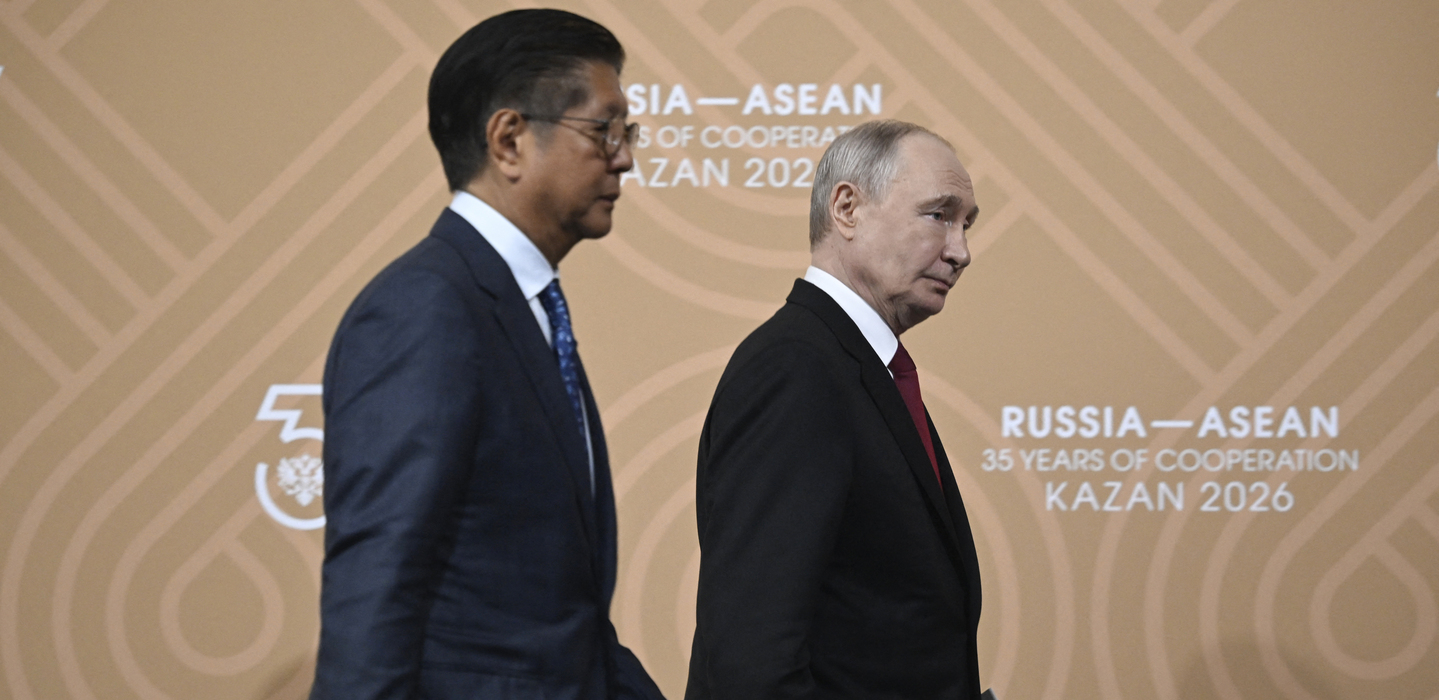
Russia looks set to reap economic benefits from closer ties with Southeast Asian countries that are keen to find reliable energy suppliers and diversify trade ties.

Alexander Gabuev
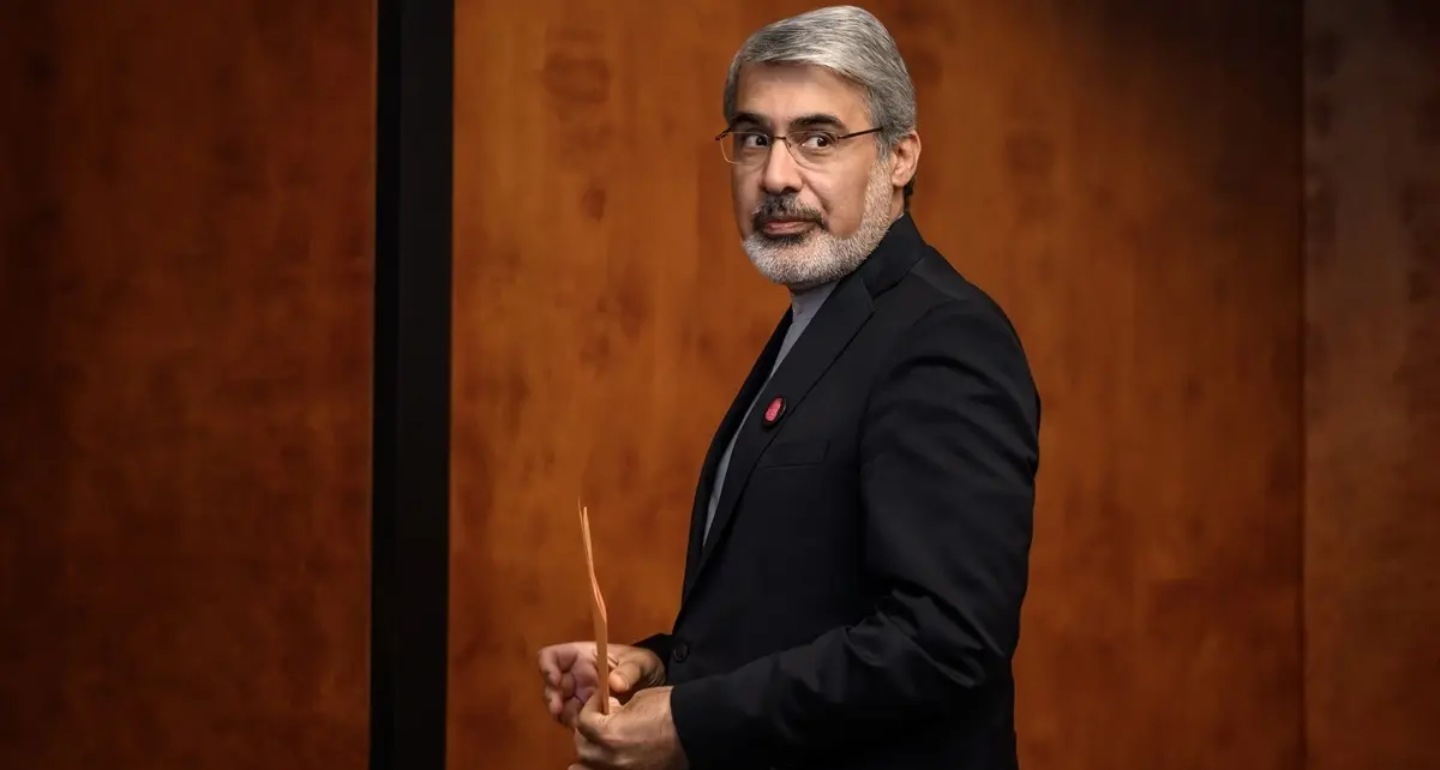
Ongoing uncertainty in the Middle East allows Moscow to both increase its influence in Tehran and continue to enjoy the financial windfall of higher oil prices.

Nikita Smagin
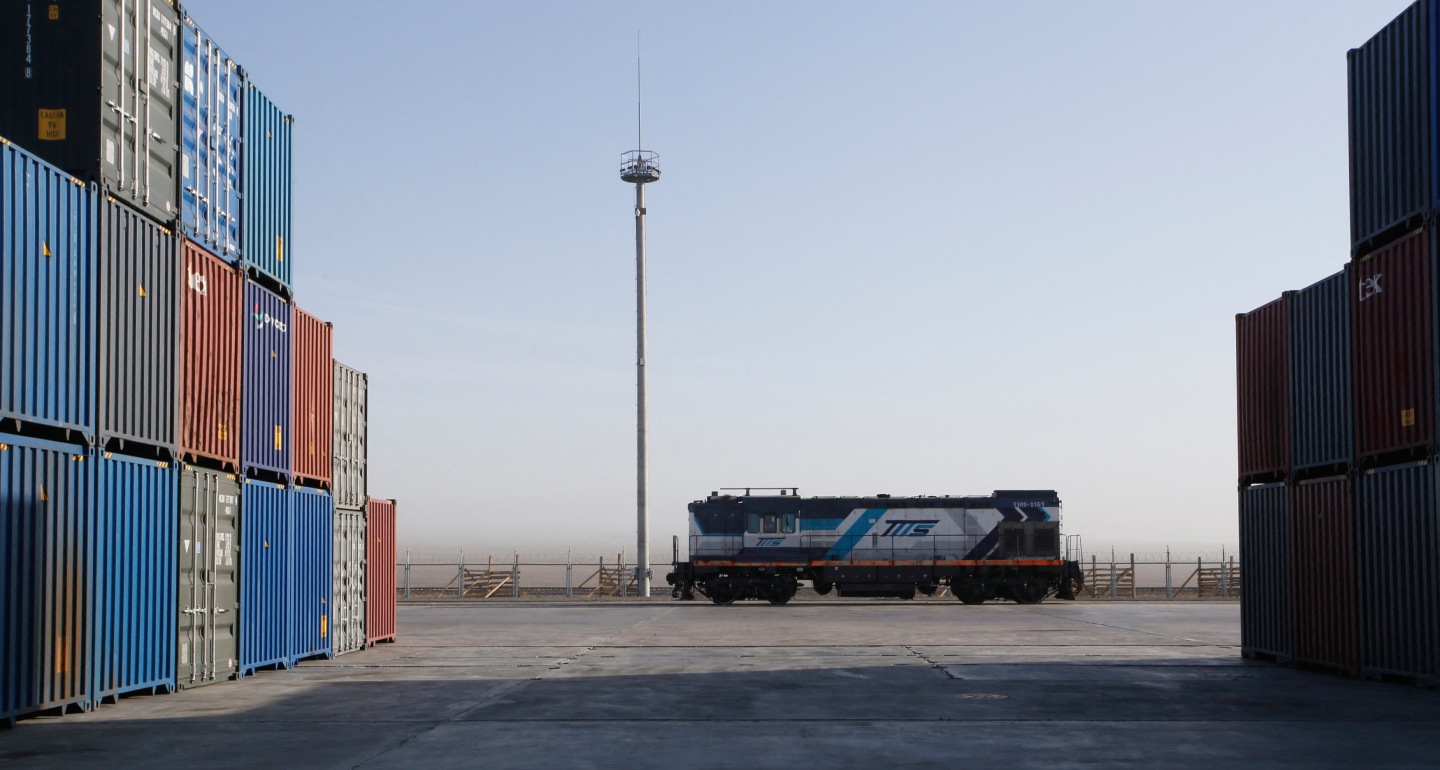
This year’s wars have made alternative routes to transit through Russia no less risky for Central Asian countries.

Galiya Ibragimova
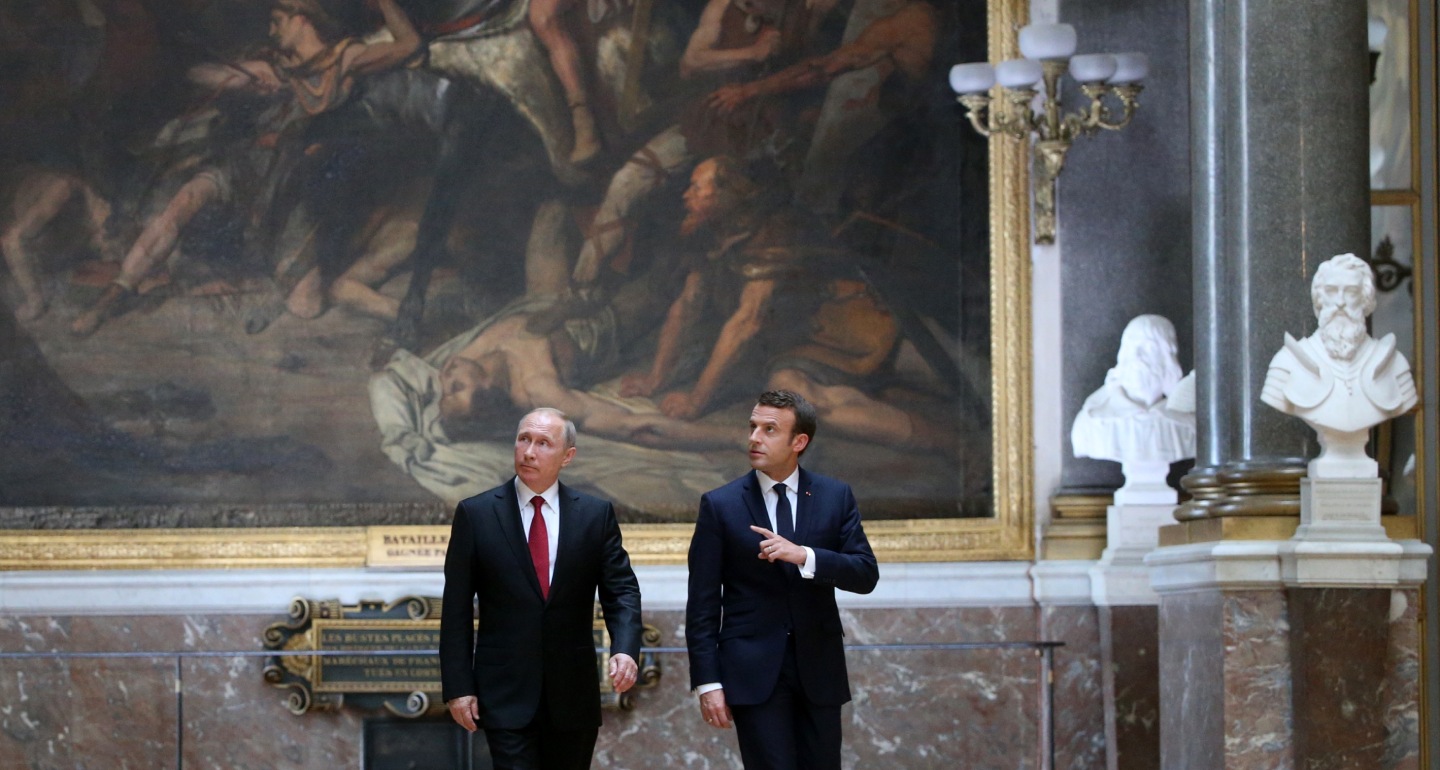
Reestablishing a dialogue with Moscow is not a goal in its own right. The goal is to guarantee the independence of Ukraine and the peace and security of Europe.
Arkady Moshes
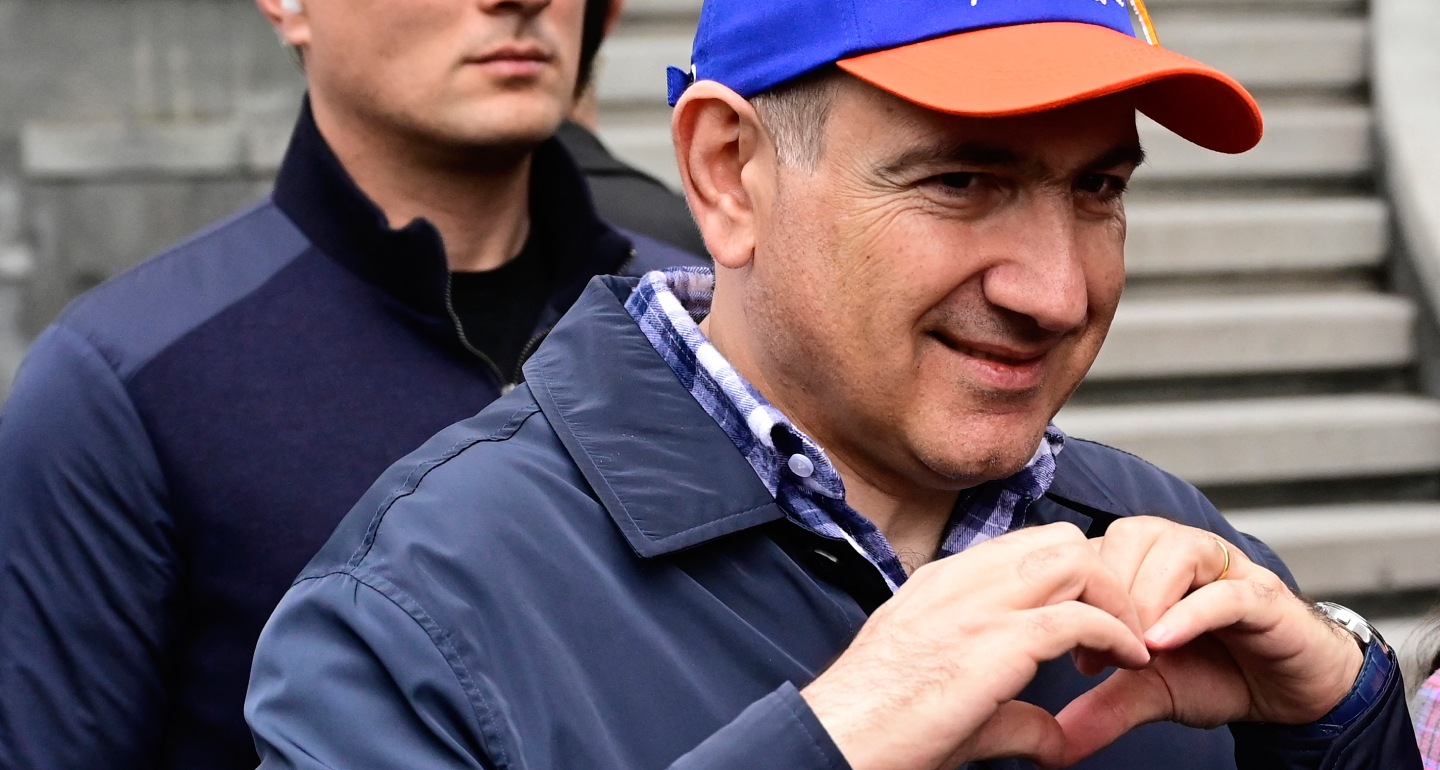
By fueling the arguments of both supporters and opponents of Armenian Prime Minister Nikol Pashinyan, Azerbaijan wants to ensure he is re-elected with a weaker mandate.

Bashir Kitachaev