

In The Media
David Rothkopf
{
  "authors": [
    "David Rothkopf"
  ],
  "type": "legacyinthemedia",
  "centerAffiliationAll": "",
  "centers": [
    "Carnegie Endowment for International Peace"
  ],
  "collections": [],
  "englishNewsletterAll": "",
  "nonEnglishNewsletterAll": "",
  "primaryCenter": "Carnegie Endowment for International Peace",
  "programAffiliation": "",
  "programs": [],
  "projects": [],
  "regions": [
    "North America",
    "United States"
  ],
  "topics": [
    "Political Reform"
  ]
}
Source: Getty
After enjoying months of good press coverage, President Obama’s honeymoon finally came to an end in July of 2009. As Obama now faces a number of tough policy challenges, increased public scrutiny is not necessarily a bad thing.
Source: CBS's Washington Unplugged
After enjoying months of good press coverage in the U.S. and around the world, President Obama’s honeymoon finally came to an end in July of 2009. Speaking with Bob Schieffer on CBS News’s Washington Unplugged, David Rothkopf explained that the press is starting to scrutinize Obama more closely, now that the administration is starting to get down to the “nuts and bolts” of how to address difficult policy challenges that cannot be solved by presidential charisma alone.
According to Rothkopf, the end of the honeymoon is not a sign of any real problems for the administration; this is typical of the media’s relationship with a new president. In fact, the public may be better off now that Obama's long honeymoon is over. “You start being president with all of the responsibilities on day one,” Rothkopf says, “so this idea of a honeymoon is not really optimal from the perspective of the American people. The scrutiny needs to start on day one.”
Former Visiting Scholar
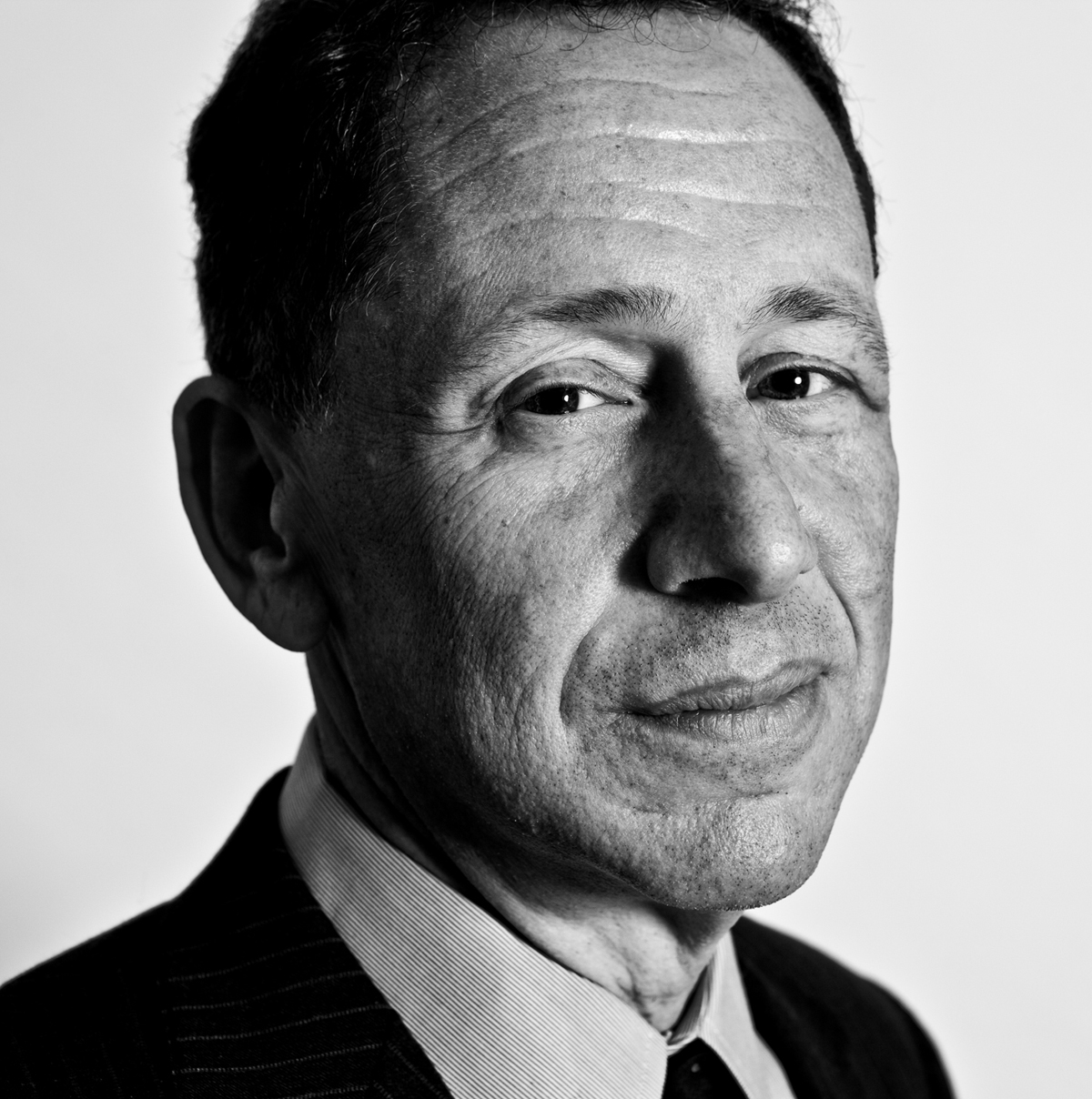
David Rothkopf was a visiting scholar at the Carnegie Endowment as well as the former CEO and editor in chief of the FP Group.
Recent Work
David Rothkopf
David Rothkopf
Carnegie does not take institutional positions on public policy issues; the views represented herein are those of the author(s) and do not necessarily reflect the views of Carnegie, its staff, or its trustees.

In the discussions made possible by the State Duma election campaign, one question is being asked more and more loudly. “What next?”

Andrey Pertsev

Two divergent trends—Putin’s hardline vision of how to prosecute the war in Ukraine, and a growing desire for change in Russia—could tear the regime apart.

Tatiana Stanovaya
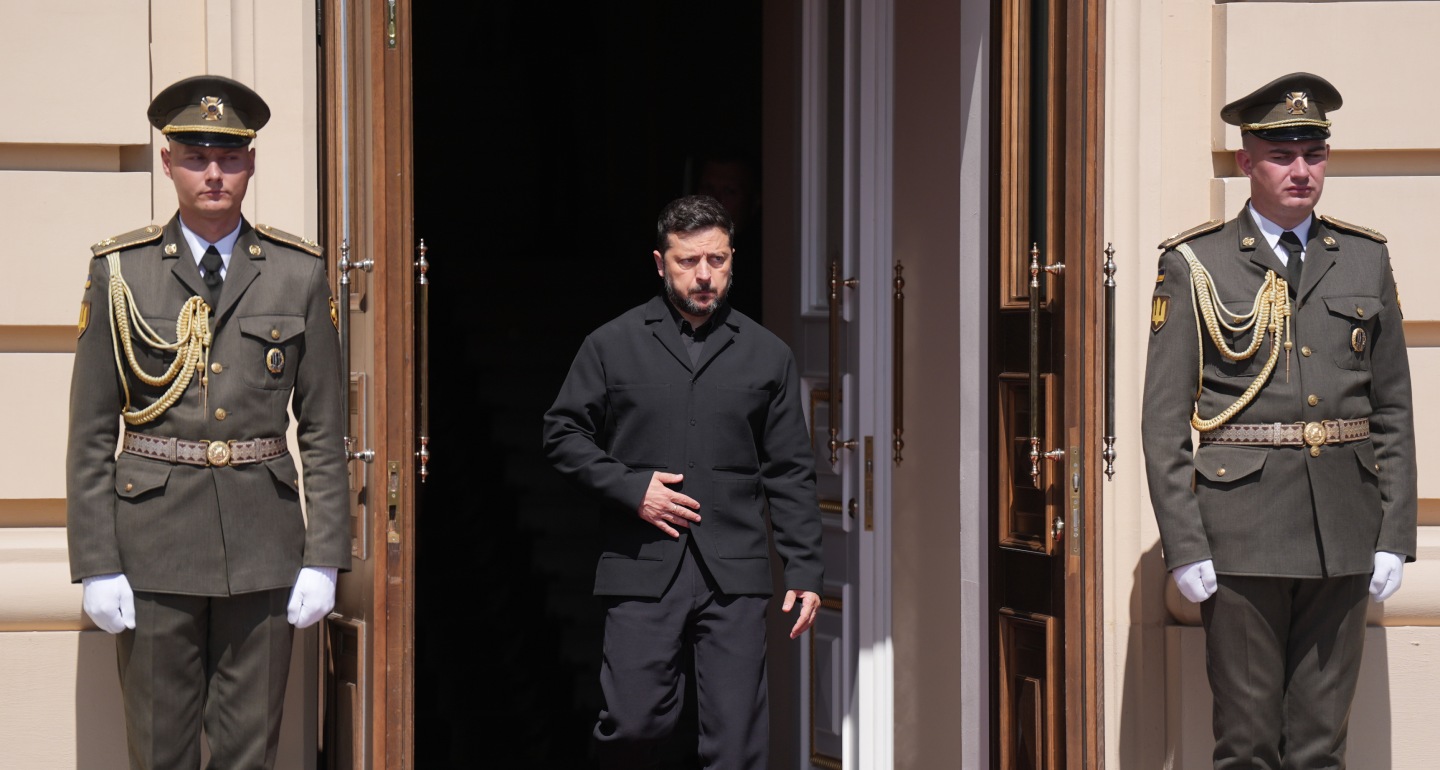
Ultimately, Zelensky sided neither with the reform camp nor with the military establishment as such, but with political control.

Balázs Jarábik
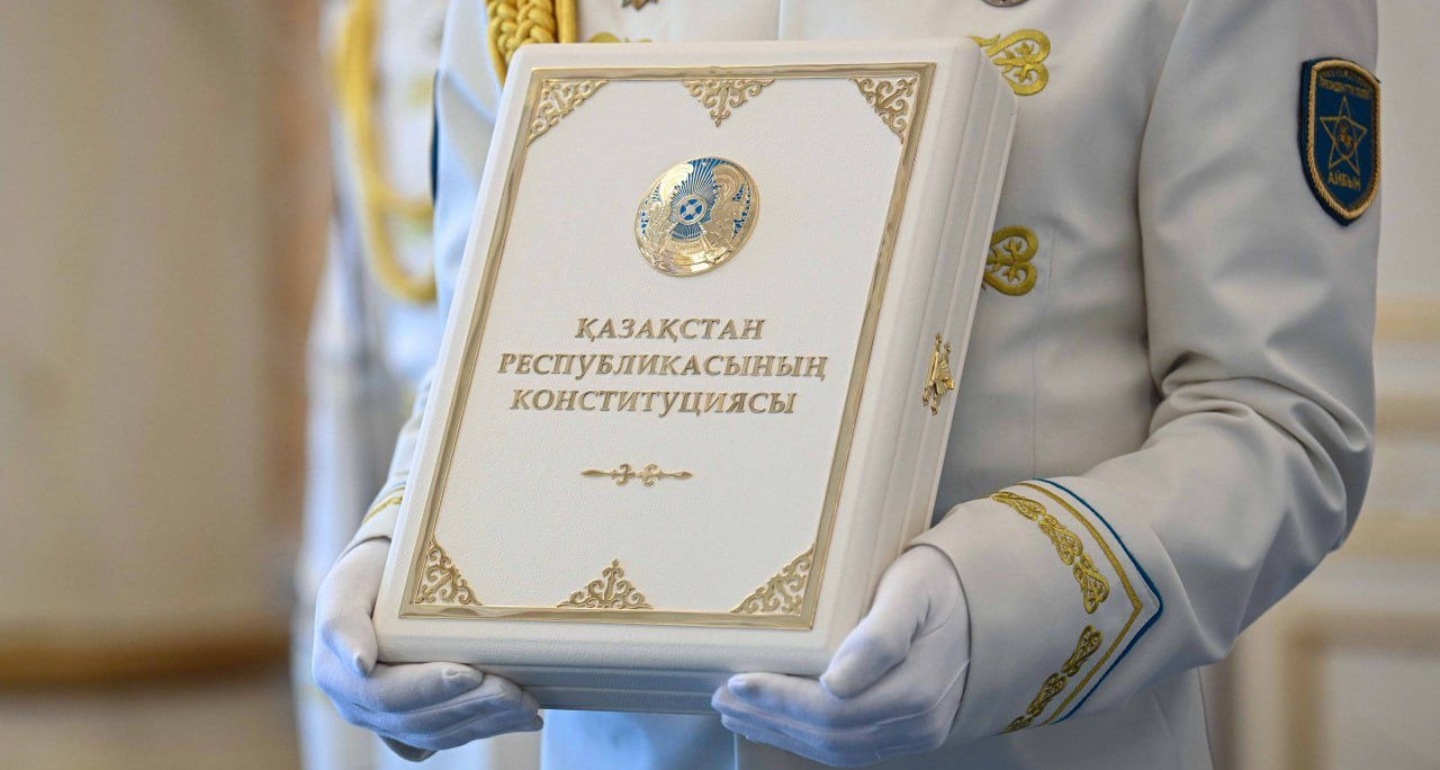
Tokayev’s predecessor, Nursultan Nazarbayev, outlined arrangements for a power transition too soon and in too much detail, ultimately losing control over the process. Tokayev is determined not to meet the same fate.

Temur Umarov

Despite unhappiness on the ground, Moscow is determined to use both carrot and stick to ensure there is record support for United Russia in occupied Ukraine.

Konstantin Skorkin