

Research
- +6
Yasmine Farouk, Nathan J. Brown, Maysaa Shuja Al-Deen, …
{
  "authors": [
    "Michele Dunne"
  ],
  "type": "legacyinthemedia",
  "centerAffiliationAll": "dc",
  "centers": [
    "Carnegie Endowment for International Peace"
  ],
  "collections": [],
  "englishNewsletterAll": "menaTransitions",
  "nonEnglishNewsletterAll": "",
  "primaryCenter": "Carnegie Endowment for International Peace",
  "programAffiliation": "MEP",
  "programs": [
    "Middle East"
  ],
  "projects": [],
  "regions": [
    "North America",
    "United States",
    "North Africa",
    "Egypt"
  ],
  "topics": [
    "Political Reform",
    "Democracy",
    "Foreign Policy"
  ]
}
Source: Getty
The United States must balance its advocacy for human rights and democracy promotion in Egypt and the broader Arab world with other strategic interests; it would be wrongheaded to completely cut off ties with authoritarian regimes.
Source: Al Jazeera's Riz Khan
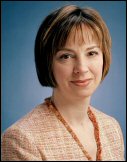
Egyptian President Hosni Mubarak’s visit to Washington suggests a renewed cooperation between the two allies after years of strained relations during the Bush administration. This has stoked fear among human rights activists that the Obama administration will turn a blind eye to Egypt’s repressive domestic political situation. Michele Dunne argues, “The U.S. needs to take a stand in favor of democracy and human rights in Egypt. If the U.S. fails to do so it will hurt its own image and present itself as acting in an unprincipled and self-interested way.” Nonetheless, Dunne continues, “the U.S. is a superpower with a multiplicity of interests. The danger is not that human rights and democratization will overtake the agenda, but that they will fall off it.”
Ultimately, the U.S. must balance its advocacy for human rights and democracy promotion with other strategic interests; it would be wrongheaded to completely cut off ties with authoritarian regimes.
While the Arab-Israeli peace process was on the agenda for President Obama and Mubarak, “Mubarak didn’t offer anything new that other Arab leaders had not already said.” In this regard, noted Dunne, “the Obama administration was probably disappointed with the visit.”

Former Nonresident Scholar, Middle East Program
Michele Dunne was a nonresident scholar in Carnegie’s Middle East Program, where her research focuses on political and economic change in Arab countries, particularly Egypt, as well as U.S. policy in the Middle East.
Recent Work



Yasmine Farouk, Nathan J. Brown, Maysaa Shuja Al-Deen, …
Robert Springborg, Emile Hokayem, Becca Wasser, …
Carnegie does not take institutional positions on public policy issues; the views represented herein are those of the author(s) and do not necessarily reflect the views of Carnegie, its staff, or its trustees.
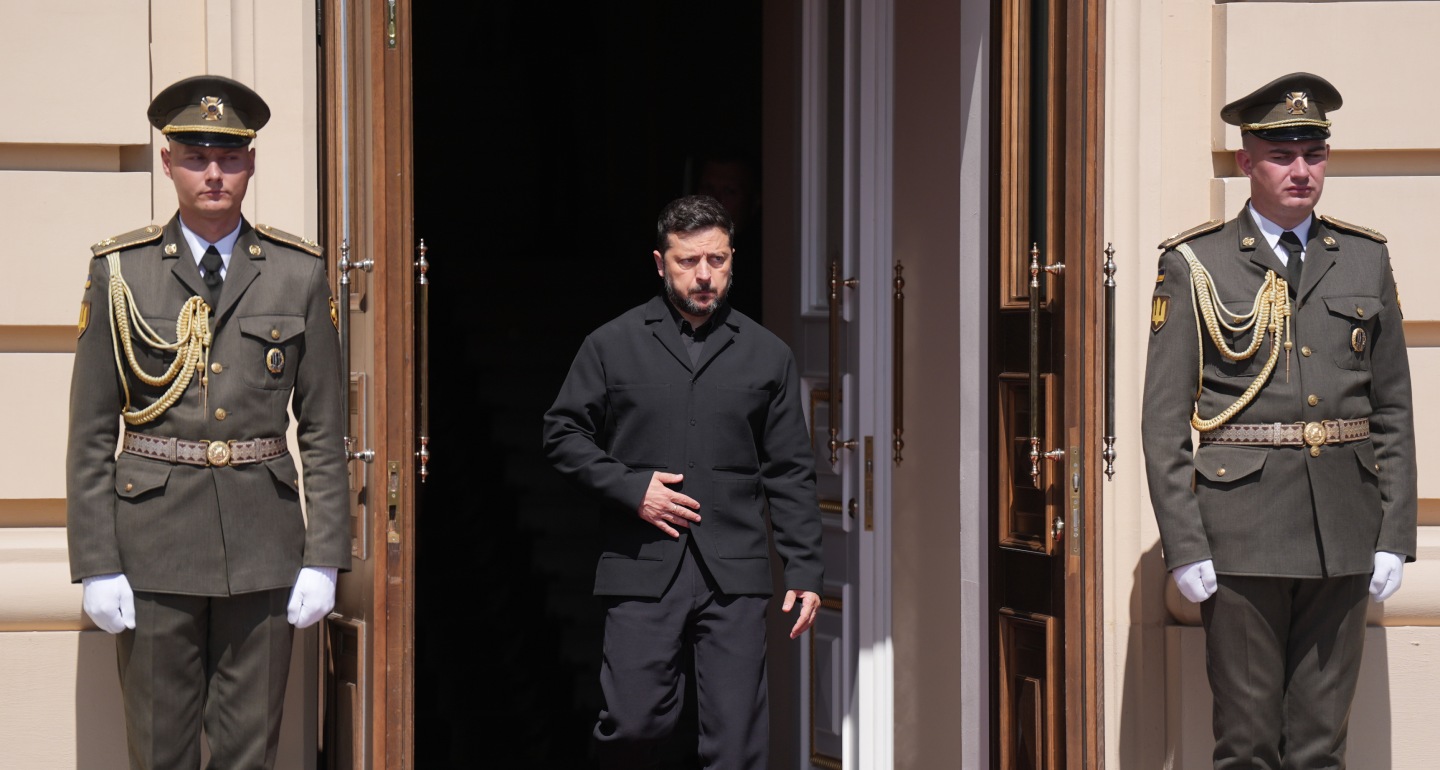
Ultimately, Zelensky sided neither with the reform camp nor with the military establishment as such, but with political control.

Balázs Jarábik
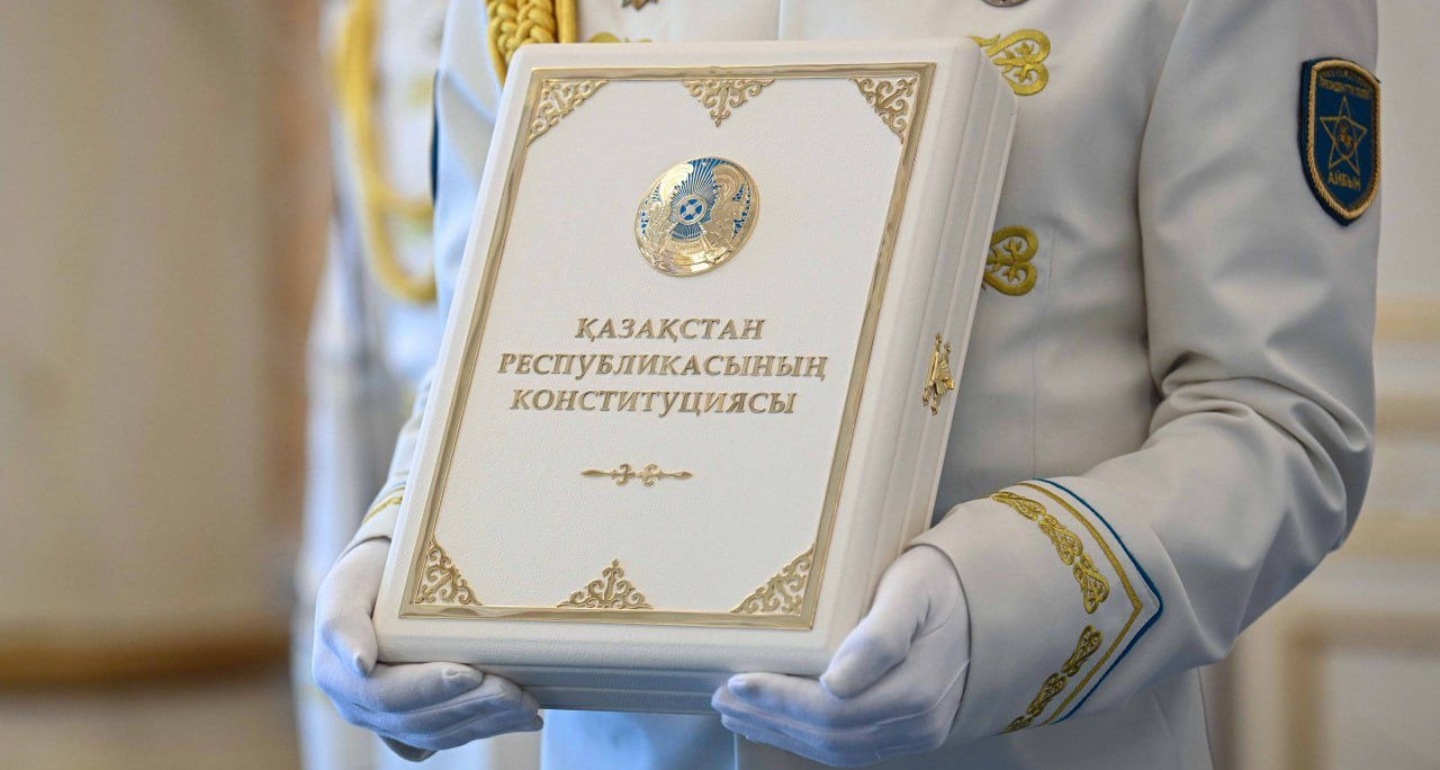
Tokayev’s predecessor, Nursultan Nazarbayev, outlined arrangements for a power transition too soon and in too much detail, ultimately losing control over the process. Tokayev is determined not to meet the same fate.

Temur Umarov

Despite unhappiness on the ground, Moscow is determined to use both carrot and stick to ensure there is record support for United Russia in occupied Ukraine.

Konstantin Skorkin
Whether PAS can refocus on the unfinished business of state-building may ultimately prove more consequential for Moldova’s European future than the pace of its accession negotiations.
Balázs Jarábik
Medvedev’s defeat in the battle for the position of speaker appears to signal that the long process of his marginalization in Russian politics has passed the point of no return.

Andrey Pertsev