

Article
Pierre Goldschmidt
{
  "authors": [
    "Pierre Goldschmidt"
  ],
  "type": "other",
  "centerAffiliationAll": "dc",
  "centers": [
    "Carnegie Endowment for International Peace"
  ],
  "collections": [],
  "englishNewsletterAll": "ctw",
  "nonEnglishNewsletterAll": "",
  "primaryCenter": "Carnegie Endowment for International Peace",
  "programAffiliation": "NPP",
  "programs": [
    "Nuclear Policy"
  ],
  "projects": [],
  "regions": [
    "Middle East",
    "Iran"
  ],
  "topics": [
    "Military",
    "Foreign Policy",
    "Nuclear Policy"
  ]
}
REQUIRED IMAGE
Source: Carnegie Endowment
In a new Carnegie Policy Outlook, Pierre Goldschmidt, former Deputy Director General of the International Atomic Energy Agency (IAEA), calls for the United Nations Security Council to adopt a generic and binding resolution that would automatically authorize three steps if a state is found in non-compliance by the IAEA. In this web-only publication, The Urgent Need to Strengthen the Nuclear Non-Proliferation Regime, Goldschmidt’s argument follows Iran’s announcement this morning that it will resume its nuclear research program and conduct experiments with nuclear fuel.
Goldschmidt makes the case it is waning political will that hinders the IAEA. The fault, he warns, is an international community that has failed to strengthen the authority of the IAEA to exercise its improved capacity precisely when a state has been found to be in non-compliance.
This is a web-only publication.
Click on the link above for the full text of this Carnegie publication.
About the Author
Pierre Goldschmidt is former Deputy Director General of the IAEA and currently a visiting scholar at the Carnegie Endowment for International Peace. He is based in Brussels.
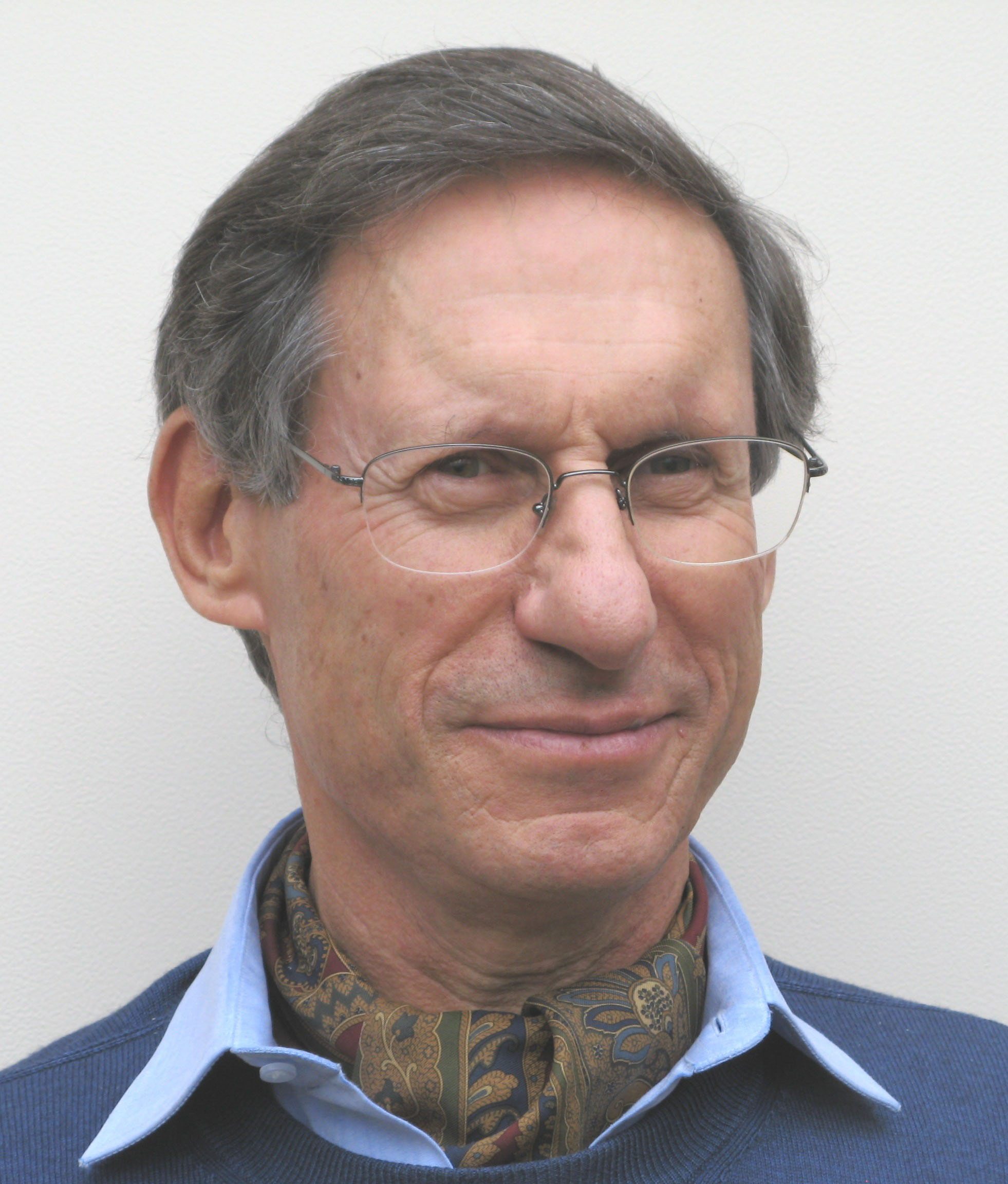
Former Nonresident Senior Associate, Nuclear Policy Program
Goldschmidt was a nonresident senior associate at the Carnegie Endowment.
Recent Work
Pierre Goldschmidt
Pierre Goldschmidt
Carnegie does not take institutional positions on public policy issues; the views represented herein are those of the author(s) and do not necessarily reflect the views of Carnegie, its staff, or its trustees.
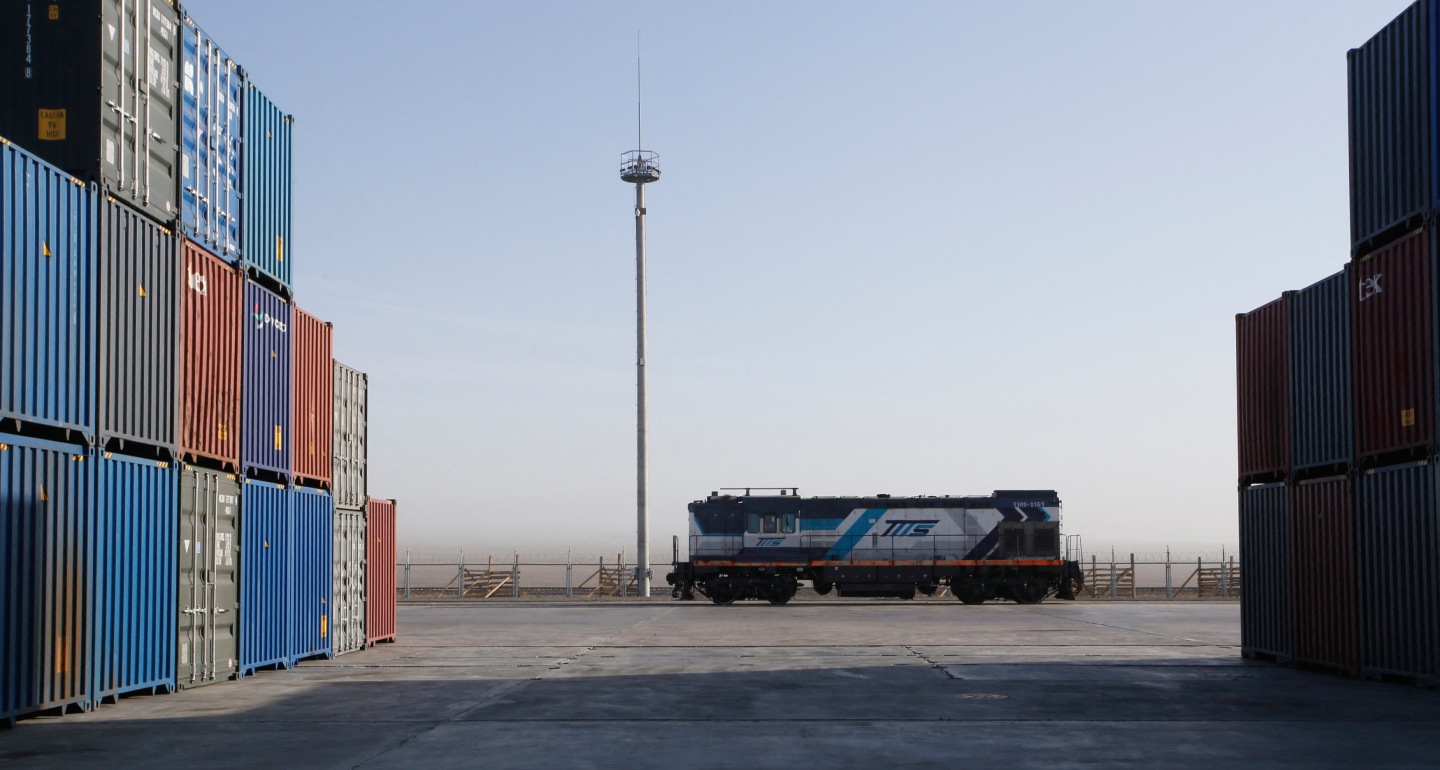
This year’s wars have made alternative routes to transit through Russia no less risky for Central Asian countries.

Galiya Ibragimova
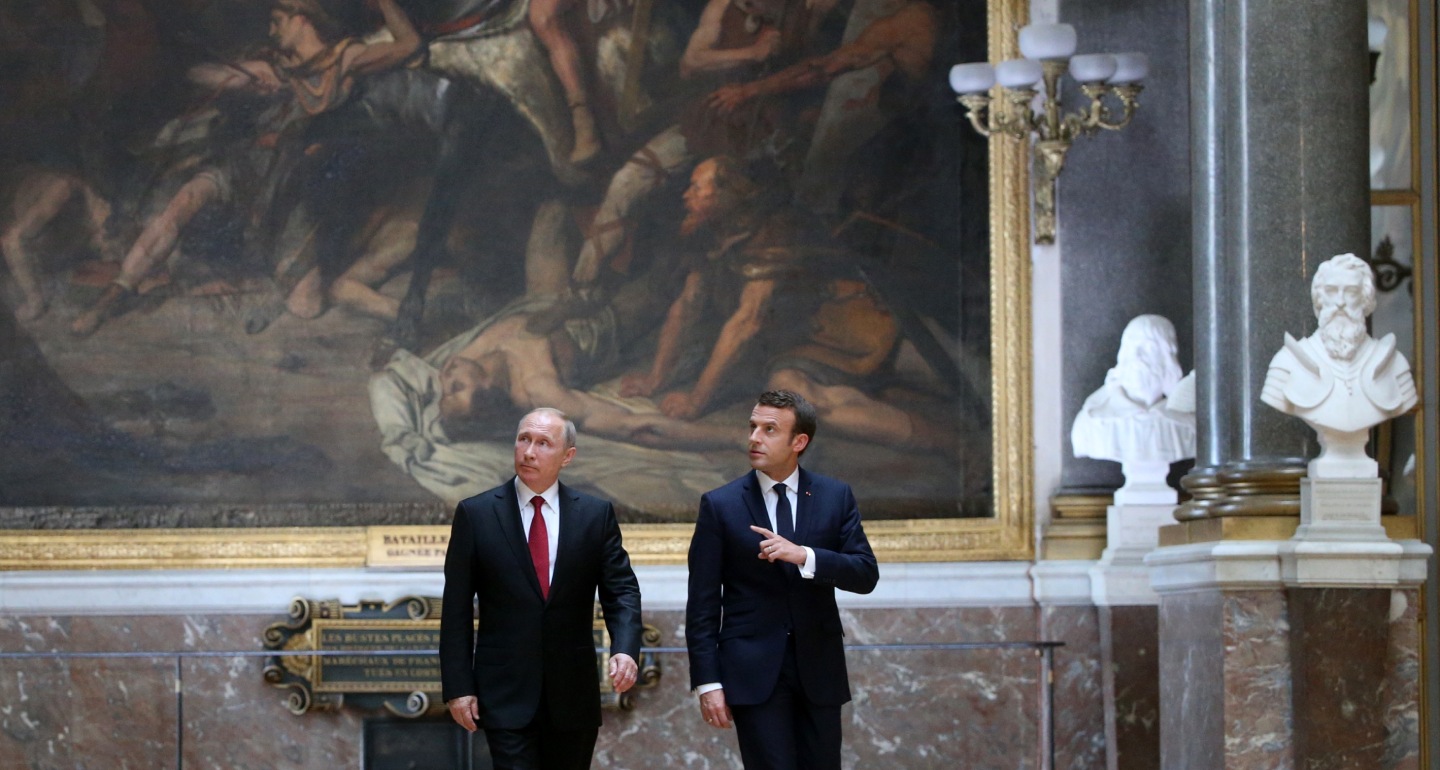
Reestablishing a dialogue with Moscow is not a goal in its own right. The goal is to guarantee the independence of Ukraine and the peace and security of Europe.
Arkady Moshes

By fueling the arguments of both supporters and opponents of Armenian Prime Minister Nikol Pashinyan, Azerbaijan wants to ensure he is re-elected with a weaker mandate.

Bashir Kitachaev
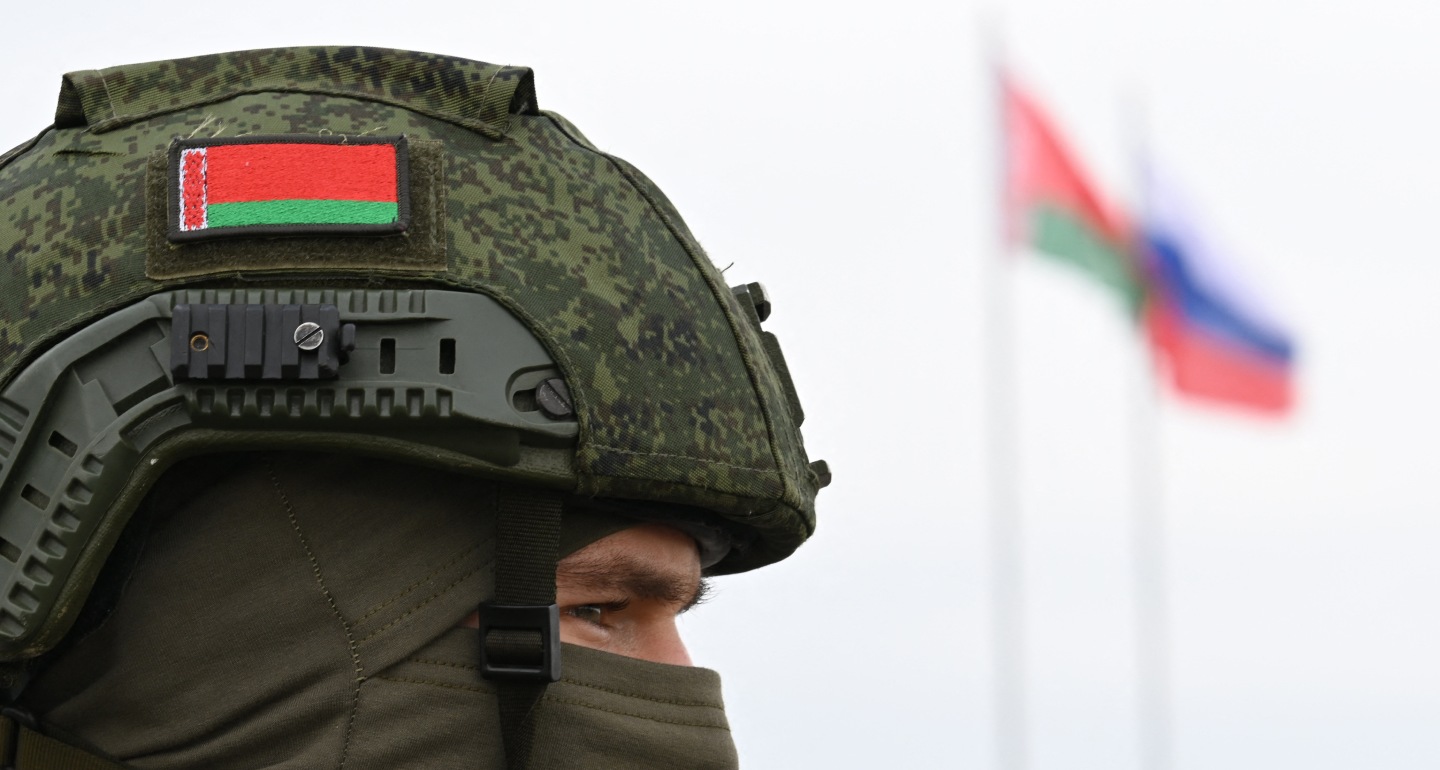
By reminding the world that Lukashenko is a threat to NATO and Ukraine, Kyiv is trying to return the focus to why the Belarusian regime needs to be contained rather than rewarded.

Artyom Shraibman

The demands of the Kremlin’s war in Ukraine, demographic problems, and public hostility toward Central Asians mean Russia does not have enough workers.
Salavat Abylkalikov