

Paper
Douglas H. Paal
{
  "authors": [
    "Douglas H. Paal"
  ],
  "type": "legacyinthemedia",
  "centerAffiliationAll": "dc",
  "centers": [
    "Carnegie Endowment for International Peace",
    "Carnegie China"
  ],
  "collections": [],
  "englishNewsletterAll": "ctw",
  "nonEnglishNewsletterAll": "",
  "primaryCenter": "Carnegie China",
  "programAffiliation": "SAP",
  "programs": [
    "South Asia"
  ],
  "projects": [],
  "regions": [
    "North America",
    "United States",
    "South Asia",
    "India"
  ],
  "topics": [
    "Foreign Policy"
  ]
}
Source: Getty
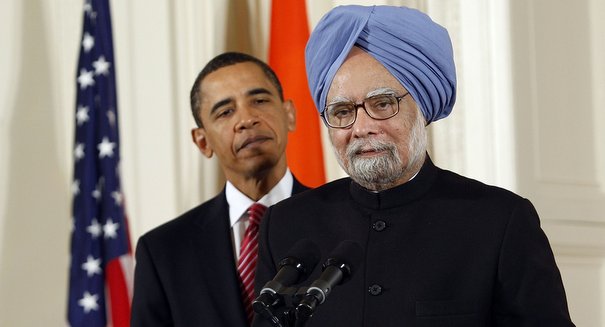
Indian Prime Minister Manmohan Singh's upcoming visit to the U.S. will bolster prospects for long-term bilateral cooperation, especially on such issues as globalization, terrorism, and nuclear nonproliferation.
Source: Daily News & Analysis

The first state visit under the Obama administration is rich with symbolism. It comes with Obama's travel to China, and is a reinforcement of America's friendship with India on the eve of dealing with the Chinese on the major issues. It will solidify the US-Indian relationship under a Democratic president, whose administration has many officials who were skeptical of the nuclear agreement. The visit will be a test of India's willingness to follow through with concrete acquisitions of civilian nuclear technology, and to agree to a test ban.
Under Obama's presidency, Pakistan appears to have surpassed India as America's best friend in South Asia. [What are your thoughts?]
The Obama administration early on learned to de-hyphenate India and Pakistan. The challenges facing Pakistan's survival from within are driving relations there and are of a more urgent nature than the slowly but steadily developing relationship with India. For Americans and Europeans, the terrorist origins in Pakistan are as alarming as they are to Indians.
Are China and Pakistan worried by India's expanding military ambitions?
It's difficult to decouple our cooperation with India from Pakistani fears of Indian long-term intentions. The US is trying to do so, nonetheless. With China, the narrative is more interesting and possibly worrisome. As China has grown richer and better armed, it's grown seemingly dismissive of India, at least in circles where chests are full of pride at China's rise. China's leaders seem more sober, but they cannot be immune to feelings provoked by their people's sentiment and the strong language of Indian commentators on China.
Will US policymakers be disappointed when they realise India won't be a lieutenant for US interests?
US officials understand well, perhaps better than some in the Bush administration, that India is pursuing improvements in its external circumstances along every azimuth. Our relationship is important, and increasingly so, but it is not exclusive in either direction. Both nations are pursuing their interests with a cool eye and a sense of balance. This is a healthy basis for long-term cooperation where our interests coincide.
Does Delhi underestimate how much Washington depends on it as a 'natural ally'?
For the US, 'ally' is a formal, legally binding term that is not viewed as appropriate in describing Washington-Delhi relations. We and India share concerns about the terrorist threats we face. We have a common interest in globalisation occurring in an orderly fashion and a host of other issues. In those efforts, our allied efforts will be critical.
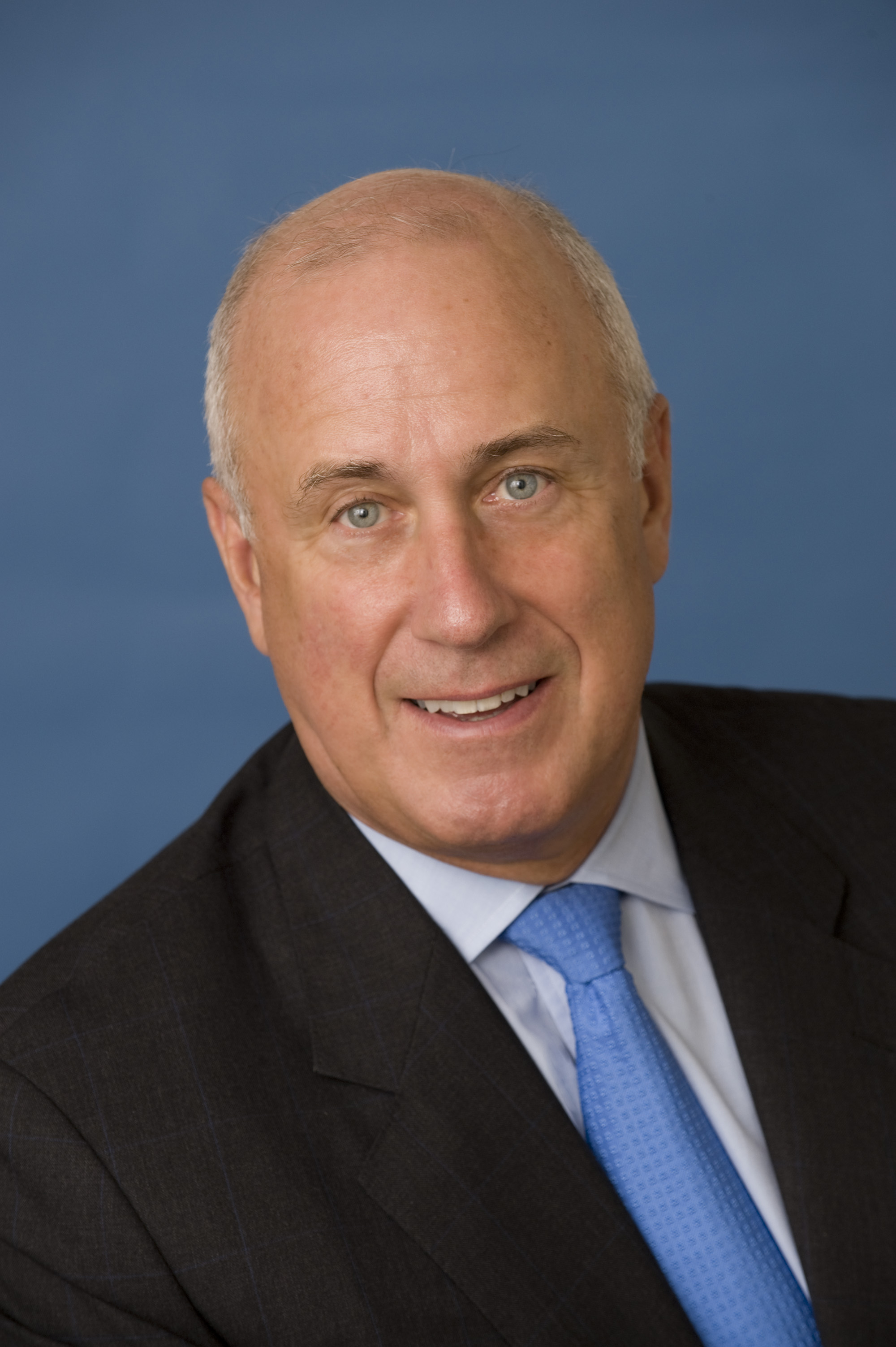
Distinguished Fellow, Asia Program
Paal previously served as vice chairman of JPMorgan Chase International and as unofficial U.S. representative to Taiwan as director of the American Institute in Taiwan.
Recent Work
Douglas H. Paal

Douglas H. Paal, Tong Zhao, Chen Qi, …
Carnegie does not take institutional positions on public policy issues; the views represented herein are those of the author(s) and do not necessarily reflect the views of Carnegie, its staff, or its trustees.

The European far right might fail to steer EU policy in the direction Russia wants, but they will create enough chaos inside Europe to benefit the Kremlin.

Dimitar Bechev

Minsk clearly expected the dialogue with Washington to yield more results, in particular the lifting of EU sanctions and permission to export potash.

Artyom Shraibman

With the growth in points of friction between the great powers, organizations like the SCO will continue to play a role in the strategic adaptation of the smaller powers caught between them.

Temur Umarov

When faced with fuel shortages in the past, Central Asian governments could always count on additional supplies from Moscow. That safety net no longer exists.

Galiya Ibragimova

Despite unhappiness on the ground, Moscow is determined to use both carrot and stick to ensure there is record support for United Russia in occupied Ukraine.

Konstantin Skorkin