

Commentary
Michael Pettis
{
  "authors": [
    "Michael Pettis"
  ],
  "type": "other",
  "centerAffiliationAll": "dc",
  "centers": [
    "Carnegie Endowment for International Peace",
    "Carnegie China"
  ],
  "collections": [],
  "englishNewsletterAll": "asia",
  "nonEnglishNewsletterAll": "",
  "primaryCenter": "Carnegie China",
  "programAffiliation": "AP",
  "programs": [
    "Asia"
  ],
  "projects": [],
  "regions": [
    "North America",
    "United States",
    "East Asia",
    "China"
  ],
  "topics": [
    "Economy",
    "Trade"
  ]
}
Source: Getty
Without greater global investment or a rise in Chinese domestic consumption, the increasing U.S. savings rate will have serious repercussions for both the Chinese and American economies and create aftershocks in dozens of other countries.
In the wake of the global economic downturn, Americans are spending less and saving more, a trend that threatens dangerous economic repercussions around the world. Without greater global investment—which remains unlikely in today’s economic climate—or a rise in Chinese domestic consumption, the increasing U.S. savings rate will cause U.S. GDP to contract or Chinese GDP growth to drop sharply, creating aftershocks in dozens of major economies.
Trade policies will likely determine which country is least impacted, setting the stage for a showdown between China and the United States. Both countries would be wise to pursue a coordinated policy that controls the losses in the least disruptive way.
Key conclusions:
Recommendations for policy makers:
“While some in the United States may relish a difficult economic transition for China, no serious policy maker should consider such a prospect as anything other than harmful to long-term U.S. interests. For all the problems China will face, its role in resolving the main issues facing the world will only increase,” writes Pettis. “An economically difficult transition would undermine reformers in China who understand the country’s role in the global economy and would weaken its increasing tendency toward international cooperation. A mistrustful China, with pro-Western reformers undermined by nationalist hostility, is not good for the United States.”

Nonresident Senior Fellow, Carnegie China
Michael Pettis is a nonresident senior fellow at the Carnegie Endowment for International Peace. An expert on China’s economy, Pettis is professor of finance at Peking University’s Guanghua School of Management, where he specializes in Chinese financial markets.
Recent Work
Michael Pettis
Michael Pettis
Carnegie does not take institutional positions on public policy issues; the views represented herein are those of the author(s) and do not necessarily reflect the views of Carnegie, its staff, or its trustees.

The cost of air defense has become an unregistered tax on revenue for businesses. While military rents are consolidated in the federal budget, the costs of defense are being spread across the balance sheets of companies and regional governments.

Alexandra Prokopenko

Governments in Estonia, Latvia, and Lithuania want to ensure that a U.S. military withdrawal would not leave them dangerously exposed to a Russian attack.

Sergejs Potapkins

Tokyo would have to surmount a lot of obstacles—not least Western sanctions—if it wanted to return Russian oil imports to even modest pre-2022 volumes.

Vladislav Pashchenko
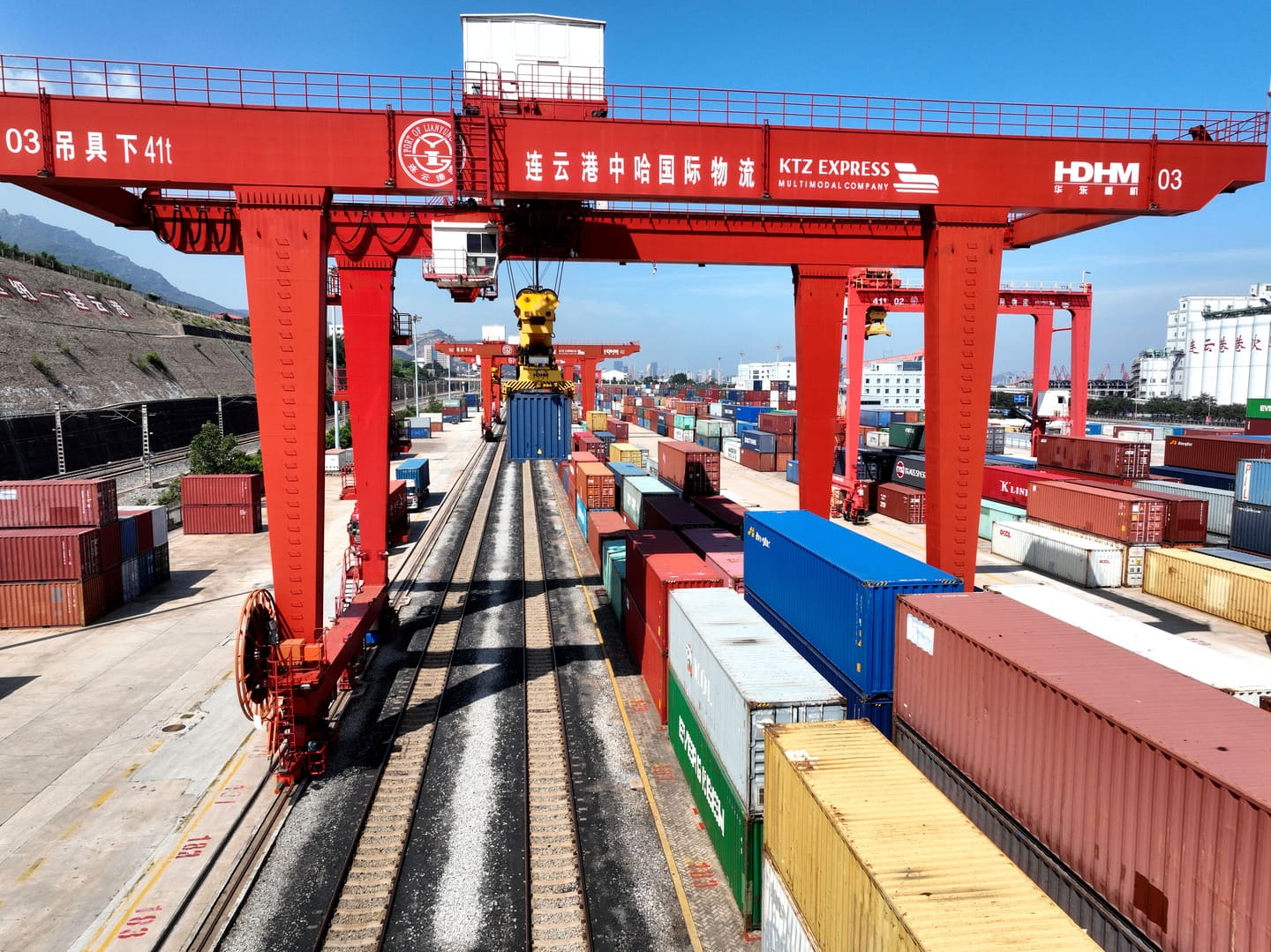
For the Middle Corridor to fulfill its promises, one of these routes must become scalable. At present, neither is.

Friedrich Conradi
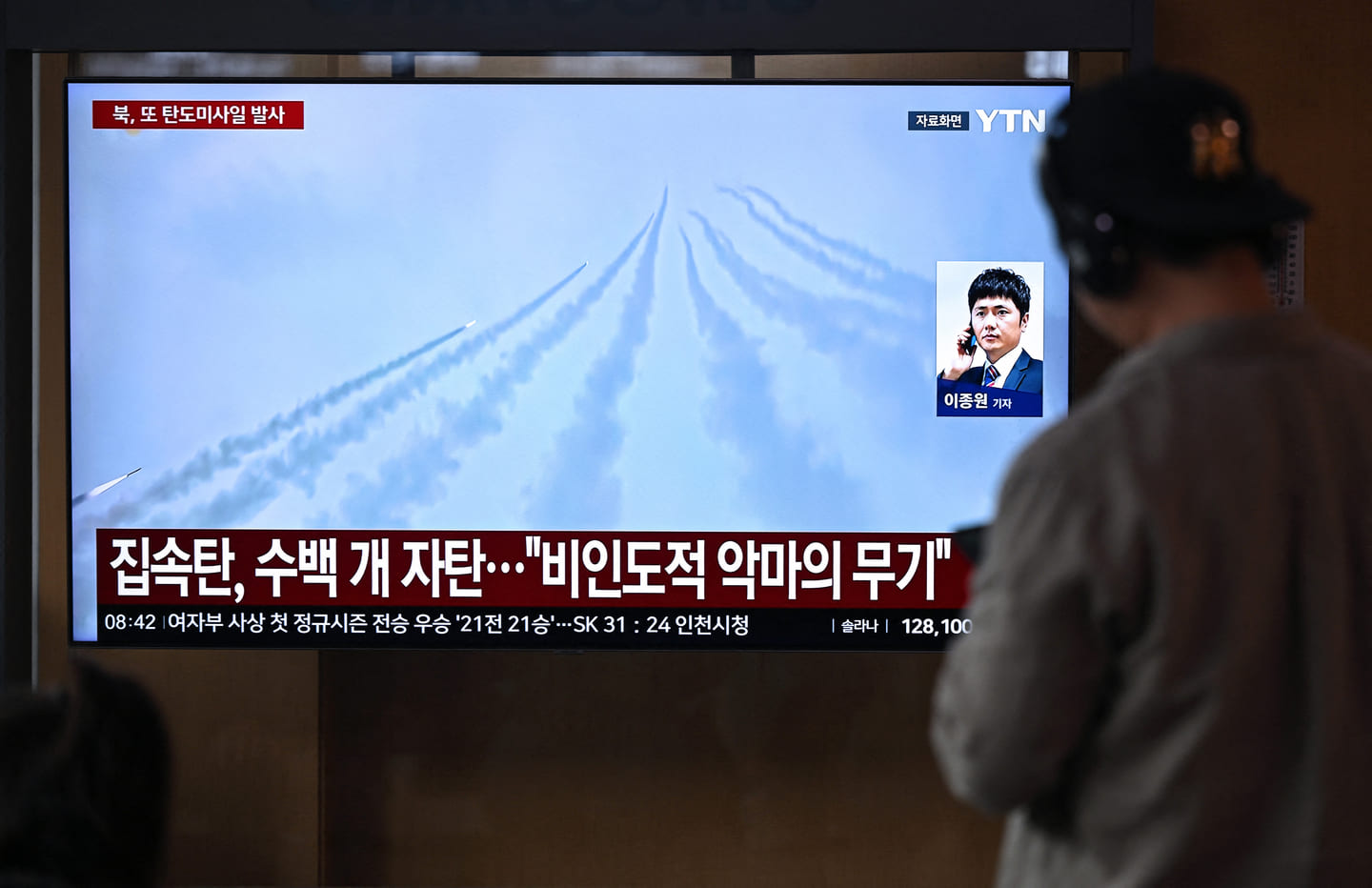
Troubled by the growing salience of nuclear debates in East Asia, Moscow has responded in its usual way: with condemnation and threats. But by exacerbating insecurity, Russia is forcing South Korea and Japan to consider radical security options.

James D.J. Brown