

Paper
Douglas H. Paal
{
  "authors": [
    "Douglas H. Paal"
  ],
  "type": "legacyinthemedia",
  "centerAffiliationAll": "dc",
  "centers": [
    "Carnegie Endowment for International Peace",
    "Carnegie China"
  ],
  "collections": [],
  "englishNewsletterAll": "asia",
  "nonEnglishNewsletterAll": "",
  "primaryCenter": "Carnegie China",
  "programAffiliation": "AP",
  "programs": [
    "Asia"
  ],
  "projects": [],
  "regions": [
    "North America",
    "United States"
  ],
  "topics": [
    "Foreign Policy"
  ]
}
Source: Getty
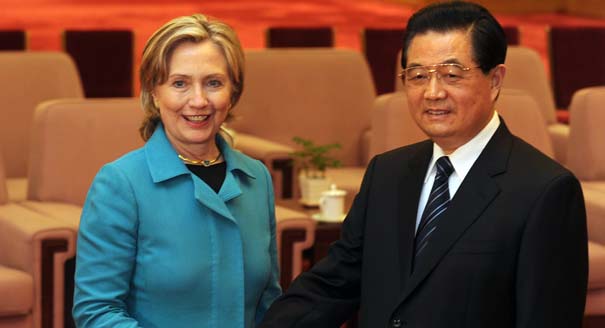
Although Obama has improved America’s image internationally, he has made little tangible progress on long-term foreign policy problems and faces declining domestic support and a weak economy.
Source: Zeenews

In an exclusive interview with Kamna Arora of Zeenews.com, former top US diplomat in Taiwan, Douglas H Paal, discussed Obama’s foreign policy.
Douglas H. Paal is currently vice president for studies at the Carnegie Endowment for International Peace.
Kamna: When President Barack Obama assumed office in 2009, not just the US but also the global community welcomed him with high hopes and expectations. Has Obama managed to turn his slogan of 'Yes, we can’ into actions or is it still too early to adjudge him?
Douglas: Some might rush to judge Obama's short record in foreign affairs, but I think it is too early still. However, I also think it will not be long before the glow surrounding the adjustments Obama has made to Bush’s foreign policy will wear off, and Obama -- like Bush -- will be facing hard problems that are not amenable to diplomatic style points. Iran, Iraq, North Korea, and the Middle East are the prominent cases.
Kamna: How would you sum up Obama’s achievements in terms of US’ foreign policy? And do you agree that the Nobel Peace Prize has actually made the US President’s task of managing foreign affairs tougher?
Douglas: I think Obama's main achievement is hard to see. That is, he made an early decision to conduct a "realist" foreign policy, not one of idealism, as has been common among Democratic party presidents. This has put him in a stronger position to deal with less favourable outcomes, though it may have lost him support from his party's base.
Obama would have been better off declining the Nobel prize. It is an embarrassing distraction and reminder of a skimpy resume for a leader, whose main accomplishments by the age of 44 were two autobiographies.
Kamna: What is the biggest challenge Obama faces in terms of his foreign policy?
Douglas: The next big challenge will be holding domestic support as the problems clearly become more numerous than the solutions. China and the US will drift apart this year, whereas last year was pretty good. The euphoria of the (Indian Prime Minister Manmohan) Singh’s visit to Washington is hard to sustain on the basis of its exaggerated rhetoric and this thin substantive result. Rising oil prices will embolden the Russians to press their own priorities, especially in the near abroad, where Ukraine, for example, is about to change course from its pro-Western policies.
The Democratic coalition supporting Obama may well fracture. Republicans may find their voice to take on Obama's missteps. And the public will want to focus on the economy, not on foreign policy matters.
The biggest problem is probably restarting the Arab-Israeli peace process. The makings of the process do not appear present at this time. Yet some progress is necessary as part of the effort to delegitimize radical Islam and reduce its contribution to global terrorism. Saying this does not mean that there are not other tough problems, as noted above.
Kamna: How has the rise of homegrown terrorism increased the problems of Obama, who is already struggling hard to wipe out al Qaeda?
Douglas: Homegrown terrorism is properly the business of the police and intelligence agencies. Obama needs to remind the leaders of those agencies that they remain accountable, as he has done over the recent Nigerian bombing suspect.
Kamna: How do you rate Obama’s Afghan war strategy?
Douglas: Obama's Afghan strategy can be summed in one word for people with somewhat longer-term memories: Vietnamization. Obama is building up in order to exit sooner, just as (former US president Richard) Nixon did in the early 1970s. Hopefully, Congress will not do to Kabul what it did to Saigon in the aftermath of the US withdrawal of forces, and cut off the regime's assistance entirely. But we did do that in the 1980s, after defeating the Soviets in Afghanistan.
In basketball, which he likes to play, what Obama is doing in Afghanistan is something called the head fake. You shift your eyes and build up forces in one direction, as you move the real play in the opposite direction.
Kamna: How do you summarise Obama’s success and failures, a year after his inauguration?
Douglas: Clearly, Obama has improved America's image among populations that were fed up with George Bush's style and methods. A better image is very nice to have, especially in the world inhabited by media and pundits. The problem comes when the image is not enough to deter or eliminate threats to our physical security. The problems worsen when the means to defeat those threats become so expensive that the people are asked to make choices between the proverbial guns and butter. Therefore, it will be critically important for Obama to chart a path for America to resume its economic strengths, so as to afford both. So far, this has not begun.

Distinguished Fellow, Asia Program
Paal previously served as vice chairman of JPMorgan Chase International and as unofficial U.S. representative to Taiwan as director of the American Institute in Taiwan.
Recent Work
Douglas H. Paal


Douglas H. Paal, Tong Zhao, Chen Qi, …
Carnegie does not take institutional positions on public policy issues; the views represented herein are those of the author(s) and do not necessarily reflect the views of Carnegie, its staff, or its trustees.
Central Asia’s digital ambitions are achievable, but only if policy is aligned with the region’s physical constraints.

Aruzhan Meirkhanova
Not only does the fighting jeopardize regional security, it undermines Russian attempts to promote alternatives to the Western-dominated world order.
Ruslan Suleymanov
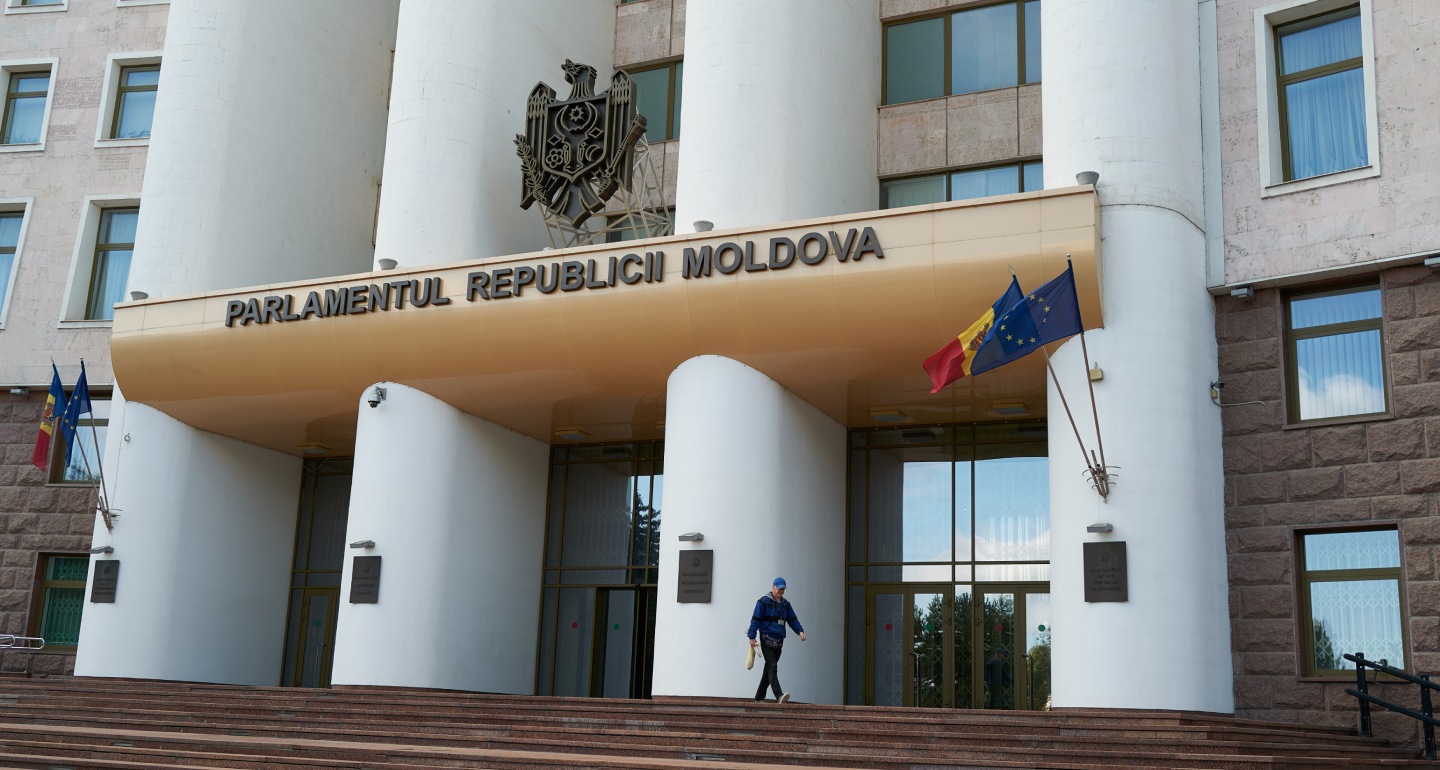
Moldova’s reintegration plan was drawn up to demonstrate to Brussels that Chișinău is serious about the Transnistria issue—and to get the West to react.
Vladimir Solovyov
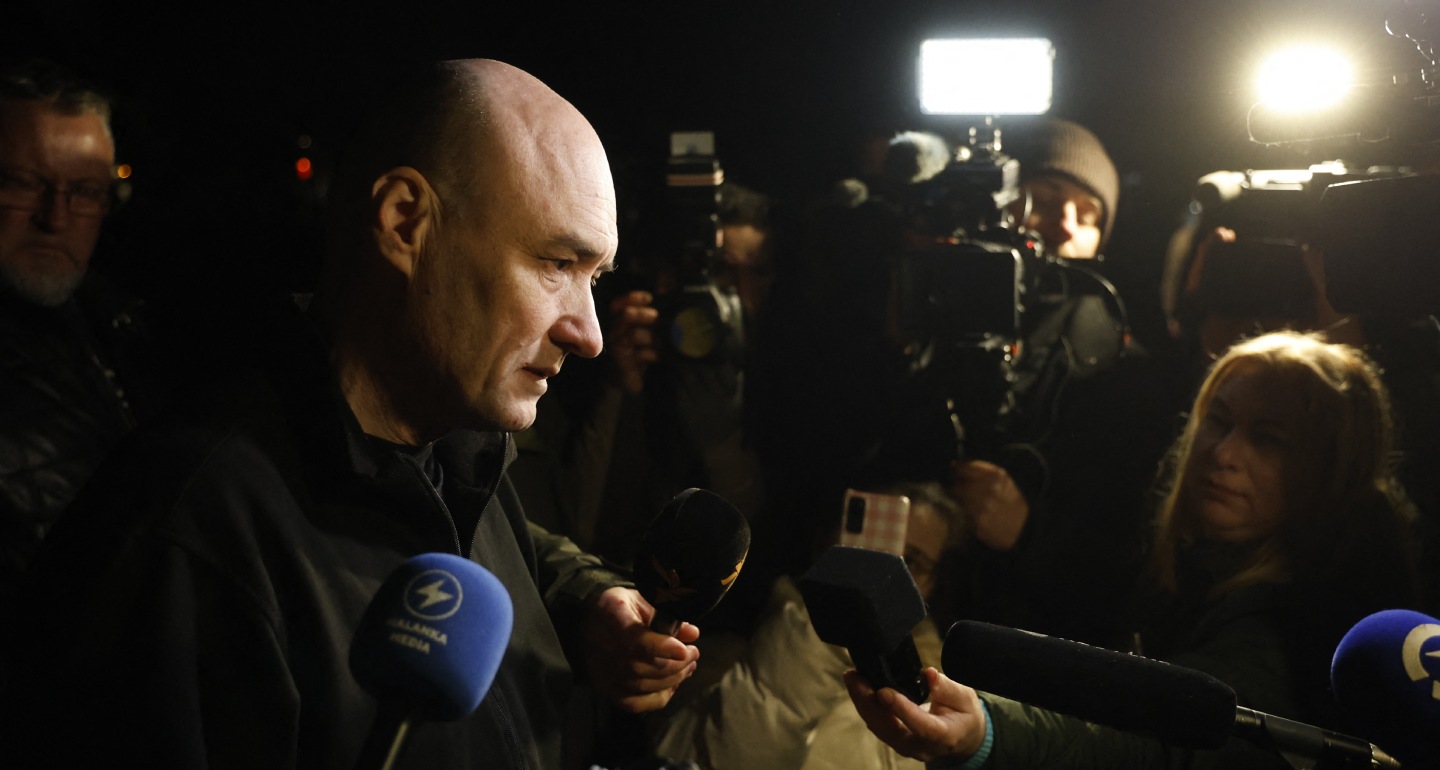
Lukashenko is willing to make big sacrifices for an invitation to Mar-a-Lago or the White House. He also knows that the clock is ticking: he must squeeze as much out of the Trump administration as he can before congressional elections in November leave Trump hamstrung or distracted.

Artyom Shraibman
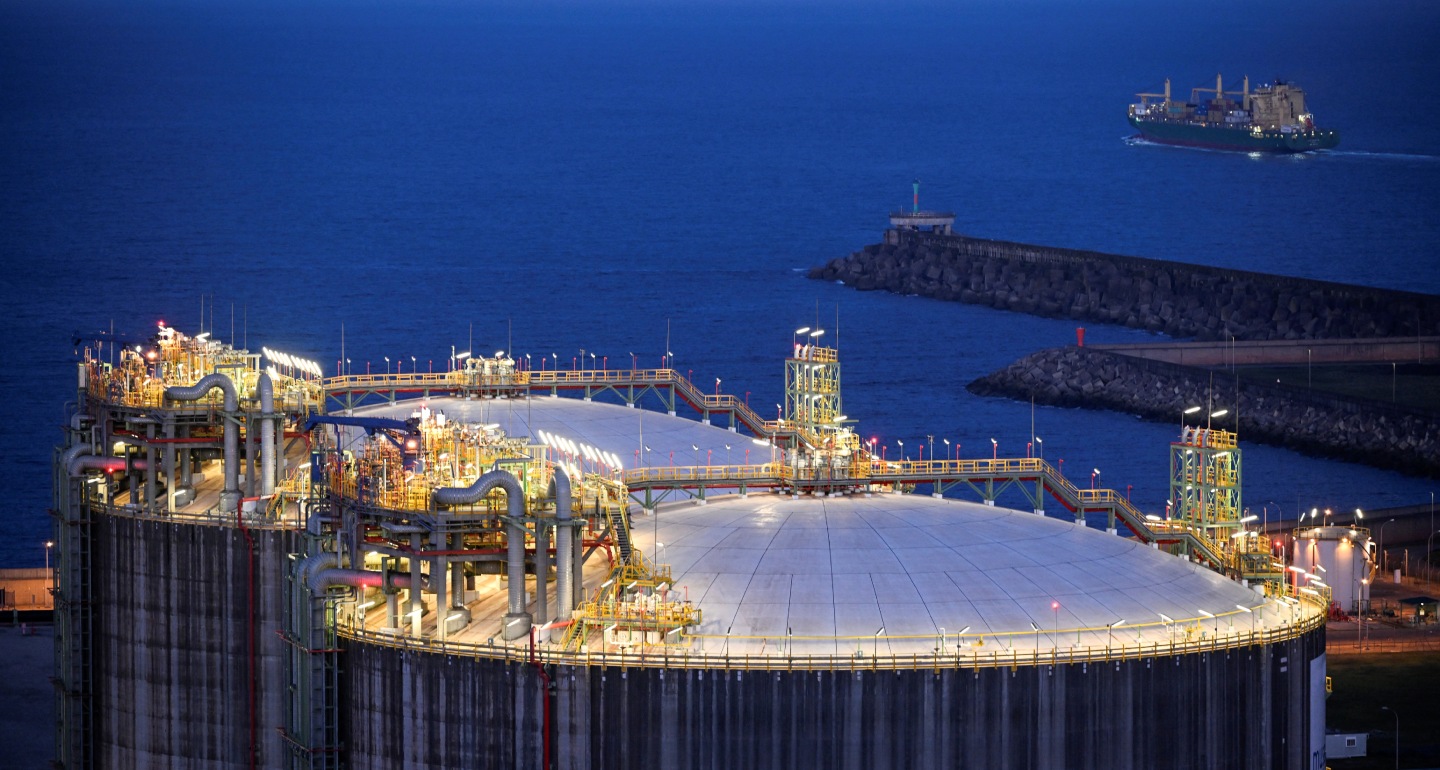
The future trajectory of the U.S.-Iran war remains uncertain, but its impact on global energy trade flows and ties will be far-reaching. Moscow is likely to become a key beneficiary of these changes; the crisis in the Gulf also strengthens Russia’s hand in its relationships with China and India, where advantages might prove more durable.

Sergey Vakulenko