

Commentary
This year’s wars have made alternative routes to transit through Russia no less risky for Central Asian countries.
Galiya Ibragimova
{
  "authors": [
    "Gregory L. Schulte"
  ],
  "type": "other",
  "centerAffiliationAll": "dc",
  "centers": [
    "Carnegie Endowment for International Peace"
  ],
  "collections": [
    "Korean Peninsula"
  ],
  "englishNewsletterAll": "ctw",
  "nonEnglishNewsletterAll": "",
  "primaryCenter": "Carnegie Endowment for International Peace",
  "programAffiliation": "NPP",
  "programs": [
    "Nuclear Policy"
  ],
  "projects": [],
  "regions": [
    "Middle East",
    "Syria",
    "East Asia",
    "North Korea"
  ],
  "topics": [
    "Nuclear Policy",
    "Nuclear Energy"
  ]
}
Source: Getty
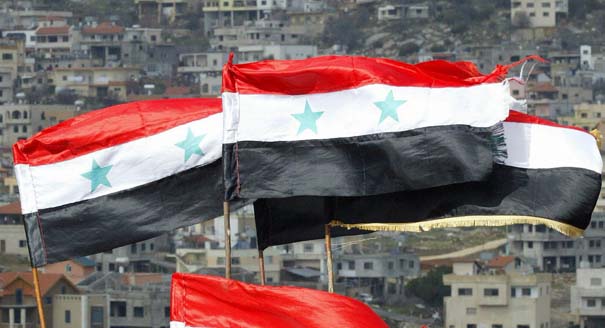
The current stalemate of the IAEA's investigation of undeclared nuclear activities in Syria is the responsibility of the Syrian government, which buried the remains of its covert nuclear reactor in 2008 and now seeks to bury the IAEA investigation.
Summary
In June 2009, one year after the first and only inspector visit in Syria, the IAEA director general reported that the information provided by the country "does not adequately support its assertions about the nature of the site." In August, he reported that the IAEA's investigation was "severely impeded" by Syria's non-cooperation.
About the Author
Ambassador Gregory L. Schulte was the U.S. permanent representative to the International Atomic Energy Agency from July 2005 to June 2009. He is now a senior visiting fellow at the Center for the Study of Weapons of Mass Destruction at the National Defense University. This article reflects his personal views and not those of NDU or the U.S. government.
Gregory L. Schulte
Carnegie does not take institutional positions on public policy issues; the views represented herein are those of the author(s) and do not necessarily reflect the views of Carnegie, its staff, or its trustees.

This year’s wars have made alternative routes to transit through Russia no less risky for Central Asian countries.

Galiya Ibragimova
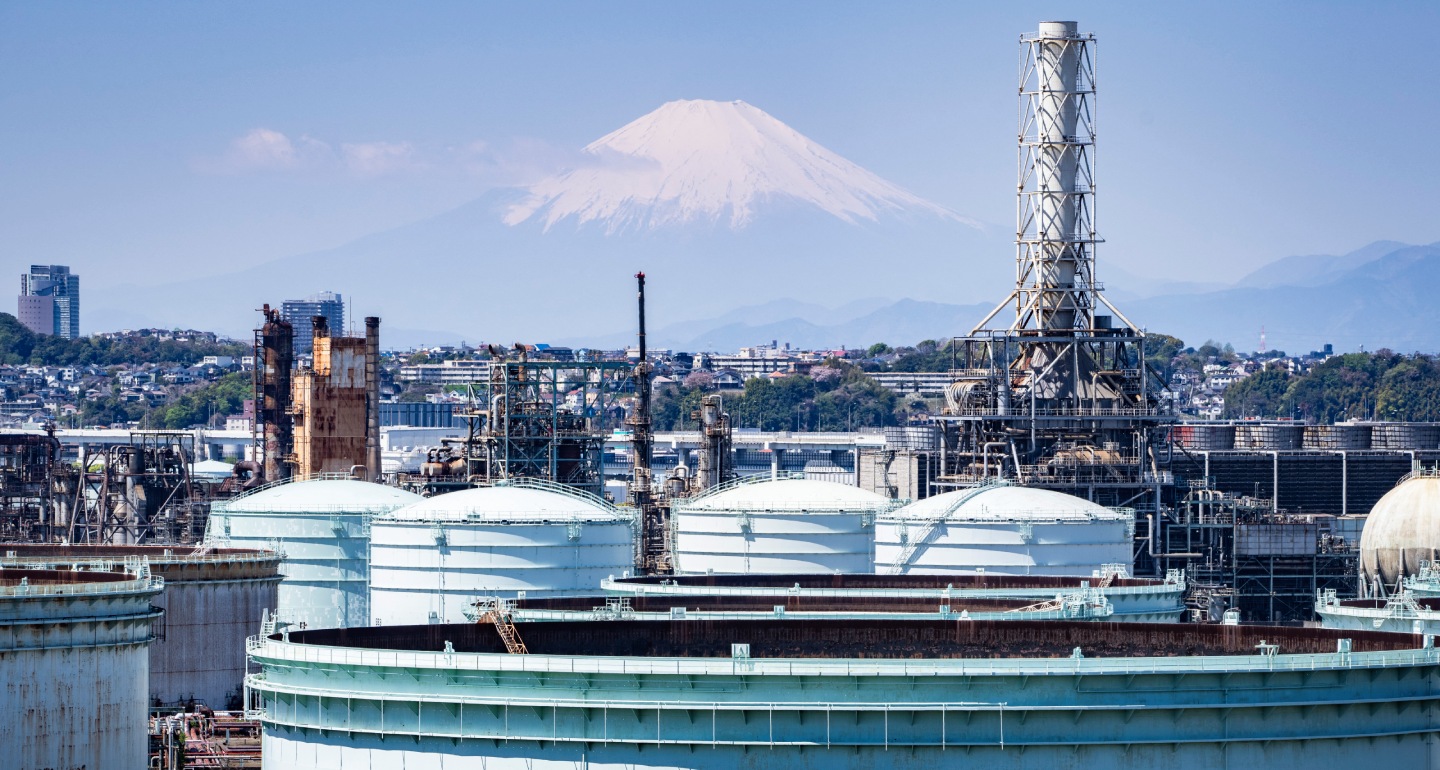
Tokyo would have to surmount a lot of obstacles—not least Western sanctions—if it wanted to return Russian oil imports to even modest pre-2022 volumes.
Vladislav Pashchenko
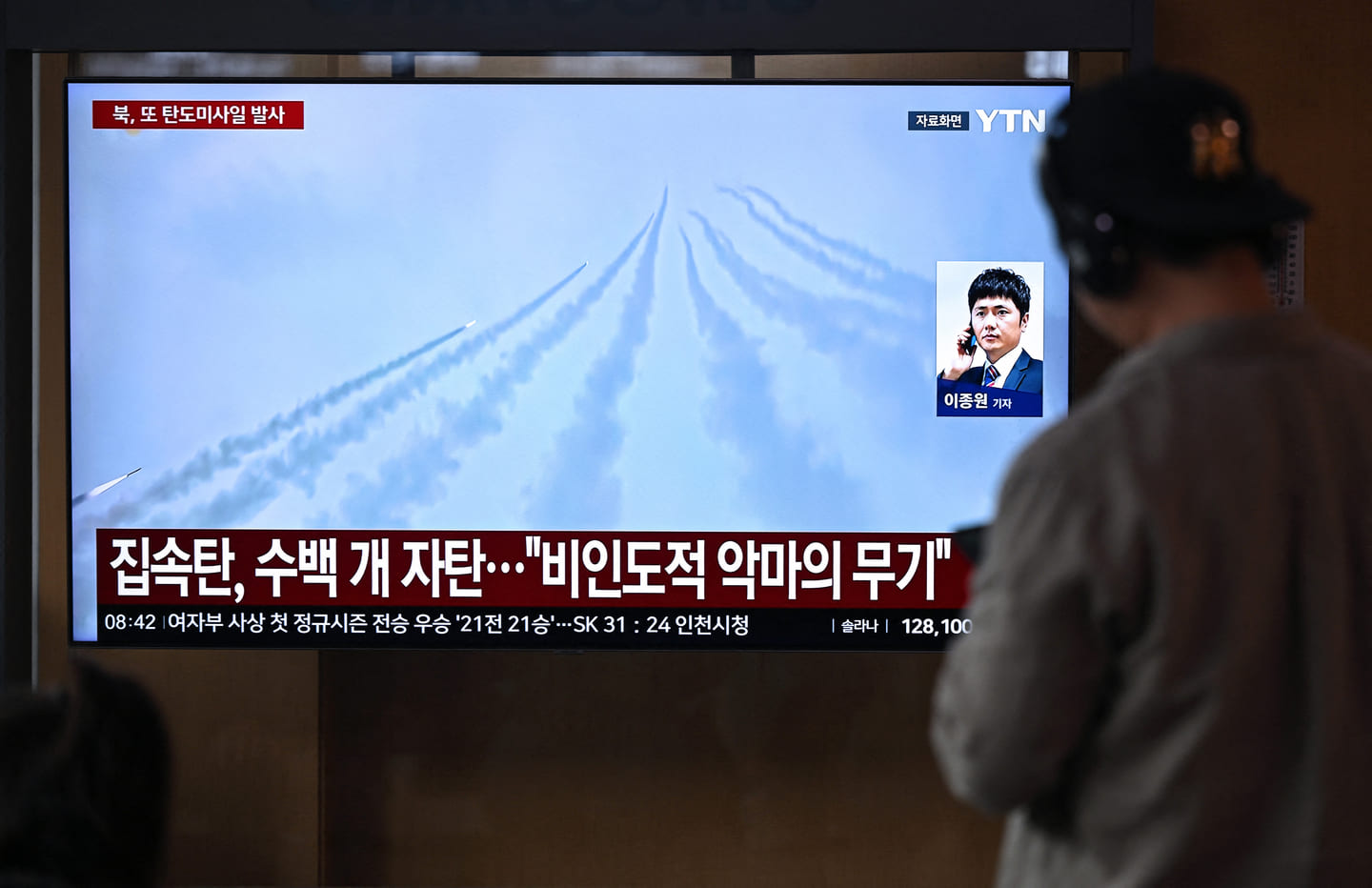
Troubled by the growing salience of nuclear debates in East Asia, Moscow has responded in its usual way: with condemnation and threats. But by exacerbating insecurity, Russia is forcing South Korea and Japan to consider radical security options.

James D.J. Brown
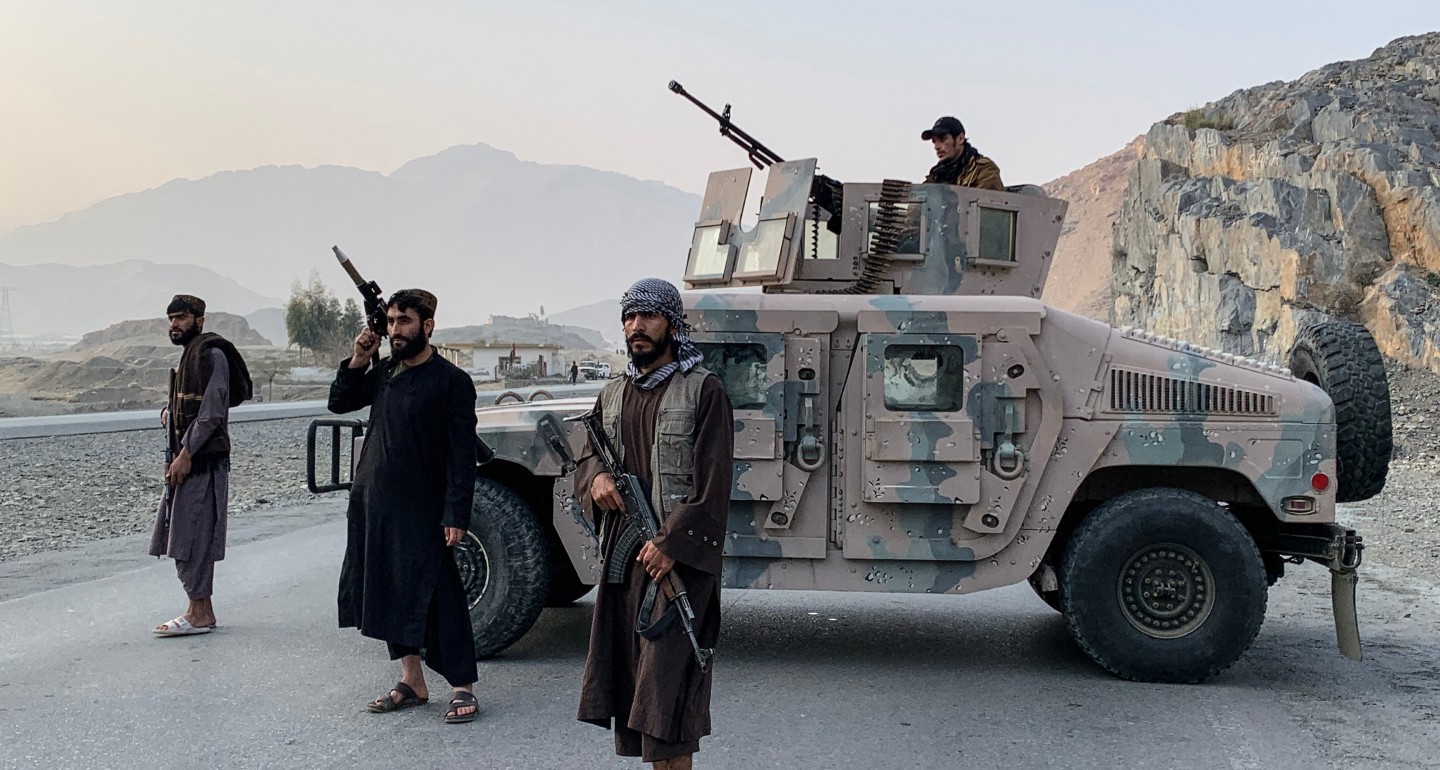
Not only does the fighting jeopardize regional security, it undermines Russian attempts to promote alternatives to the Western-dominated world order.
Ruslan Suleymanov
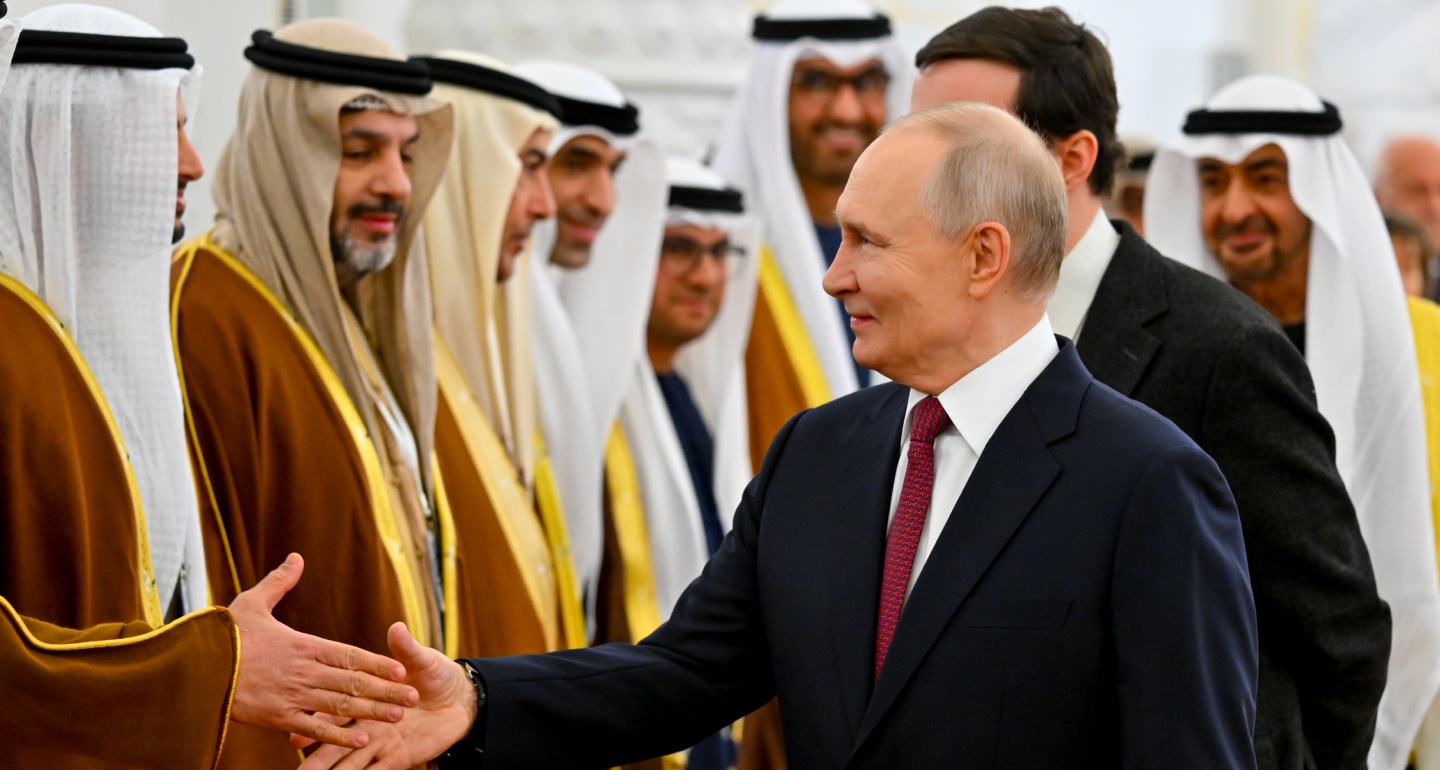
Disillusioned with the West over Gaza, Arab countries are not only trading more with Russia; they are also more willing to criticize Kyiv.
Ruslan Suleymanov