

Commentary
Amr Hamzawy
{
  "authors": [
    "Amr Hamzawy"
  ],
  "type": "legacyinthemedia",
  "centerAffiliationAll": "",
  "centers": [
    "Carnegie Endowment for International Peace",
    "Malcolm H. Kerr Carnegie Middle East Center"
  ],
  "collections": [],
  "englishNewsletterAll": "",
  "nonEnglishNewsletterAll": "",
  "primaryCenter": "Carnegie Endowment for International Peace",
  "programAffiliation": "",
  "programs": [],
  "projects": [],
  "regions": [
    "Egypt"
  ],
  "topics": [
    "Political Reform"
  ]
}
Source: Getty
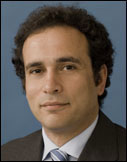
Mohammed ElBaradei, the former head of the International Atomic Energy Association, has injected a new dynamism into the Egyptian political scene, but he is unlikely to be able to mobilize enough people to effect any real change in Egypt.
Source: Chicago Public Radio

Many signs point to the maintenance of the power of the Mubarak regime and the National Democratic Party. ElBaradei has expressed interest in running for the presidency, but that would erquire a constitutional change, and there is no indication that the regime will make that change.
While ElBaradei has garnered significant enthusiasm, and his popularity continues to grow, he is so far incapable of moving the masses. According to Amr Hamzawy, “the opposition spectrum’s most striking feature is stagnation. The parties are weak, losing their constituency, and have aging leaderships. They are also sharply divided between secularists, Islamists, and the domesticated opposition that has worked with the regime.” Despite the hope fostered by Elbaradei, the future portends only more stagnation.

Director, Middle East Program
Amr Hamzawy is a senior fellow and the director of the Carnegie Middle East Program. His research and writings focus on Egypt’s and other middle powers’ involvement in regional security in the Middle East, particularly through collective diplomacy and multilateral conflict resolution
Recent Work
Amr Hamzawy
Amr Hamzawy
Carnegie does not take institutional positions on public policy issues; the views represented herein are those of the author(s) and do not necessarily reflect the views of Carnegie, its staff, or its trustees.
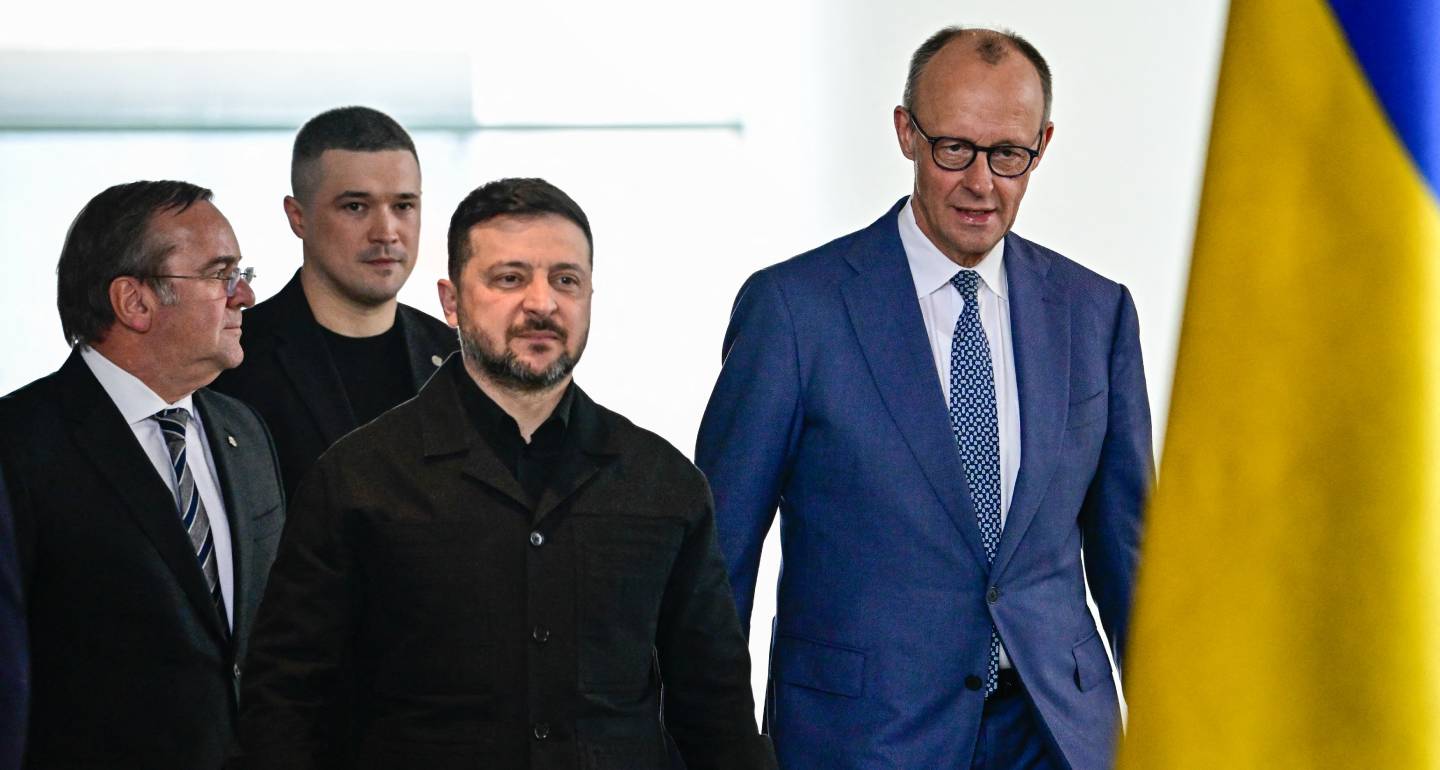
The greater threat to Zelensky comes not from Fedorov alone, but from the convergence between the former defense minister’s political campaign and the anti-corruption investigations moving ever closer to the presidential administration.

Balázs Jarábik
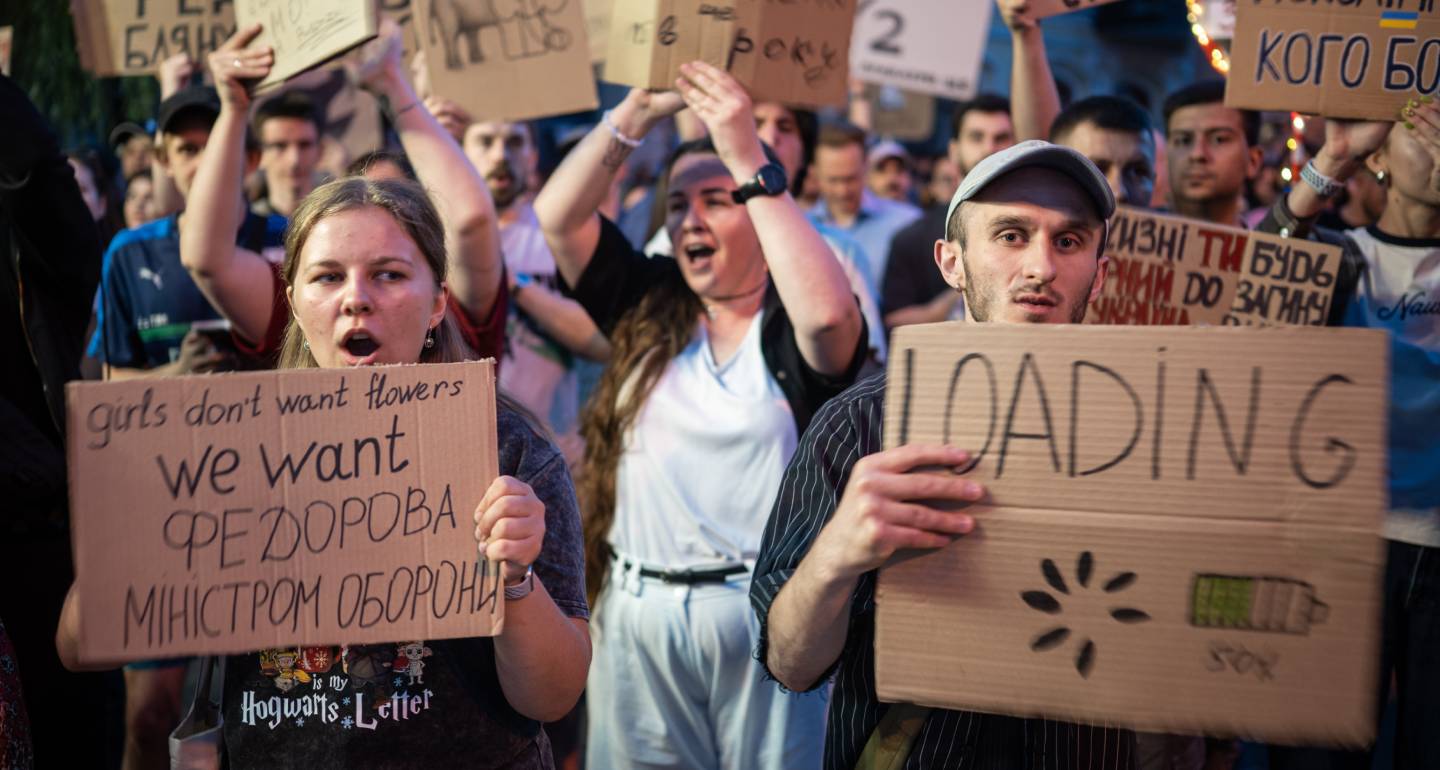
With his public call for new elections in Ukraine, ex-defense minister Mykhailo Fedorov has opened Pandora’s box.

Konstantin Skorkin
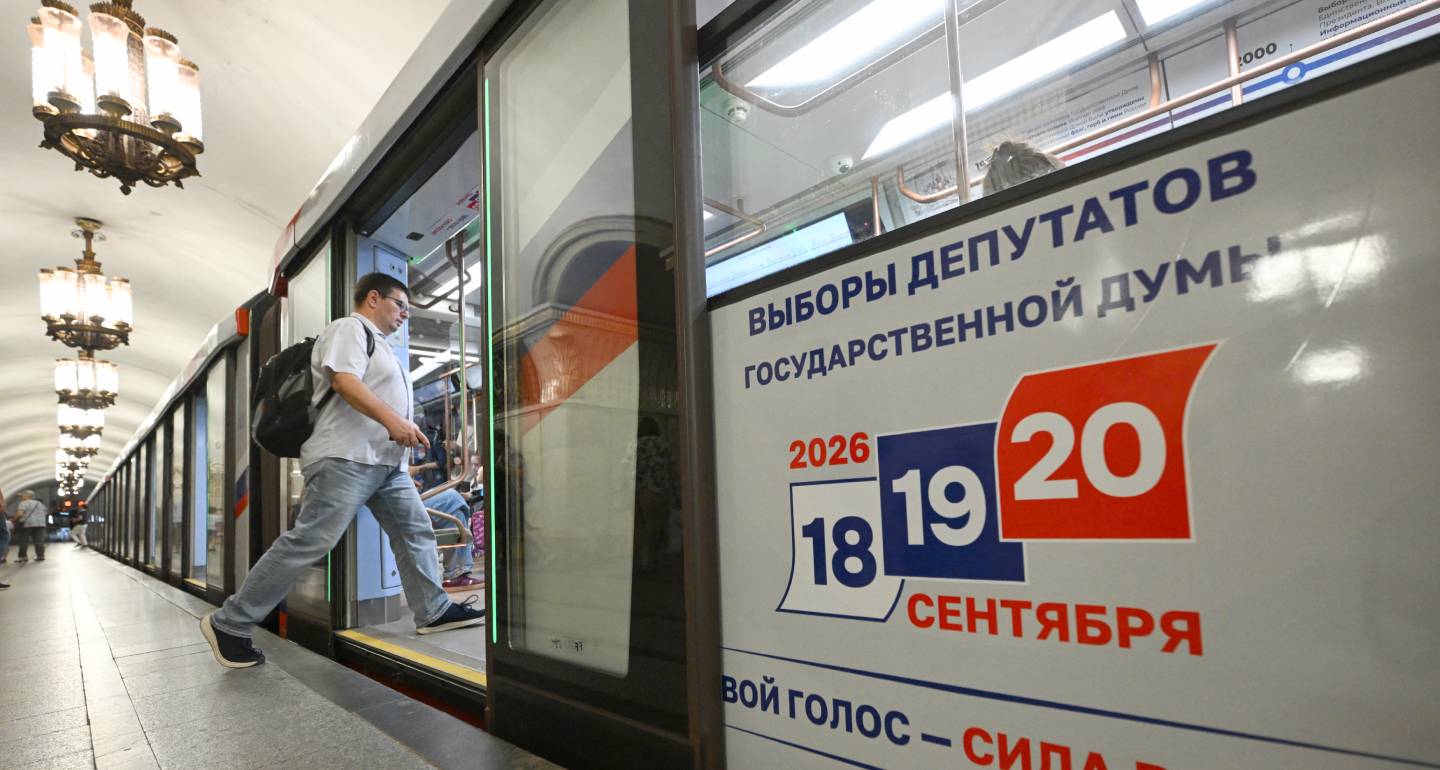
In the discussions made possible by the State Duma election campaign, one question is being asked more and more loudly. “What next?”

Andrey Pertsev

Two divergent trends—Putin’s hardline vision of how to prosecute the war in Ukraine, and a growing desire for change in Russia—could tear the regime apart.

Tatiana Stanovaya
Ultimately, Zelensky sided neither with the reform camp nor with the military establishment as such, but with political control.
Balázs Jarábik