

Commentary
The European far right might fail to steer EU policy in the direction Russia wants, but they will create enough chaos inside Europe to benefit the Kremlin.
Dimitar Bechev
{
  "authors": [
    "Taghreed El-Khodary",
    "Philip C. Wilcox Jr.",
    "Sarah Ferris",
    "Ellen Willmott"
  ],
  "type": "commentary",
  "centerAffiliationAll": "dc",
  "centers": [
    "Carnegie Endowment for International Peace"
  ],
  "collections": [],
  "englishNewsletterAll": "menaTransitions",
  "nonEnglishNewsletterAll": "",
  "primaryCenter": "Carnegie Endowment for International Peace",
  "programAffiliation": "MEP",
  "programs": [
    "Middle East"
  ],
  "projects": [],
  "regions": [
    "Middle East",
    "Israel",
    "Palestine"
  ],
  "topics": [
    "Security"
  ]
}
REQUIRED IMAGE
Under the control of Hamas and hemmed in by Israeli containment policies, the Gaza Strip continues to pose multiple challenges for humanitarian and reconstruction efforts as well as for broader U.S. strategic interests in the region.
Under the control of Hamas and hemmed in by Israeli containment policies, the Gaza Strip continues to pose multiple challenges for humanitarian and reconstruction efforts as well as for broader U.S. strategic interests in the region. The Gaza crisis has contributed to internal political rivalries among Palestinian factions and complicated Cairo’s efforts to advance Palestinian reconciliation talks. Does the U.S. administration’s current push for restarting negotiations require a united Palestinian partner? How can U.S. investments in Gaza be leveraged to secure progress on the ground while addressing U.S. security interests in the region? Does the path to peace go through Gaza or require a diplomatic detour?
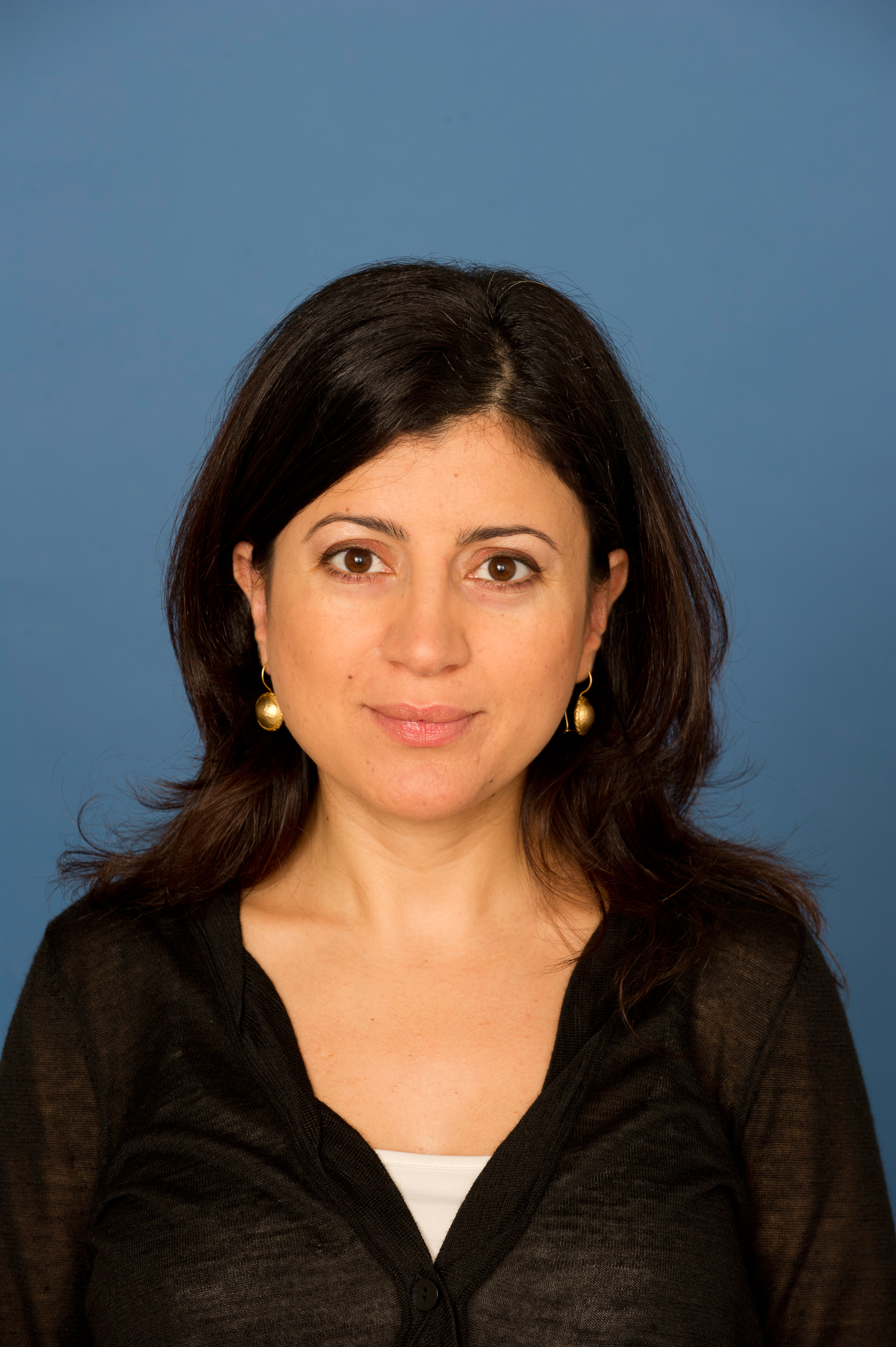
Former Visiting Scholar, Heinrich Boell Fellow, Middle East Program
El-Khodary was a visiting scholar in the Middle East Program, where her research focused on the future of Gaza.
Philip C. Wilcox, Jr.
Foundation for Middle East Peace
Sarah Ferris
Mercy Corps
Ellen Willmott
Save the Children
Carnegie does not take institutional positions on public policy issues; the views represented herein are those of the author(s) and do not necessarily reflect the views of Carnegie, its staff, or its trustees.

The European far right might fail to steer EU policy in the direction Russia wants, but they will create enough chaos inside Europe to benefit the Kremlin.

Dimitar Bechev

With the growth in points of friction between the great powers, organizations like the SCO will continue to play a role in the strategic adaptation of the smaller powers caught between them.

Temur Umarov

Two divergent trends—Putin’s hardline vision of how to prosecute the war in Ukraine, and a growing desire for change in Russia—could tear the regime apart.

Tatiana Stanovaya

Andrey Melnichenko’s essay offers no answer to the fundamental question of how, under any kind of negotiated settlement, Europe can protect itself from the Russian ressentiment that is inevitable in all scenarios except for an outright victory for Putin.

Leonid Bershidsky
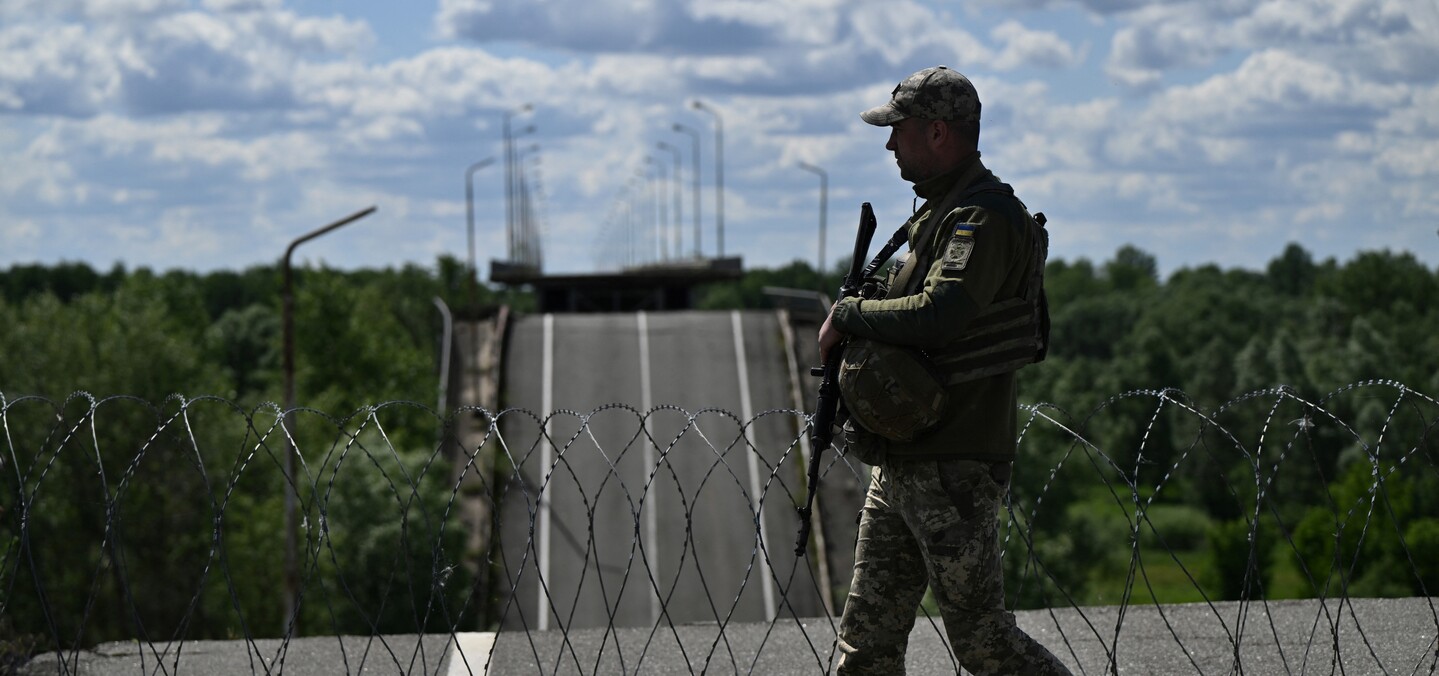
The recent damage inflicted by Ukrainian drones and missiles on Russia has made Belarus aware of its own vulnerabilities—and surprisingly amenable to Kyiv’s demands.

Artyom Shraibman