

Commentary
With the growth in points of friction between the great powers, organizations like the SCO will continue to play a role in the strategic adaptation of the smaller powers caught between them.
Temur Umarov
{
  "authors": [],
  "type": "pressRelease",
  "centerAffiliationAll": "dc",
  "centers": [
    "Carnegie Endowment for International Peace"
  ],
  "collections": [],
  "englishNewsletterAll": "ctw",
  "nonEnglishNewsletterAll": "",
  "primaryCenter": "Carnegie Endowment for International Peace",
  "programAffiliation": "SAP",
  "programs": [
    "South Asia"
  ],
  "projects": [],
  "regions": [
    "South Asia",
    "Pakistan",
    "East Asia",
    "China"
  ],
  "topics": [
    "Nuclear Policy"
  ]
}
REQUIRED IMAGE
Concerns are growing about China’s potential sale of two nuclear reactors to Pakistan. The United States should oppose the transaction in its current form and pressure China to reverse course.
WASHINGTON, July 19—Concerns are growing about China’s potential sale of two nuclear reactors to Pakistan. The United States should oppose the transaction in its current form and pressure China to reverse course, contends a new paper by Ashley J. Tellis. While some observers believe that the recent U.S.–India civil nuclear deal complicates Washington’s ability to credibly resist the China–Pakistan agreement, the two deals are fundamentally different.
Key findings:
“The record of the last decade suggests that the United States has been successful in impeding problematic Chinese nuclear sales to Pakistan whenever it has remonstrated with Beijing at very high levels of government in both capitals,” Tellis writes. “There is no reason why President Obama cannot sustain this record of American achievement if he invests time and attention on this issue, given the emphasis he has placed on managing nuclear proliferation.”
###
NOTES
Carnegie does not take institutional positions on public policy issues; the views represented herein are those of the author(s) and do not necessarily reflect the views of Carnegie, its staff, or its trustees.

With the growth in points of friction between the great powers, organizations like the SCO will continue to play a role in the strategic adaptation of the smaller powers caught between them.

Temur Umarov
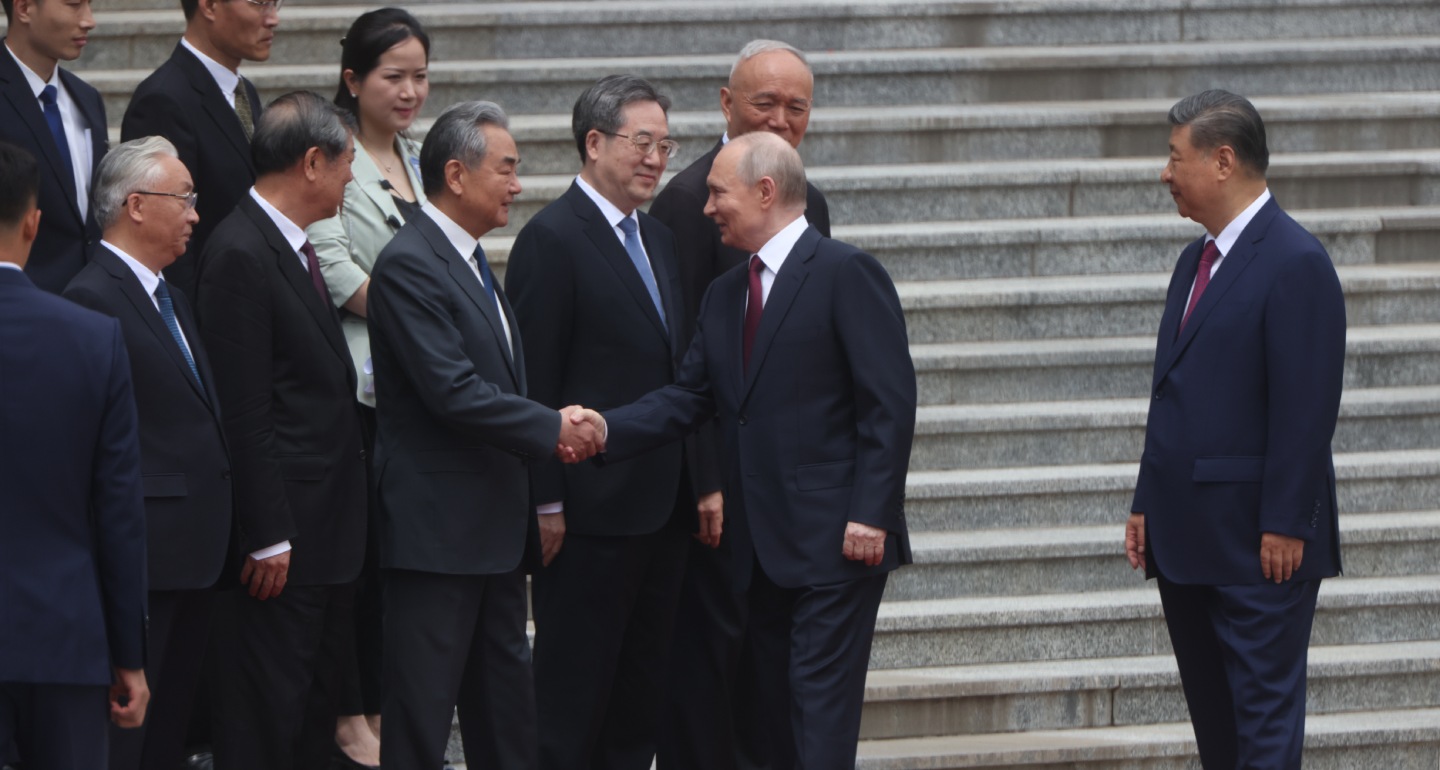
With no key agreement signed on the Power of Siberia 2 gas pipeline, there is a risk that the window of opportunity for Russia will close if Chinese power generation becomes so green that new gas sources are no longer of any interest to Beijing.

Alexander Gabuev

Tokyo would have to surmount a lot of obstacles—not least Western sanctions—if it wanted to return Russian oil imports to even modest pre-2022 volumes.

Vladislav Pashchenko
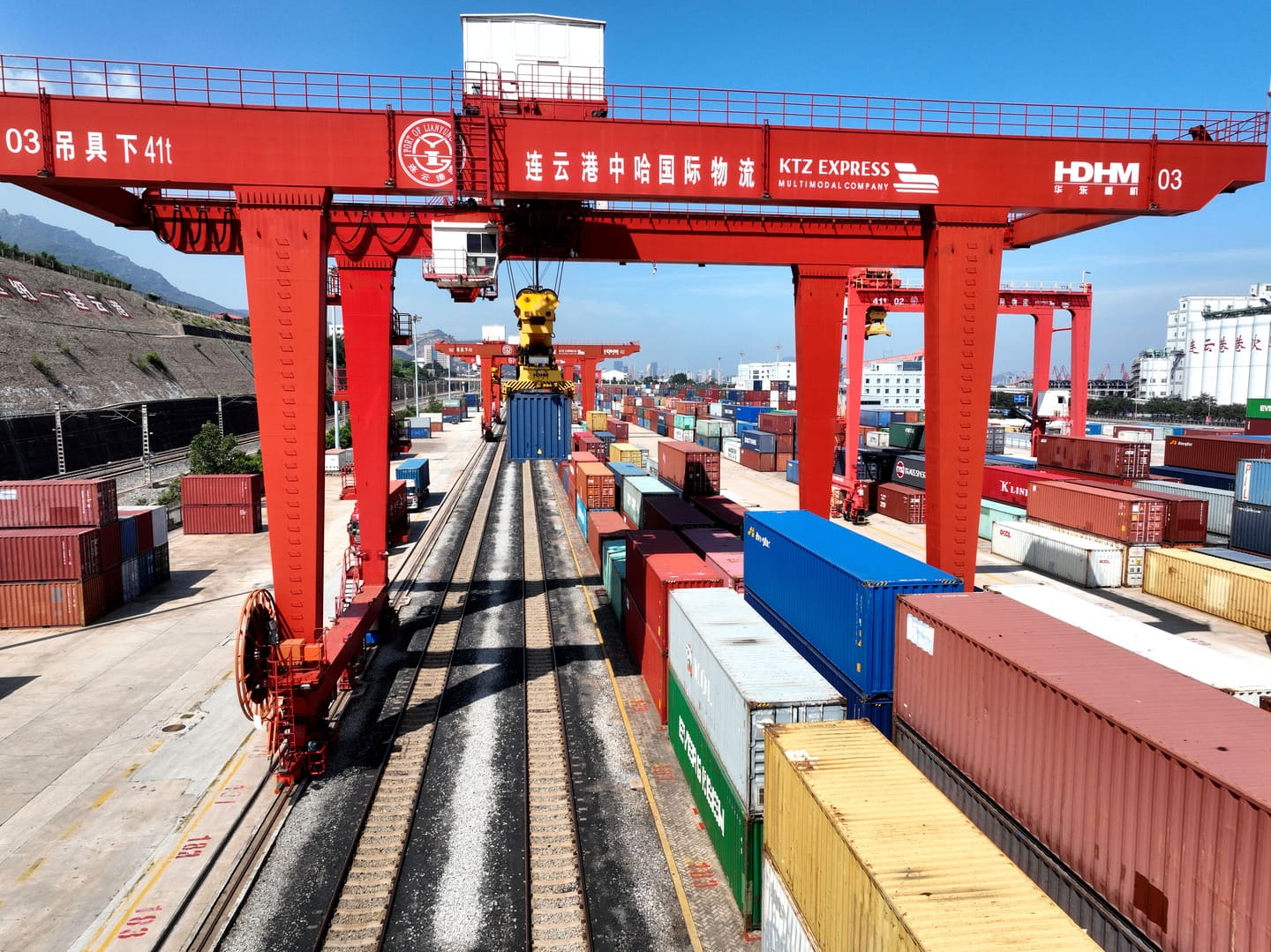
For the Middle Corridor to fulfill its promises, one of these routes must become scalable. At present, neither is.

Friedrich Conradi
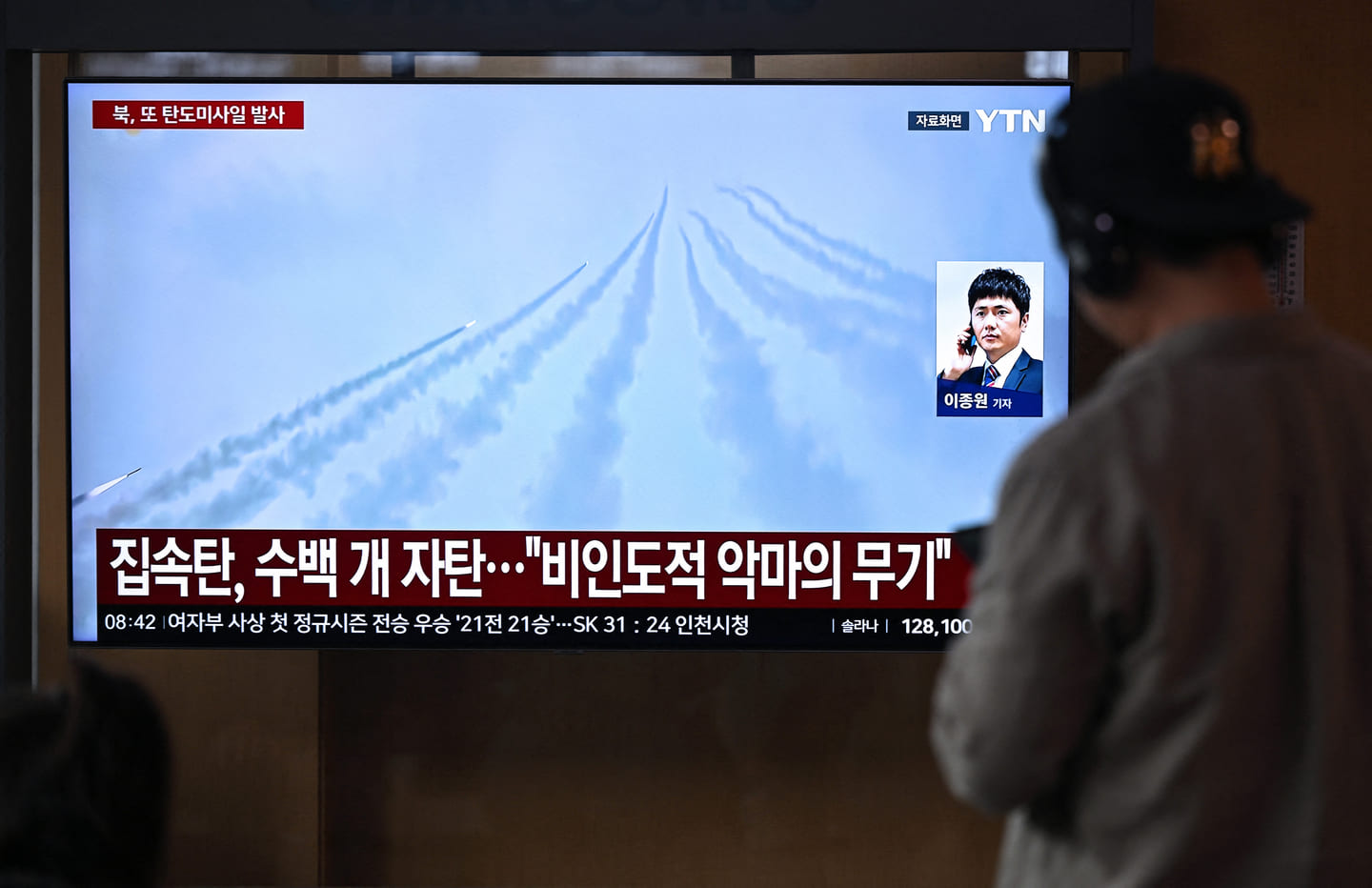
Troubled by the growing salience of nuclear debates in East Asia, Moscow has responded in its usual way: with condemnation and threats. But by exacerbating insecurity, Russia is forcing South Korea and Japan to consider radical security options.

James D.J. Brown