

Commentary
Trump has promised Belarus a massive potash deal. But Minsk is seeking something greater: restored Western transit and greater room for maneuver from Russia.
Balázs Jarábik
{
  "authors": [],
  "type": "pressRelease",
  "centerAffiliationAll": "dc",
  "centers": [
    "Carnegie Endowment for International Peace"
  ],
  "collections": [],
  "englishNewsletterAll": "ctw",
  "nonEnglishNewsletterAll": "",
  "primaryCenter": "Carnegie Endowment for International Peace",
  "programAffiliation": "SCP",
  "programs": [
    "Sustainability, Climate, and Geopolitics"
  ],
  "projects": [],
  "regions": [
    "United States",
    "North America"
  ],
  "topics": [
    "Climate Change"
  ]
}
REQUIRED IMAGE
The Carnegie Endowment for International Peace announced a new leadership initiative to develop a non-partisan solution for financing a better transportation system in the United States.
WASHINGTON, August 5—The U.S. highway trust fund is broke, unaccountable spending undermines long-term strategic priorities, and infrastructure is crumbling. Failure to reform the transportation system risks deepening U.S. dependence on oil, adding to climate change, and eroding economic competitiveness. Waiting to make real improvements only drives up future costs whereas responsible policies can improve transportation and reduce the national deficit today.
The Carnegie Endowment for International Peace today announced a new leadership initiative to develop a non-partisan solution for financing a better transportation system in the United States. Former U.S. Senator Bill Bradley, former Pennsylvania Governor and Secretary for Homeland Security Tom Ridge, and former U.S. Comptroller General and now president of the Peter G. Peterson Foundation David Walker, will lead an intensive analysis to find politically realistic measures to fix what is now a broken transportation system.
Recommendations will be prepared for consideration by both Congress and the President’s Fiscal Responsibility and Reform Commission.
Making the announcement, Bradley said:
“People think transportation finance is about ‘bridges to nowhere,’ and that transportation congestion is a condition to be endured, not a problem to be solved. But there are better, greener, and more fiscally prudent transportation solutions just around the corner. Finding those solutions is the purpose of this initiative.”
Ridge said:
“The disaster in the Gulf of Mexico is a powerful reminder that oil is the primary fuel that drives our economy and that it will likely be decades until we find alternatives that can reduce our dependence upon it. Oil is the fuel of choice in our transportation system and we collect taxes from users to finance the infrastructure. With 70 percent of the oil consumed in America flowing into our gas tanks, transportation energy and financing are clear national economic and environmental priorities.”
Walker said:
“When this nation set out in 1956 to build a national defense highway system, we did so on a pay-as-you-go basis. We now keep that system functional through deficit spending and mortgaging the future of our children and grandchildren without adequately addressing our related congestion, energy dependency, and environmental challenges. Our current approach is unacceptable, unsustainable, and unethical. It’s time for a change.”
Jessica Mathews, president of the Carnegie Endowment for International Peace, added:
“The urgency of this issue has never been more apparent. In keeping with Carnegie’s longstanding work on global challenges—notably among them the threat of climate change—we are looking to break the political stalemate and rethink U.S. transportation policies. Under the direction of three distinguished leaders—Bradley, Ridge, and Walker—this initiative will look for the best ways for the United States to, at the same time, reduce its dependence on oil, lower its carbon emissions, cut the national deficit, and improve a faltering transportation system.”
###
ABOUT
LEADERS
STAFF
NOTES
PRESS CONTACT
Carnegie does not take institutional positions on public policy issues; the views represented herein are those of the author(s) and do not necessarily reflect the views of Carnegie, its staff, or its trustees.

Trump has promised Belarus a massive potash deal. But Minsk is seeking something greater: restored Western transit and greater room for maneuver from Russia.

Balázs Jarábik

Minsk clearly expected the dialogue with Washington to yield more results, in particular the lifting of EU sanctions and permission to export potash.

Artyom Shraibman

When faced with fuel shortages in the past, Central Asian governments could always count on additional supplies from Moscow. That safety net no longer exists.

Galiya Ibragimova
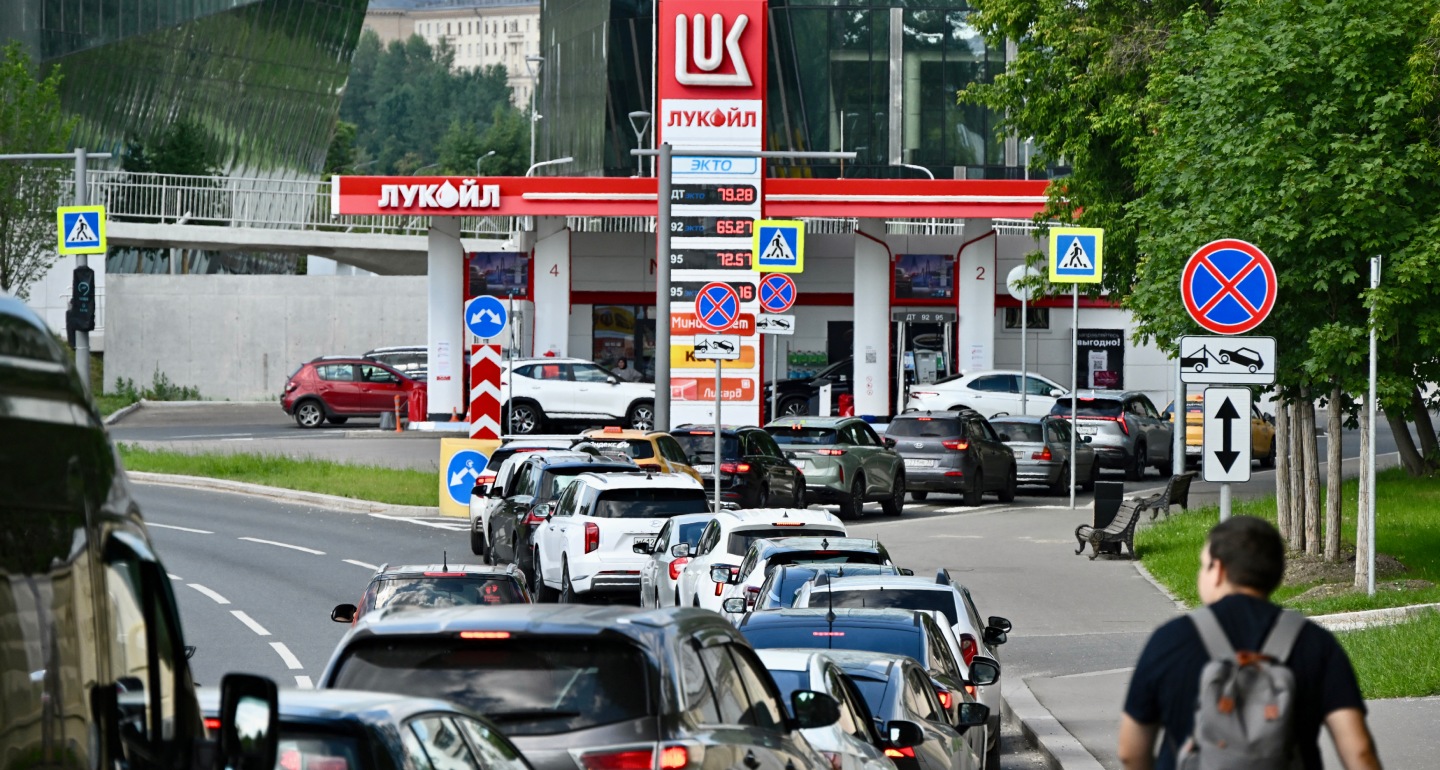
Official discussions about mini oil refineries are unlikely to come to anything—but the mere fact they’re happening reveals the regime is failing to deliver a functioning economy.

Sergey Vakulenko
Ongoing uncertainty in the Middle East allows Moscow to both increase its influence in Tehran and continue to enjoy the financial windfall of higher oil prices.

Nikita Smagin