

Article
- +1
Toby Dalton, Mark Hibbs, Nicole Grajewski, …
{
  "authors": [
    "Mark Hibbs"
  ],
  "type": "legacyinthemedia",
  "centerAffiliationAll": "dc",
  "centers": [
    "Carnegie Endowment for International Peace",
    "Carnegie Europe"
  ],
  "collections": [
    "U.S. Nuclear Policy"
  ],
  "englishNewsletterAll": "ctw",
  "nonEnglishNewsletterAll": "",
  "primaryCenter": "Carnegie Endowment for International Peace",
  "programAffiliation": "NPP",
  "programs": [
    "Nuclear Policy"
  ],
  "projects": [],
  "regions": [
    "North America",
    "United States",
    "South Asia",
    "Pakistan",
    "East Asia",
    "China",
    "Asia"
  ],
  "topics": [
    "Nuclear Policy",
    "Nuclear Energy"
  ]
}
Source: Getty
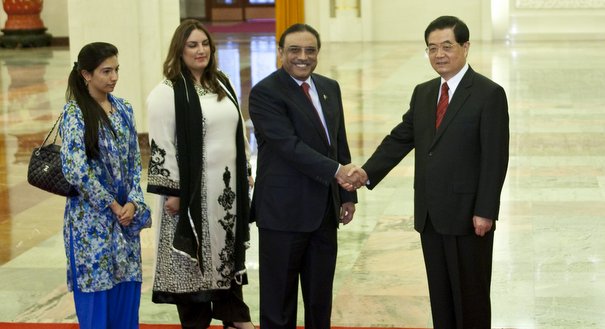
Chinese plans to flout global rules on nuclear trade by building two reactors in Pakistan are emblematic of Beijing's growing nuclear assertiveness and threatens to undermine the nonproliferation regime.
Source: International Herald Tribune

Beijing has a long history of supporting Pakistan’s nuclear program. But in 2004, China joined the Nuclear Suppliers Group (N.S.G.), the rulemaking body for nuclear trade, and agreed to halt nuclear commerce with states outside the Nuclear Nonproliferation Treaty, including Pakistan.
China’s export plans for Pakistan surfaced in February, after the U.S. concluded a civil nuclear deal with India, which, like Pakistan, has not signed the Nonproliferation Treaty. Washington arm-twisted other N.S.G. states, including China, to tolerate the deal and now U.S. companies will sell reactors to India.
The N.S.G.’s approval of commerce with India gave China an excuse to export more reactors to Pakistan. Beijing has three options: It can follow the U.S.-India example and request an exemption for Pakistan; it can claim that new exports are “grandfathered” by a pre-2004 China-Pakistan agreement and don’t violate the N.S.G. rules; or it can ignore the voluntary guidelines.
Washington’s position on the transaction has hardened. In June, U.S. officials told the N.S.G. that Washington would object if Beijing claimed that trade with Pakistan was grandfathered and that China should seek an exemption from group regulations. Last month, the State Department went further, telling lawmakers that the U.S. would also object should China seek an exemption.
Washington’s resolve not to rubber-stamp the export to Pakistan is a good sign. But it does not know how Beijing will respond to its latest stance. Diplomats from other N.S.G. countries say the matter is delicate because China approved Washington’s deal with India and expects reciprocity or a “face saver.”
Some group representatives hope that Washington’s opposition is an opening gambit toward a discussion with China. Talks could cover the terms under which the United States could eventually support a Chinese exemption; U.S. incentives to get China to better control nuclear exports; and Chinese support for a treaty designed to halt production of nuclear material for weapons.
N.S.G. representatives are also concerned that if Washington slams the door, Beijing could quit the group. China is investing billions on a civilian nuclear build-up. With over 60 percent of the world’s reactors under construction in China, the prospect of Beijing leaving the world’s nuclear trade regime is unsettling. The worst scenario is that a booming Chinese nuclear juggernaut unfettered by N.S.G. guidelines would spawn an impenetrable black market. So the U.S. and the N.S.G. need China to play by the rules — but also to remain in the N.S.G.
Washington has successfully pushed back against Chinese nuclear exports before by using carrots and sticks. China wants to build over 60 reactors. This is only possible if foreign companies continue to cooperate with Chinese ones. China also aims to export nuclear reactors, to Argentina, among others. Since Argentina is in the Nonproliferation Treaty, the export would conform to guidelines. But China would need approval from the foreign firms that designed the reactor. Bottom line: Nuclear suppliers have leverage over China.
Pakistan has massive energy problems, but building two small Chinese reactors, which Pakistan can scarcely afford, won’t quickly bring relief.
Unless diplomacy can circumvent the deal, it will be discussed during the N.S.G.’s November meeting. In the meantime, U.S. officials must show Beijing that there are better options than violating the rules, but avoid isolating China’s nuclear program.
In 10 years China could be the world’s biggest generator of nuclear power after the United States. It intends to become a major commercial plutonium hub and may develop a uranium enrichment industry. Beijing will clearly be a key player in preventing nuclear proliferation. It’s time for direct engagement — and it’s an opportune time to start.

Nonresident Senior Fellow, Nuclear Policy Program
Hibbs is a Germany-based nonresident senior fellow in Carnegie’s Nuclear Policy Program. His areas of expertise are nuclear verification and safeguards, multilateral nuclear trade policy, international nuclear cooperation, and nonproliferation arrangements.
Recent Work


Toby Dalton, Mark Hibbs, Nicole Grajewski, …
Mark Hibbs
Carnegie does not take institutional positions on public policy issues; the views represented herein are those of the author(s) and do not necessarily reflect the views of Carnegie, its staff, or its trustees.
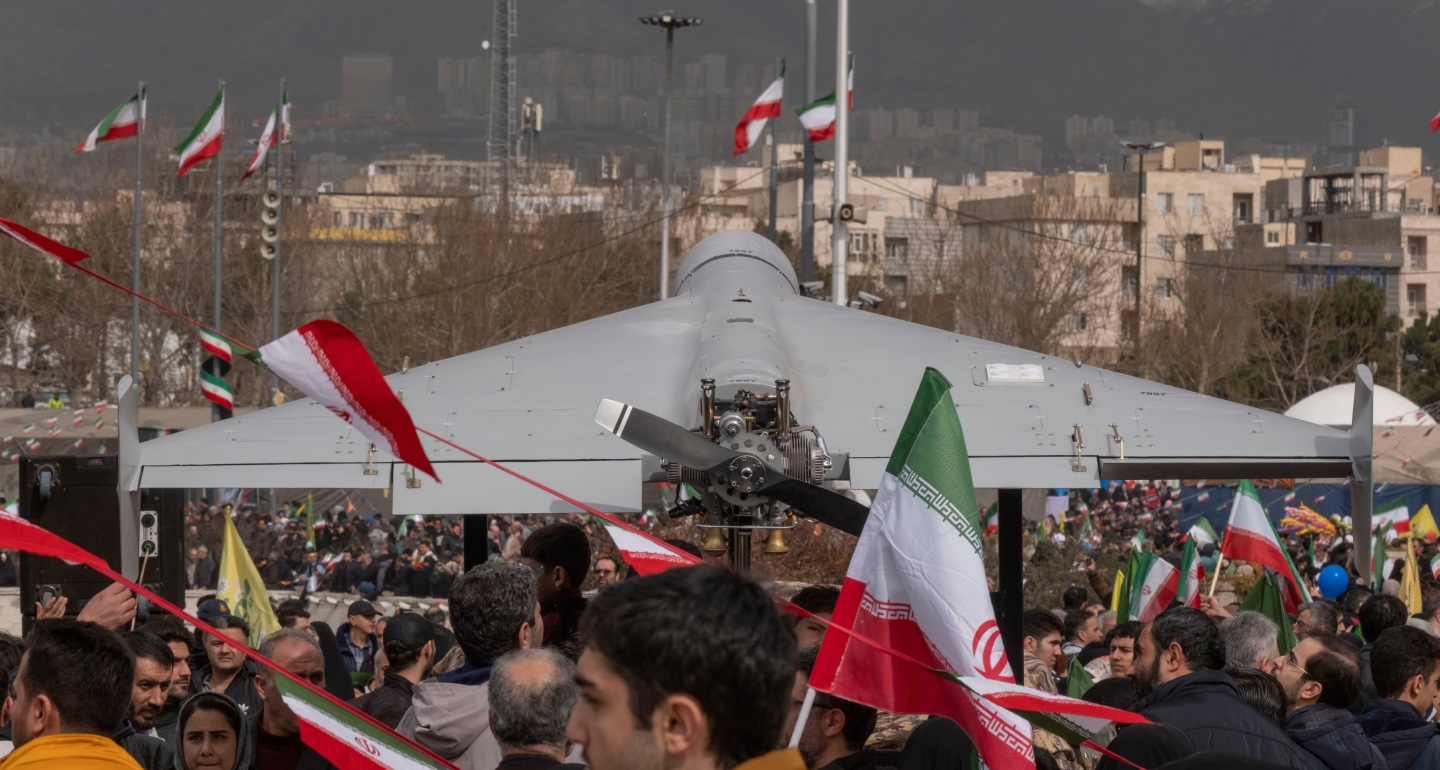
The Russian leadership wants to avoid a dangerous precedent in which it is squeezed out of Iran by the United States and Israel—and left powerless to respond in any meaningful way.

Nikita Smagin
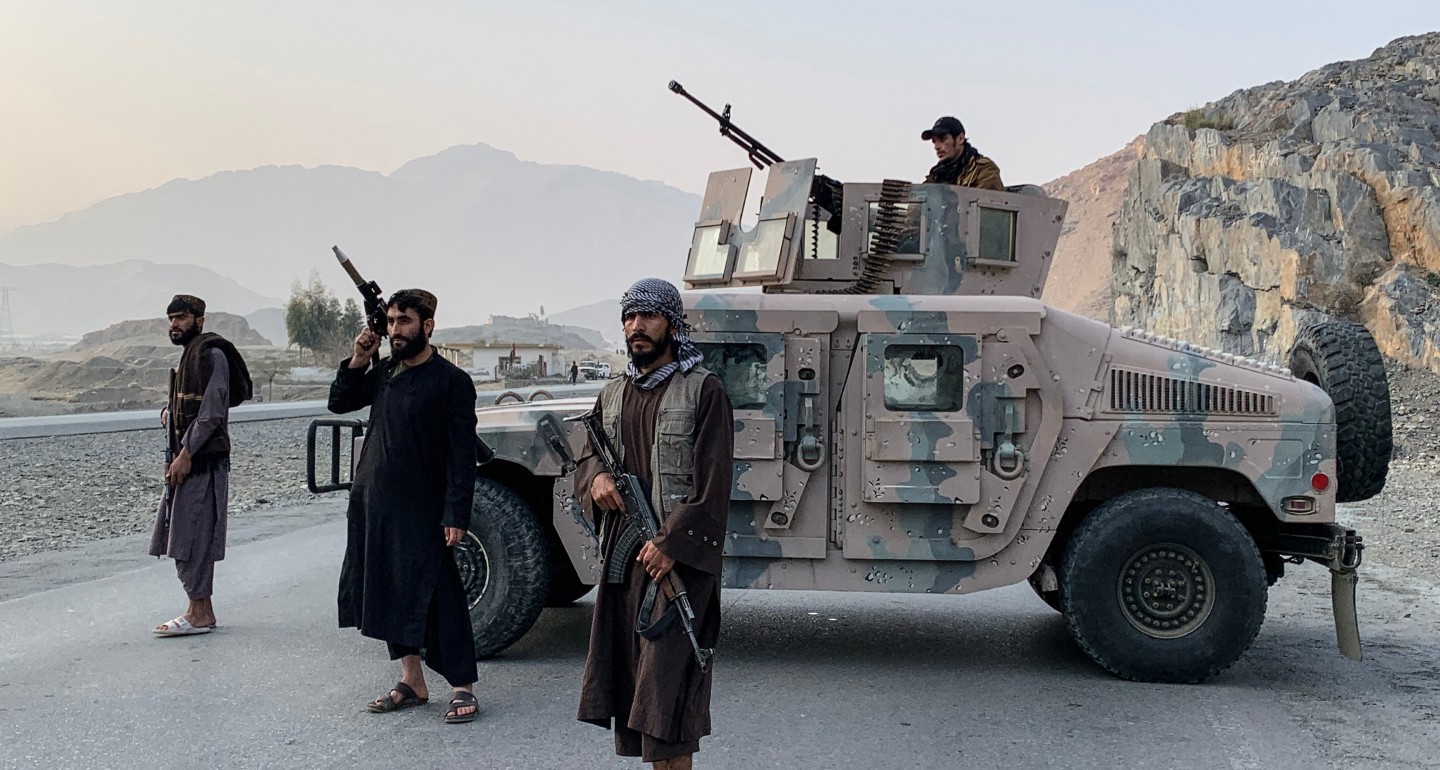
Not only does the fighting jeopardize regional security, it undermines Russian attempts to promote alternatives to the Western-dominated world order.

Ruslan Suleymanov

Lukashenko is willing to make big sacrifices for an invitation to Mar-a-Lago or the White House. He also knows that the clock is ticking: he must squeeze as much out of the Trump administration as he can before congressional elections in November leave Trump hamstrung or distracted.

Artyom Shraibman
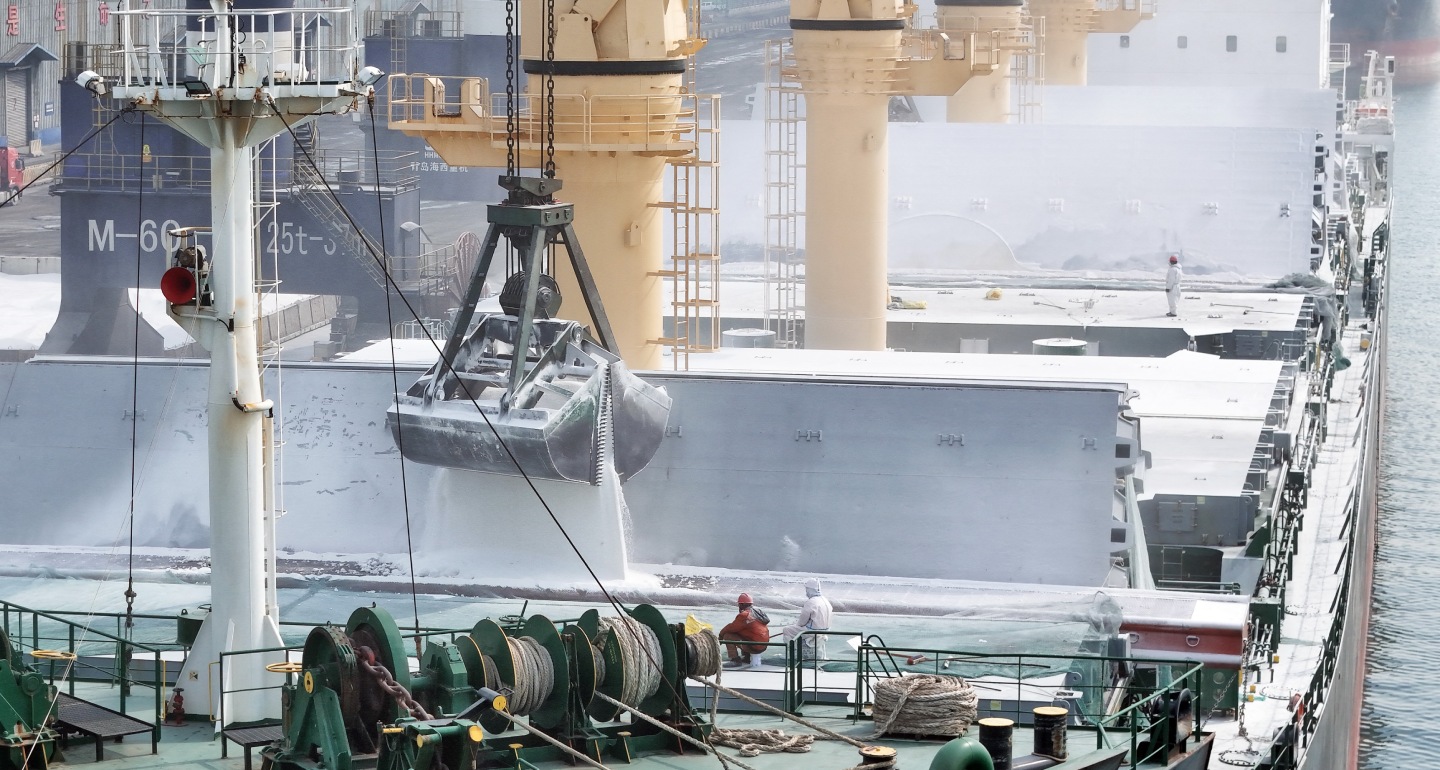
The Kremlin expects to not only profit from rising fertilizer prices but also exact revenge for the collapse of the 2023 grain deal.

Alexandra Prokopenko
Most of Moscow’s military resources are tied up in Ukraine, while Beijing’s foreign policy prioritizes economic ties and avoids direct conflict.


Alexander Gabuev, Temur Umarov