

Article
Pieter Bottelier
{
  "authors": [
    "Pieter Bottelier"
  ],
  "type": "legacyinthemedia",
  "centerAffiliationAll": "dc",
  "centers": [
    "Carnegie Endowment for International Peace"
  ],
  "collections": [],
  "englishNewsletterAll": "asia",
  "nonEnglishNewsletterAll": "",
  "primaryCenter": "Carnegie Endowment for International Peace",
  "programAffiliation": "AP",
  "programs": [
    "Asia"
  ],
  "projects": [],
  "regions": [
    "East Asia",
    "China",
    "North America"
  ],
  "topics": [
    "Economy",
    "Trade"
  ]
}
Source: Getty
China’s quick recovery from the Great Recession has raised questions about its role in the world economy and its relationship with the United States, where economic growth has been slow to return.
Source: C-SPAN

Bottelier notes that the flare-up between U.S. and Chinese leaders over the value of China’s currency is problematic. Seeking an “adversarial relationship with China on trade is unwarranted and dangerous,” he warns. Tariffs on Chinese goods would make imports from China more expensive and create almost no jobs in the United States, since importers would simply look for new sources of goods rather than moving production to the United States. In short, Bottelier says, “by punishing China, there is very little that the United States can do without punishing itself.”
Rather than blame Beijing, the United States should see China as an opportunity. China and other large emerging markets could become extremely important sources for consumption of U.S. goods. This process will take time, however, as consumption is currently “too low in China, but this only indicates that there is an enormous potential for growth,” concludes Bottelier.

Former Nonresident Scholar, International Economics Program
Bottelier was a nonresident scholar in Carnegie’s International Economics Program and senior adjunct professor of China studies at the School of Advanced International Studies (SAIS), the Johns Hopkins University. His work currently focuses on China’s economic reform and development.
Recent Work
Pieter Bottelier
Pieter Bottelier
Carnegie does not take institutional positions on public policy issues; the views represented herein are those of the author(s) and do not necessarily reflect the views of Carnegie, its staff, or its trustees.

Trump has promised Belarus a massive potash deal. But Minsk is seeking something greater: restored Western transit and greater room for maneuver from Russia.

Balázs Jarábik

Depleted financial reserves and a shrinking tax base mean it is no longer possible to simultaneously deliver high defense spending, price stability, and economic growth.

Alexandra Prokopenko

With the growth in points of friction between the great powers, organizations like the SCO will continue to play a role in the strategic adaptation of the smaller powers caught between them.

Temur Umarov

When faced with fuel shortages in the past, Central Asian governments could always count on additional supplies from Moscow. That safety net no longer exists.

Galiya Ibragimova
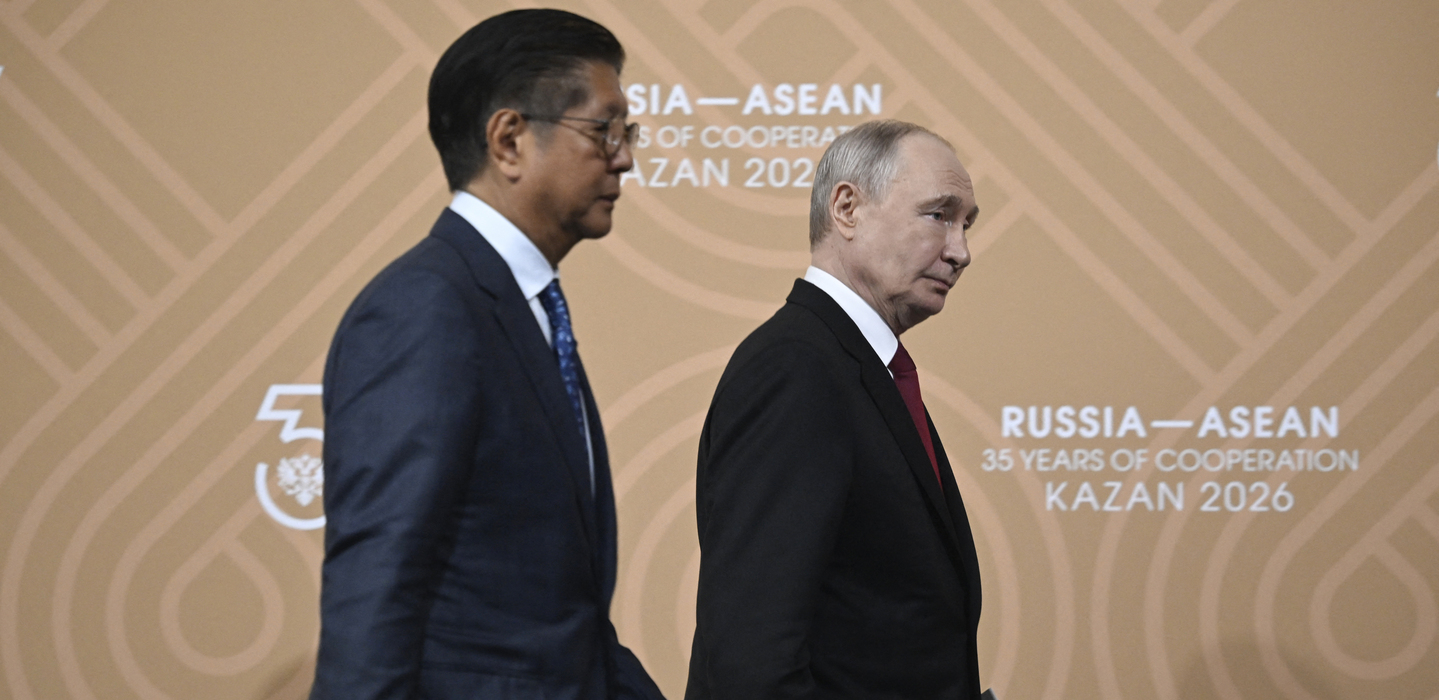
Russia looks set to reap economic benefits from closer ties with Southeast Asian countries that are keen to find reliable energy suppliers and diversify trade ties.

Alexander Gabuev