

Commentary
Dmitri Trenin
{
  "authors": [
    "Dmitri Trenin"
  ],
  "type": "legacyinthemedia",
  "centerAffiliationAll": "",
  "centers": [
    "Carnegie Endowment for International Peace",
    "Carnegie Russia Eurasia Center"
  ],
  "collections": [],
  "englishNewsletterAll": "",
  "nonEnglishNewsletterAll": "",
  "primaryCenter": "Carnegie Russia Eurasia Center",
  "programAffiliation": "",
  "programs": [],
  "projects": [],
  "regions": [
    "Middle East",
    "Iran"
  ],
  "topics": [
    "Foreign Policy"
  ]
}
Source: Getty
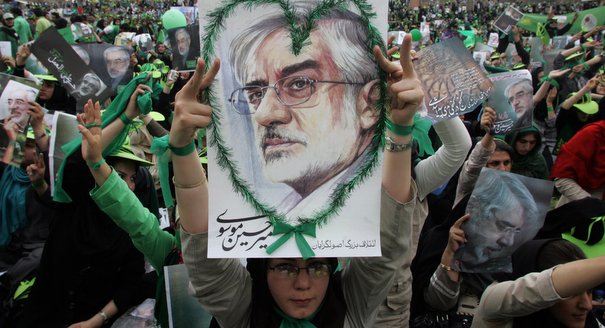
In order to convince Iran to use its eventual nuclear weapons arsenal only for deterrence and regional power politics, the Obama administration must work to empower the moderates in the Iranian leadership.
Source: Foreign Policy

Obama essentially has two options: He can provoke the Iranian leadership, or he can seek to influence it, tipping the balance in favor of the moderates. The options mentioned in policy circles so far include striking Iran, supporting an Israeli attack, or imposing ever more stringent sanctions. None will work, however, and each will backfire -- empowering the regime's most radical elements by offering them a pretext to attack Israel or the West. The president must resist the temptation to use highly visible, but blunt instruments of power.
Instead, the Obama administration must work to isolate the religious fanatics and their allies among the Revolutionary Guards, empowering the moderates. Elements of such a strategy include: increasing economic and cultural openness toward Iran; coordinating closely with foreign partners, from Europe and Turkey to Russia and China; and aligning NATO's missile-defense plans with its erstwhile rival, Moscow. There is no guarantee, of course, that this strategy will succeed. What it does ensure is -- at the very least -- that the United States will not make matters worse by throwing a public-relations softball to Iran's radical fanatics. Iran's bomb may be inevitable; its use is still preventable.
Former Director, Carnegie Moscow Center
Trenin was director of the Carnegie Moscow Center from 2008 to early 2022.
Recent Work
Dmitri Trenin
Dmitri Trenin
Carnegie does not take institutional positions on public policy issues; the views represented herein are those of the author(s) and do not necessarily reflect the views of Carnegie, its staff, or its trustees.

With the growth in points of friction between the great powers, organizations like the SCO will continue to play a role in the strategic adaptation of the smaller powers caught between them.

Temur Umarov

When faced with fuel shortages in the past, Central Asian governments could always count on additional supplies from Moscow. That safety net no longer exists.

Galiya Ibragimova

Despite unhappiness on the ground, Moscow is determined to use both carrot and stick to ensure there is record support for United Russia in occupied Ukraine.

Konstantin Skorkin

The recent damage inflicted by Ukrainian drones and missiles on Russia has made Belarus aware of its own vulnerabilities—and surprisingly amenable to Kyiv’s demands.

Artyom Shraibman
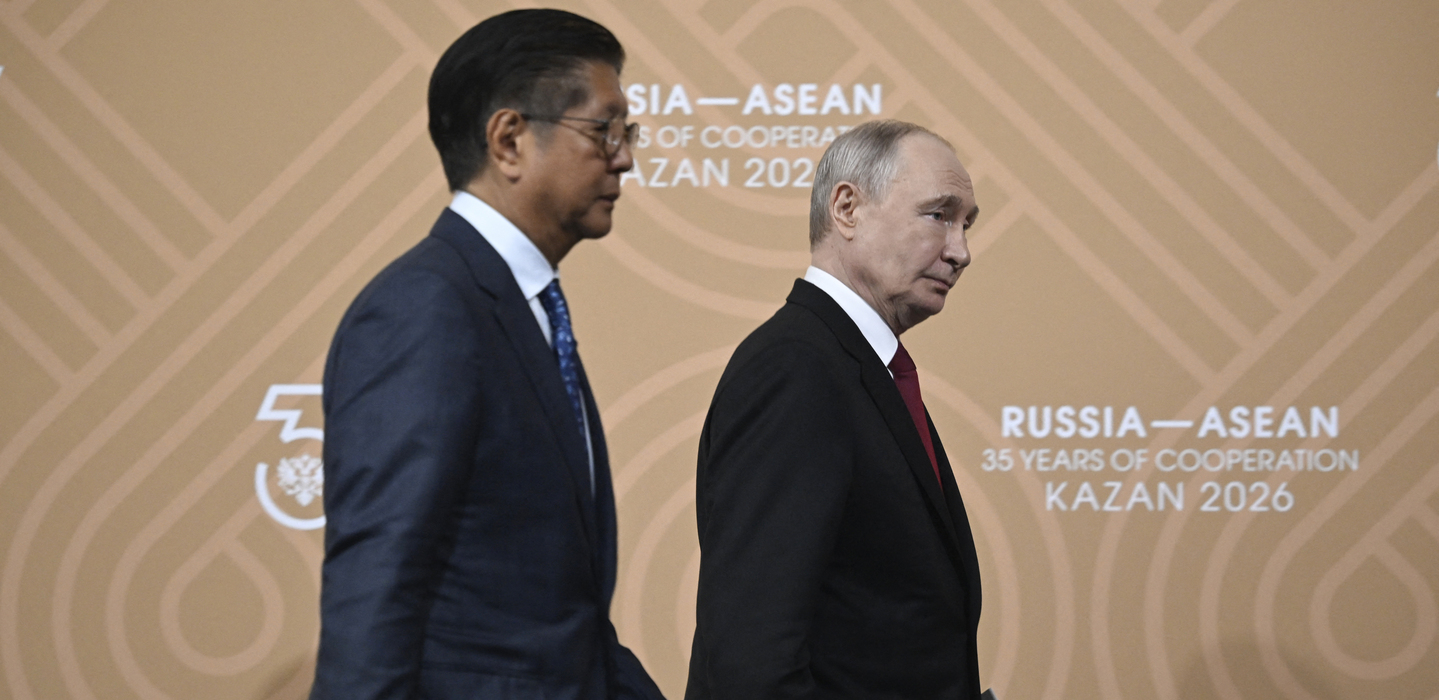
Russia looks set to reap economic benefits from closer ties with Southeast Asian countries that are keen to find reliable energy suppliers and diversify trade ties.

Alexander Gabuev