

Q&A
- +1
Amr Hamzawy, Andrew Leber, Eric Lob, …
{
  "authors": [
    "Marwan Muasher"
  ],
  "type": "legacyinthemedia",
  "centerAffiliationAll": "dc",
  "centers": [
    "Carnegie Endowment for International Peace",
    "Carnegie Europe",
    "Malcolm H. Kerr Carnegie Middle East Center"
  ],
  "collections": [
    "Arab Awakening"
  ],
  "englishNewsletterAll": "menaTransitions",
  "nonEnglishNewsletterAll": "",
  "primaryCenter": "Carnegie Endowment for International Peace",
  "programAffiliation": "MEP",
  "programs": [
    "Middle East"
  ],
  "projects": [],
  "regions": [
    "Middle East",
    "North Africa",
    "Egypt",
    "Tunisia",
    "Gulf",
    "Levant",
    "Maghreb"
  ],
  "topics": [
    "Political Reform"
  ]
}
Source: Getty
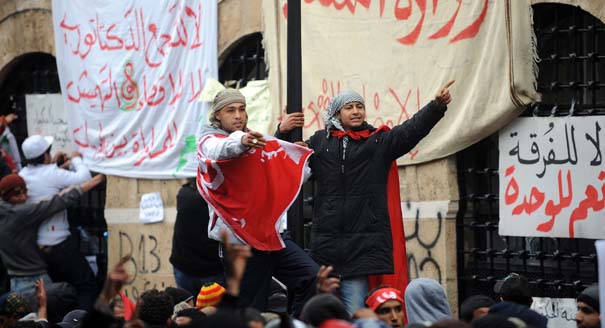
Although the wave of protests in Tunisia was set off by economic complaints, the true threat to stability in the Arab world is poor governance.
Source: The Guardian

It's essential that Arab leaders draw the right lessons as they look to avoid the same fate as Tunisia's former president, Zine el-Abidine Ben Ali. If they don't, crises will continue to roil the region - Egypt is not the only country at risk. Although the wave of protests was set off by economic complaints, it's wrong to think that it was all about the economy – the true threat to stability in the Arab world is poor governance.
It is too early to tell if Tunisia will be able to move towards establishing a real democracy that addresses the concerns of the protesters – the small forward steps are still reversible at this stage.
But it is important to keep in mind that the protesters in Tunisia were angered by much more than economics. Tunisia was a police state where corruption was pervasive for years, and credible complaints about political rights brought people into the street.
The unanticipated crisis in Tunisia has altered the status quo in the Arab world, and it's critical that the region doesn't go back to business as usual. There are three unavoidable lessons that Arab leaders can't ignore.
The first is that it is easy to point the finger at high prices and unemployment as the principal reasons for the protests, but it's not that simple. Several countries are already taking short-term steps, including subsidies for basic staples and better salaries, but this won't work for ever. Real solutions need to improve democratic and political rights, fight corruption, and defend the rule of law.
The second point that everyone needs to realise is that no country is safe – all Arab countries are under threat. There's a tendency among Arab leaders and their advisers to take comfort in the differences that their countries have with Tunisia and to assume that kneejerk handouts can easily deal with economic grievances. But this is a false sense of safety and obviously doesn't hold with the unfolding events in Egypt.
The tumult wasn't supposed to happen in Tunisia – it's one of the last countries in the Arab world where people expected things to go wrong. The country experienced relatively good economic growth, the government faced a mild opposition, and the ruling regime enjoyed a strong security force. But this didn't prevent people from taking to the streets. With this in mind, no leader is immune.
And the last lesson is that old arguments rationalising tight controls on politics to keep Islamists from gaining power are fundamentally undermined. Governments use the fear of Islam to justify closed political systems that clamp down on all forms of discontent.
But Tunisia changes the narrative. The actions of one person – an individual who wasn't associated with a militant group or Islamist party – were able to trigger widespread protests about political rights. Repressing people's opinions gives them no way to voice their complaints.
The question now becomes whether or not the Arab world will learn from example. The signs so far are disappointing, as it doesn't appear that Arab leaders are following the right lessons. Every country needs to initiate long-term, sustained and serious political reform before it's too late.
Looking around the region – from Ben Ali's fall in Tunisia and rising tensions in Lebanon to questions about the secession in Egypt andd the birth of a new nation in Sudan – it's clear that the Arab world is in turmoil. The thing that ties it all together is the low quality of governance. Unless Arab leaders, who so far are reluctant to give up their absolute power and lives of privilege, take immediate steps to improve democratic and political rights, the Arab world is destined for more crises.

Vice President for Studies
Marwan Muasher is vice president for studies at Carnegie, where he oversees research in Washington and Beirut on the Middle East. Muasher served as foreign minister (2002–2004) and deputy prime minister (2004–2005) of Jordan, and his career has spanned the areas of diplomacy, development, civil society, and communications.
Recent Work



Amr Hamzawy, Andrew Leber, Eric Lob, …
Marwan Muasher
Carnegie does not take institutional positions on public policy issues; the views represented herein are those of the author(s) and do not necessarily reflect the views of Carnegie, its staff, or its trustees.
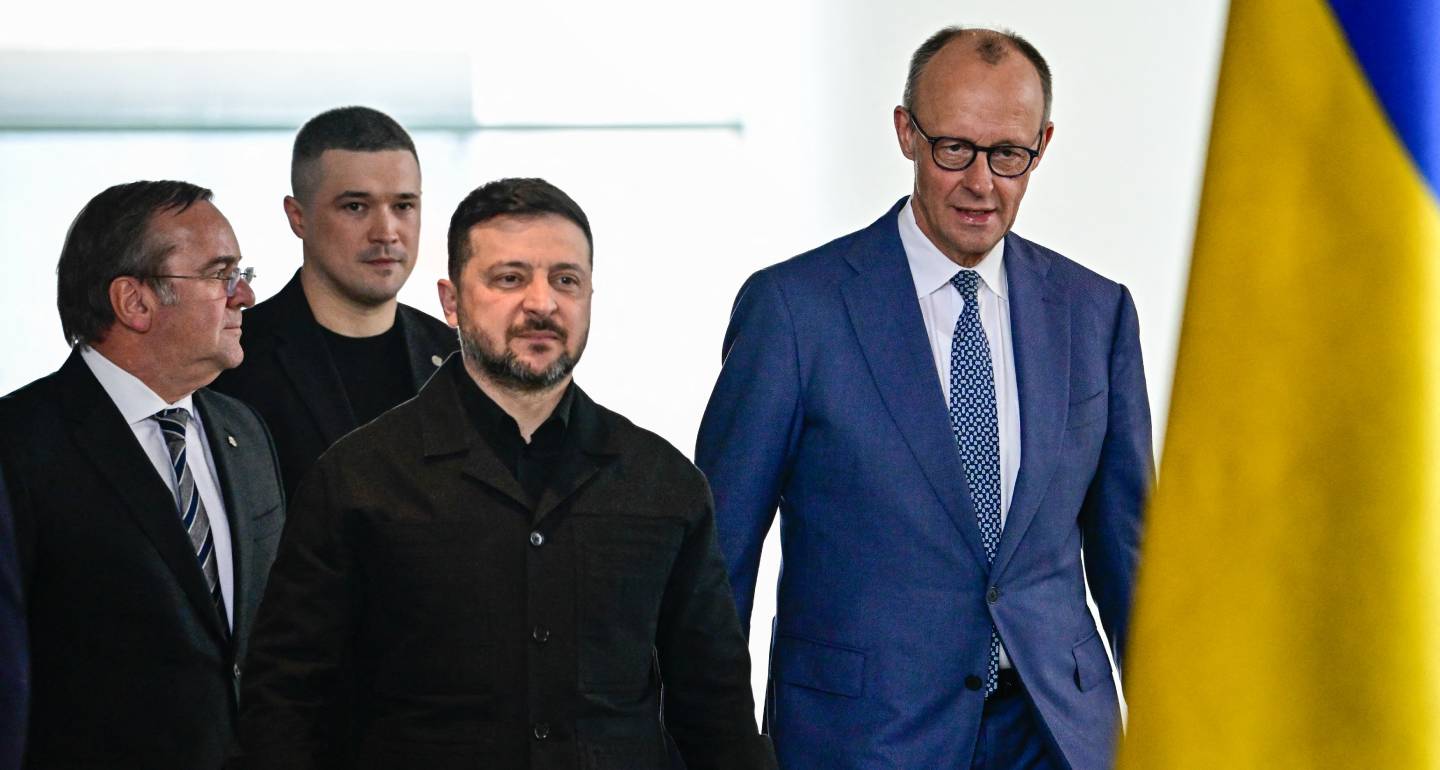
The greater threat to Zelensky comes not from Fedorov alone, but from the convergence between the former defense minister’s political campaign and the anti-corruption investigations moving ever closer to the presidential administration.

Balázs Jarábik
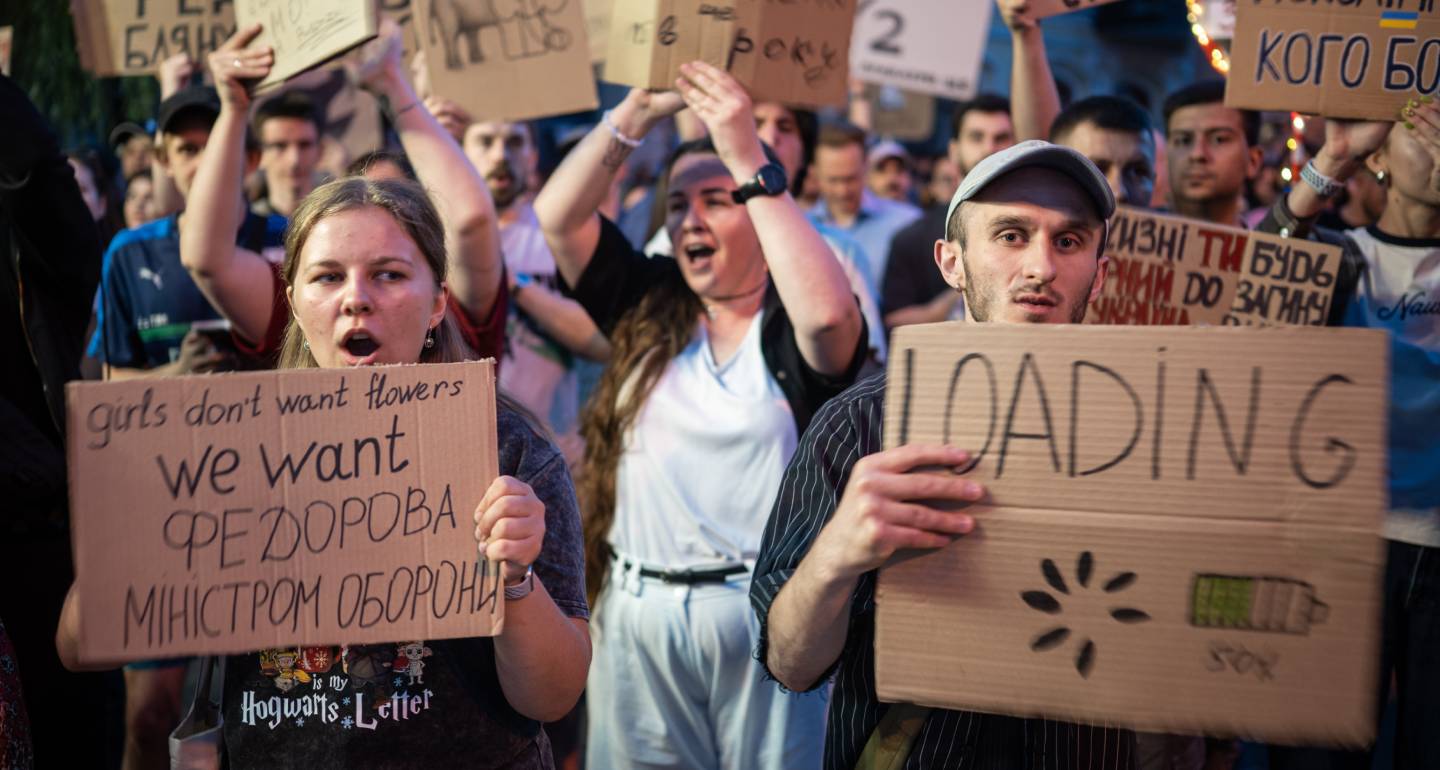
With his public call for new elections in Ukraine, ex-defense minister Mykhailo Fedorov has opened Pandora’s box.

Konstantin Skorkin

In the discussions made possible by the State Duma election campaign, one question is being asked more and more loudly. “What next?”

Andrey Pertsev

Two divergent trends—Putin’s hardline vision of how to prosecute the war in Ukraine, and a growing desire for change in Russia—could tear the regime apart.

Tatiana Stanovaya
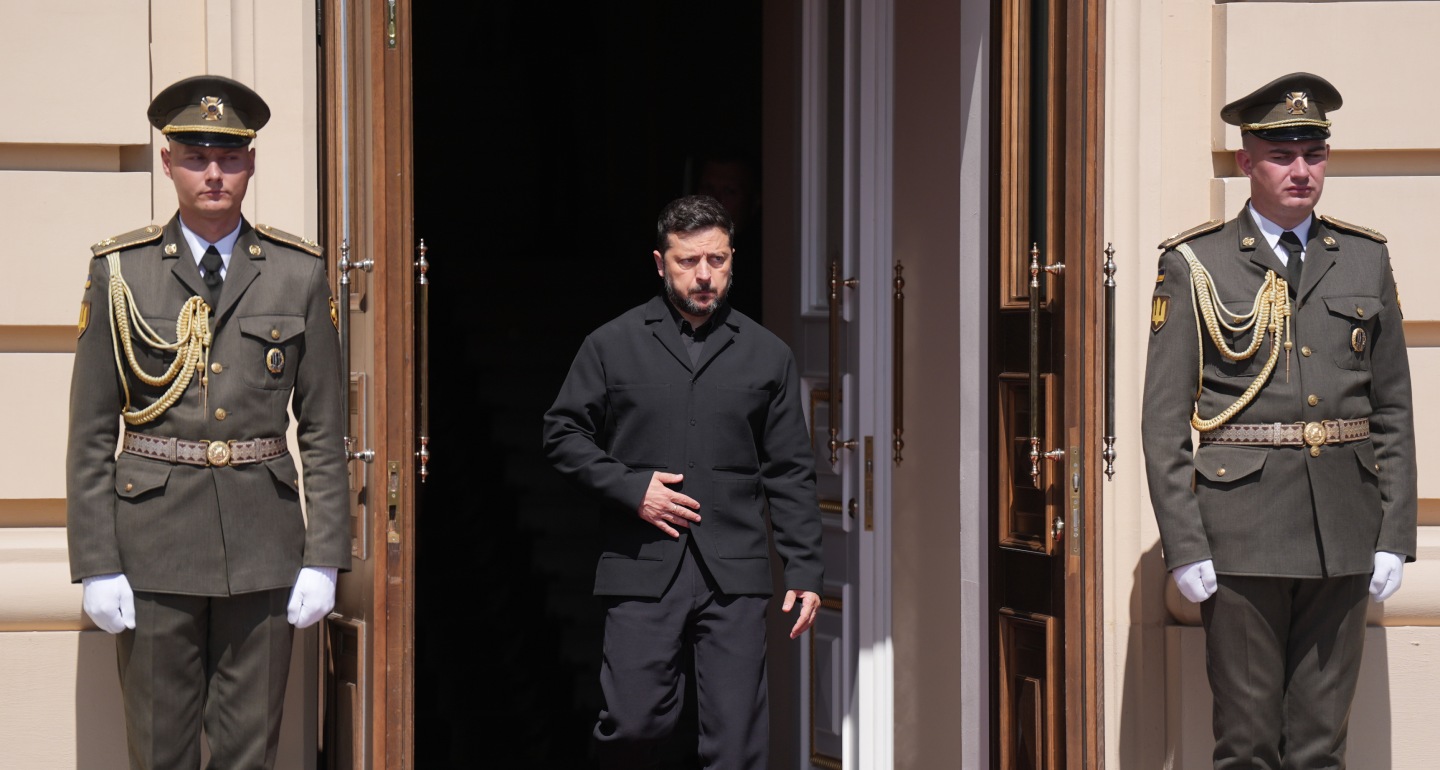
Ultimately, Zelensky sided neither with the reform camp nor with the military establishment as such, but with political control.
Balázs Jarábik