

Commentary
When faced with fuel shortages in the past, Central Asian governments could always count on additional supplies from Moscow. That safety net no longer exists.
Galiya Ibragimova
{
  "authors": [
    "Bill Bradley",
    "Tom Ridge",
    "David Walker"
  ],
  "type": "legacyinthemedia",
  "centerAffiliationAll": "dc",
  "centers": [
    "Carnegie Endowment for International Peace"
  ],
  "collections": [],
  "englishNewsletterAll": "ctw",
  "nonEnglishNewsletterAll": "",
  "primaryCenter": "Carnegie Endowment for International Peace",
  "programAffiliation": "SCP",
  "programs": [
    "Sustainability, Climate, and Geopolitics"
  ],
  "projects": [],
  "regions": [
    "North America",
    "United States"
  ],
  "topics": [
    "Climate Change"
  ]
}
Source: Getty
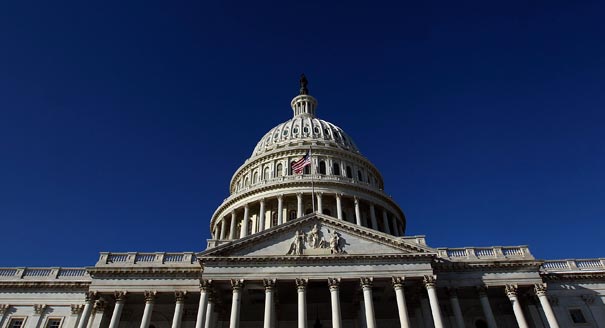
While there are many legitimate disagreements regarding how to cut the U.S. deficit, deep cuts to the national infrastructure is more likely to hurt the country's long-term economic growth.
Source: Washington Post

This does not mean that improvements shouldn't be made. At present 80 percent of federal transportation funds are distributed by formula - with no competition and no performance requirements. That must stop. We must make every dollar contribute to transportation performance. All transportation spending should be consolidated into a unified transportation trust fund subject to rigorous, independent cost-benefit analysis.
A better transportation system will enhance our economic and national security and will rebuild public trust in public investments. Many new members of Congress are rightly furious about wasteful spending. By squeezing every ounce of investment gain from our infrastructure dollar we can create a transportation program that both deficit hawks and program reform leaders can get behind.
The authors are the co-chairs of the Leadership Initiative on Transportation Solvency, an initiative created by the Carnegie Endowment for International Peace to develop a non-partisan solution funding a better transportation system in the United States.
Bill Bradley
Tom Ridge
David Walker
Carnegie does not take institutional positions on public policy issues; the views represented herein are those of the author(s) and do not necessarily reflect the views of Carnegie, its staff, or its trustees.

When faced with fuel shortages in the past, Central Asian governments could always count on additional supplies from Moscow. That safety net no longer exists.

Galiya Ibragimova
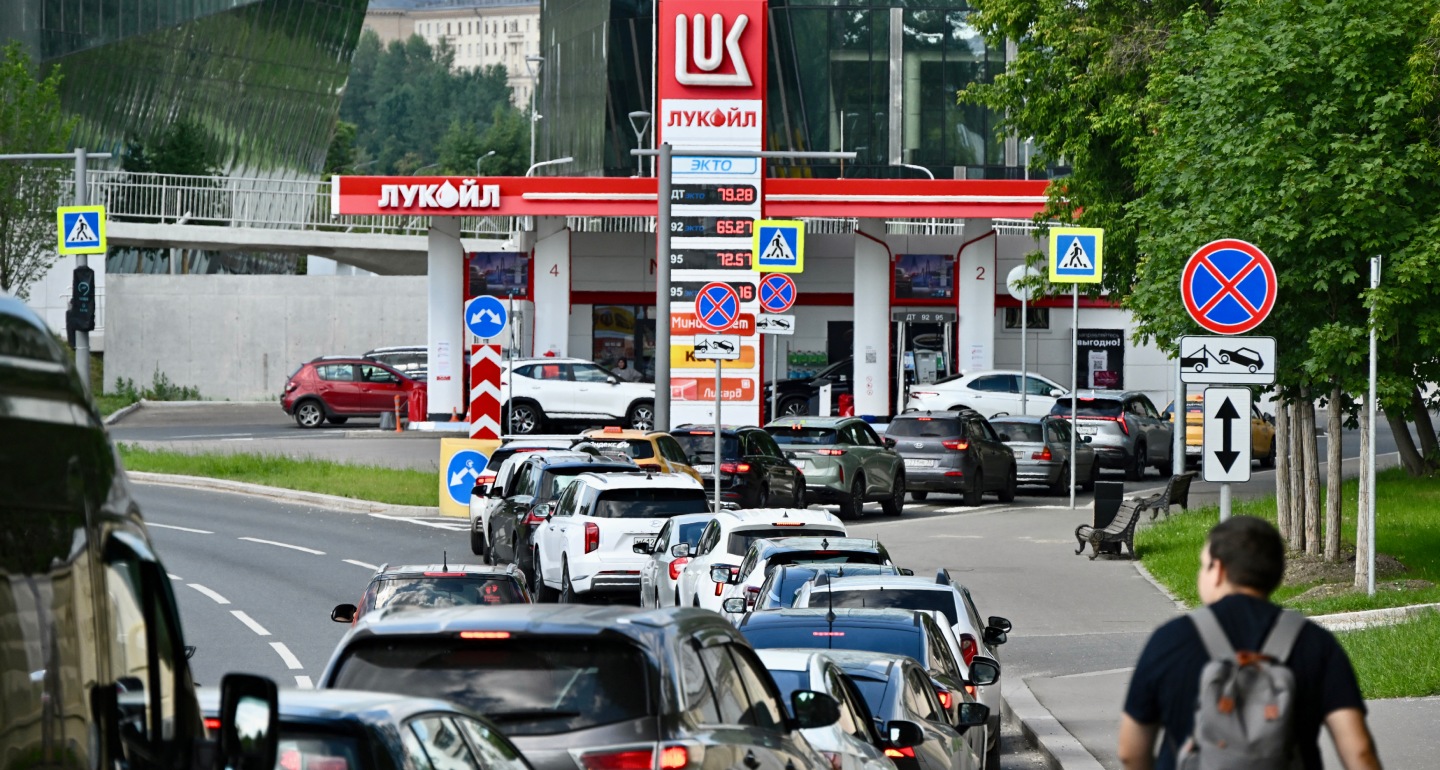
Official discussions about mini oil refineries are unlikely to come to anything—but the mere fact they’re happening reveals the regime is failing to deliver a functioning economy.

Sergey Vakulenko
Ongoing uncertainty in the Middle East allows Moscow to both increase its influence in Tehran and continue to enjoy the financial windfall of higher oil prices.

Nikita Smagin

Governments in Estonia, Latvia, and Lithuania want to ensure that a U.S. military withdrawal would not leave them dangerously exposed to a Russian attack.

Sergejs Potapkins
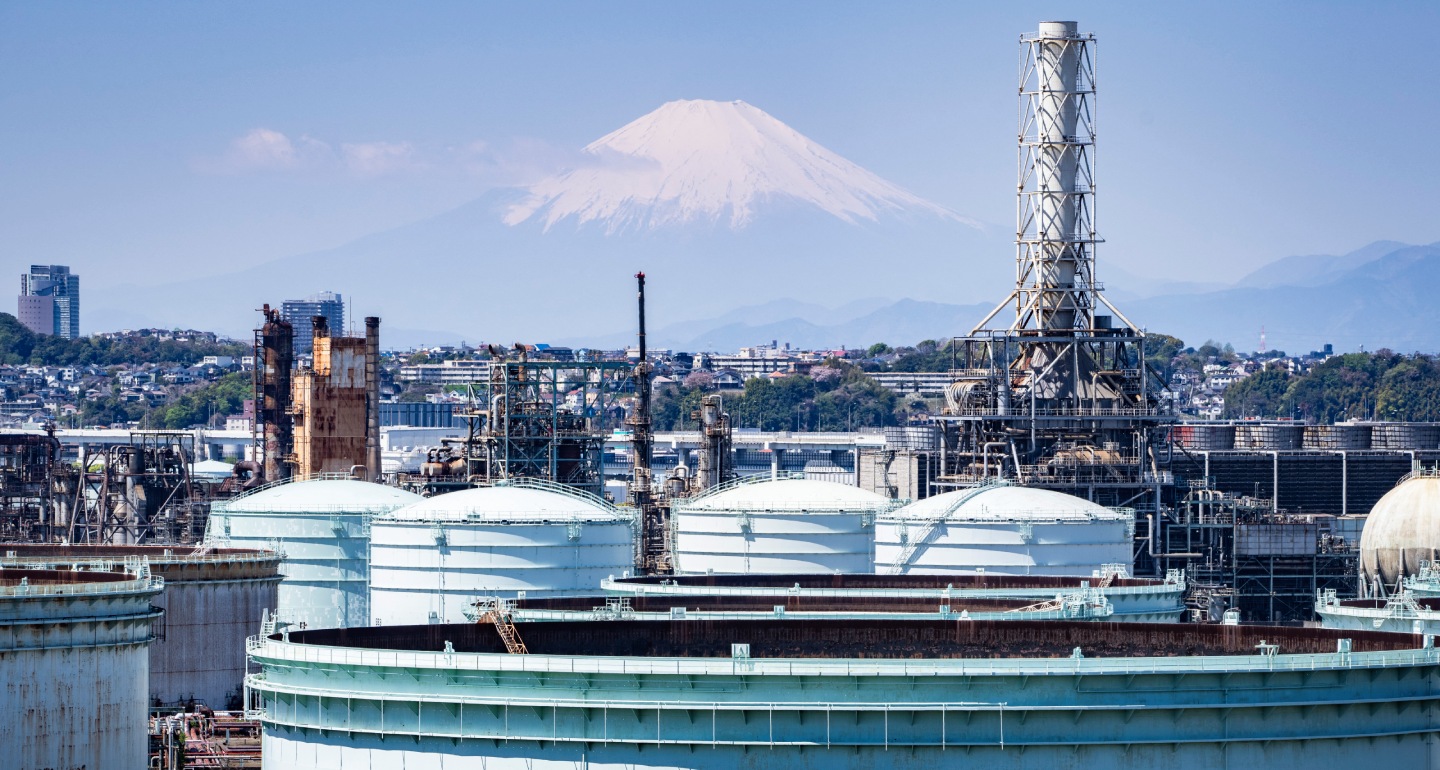
Tokyo would have to surmount a lot of obstacles—not least Western sanctions—if it wanted to return Russian oil imports to even modest pre-2022 volumes.

Vladislav Pashchenko