• Research
  • Politika
  • About
Carnegie Russia Eurasia center logoCarnegie lettermark logo
  • Donate
{
  "authors": [
    "Amr Hamzawy"
  ],
  "type": "legacyinthemedia",
  "centerAffiliationAll": "",
  "centers": [
    "Carnegie Endowment for International Peace",
    "Carnegie Europe",
    "Malcolm H. Kerr Carnegie Middle East Center"
  ],
  "collections": [
    "Arab Awakening"
  ],
  "englishNewsletterAll": "",
  "nonEnglishNewsletterAll": "",
  "primaryCenter": "Carnegie Endowment for International Peace",
  "programAffiliation": "",
  "programs": [],
  "projects": [],
  "regions": [
    "North Africa",
    "Egypt",
    "Middle East"
  ],
  "topics": [
    "Political Reform"
  ]
}
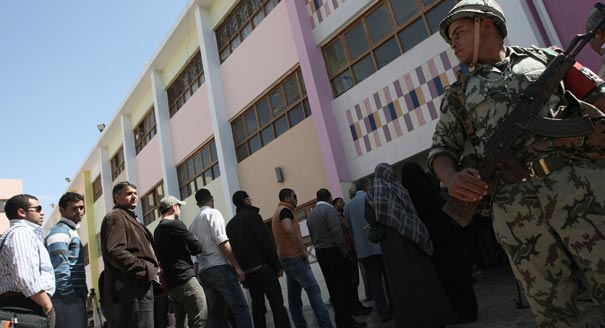
Source: Getty

In The Media

Egypt: Evaluating Proposed Constitutional Amendments

Egypt’s proposed constitutional amendments would help constrain the near-absolute powers granted to the president by the 1971 constitution and enable a new constitution to be written after the legislative elections.

Link Copied
By Amr Hamzawy
Published on Mar 7, 2011

Source: Los Angeles Times

Egypt: Evaluating Proposed Constitutional Amendmen
The amendment to Egypt's constitution recently announced by Chancellor Tareq Bishri's commission -- if adopted by the Supreme Council of the Armed Forces and approved by a majority of citizens in a general referendum -- will lay the foundation for constraining the near-absolute powers granted to the president by the 1971 constitution.
 
They are also a positive step toward administering pluralistic legislative and presidential elections before the end of the current transitional phase. Some of the proposed amendments would help rein in presidential power in Egypt by affecting the following constitutional articles:
 
Article 77: Shorten presidential terms to four years and limit presidents to a maximum of two consecutive terms.
 
Article 148: Constrain the president's powers to announce a state of emergency and require a popular referendum to extend the state of emergency beyond six months.
 
Article 179: Void presidential power to suspend citizens' civil liberties and political rights.
 
Article 76: Allow for pluralistic presidential elections in which multiple candidates compete, rather than restricting candidacies to members of the National Democratic Party's general secretariat. To be eligible to run, presidential candidates must now secure either the support of 30 elected members from the People's Assembly and the Shura Council, or 30,000 voters from at least 15 provinces -- with at least 1,000 votes from each province; or they must have membership in a political party with at least one elected seat in the two parliamentary chambers. In addition, the amendment states that a higher judicial commission oversee presidential elections.
 
Article 60: Stipulate that a higher judicial commission supervise the elections and the referendum. This will restore complete judicial oversight of electoral processes and place voting and vote counting under the supervision of judicial committee members.
 
Article 93: Abolish the principle that "the council is the master of its decision" by giving the Supreme Constitutional Court jurisdiction to rule on the validity of deputies' membership in the People's Assembly and the Shura Council.
 
Article 189: Require the elected People's Assembly and Shura Council to choose a constituent assembly of 100 members to draft a new constitution for Egypt within six months of the election of the two chambers.
 
Despite these proposed amendments, the 1971 constitution supports an authoritarian system of government that gives too much control to the president, violates the powers of the legislative and judicial branches, and suspends citizens' liberties and rights. It is therefore unsuitable for managing a safe transition to democracy, which requires a parliamentary constitution and balanced powers among all three branches of government -- along with strong mechanisms of inter-branch oversight and accountability.
 
Amending the current constitution is not enough, but these proposed amendments help ensure that a new constitution will be written for a free democratic Egypt after the legislative elections.

About the Author

Amr Hamzawy

Director, Middle East Program

Amr Hamzawy is a senior fellow and the director of the Carnegie Middle East Program. His research and writings focus on governance in the Middle East and North Africa, social vulnerability, and the different roles of governments and civil societies in the region.

    Recent Work

  • Commentary
    Iran Is Pushing Its Neighbors Toward the United States

      Amr Hamzawy

  • Paper
    U.S. Peace Mediation in the Middle East: Lessons for the Gaza Peace Plan
      • Sarah Yerkes

      Amr Hamzawy, Sarah Yerkes, Kathryn Selfe

Amr Hamzawy
Director, Middle East Program
Amr Hamzawy
Political ReformNorth AfricaEgyptMiddle East

Carnegie does not take institutional positions on public policy issues; the views represented herein are those of the author(s) and do not necessarily reflect the views of Carnegie, its staff, or its trustees.
More Work from Carnegie Russia Eurasia Center

  • Commentary
    Carnegie Politika
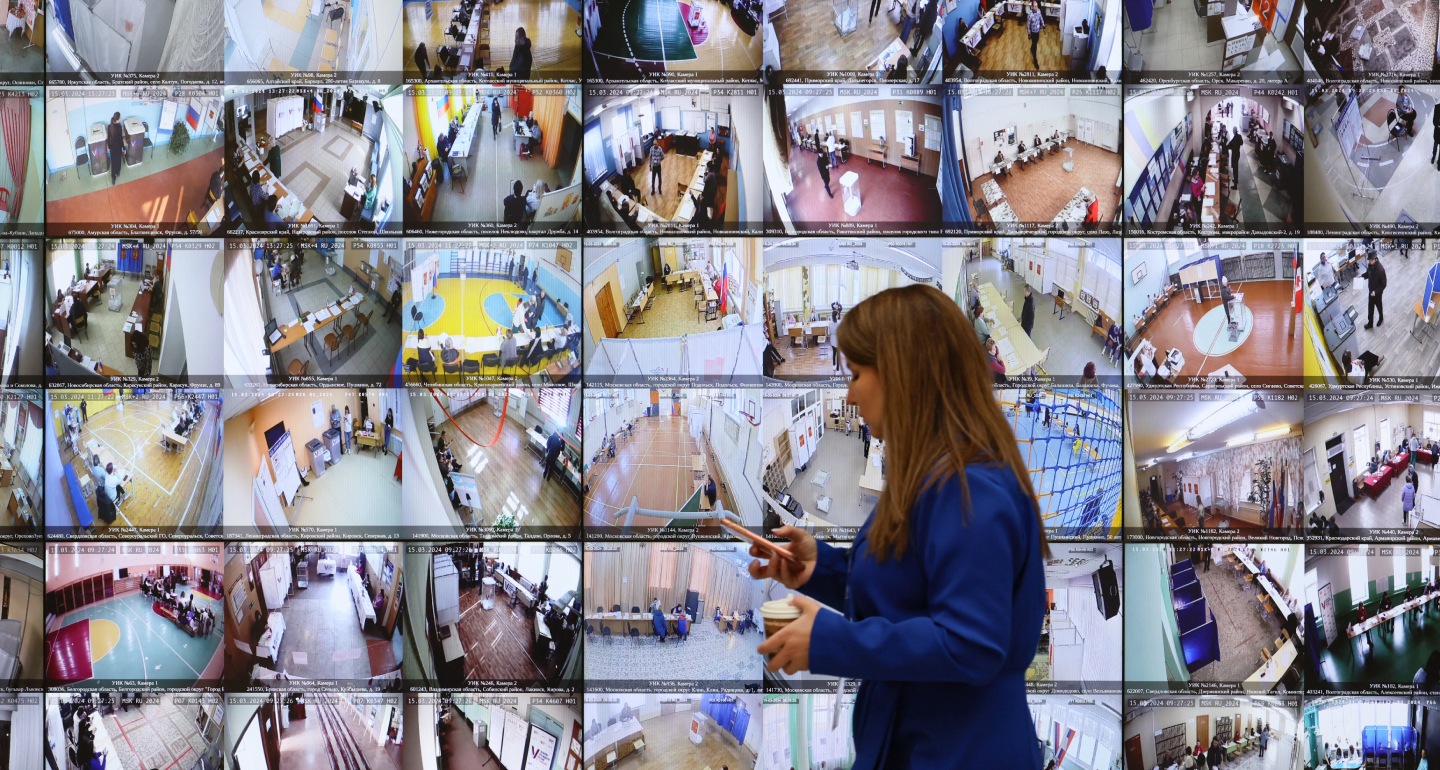
    The Kremlin Is Destroying Its Own System of Coerced Voting

    The use of technology to mobilize Russians to vote—a system tied to the relative material well-being of the electorate, its high dependence on the state, and a far-reaching system of digital control—is breaking down.

      Andrey Pertsev

  • Commentary
    Carnegie Politika
    Notes From Kyiv: Is Ukraine Preparing for Elections?

    As discussions about settlement and elections move from speculation to preparation, Kyiv will have to manage not only the battlefield, but also the terms of political transition. The thaw will not resolve underlying tensions; it will only expose them more clearly.

      Balázs Jarábik
  • Commentary
    Carnegie Politika
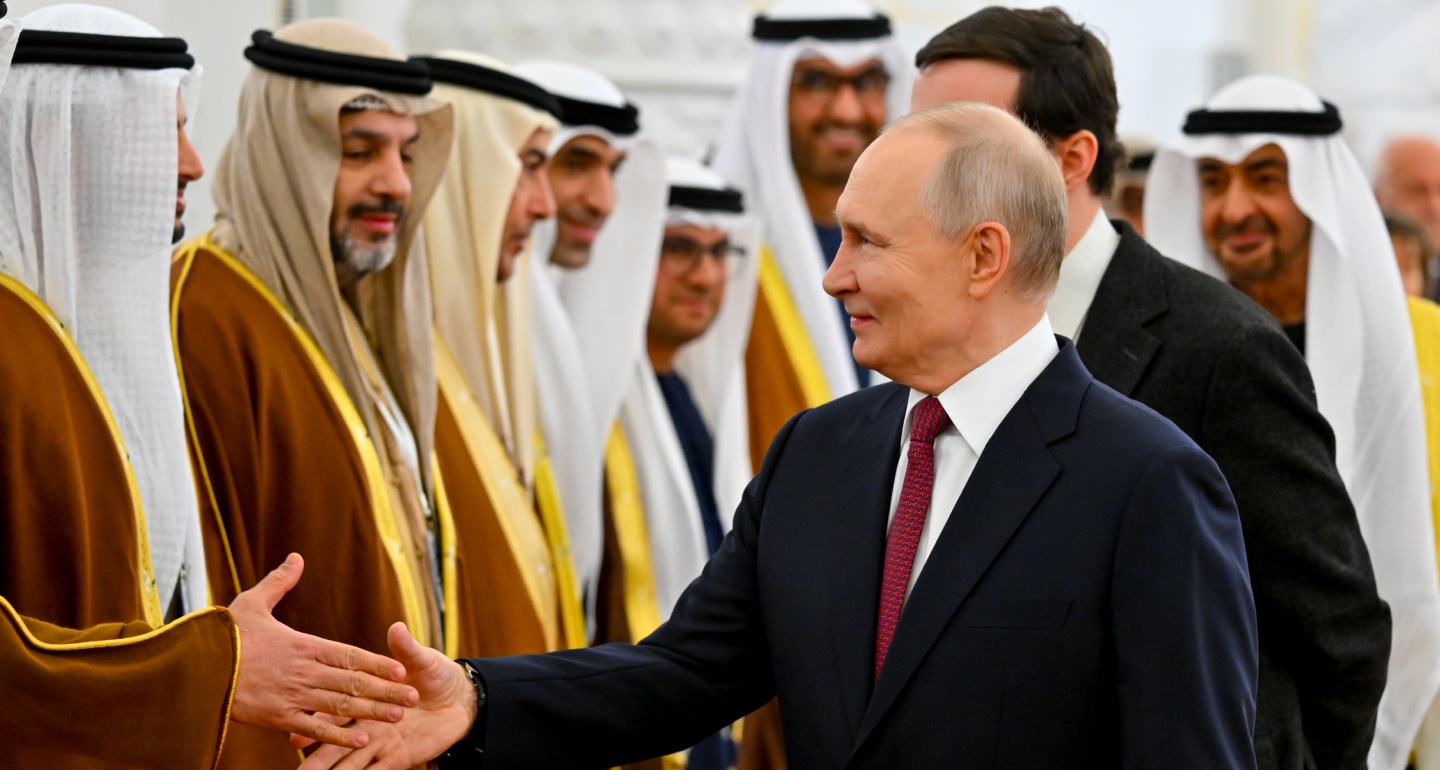
    Once Neutral on the Ukraine War, Arab States Increasingly Favor Moscow

    Disillusioned with the West over Gaza, Arab countries are not only trading more with Russia; they are also more willing to criticize Kyiv.  

      Ruslan Suleymanov
  • Commentary
    Carnegie Politika
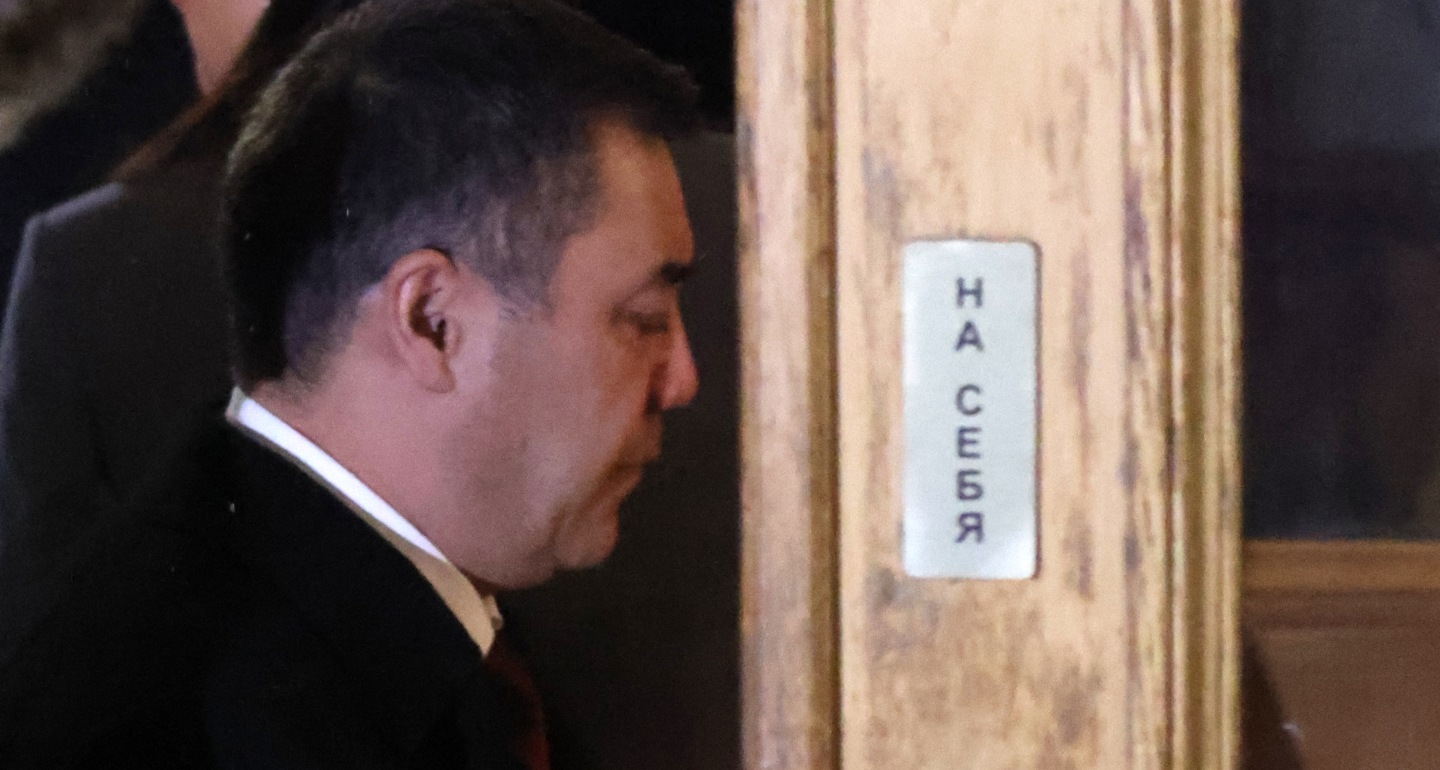
    Where Does the Split in the Ruling Tandem Leave Kyrgyzstan?

    Despite its reputation as an island of democracy in Central Asia, Kyrgyzstan appears to be on the brink of becoming a personalist autocracy.

      Temur Umarov

  • Commentary
    Carnegie Politika
    In Uzbekistan, the President’s Daughter Is Now His Second-in-Command

    Having failed to build a team that he can fully trust or establish strong state institutions, Mirziyoyev has become reliant on his family.

      Galiya Ibragimova

Get more news and analysis from
Carnegie Russia Eurasia Center
Carnegie Russia Eurasia logo, white
  • Research
  • Politika
  • About
  • Experts
  • Events
  • Contact
  • Privacy
Get more news and analysis from
Carnegie Russia Eurasia Center
© 2026 Carnegie Endowment for International Peace. All rights reserved.