

Other
- +18
James M. Acton, Saskia Brechenmacher, Cecily Brewer, …
{
  "authors": [
    "James M. Acton"
  ],
  "type": "legacyinthemedia",
  "centerAffiliationAll": "dc",
  "centers": [
    "Carnegie Endowment for International Peace"
  ],
  "collections": [],
  "englishNewsletterAll": "ctw",
  "nonEnglishNewsletterAll": "",
  "primaryCenter": "Carnegie Endowment for International Peace",
  "programAffiliation": "NPP",
  "programs": [
    "Nuclear Policy"
  ],
  "projects": [],
  "regions": [
    "East Asia",
    "Japan"
  ],
  "topics": [
    "Nuclear Policy",
    "Nuclear Energy"
  ]
}
Source: Getty
The damage done to Japan’s nuclear reactors by the earthquake and subsequent tsunami should prompt the nuclear industry to reevaluate the magnitude of natural disasters that the reactors should be designed to survive.
Source: MSNBC
When Japan experienced an earthquake of magnitude 8.9 on March 11, its nuclear reactors at the Daiichi plant in Fukushima automatically shut down, as it was designed to. However, the earthquake and subsequent tsunami were more devastating than the reactors were built to withstand. Water pumps designed to cool the fuel rods in the reactor cores were supposed to be supplied with external power lines, with a back-up of diesel generators. Both of these mechanisms were wiped out by the earthquake and tsunami. Speaking on MSNBC’s Andrea Mitchell Reports, Carnegie’s James Acton explained that reactor cores as well as spent fuel rods, which are stored in water pools adjacent to the reactors, remained hot. The water in those pools must be replaced and recirculated so that it does not overheat, exposing the spent fuel and thereby releasing radiation, Acton said. He emphasizes that reactors can weather disasters that they are designed to survive. Accordingly, this crisis should prompt a reevaluation of the magnitude of earthquakes, floods, tornadoes, and other hazards reactors could face.

Jessica T. Mathews Chair, Co-director, Nuclear Policy Program
Acton holds the Jessica T. Mathews Chair and is co-director of the Nuclear Policy Program at the Carnegie Endowment for International Peace.
Recent Work

James M. Acton, Saskia Brechenmacher, Cecily Brewer, …
James M. Acton
Carnegie does not take institutional positions on public policy issues; the views represented herein are those of the author(s) and do not necessarily reflect the views of Carnegie, its staff, or its trustees.
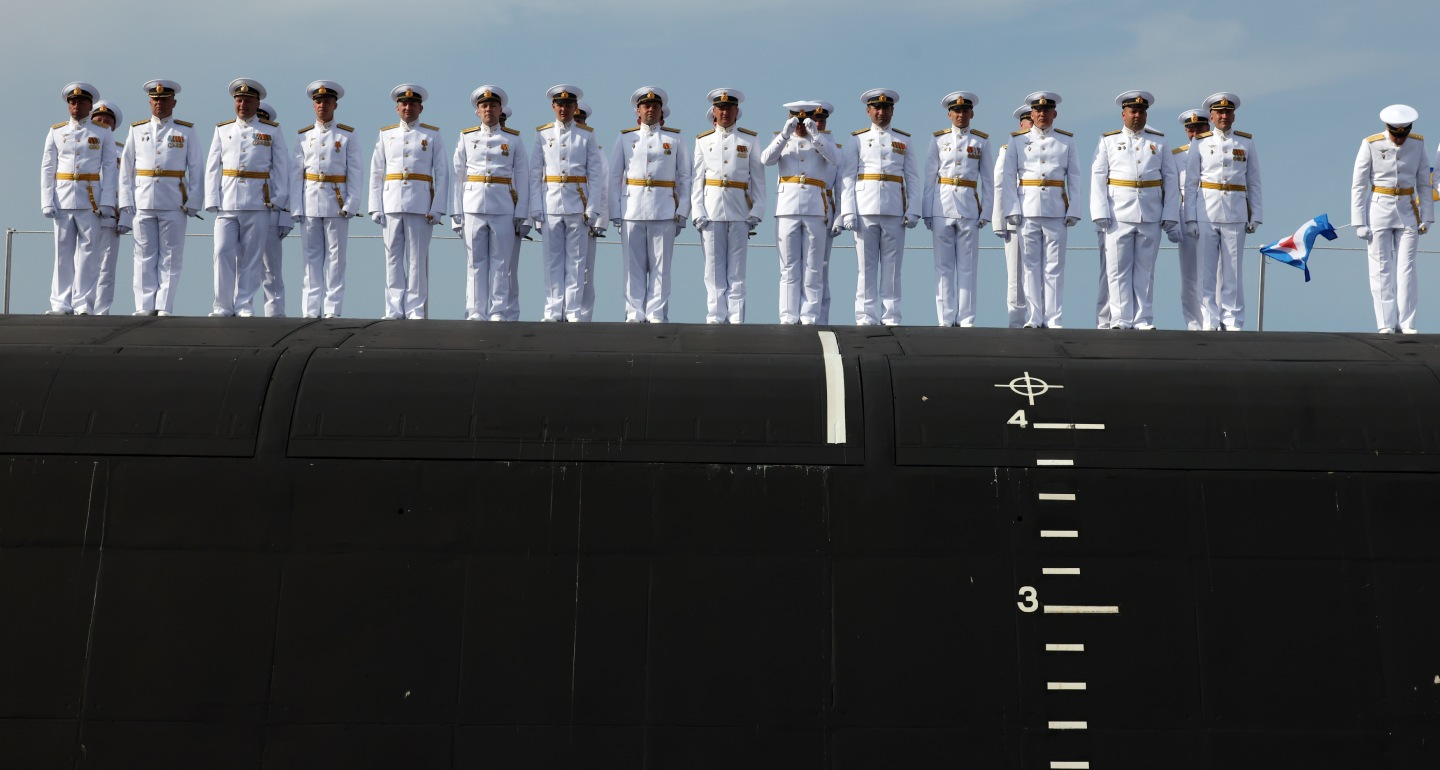
For Putin, upgrading Russia’s nuclear forces was a secondary goal. The main aim was to gain an advantage over the West, including by strengthening the nuclear threat on all fronts. That made growth in missile arsenals and a new arms race inevitable.
Maxim Starchak
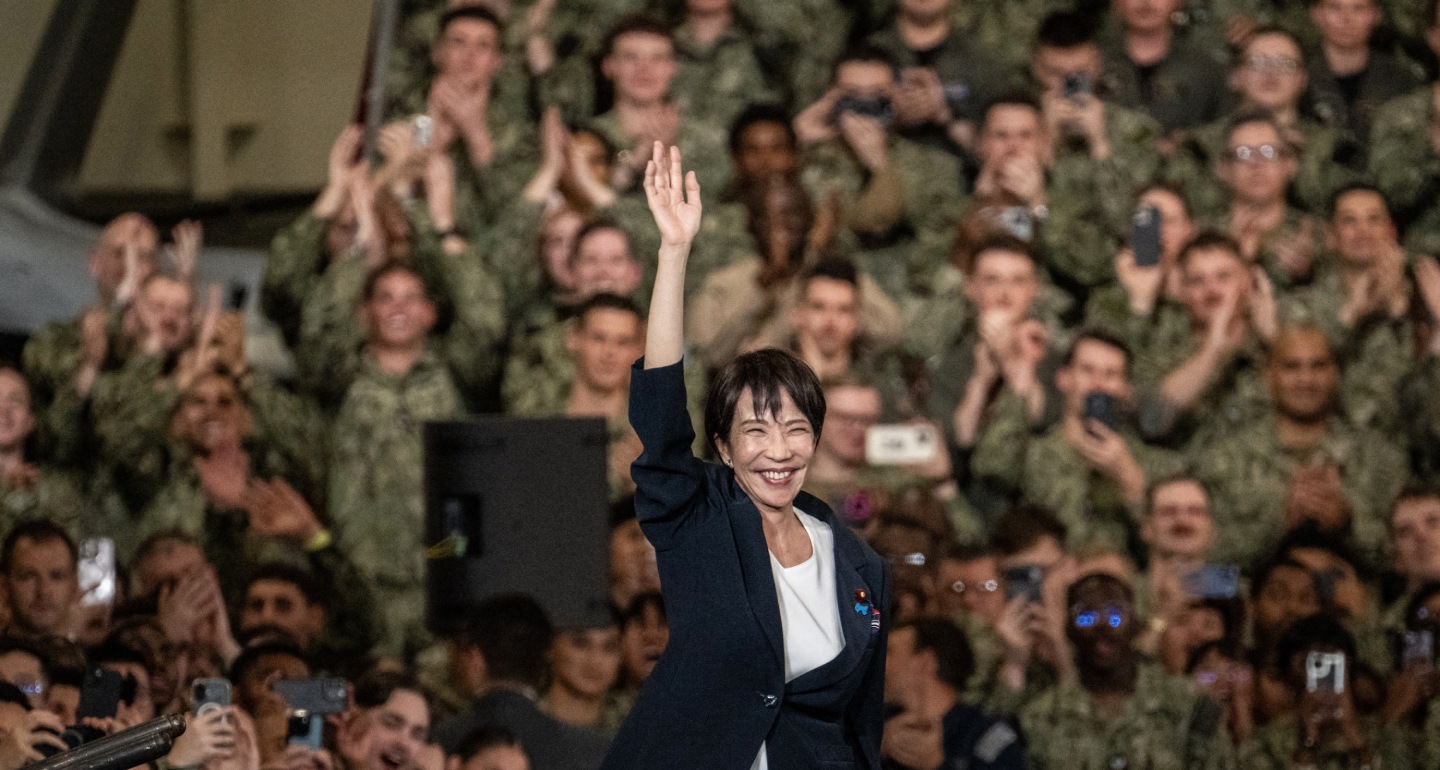
For a real example of political forces engaged in the militarization of society, the Russian leadership might consider looking closer to home.

James D.J. Brown
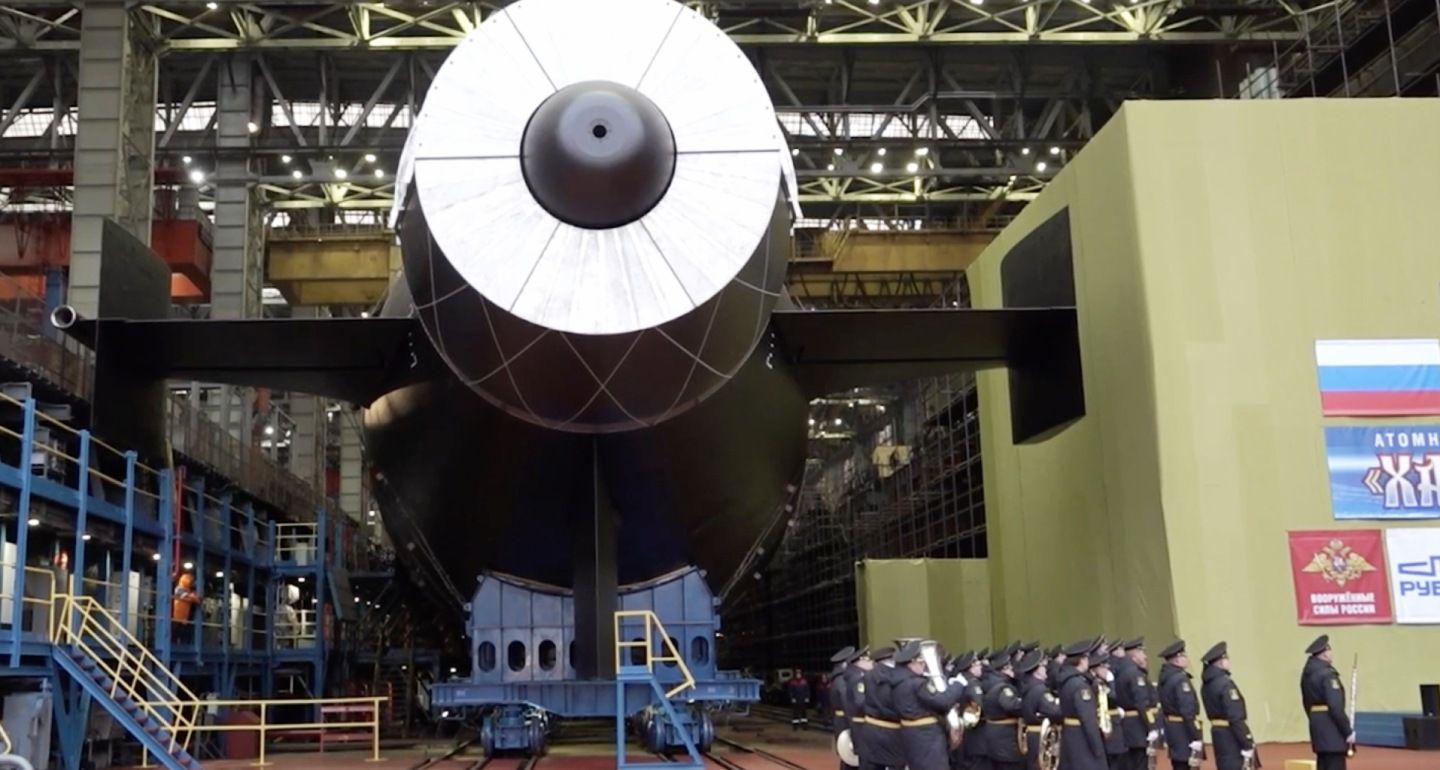
The Kremlin will only be prepared to negotiate strategic arms limitations if it is confident it can secure significant concessions from the United States. Otherwise, meaningful dialogue is unlikely, and the international system of strategic stability will continue to teeter on the brink of total collapse.
Maxim Starchak
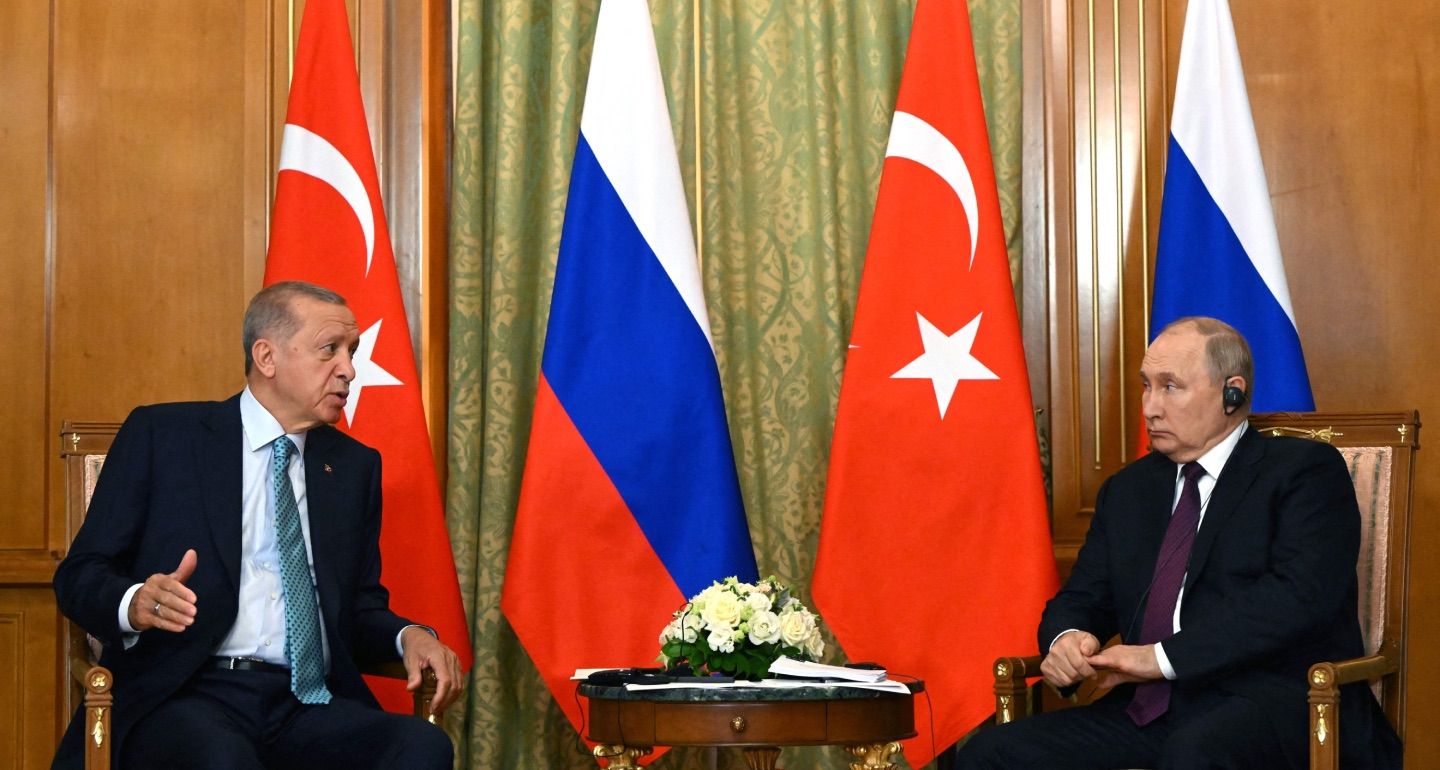
Mutual suspicion between Moscow and Ankara is growing as Türkiye cozies up to Washington and NATO while reducing its dependence on Russian energy.
Ruslan Suleymanov
Tehran’s most urgent task is to reduce the risk of further Israeli and U.S. airstrikes. Russia’s role as a deterrent in this respect is more multifaceted than simply supplying weapons, whose real impact will only become apparent many years from now.

Nikita Smagin