

Other
- +18
James M. Acton, Saskia Brechenmacher, Cecily Brewer, …
{
  "authors": [
    "James M. Acton"
  ],
  "type": "legacyinthemedia",
  "centerAffiliationAll": "dc",
  "centers": [
    "Carnegie Endowment for International Peace"
  ],
  "collections": [],
  "englishNewsletterAll": "ctw",
  "nonEnglishNewsletterAll": "",
  "primaryCenter": "Carnegie Endowment for International Peace",
  "programAffiliation": "NPP",
  "programs": [
    "Nuclear Policy"
  ],
  "projects": [],
  "regions": [
    "East Asia",
    "Japan"
  ],
  "topics": [
    "Nuclear Policy",
    "Nuclear Energy"
  ]
}
Source: Getty
As power is being restored to the Fukushima nuclear reactors, which were severely damaged by Japan's recent earthquake and tsunami, crucial questions remain about whether the cooling system will be functional and the likelihood of further radiation leaks.
Source: CBS
While conditions have substantially improved at Fukushima’s Daiichi reactors, which were damaged by Japan’s recent earthquake and tsunami, crucial questions and dangers persist. As power is being restored to the nuclear reactors, it remains unclear if the cooling pumps, needed to prevent overheating in the reactor cores, have become unusable. Some have begun arguing that it is time to entomb the reactors in concrete to prevent further radiation leaks, effectively abandoning the reactors, but in an interview with CBS’ Early Show, Carnegie’s James Acton argued that there is still time to stabilize and finish the cooling process. The dangers at the Fukushima plants are serious, but have receded, Acton said, although there is the potential for further degradation of nuclear materials. In particular, reactor unit three has been emitting smoke inexplicably, which is causing increasing concern. Nonetheless, Acton expressed cautious optimistic about progress at the reactor site.

Jessica T. Mathews Chair, Co-director, Nuclear Policy Program
Acton holds the Jessica T. Mathews Chair and is co-director of the Nuclear Policy Program at the Carnegie Endowment for International Peace.
Recent Work
James M. Acton, Saskia Brechenmacher, Cecily Brewer, …
James M. Acton
Carnegie does not take institutional positions on public policy issues; the views represented herein are those of the author(s) and do not necessarily reflect the views of Carnegie, its staff, or its trustees.
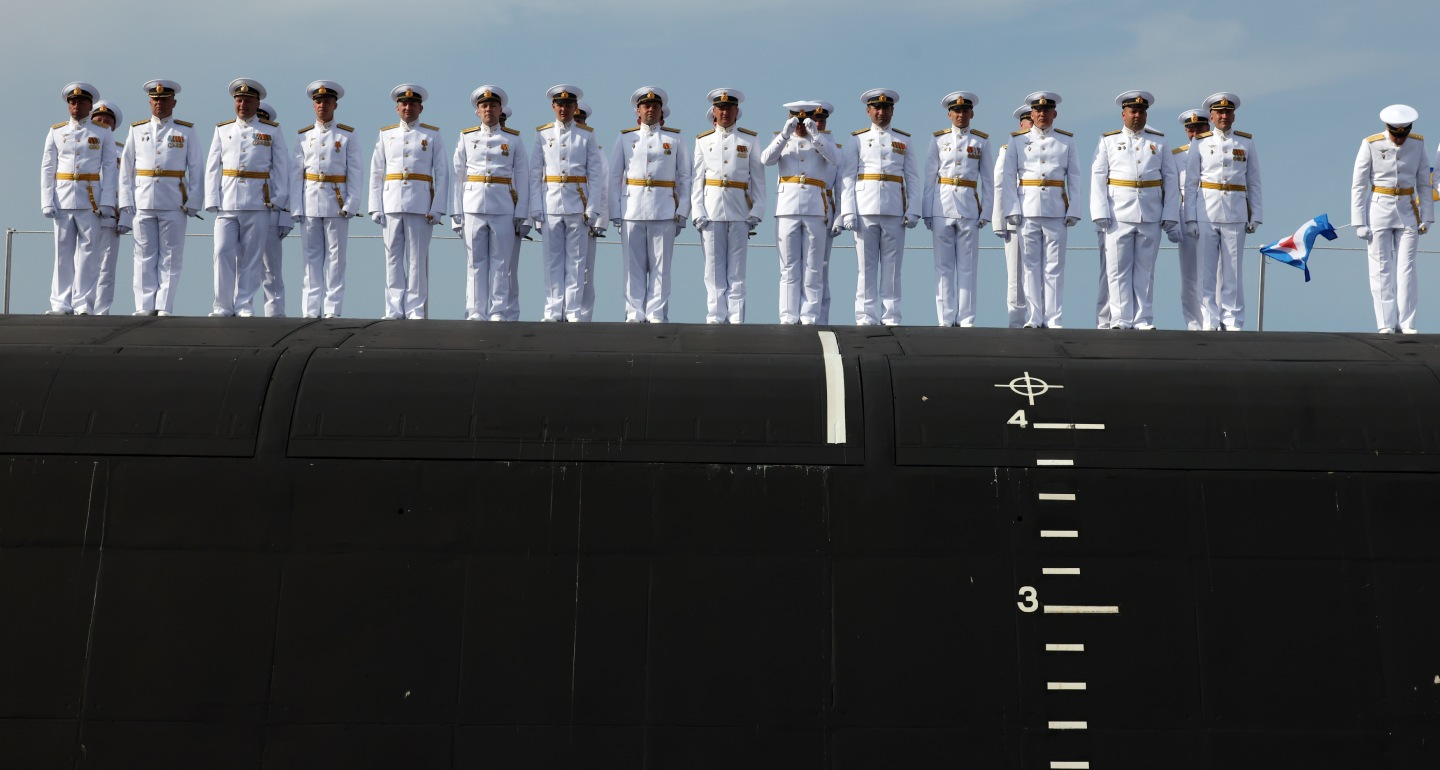
For Putin, upgrading Russia’s nuclear forces was a secondary goal. The main aim was to gain an advantage over the West, including by strengthening the nuclear threat on all fronts. That made growth in missile arsenals and a new arms race inevitable.
Maxim Starchak
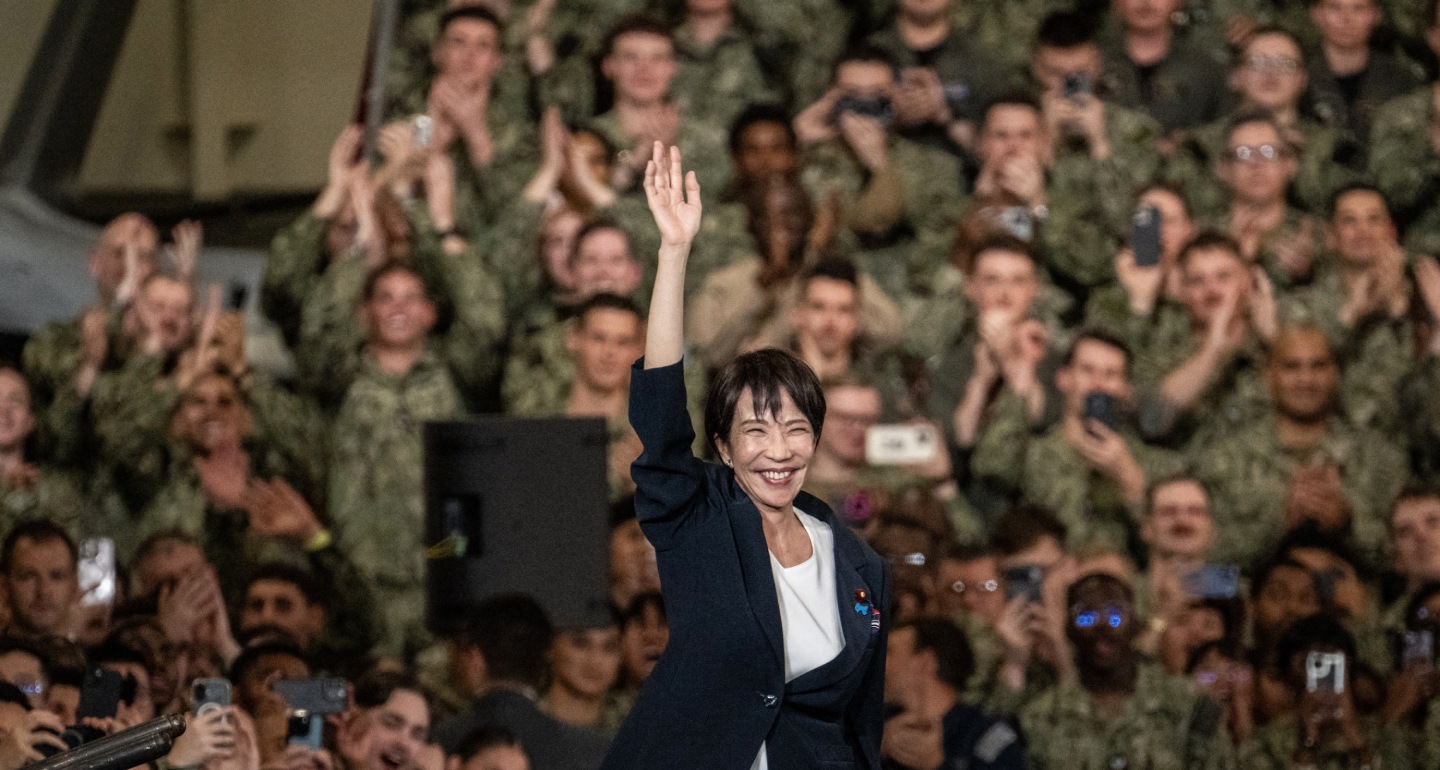
For a real example of political forces engaged in the militarization of society, the Russian leadership might consider looking closer to home.

James D.J. Brown
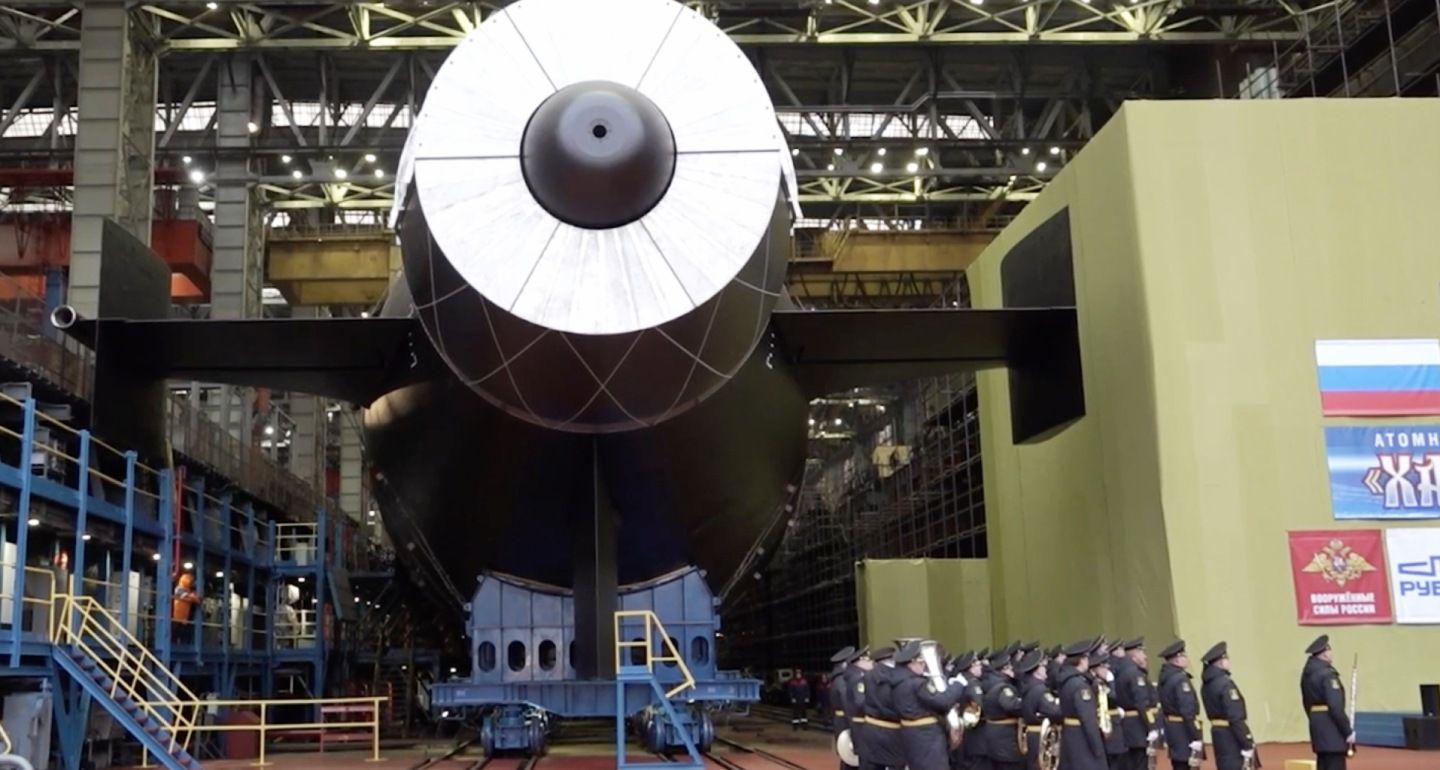
The Kremlin will only be prepared to negotiate strategic arms limitations if it is confident it can secure significant concessions from the United States. Otherwise, meaningful dialogue is unlikely, and the international system of strategic stability will continue to teeter on the brink of total collapse.
Maxim Starchak
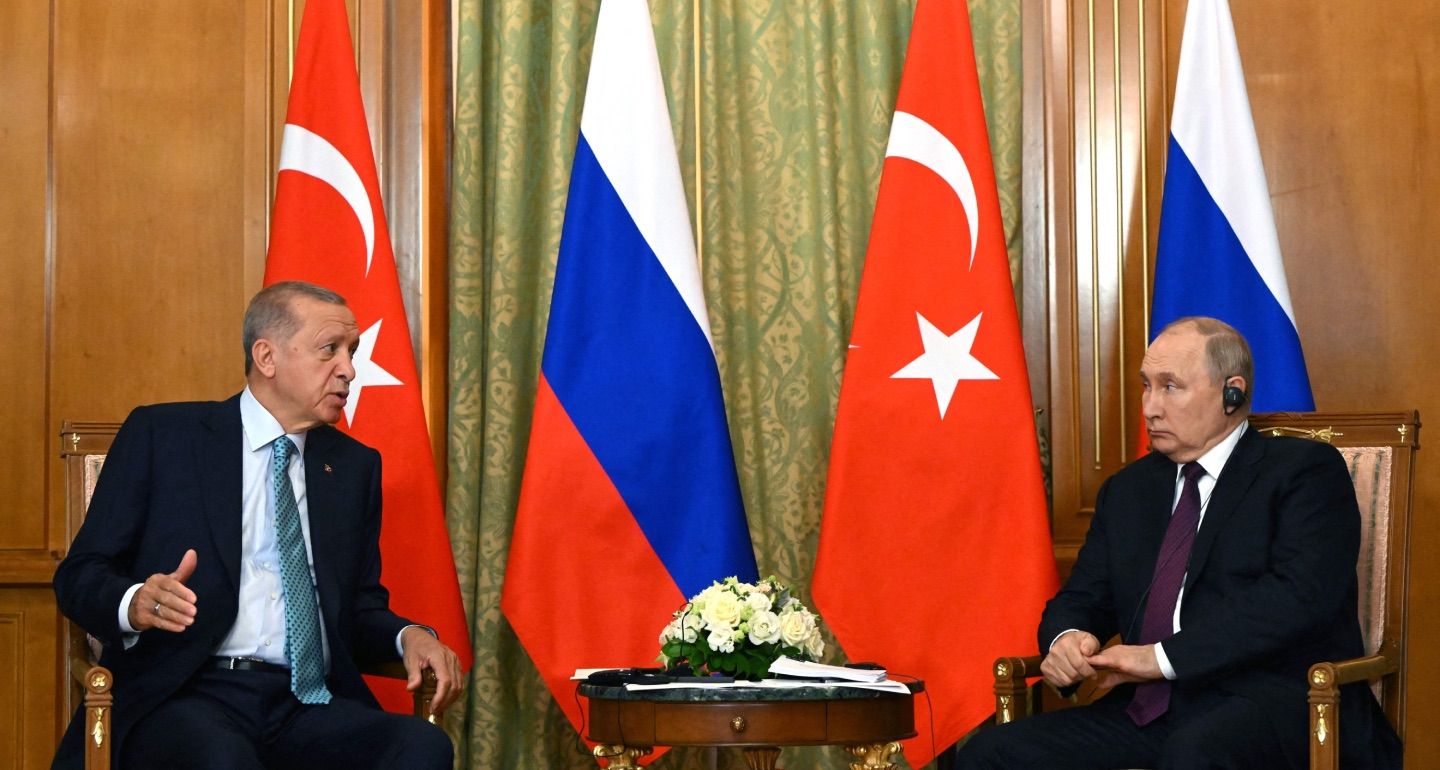
Mutual suspicion between Moscow and Ankara is growing as Türkiye cozies up to Washington and NATO while reducing its dependence on Russian energy.
Ruslan Suleymanov
Tehran’s most urgent task is to reduce the risk of further Israeli and U.S. airstrikes. Russia’s role as a deterrent in this respect is more multifaceted than simply supplying weapons, whose real impact will only become apparent many years from now.

Nikita Smagin