

Other
- +18
James M. Acton, Saskia Brechenmacher, Cecily Brewer, …
{
  "authors": [
    "James M. Acton"
  ],
  "type": "legacyinthemedia",
  "centerAffiliationAll": "dc",
  "centers": [
    "Carnegie Endowment for International Peace"
  ],
  "collections": [],
  "englishNewsletterAll": "ctw",
  "nonEnglishNewsletterAll": "",
  "primaryCenter": "Carnegie Endowment for International Peace",
  "programAffiliation": "NPP",
  "programs": [
    "Nuclear Policy"
  ],
  "projects": [],
  "regions": [
    "East Asia",
    "Japan"
  ],
  "topics": [
    "Nuclear Policy",
    "Nuclear Energy"
  ]
}
Source: Getty
A reactor core may have been breached at one of Japan’s Daiichi reactors. For a nation still mobilizing to respond to a triple crisis – the earthquake, tsunami, and nuclear reactor crisis – this dangerous development is difficult to address.
Source: NBC
Two weeks after an earthquake and tsunami struck Japan, causing devastation and triggering a crisis at Japan’s Daiichi and Daini nuclear reactors in Fukushima, Japan is still struggling to cool its damaged nuclear reactors. Highly radioactive water was discovered in a turbine building, a building adjacent to the one containing the reactor. Such highly radioactive water suggests there is some risk of a breached reactor core, although there are other possible explanations that could account for the highly radioactive water.
In an interview on NBC’s Today Show, Carnegie’s James Acton puts the latest development in the Fukushima crisis in context of past nuclear crises. Acton expressed doubt that the radioactive releases would approach the scale of Chernobyl, explaining that an explosion occurred in the fuel itself during the Chernobyl disaster. Such an explosion has not happened in this case. During the Three Mile Island crisis, Acton continued, melted fuel sat at the bottom of the reactor vessel, but did not succeed in burning its way through. Given concerns that the fuel in Japan may be burning through the reactor vessels, Acton concluded that past experience gives scientists little ability to predict the progression of the crisis.

Jessica T. Mathews Chair, Co-director, Nuclear Policy Program
Acton holds the Jessica T. Mathews Chair and is co-director of the Nuclear Policy Program at the Carnegie Endowment for International Peace.
Recent Work


James M. Acton, Saskia Brechenmacher, Cecily Brewer, …
James M. Acton
Carnegie does not take institutional positions on public policy issues; the views represented herein are those of the author(s) and do not necessarily reflect the views of Carnegie, its staff, or its trustees.
For Putin, upgrading Russia’s nuclear forces was a secondary goal. The main aim was to gain an advantage over the West, including by strengthening the nuclear threat on all fronts. That made growth in missile arsenals and a new arms race inevitable.
Maxim Starchak
For a real example of political forces engaged in the militarization of society, the Russian leadership might consider looking closer to home.

James D.J. Brown
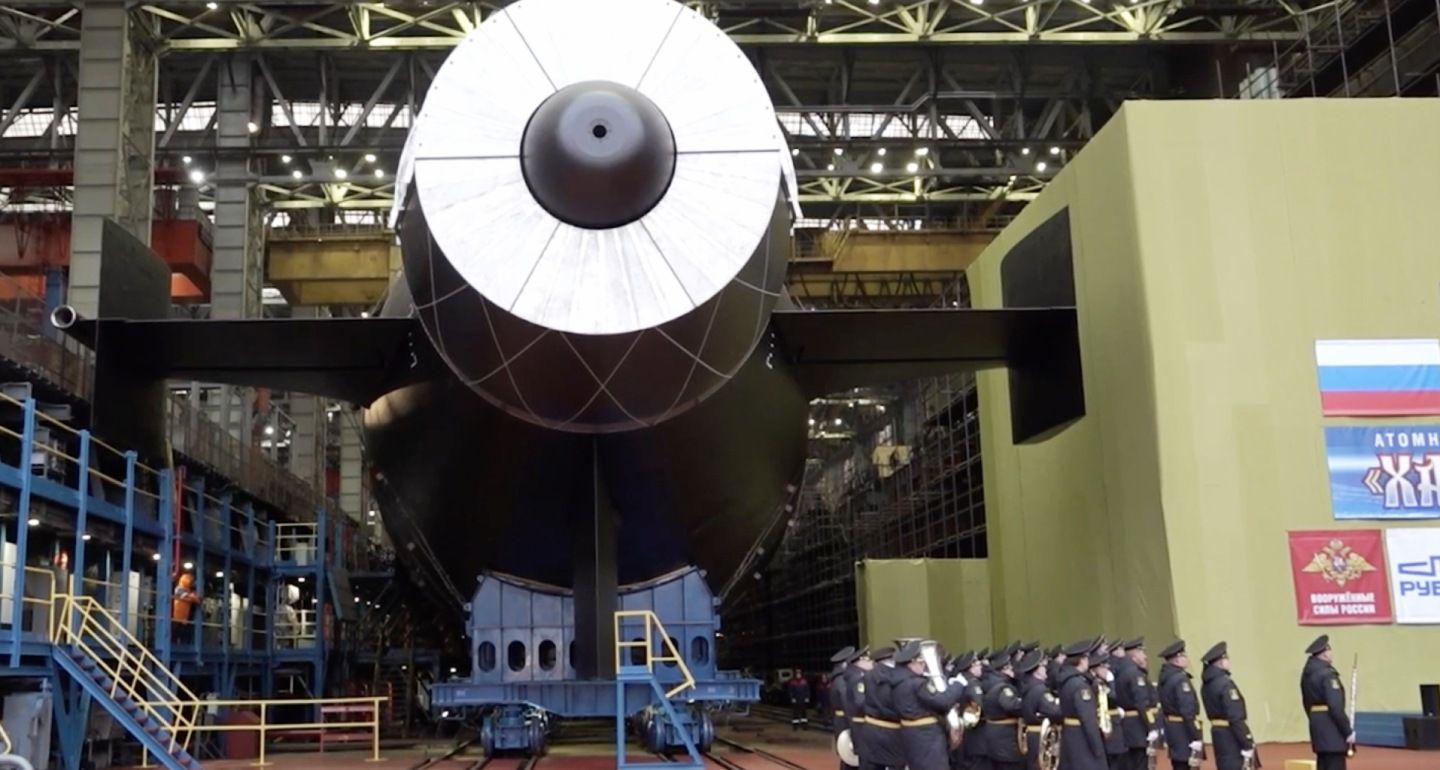
The Kremlin will only be prepared to negotiate strategic arms limitations if it is confident it can secure significant concessions from the United States. Otherwise, meaningful dialogue is unlikely, and the international system of strategic stability will continue to teeter on the brink of total collapse.
Maxim Starchak
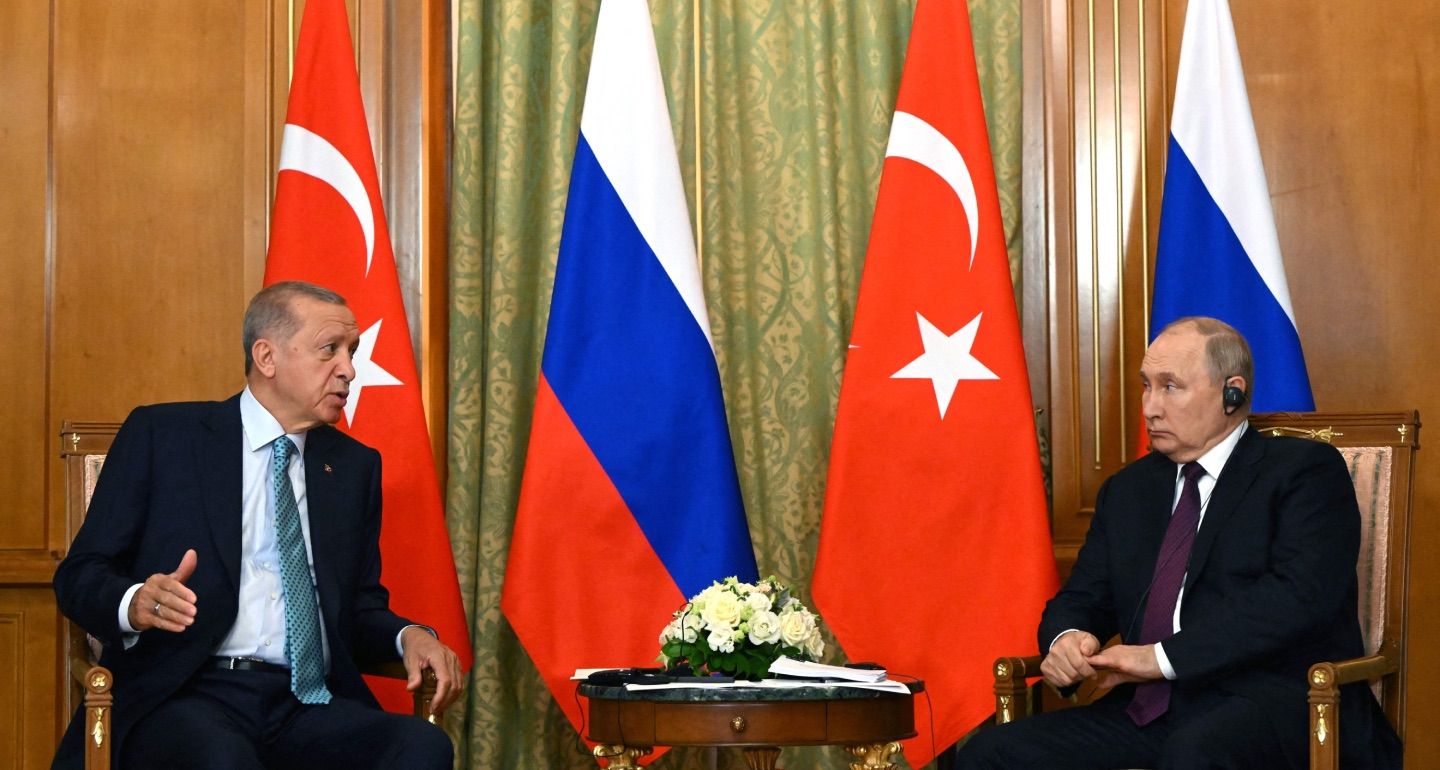
Mutual suspicion between Moscow and Ankara is growing as Türkiye cozies up to Washington and NATO while reducing its dependence on Russian energy.
Ruslan Suleymanov
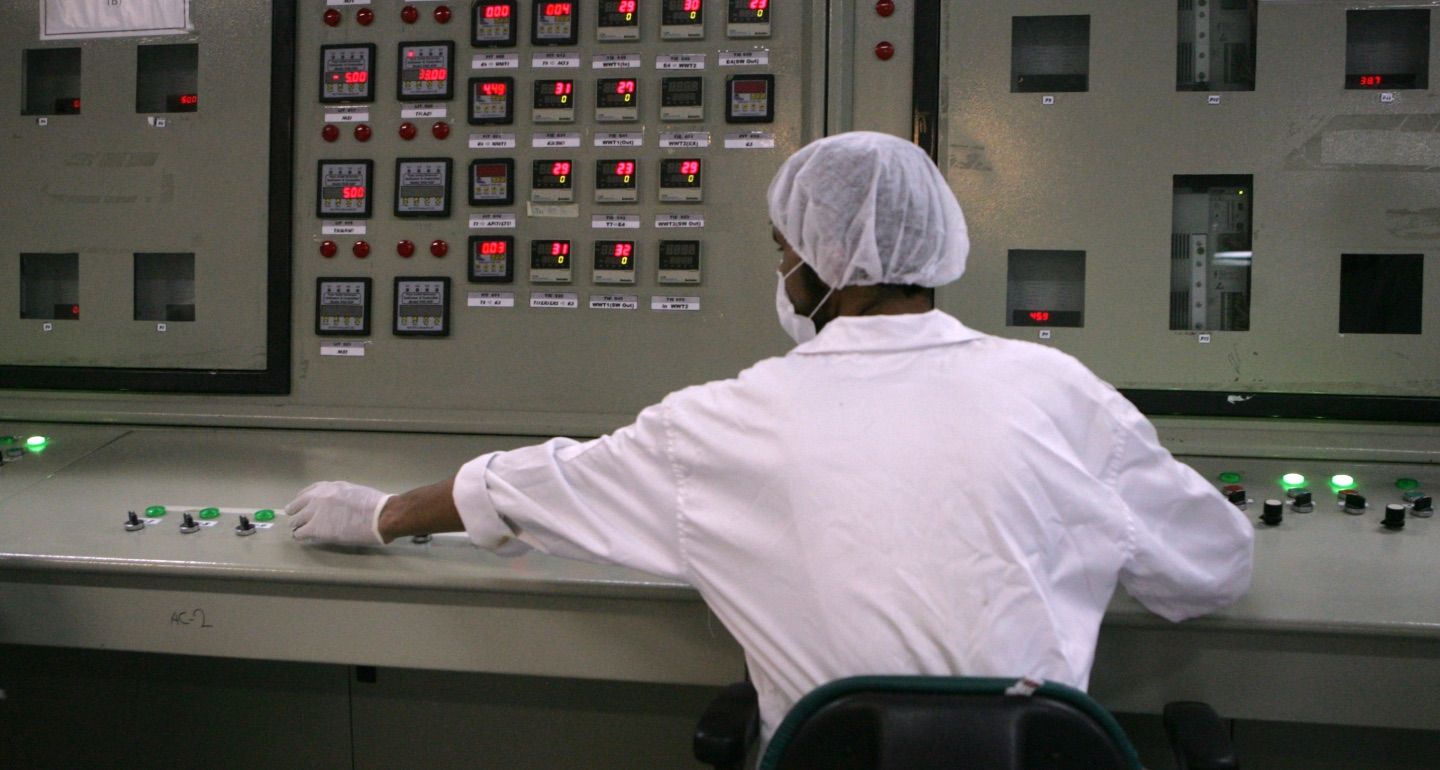
Tehran’s most urgent task is to reduce the risk of further Israeli and U.S. airstrikes. Russia’s role as a deterrent in this respect is more multifaceted than simply supplying weapons, whose real impact will only become apparent many years from now.

Nikita Smagin