• Research
  • Politika
  • About
Carnegie Russia Eurasia center logoCarnegie lettermark logo
  • Donate
{
  "authors": [
    "Christopher Boucek"
  ],
  "type": "testimony",
  "centerAffiliationAll": "dc",
  "centers": [
    "Carnegie Endowment for International Peace"
  ],
  "collections": [],
  "englishNewsletterAll": "menaTransitions",
  "nonEnglishNewsletterAll": "",
  "primaryCenter": "Carnegie Endowment for International Peace",
  "programAffiliation": "MEP",
  "programs": [
    "Middle East"
  ],
  "projects": [],
  "regions": [
    "Middle East",
    "Saudi Arabia",
    "Yemen"
  ],
  "topics": [
    "Security",
    "Foreign Policy"
  ]
}

Source: Getty

Testimony

Terrorist Threat to the U.S. Homeland - Al-Qaeda in the Arabian Peninsula

Al-Qaeda in the Arabian Peninsula now poses the greatest single terrorist threat to the United States—a greater danger even than al-Qaeda’s senior leadership.

Link Copied
By Christopher Boucek
Published on Mar 2, 2011

Source: March 2

Al-Qaeda in the Arabian Peninsula (AQAP), the organization behind the attempted Christmas Day 2009 attack and last October’s cargo bomb plot, has repeatedly attempted to strike American interests. In testimony before the House Homeland Security Committee, Christopher Boucek warns that AQAP is now the greatest single terrorist threat to the United States—a greater danger even than al-Qaeda’s senior leadership.

U.S. Policy Recommendations:

  • Increase economic and security assistance to Yemen: AQAP thrives on Yemen’s internal disarray and the government’s inability to control its own territory. The United States should increase aid to Yemen to help build state capacity and deny AQAP space to plot and plan attacks.

  • Use caution when exercising force: To avoid antagonizing ordinary Yemenis, counterterrorism operations directed against AQAP should be proportionate, Yemeni-led, and minimize the risk of civilian casualties.

  • Recognize the limits of hard power: In addition to exercising force, the United States must push Yemen to improve the government’s visibility and service delivery at the local level, thereby addressing some of the underlying grievances that helped give rise to AQAP in the first place.

“AQAP has emerged as the organization most likely to kill American nationals and to attack U.S. interests,” Boucek writes. “Very clearly Yemen’s problems are not staying in Yemen and AQAP poses a grave and growing threat to American domestic security.”
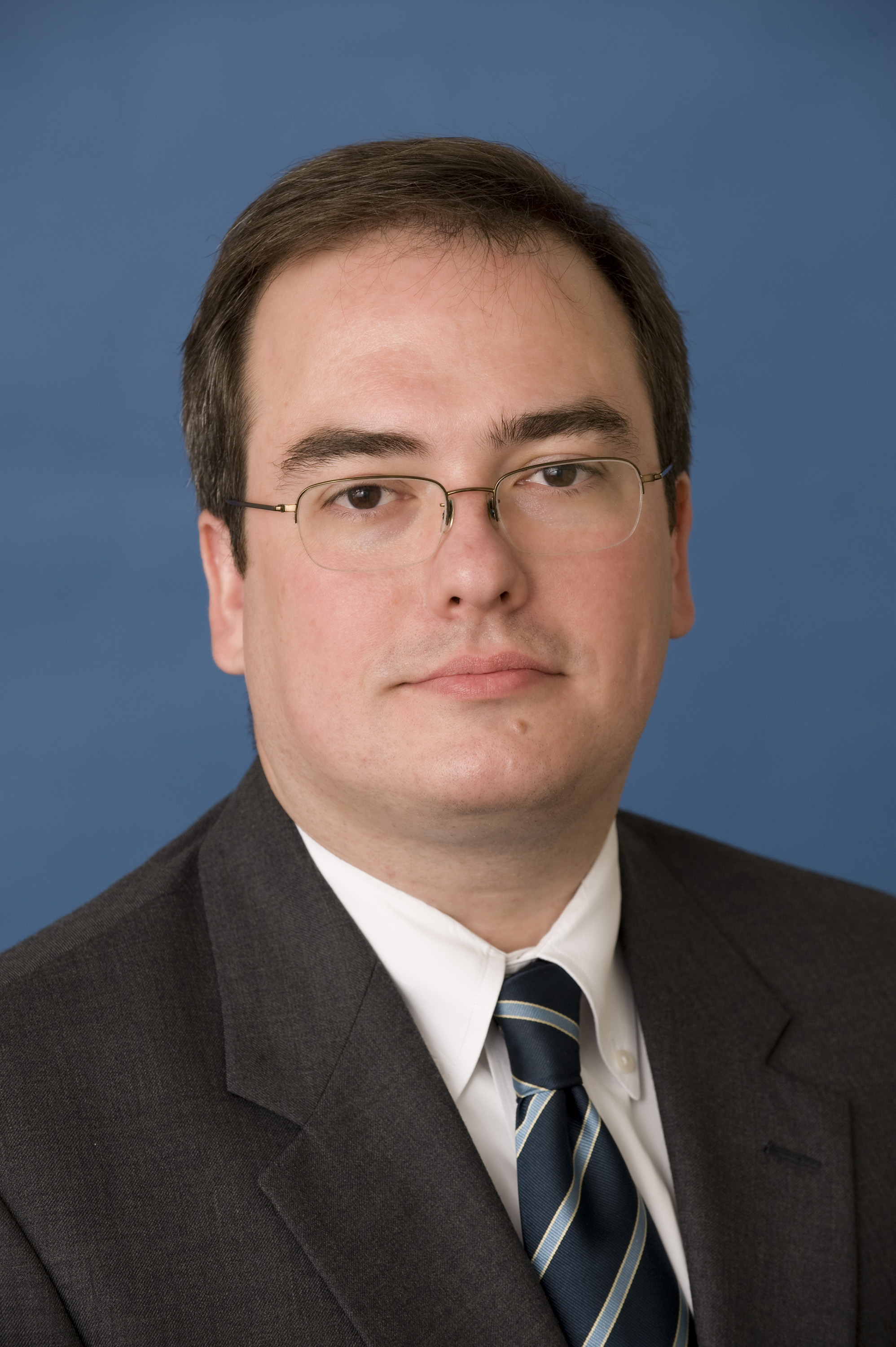
About the Author

Christopher Boucek

Former Associate, Middle East Program

Boucek was an associate in the Carnegie Middle East Program where his research focused on security challenges in the Arabian Peninsula and Northern Africa.

    Recent Work

  • Q&A
    Yemen After Saleh’s Return and Awlaki’s Exit

      Christopher Boucek

  • Q&A
    Rivals—Iran vs. Saudi Arabia

      Christopher Boucek, Karim Sadjadpour

Christopher Boucek
Former Associate, Middle East Program
Christopher Boucek
SecurityForeign PolicyMiddle EastSaudi ArabiaYemen

Carnegie does not take institutional positions on public policy issues; the views represented herein are those of the author(s) and do not necessarily reflect the views of Carnegie, its staff, or its trustees.

More Work from Carnegie Russia Eurasia Center

  • Commentary
    Carnegie Politika
    Lukashenko’s Bromance With Trump Has a Sell-By Date

    Lukashenko is willing to make big sacrifices for an invitation to Mar-a-Lago or the White House. He also knows that the clock is ticking: he must squeeze as much out of the Trump administration as he can before congressional elections in November leave Trump hamstrung or distracted.

      Artyom Shraibman

  • Commentary
    Carnegie Politika
    What the Russian Energy Sector Stands to Gain From War in the Middle East

    The future trajectory of the U.S.-Iran war remains uncertain, but its impact on global energy trade flows and ties will be far-reaching. Moscow is likely to become a key beneficiary of these changes; the crisis in the Gulf also strengthens Russia’s hand in its relationships with China and India, where advantages might prove more durable.

      • Sergey Vakulenko

      Sergey Vakulenko

  • Commentary
    Carnegie Politika
    Beyond Oil: Hormuz Closure Puts Russia in the Lead in the Fertilizer Market

    The Kremlin expects to not only profit from rising fertilizer prices but also exact revenge for the collapse of the 2023 grain deal.

      Alexandra Prokopenko

  • Commentary
    Carnegie Politika
    Why Has Kazakhstan Started Deporting Political Activists?

    The current U.S. indifference to human rights means Astana no longer has any incentive to refuse extradition requests from its authoritarian neighbors—including Russia.

      Temur Umarov

  • Commentary
    Carnegie Politika
    Why Are China and Russia Not Rushing to Help Iran?

    Most of Moscow’s military resources are tied up in Ukraine, while Beijing’s foreign policy prioritizes economic ties and avoids direct conflict.   

      • Alexander Gabuev

      Alexander Gabuev, Temur Umarov

Get more news and analysis from
Carnegie Russia Eurasia Center
Carnegie Russia Eurasia logo, white
  • Research
  • Politika
  • About
  • Experts
  • Events
  • Contact
  • Privacy
Get more news and analysis from
Carnegie Russia Eurasia Center
© 2026 Carnegie Endowment for International Peace. All rights reserved.









