

Commentary
Ongoing uncertainty in the Middle East allows Moscow to both increase its influence in Tehran and continue to enjoy the financial windfall of higher oil prices.
Nikita Smagin
{
  "authors": [
    "Bill Bradley",
    "Tom Ridge",
    "David Walker"
  ],
  "type": "legacyinthemedia",
  "centerAffiliationAll": "dc",
  "centers": [
    "Carnegie Endowment for International Peace"
  ],
  "collections": [],
  "englishNewsletterAll": "ctw",
  "nonEnglishNewsletterAll": "",
  "primaryCenter": "Carnegie Endowment for International Peace",
  "programAffiliation": "SCP",
  "programs": [
    "Sustainability, Climate, and Geopolitics"
  ],
  "projects": [],
  "regions": [
    "North America",
    "United States"
  ],
  "topics": [
    "Climate Change"
  ]
}
Source: Getty
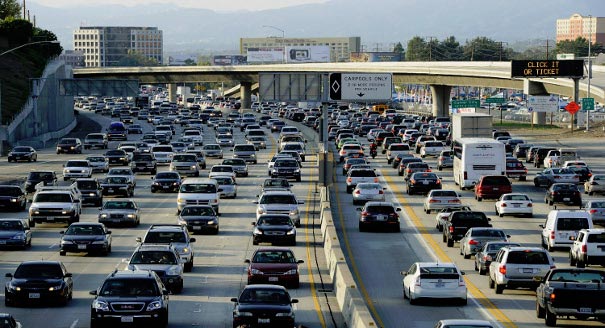
As Congress debates where and how much to cut the budget, distinct guideposts for investment in the U.S. infrastructure can be used to end wasteful spending and foster long-term economic growth.
Source: Politico

But with an almost 20 percent cut in the transportation budget, the House Continuing Resolution goes a bridge too far. We need to invest more in infrastructure. Less is the wrong way to go.
We have neglected our infrastructure at our peril. Choosing not to maintain infrastructure dooms the country to economic decline. But the House leadership makes a good point: How can you tell infrastructure “investments” from “spending” — the beef from the pork?
The three of us — a Democrat, a Republican and an independent — joined together to address this issue. We are still working on it. But we have already identified some guideposts to make sure we are squeezing every ounce of investment gain from our infrastructure dollar. Here’s how:
First, transportation investments must help expand the economy, not just provide short-term employment. Nobody remembers how many jobs were created building the Interstate Highway System, but we all still benefit from the economic boom that followed its construction.
Long-term economic growth requires sound investment choices bolstered by strategic benefits. Wasteful spending can no longer be tolerated. Right now, there aren’t even competition or performance requirements for 80 percent of federal transportation funds — they are simply distributed by a formula. End that practice, not the program.
Second, energy security must be a central focus for transportation investment. America pays foreign countries about $1 billion a day for imported oil — with 70 percent of that consumed by the transportation sector.
History shows that every time U.S. crude oil costs exceed more than 4 percent of gross domestic product, a recession follows within two years. With more than $630 billion spent on crude oil annually — an amount that is likely to rise if unrest in the Middle East grows — we are now dedicating almost 5 percent of GDP to maintain our national addiction to oil.
We must quickly reduce our transportation oil dependence. Our national security depends on it. This means shifting to more efficient cars, running on cleaner alternative fuels. The federal government can lead by example and pledge to convert all noncombat civilian and military government vehicles — including those of the Postal Service — to alternative fuel systems by 2020.
But we also need energy-efficient transportation systems that can transform our mobility. This means improving travel choices, instituting better system management and introducing congestion pricing so we can match traffic volume to system capacity. Transportation efficiency is about managing networks — not just projects.
Third, we must make every dollar contributed toward transportation performance count. This means making the earmark ban permanent. It can be done by putting all transportation spending into a unified transportation fund, making it a mandatory program. Then we can limit spending to revenues received into the fund — no general fund subsidies.
There are good reasons to place control over discretionary spending with the appropriations committees. But authority to pick and choose among individual transportation projects should be based on rigorous analysis to ascertain real economic and national security benefits.
Fourth, the entire transportation program must be managed, regardless of the exact level of federal investment, on a pay-as-you-go basis. Transportation must support the economy, not the other way around.
The burden can — and should — be spread among all who benefit. Oil dependence can be reduced at the pump by higher user fees (gas taxes) and at the wellhead through higher fees on production and importation of crude oil. A terraced funding structure, where foreign and domestic producers share in the cost of the system from which their profits derive, is only fair.
These four guideposts for infrastructure investment can be embraced by deficit hawks and all who call for program reforms, for they represent a “bridge to somewhere.”
It is a bridge on a road we can travel together to a more competitive, secure and solvent nation. If we take this route, we are confident that we will find a worthy travel companion: the American voter.
The authors are the co-chairs of the Leadership Initiative on Transportation Solvency, an initiative created by the Carnegie Endowment for International Peace to develop a non-partisan solution funding a better transportation system in the United States.
Bill Bradley
Tom Ridge
David Walker
Carnegie does not take institutional positions on public policy issues; the views represented herein are those of the author(s) and do not necessarily reflect the views of Carnegie, its staff, or its trustees.

Ongoing uncertainty in the Middle East allows Moscow to both increase its influence in Tehran and continue to enjoy the financial windfall of higher oil prices.

Nikita Smagin

Governments in Estonia, Latvia, and Lithuania want to ensure that a U.S. military withdrawal would not leave them dangerously exposed to a Russian attack.

Sergejs Potapkins
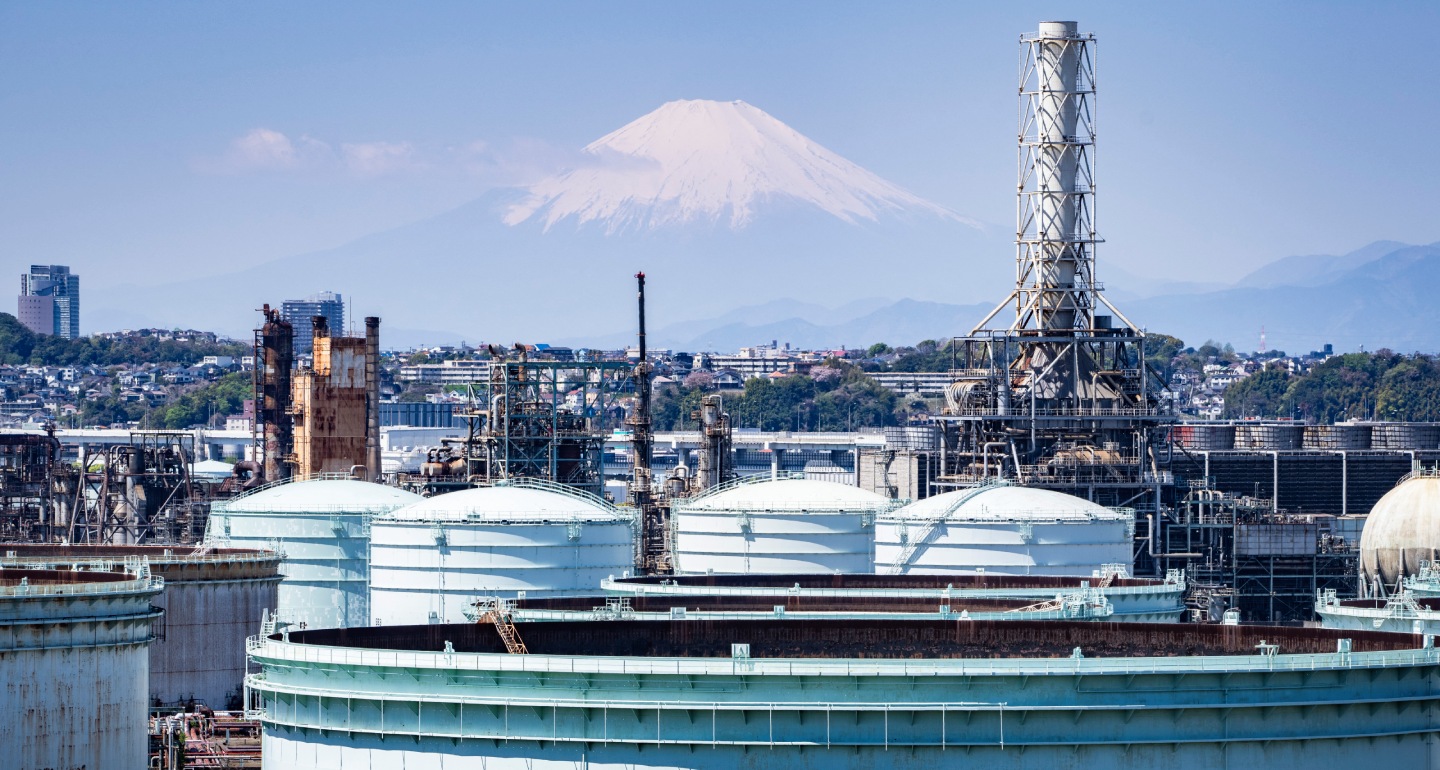
Tokyo would have to surmount a lot of obstacles—not least Western sanctions—if it wanted to return Russian oil imports to even modest pre-2022 volumes.

Vladislav Pashchenko

Powerful lobbyists and inertia led to Russia’s coal-mining sector missing an excellent opportunity to solve its structural problems.
Alexey Gusev
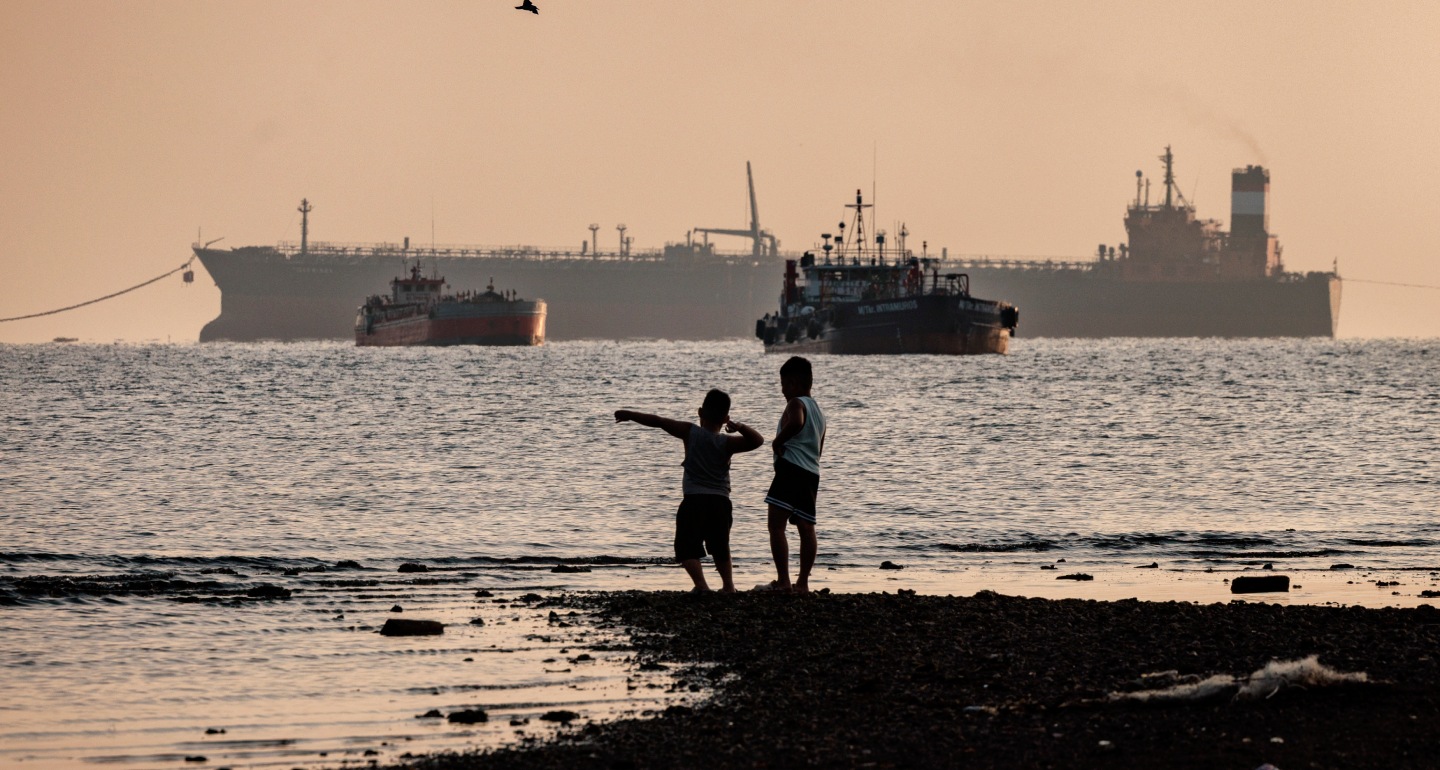
Although Ukrainian strikes have led to a noticeable decline in the physical volume of Russian oil exports, the rise in prices has more than made up for it.

Sergey Vakulenko