

Research
- +5
Alper Coşkun, Fatih Ceylan, Tacan İldem, …
{
  "authors": [
    "Sinan Ülgen"
  ],
  "type": "legacyinthemedia",
  "centerAffiliationAll": "",
  "centers": [
    "Carnegie Endowment for International Peace",
    "Carnegie Europe"
  ],
  "collections": [
    "Turkey’s Transformation",
    "Transatlantic Cooperation"
  ],
  "englishNewsletterAll": "",
  "nonEnglishNewsletterAll": "",
  "primaryCenter": "Carnegie Europe",
  "programAffiliation": "",
  "programs": [],
  "projects": [],
  "regions": [
    "Middle East",
    "Asia",
    "Europe",
    "North America",
    "Türkiye"
  ],
  "topics": []
}
Source: Getty
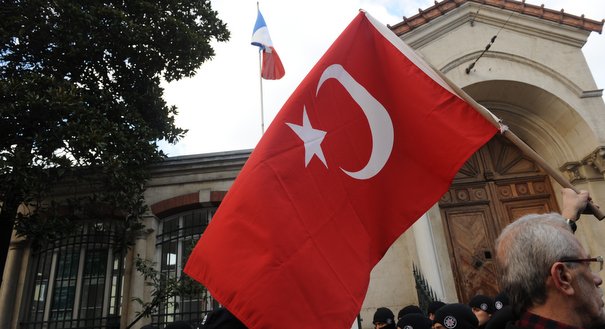
The death of Osama bin Laden could lead to fundamental changes in Turkish foreign policy, particularly in Ankara's bilateral relations with Washington and its presence in Afghanistan.
Source: Hurriyet

After the 9/11 attacks, bin Laden sent a tape to Al-Jazeera, which had just started its life in the world of broadcasting. In this recording, the leader of al-Qaeda took responsibility for the attack and affirmed his aim to end nearly 80 years of the humiliation of Islam. Bin Laden was not referring to the widespread hostility towards the United States or Israel. He was actually making a reference to the abolition of the caliphate by Atatürk and the young Turkish Republic. He was declaring he would eliminate this decades-long feeling of humiliation shared by radical believers of Islam, through terror against the West and the Westernized countries like Turkey. It was thus not a coincidence Istanbul was selected as a target by al-Qaeda in later years. Al-Qaeda was also at war with the secularism of Turkey. From this perspective, the killing of bin Laden would also be a turning point in the fight against the al-Qaeda terror in Turkey.
However the elimination of bin Laden could be a beginning of a new and more challenging period for Turkey's foreign policy and its relations with the U.S. In the context of the Turkish-American relationship, Ankara's support to Washington in Iraq and in Afghanistan was critical. Even in the aggravated circumstances between the two countries which reached a peak last year following Turkey's no vote at the United Nations Security Council for strengthened sanctions on Iran, this mutual interdependence made possible a more nuanced U.S. reaction. In other words, the cooperation between Ankara and Washington in Iraq and in Afghanistan constituted a visible and solid pillar of the bilateral relations allowing the parties to overcome their occasional crisis of confidence.
This important feature of bilateral relations is about to vanish. The U.S. will withdraw its troops from Iraq within the year. After that, the significance of the support, which Turkey provided or will provide to the U.S., will not be as important as in the past. Turkey is therefore set loose from this significant point of leverage in its bilateral relations with the U.S.
A similar process is also under way for Afghanistan. The U.S. President Obama declared the U.S. troops would be withdrawn from Afghanistan in 2014. The death of bin Laden dissipated the lingering doubts about whether this agenda could actually be implemented. Obama will now be able to withdraw U.S. troops from Afghanistan with complacency without facing undue criticisms in domestic politics. As a result, the Afghan card would no longer be relevant in Turkey's relations with the U.S.
Moreover, a similar decision was also adopted by NATO. NATO soldiers will not be in this troubled region after 2014. Turkey reluctantly agreed with this Alliance decision. However, Turkey's policy in Afghanistan is different from all other NATO countries. At NATO's Lisbon Summit last year, President Abdullah Gül said Turkey's responsibility to Afghanistan is open-ended. Turkey would remain in this country as long as the Afghan people so desire. For instance, while other countries have begun to prepare their exit strategy, Turkey established a new provincial reconstruction team in Cevizcan in addition to the existing one in Mezar-ı Sherif. In these conditions, Turkey can find itself as the only foreign actor in this unstable country post 2014. The risk for Ankara would then be to confront the instability of Afghanistan without the protective umbrella of the international community.
In conclusion, it is important to have a long term look at the death of Osama bin Laden. This event, which is rightly perceived as a significant success in the fight against terror in the short run, will inevitably lead to fundamental changes in Turkish foreign policy in terms of Turkey's bilateral relations with the U.S. and its presence in Afghanistan. Going forward, the anchoring role that Iraq and Afghanistan played for the Turkish-American relationship can possibly be overtaken by a strengthened cooperation in the Arab Middle East.
Senior Fellow, Carnegie Europe
Sinan Ülgen is a senior fellow at Carnegie Europe in Brussels, where his research focuses on Turkish foreign policy, transatlantic relations, international trade, economic security, and digital policy.
Recent Work

Alper Coşkun, Fatih Ceylan, Tacan İldem, …
Carnegie does not take institutional positions on public policy issues; the views represented herein are those of the author(s) and do not necessarily reflect the views of Carnegie, its staff, or its trustees.
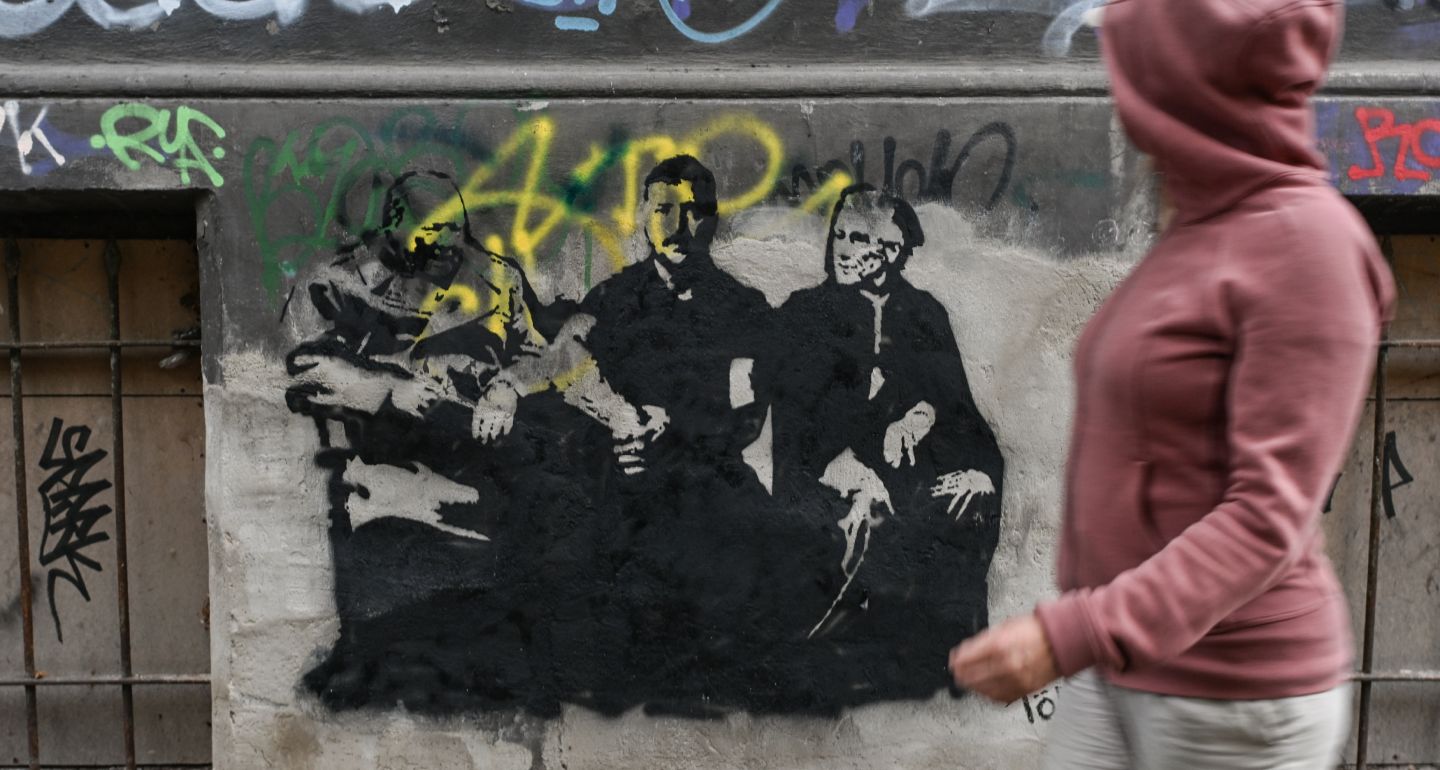
The concrete goal of an end to the hostilities in Ukraine has been replaced by a host of vague Russian demands concerning a range of issues and regions.

Alexander Baunov
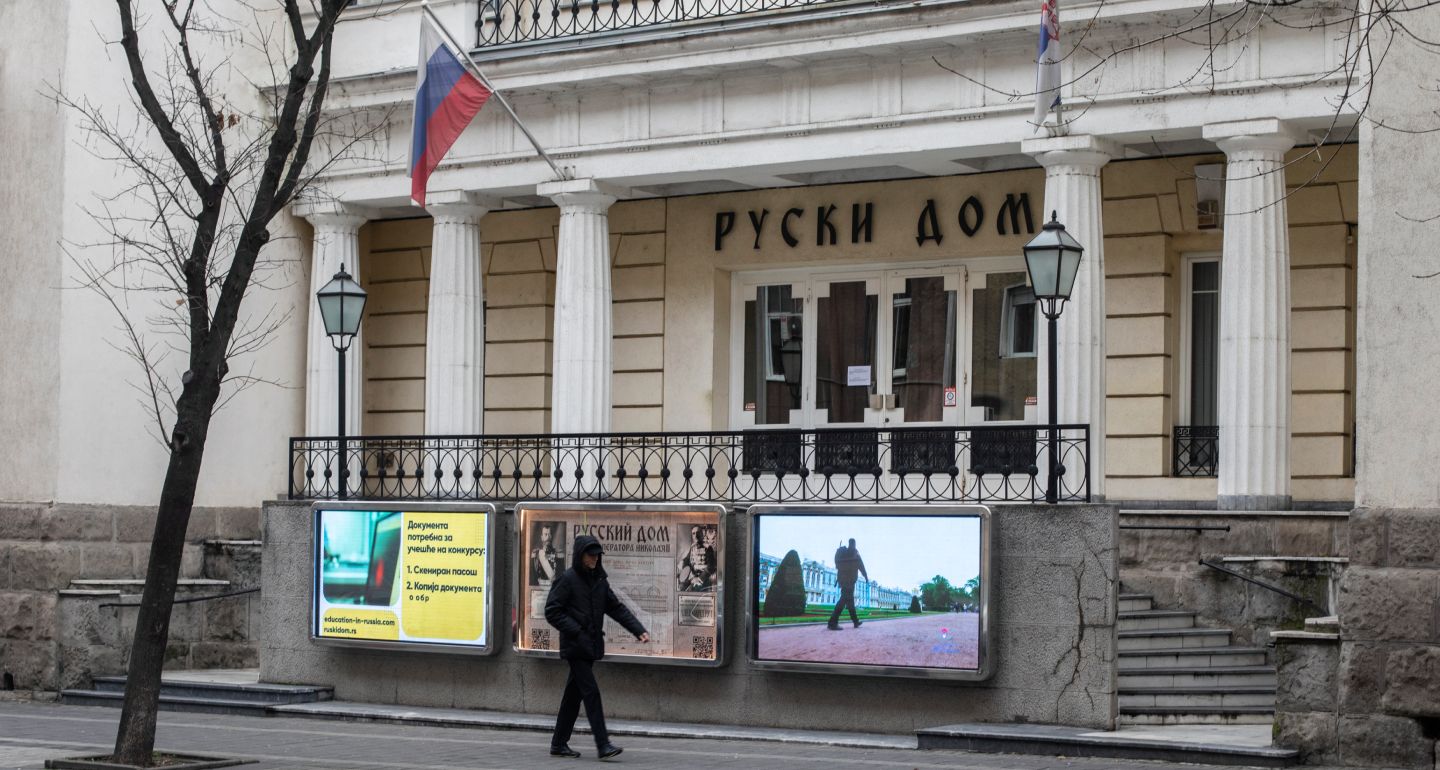
It’s a testing time for Russia’s policy in Serbia and the wider region, but it would be premature to conclude from one political setback that the days of Russian influence are over.

Dimitar Bechev

A gas deal would create palpable economic value, but it wouldn’t fundamentally change the position of either Russia or the EU.

Sergey Vakulenko

Nobody in the Kremlin fancies a fight with the whole European continent. Instead, the Russian leadership would be likely to opt for a short, targeted strike.
Maksim Samorukov
Mikhail Zvinchuk’s detention could have dealt a serious blow to Russia’s propaganda infrastructure in the Balkans. Instead, the incident has made something else eminently clear: Moscow values and protects its propagandists, while Europe still hasn’t figured out what to do with them.

Ivan Filippov, Ksenia Luchenko