As China becomes an increasingly motorized country, Beijing must enact new policies to address the challenges presented by congestion, pollution, and fuel dependence.
On the Right Track?China is quickly becoming a motorised nation. Between 2000 and 2010, its car population grew by a factor of 20. The nation's vehicle fleet - cars, trucks, motorcycles and rural vehicles - ballooned from a projected 160 million to a reported 199 million vehicles in 2010. More realistic estimates, according to experts, put the mainland's fleet even higher. Already, the nation has zoomed ahead of Japan and the EU nations, and is poised to overtake America's 250 million vehicles.
Skyrocketing economic growth has been a driving factor behind this increase. Mainland China's current per capita GDP is US$4,200, which exceeds the US$2,400 estimated necessary for motorcycle ownership and the US$3,600 for car ownership to take hold.
Although the country's 12th five-year plan seeks to cool its red-hot growth, a 7 per cent gross domestic product growth rate in the coming years is likely. This would lead China to overtake the US as the world's largest economy by the 2030s, if not much sooner, according to the International Monetary Fund. Even very moderate economic growth will lift vehicle purchases, pushing global motorisation to record levels.
Rapid urbanisation is also revving up the country's motoring population. China's urbanisation rate increased to approximately 46 per cent in 2010, from about 36 per cent in 2002, the result of a national economic growth strategy. The five-year plan projects this rate will grow to 51.5 per cent by 2015.
Take Beijing - one of the mainland's most attractive cities for rural citizens due to its employment opportunities. In 2010, it was home to more than 4.7 million cars, almost double the level of 2005.
Over the next two decades, 350 million rural Chinese are expected to migrate to cities. Such a shift would create an estimated 219 cities with more than one million residents each by 2025. This domestic migration should translate into higher employment and higher household incomes, which, in turn, will increase motor vehicle ownership and use.
Accelerated vehicle growth might be good for China's economy in the short run, but it will have significant implications for the country's energy security, environment, health and safety.
Booming motorisation will require tremendous amounts of fossil fuels, particularly oil. However, with less than 2 per cent of the world's proven oil reserves, China's vehicle fleet will have to rely heavily on imports from unstable, oil-rich nations in the Middle East and North Africa. Rising world oil prices will add to its already elevated inflation, which could threaten socio-economic development and political stability.
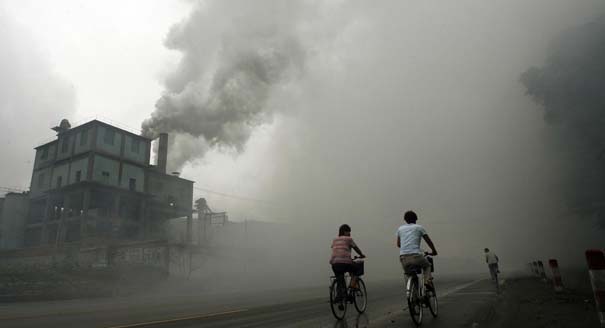
China's bulging motor vehicle fleet will also bring severe climate change and air pollution. The exhaust gases released from motor vehicles will result in hazier cities, increases in morbidity and mortality, reduction in large-scale crop yields, and will lead to chronic diseases.
In addition, surging motorisation is likely to permanently alter urban forms, as cities grow and expand outward. As witnessed in the world's megacities, urban areas and cars are largely incompatible, resulting in ongoing urban sprawl, disabling congestion, harmful pollution and higher accident rates.
Transport alternatives, such as buses, railways, bicycles, walking, car-sharing, and intermodal freight transport, must be incorporated into development patterns at the outset, not as an afterthought.
While government policies adopted over the past few years to spur car growth on the mainland - such as subsidies - have recently been disbanded, new policies are needed to create harmonious mobility throughout the country.
Over the long term, China's best bet is to initiate technological and policy innovations that move the country beyond conventional vehicles, fuels and mobility.
First and foremost, it should accelerate innovation on clean vehicle and fuel technologies. One option is to ramp up vehicle emission standards to create cutting-edge pollution control technologies. Another is to tighten fuel-quality standards on new and existing petroleum refineries. Success will depend on tight enforcement.
Second, China can scale up the development and commercialisation of ultra-efficient vehicles and electric vehicles. Vehicle electrification must be complemented with smart grid advances towards a near-zero emission power sector.
Economic incentives will also play an important role. Implementing sufficient carbon taxes and/or fuel taxes, as a supplementary tool, can reduce production, and use, of less-efficient, high-polluting vehicles.
Finally, sound public transit infrastructure investments - together with integrated transportation and land use planning - will help ensure mobility through alternative means.
China must adopt a smart transportation-oriented policy portfolio now to sidestep the troubling vehicle dominance witnessed in the West. Doing so will ensure a far more secure and prosperous future, one that minimises the energy and environmental footprint of China's burgeoning motorisation.
Former Director and Senior Fellow, Energy and Climate Program
Gordon was director of Carnegie’s Energy and Climate Program, where her research focuses on oil and climate change issues in North America and globally.
Yuhan Zhang
Former Research Assistant, Energy and Climate Program
Carnegie does not take institutional positions on public policy issues; the views represented herein are those of the author(s) and do not necessarily reflect the views of Carnegie, its staff, or its trustees.
Without a ceasefire with Ukraine on attacking each other’s energy infrastructure—to which the Kremlin is unlikely to agree—the diesel agreement between Putin and Trump is largely for show, rather than representing a genuine increase in the volumes of Russian diesel on the global market.
With the growth in points of friction between the great powers, organizations like the SCO will continue to play a role in the strategic adaptation of the smaller powers caught between them.
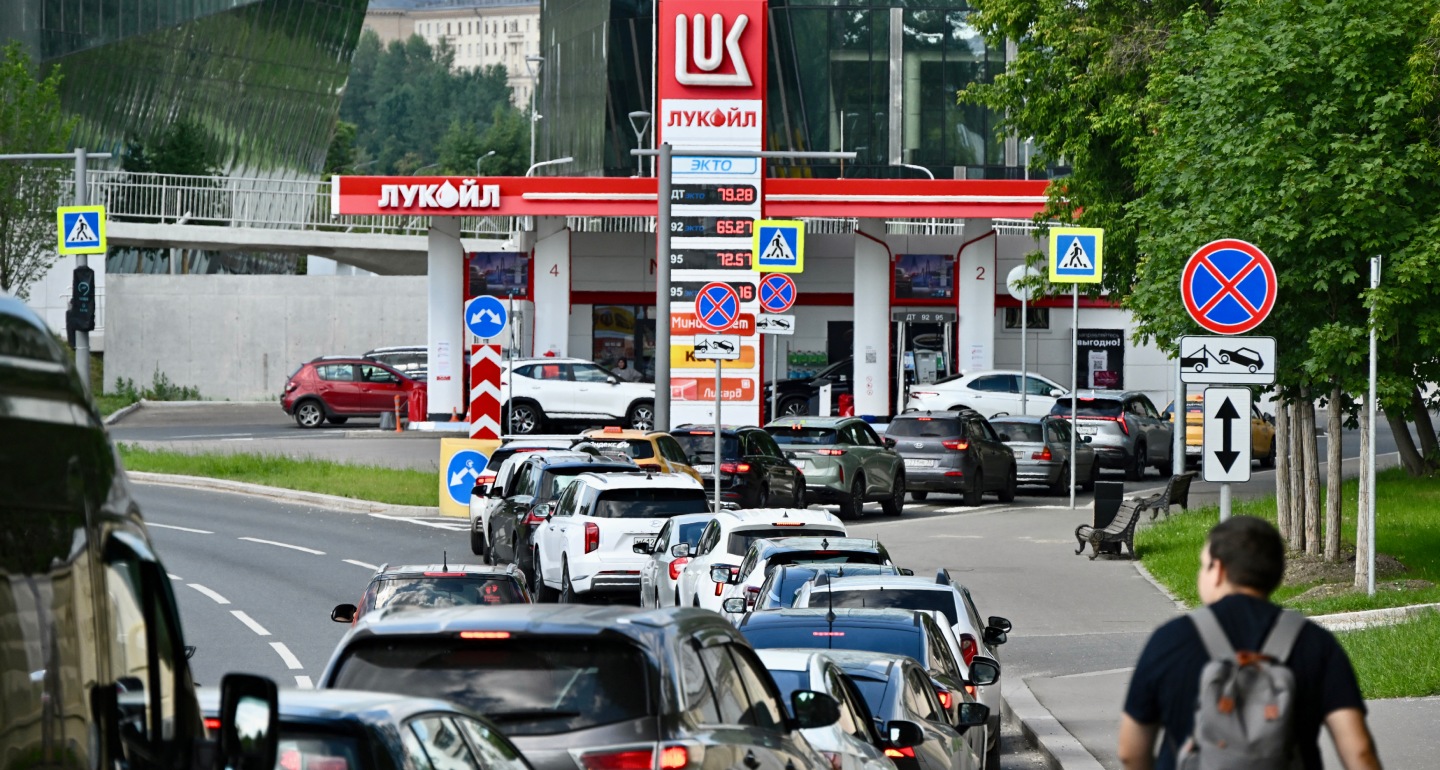
When faced with fuel shortages in the past, Central Asian governments could always count on additional supplies from Moscow. That safety net no longer exists.
Official discussions about mini oil refineries are unlikely to come to anything—but the mere fact they’re happening reveals the regime is failing to deliver a functioning economy.
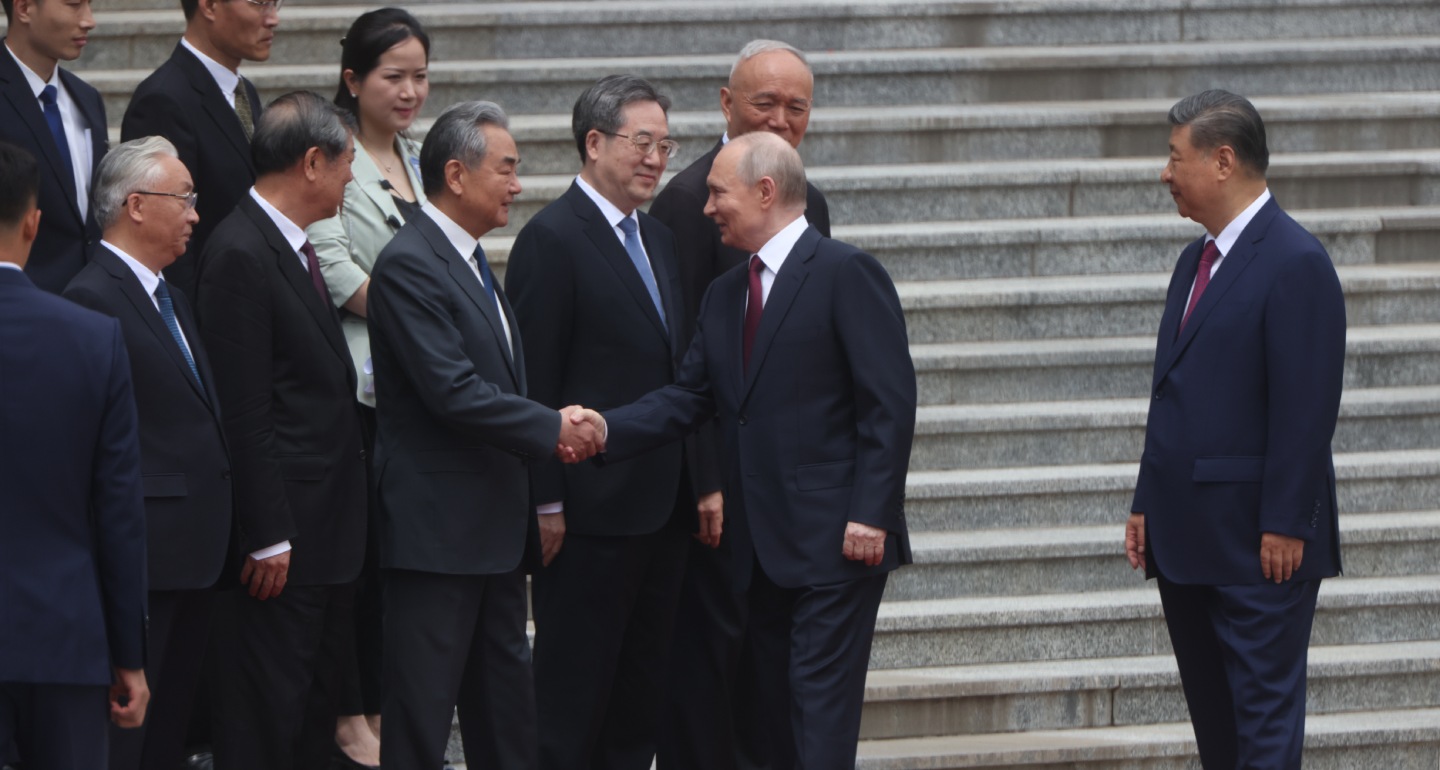
With no key agreement signed on the Power of Siberia 2 gas pipeline, there is a risk that the window of opportunity for Russia will close if Chinese power generation becomes so green that new gas sources are no longer of any interest to Beijing.