

Q&A
Raluca Csernatoni, Sinan Ülgen
{
  "authors": [
    "Sinan Ülgen"
  ],
  "type": "legacyinthemedia",
  "centerAffiliationAll": "",
  "centers": [
    "Carnegie Endowment for International Peace",
    "Carnegie Europe"
  ],
  "collections": [
    "Turkey’s Transformation"
  ],
  "englishNewsletterAll": "",
  "nonEnglishNewsletterAll": "",
  "primaryCenter": "Carnegie Europe",
  "programAffiliation": "",
  "programs": [],
  "projects": [],
  "regions": [
    "Middle East",
    "Europe",
    "Türkiye"
  ],
  "topics": []
}
Source: Getty
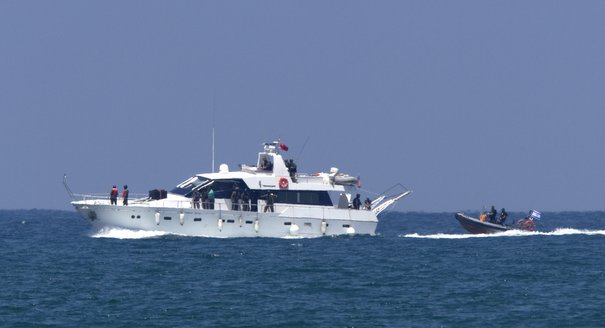
The results of the United Nations panel of inquiry's report into Israel's raid on the Gaza-bound Mavi Marmara flotilla are problematic for Israel, Turkey, and the UN.
Source: European Voice

At first reading, the report of the UN panel, chaired by former New Zealand Prime Minister Geoffrey Palmer, may be interpreted as a diplomatic victory for Israel. Going against the findings of the UN Human Rights Commission last May, it confirms Israel's view that its naval blockade of Gaza is lawful and based on legitimate security concerns. It also absolves Tel Aviv of the need to apologise for the killings of the Mavi Marmara passengers.
The consequences of the report's publication will, however, be much bleaker for Tel Aviv. The last opportunity to overcome the crisis with Turkey is now gone. At a time when Israeli policymakers are surely concerned about the regional security implications of the Arab spring, losing a long-term ally like Turkey will only serve to heighten Israel's sense of isolation. Now Turkey is not only Israel's non-ally, it has morphed into its dedicated antagonist.
The statements of Turkey's foreign minister, Ahmet Davutoğlu, last Friday (2 September) leave no doubt about the future direction of Turkish policy.
Ankara announced its decision to downgrade diplomatic relations with Tel Aviv, suspend its military co-operation and activate Turkish diplomacy for the lifting of the Gaza blockade. More ominously, Davutoğlu also stated that Turkey would take whatever measures it deems necessary in order to ensure the freedom of navigation in the eastern Mediterranean, raising the spectre of an armed conflict between the two strongest navies in the region.
But the on-going crisis with Israel is also inimical to Ankara's interests. The Turkish army relied on Israeli know-how to modernise its forces and acquire the technology to better counter the growing threat of terrorism from the Kurdish terrorist threat, the PKK. Likewise, many Turkish companies sought to become partners with Israeli firms to upgrade their production technology.
Yet Ankara's ties to Tel Aviv had implications that went beyond the bilateral relationship. Maintaining good relations with Israel had allowed Turkey to play a more influential role in the Middle East. Ankara was instrumental in setting up the peace talks between Syria and Israel in 2008. Now Turkey will be sidelined from all efforts linked to the Middle East peace process. That will surely be unwelcome in a country that likes to portray itself as a regional order setter. But it will also be an impediment to regional peace, as Turkey was among the few that used to enjoy a trust-based relationship with the two sides of the Arab-Israeli conflict.
It is paradoxical that this untenable situation is the outcome of a UN-led effort to defuse the tension between Ankara and Tel Aviv. In many ways both the bilateral relationship and regional stability are now worse off.
The UN intervention has only helped to aggravate the situation. It has also laid bare the inconsistencies in the UN system with a panel contradicting the assessment of the UN's own human-rights commission. With the onset of the right of humanitarian intervention, the role of the UN in managing intra-state conflicts has come to the fore. But that should not obviate the need to revisit the role of the UN in managing inter-state conflicts. The international community cannot remain aloof to the gaping hole in the credibility of this universal league of nations that the Palmer report has created.

Senior Fellow, Carnegie Europe
Sinan Ülgen is a senior fellow at Carnegie Europe in Brussels, where his research focuses on Turkish foreign policy, transatlantic relations, international trade, economic security, and digital policy.
Recent Work

Raluca Csernatoni, Sinan Ülgen

Catherine Hoeffler, Sinan Ülgen
Carnegie does not take institutional positions on public policy issues; the views represented herein are those of the author(s) and do not necessarily reflect the views of Carnegie, its staff, or its trustees.
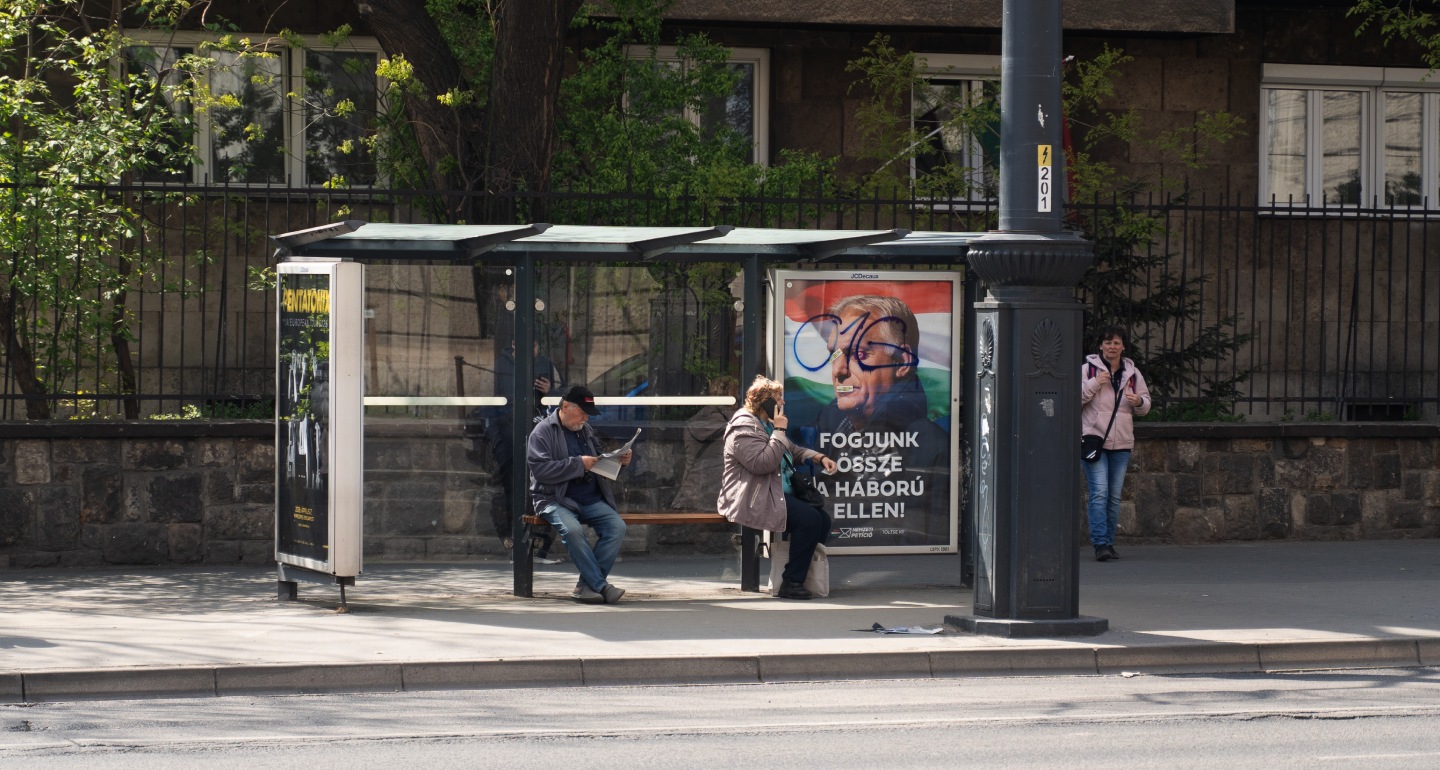
Orbán created an image for himself as virtually the only opponent of aid to Ukraine in the entire EU. But in reality, he was simply willing to use his veto to absorb all the backlash, allowing other opponents to remain in the shadows.
Maksim Samorukov
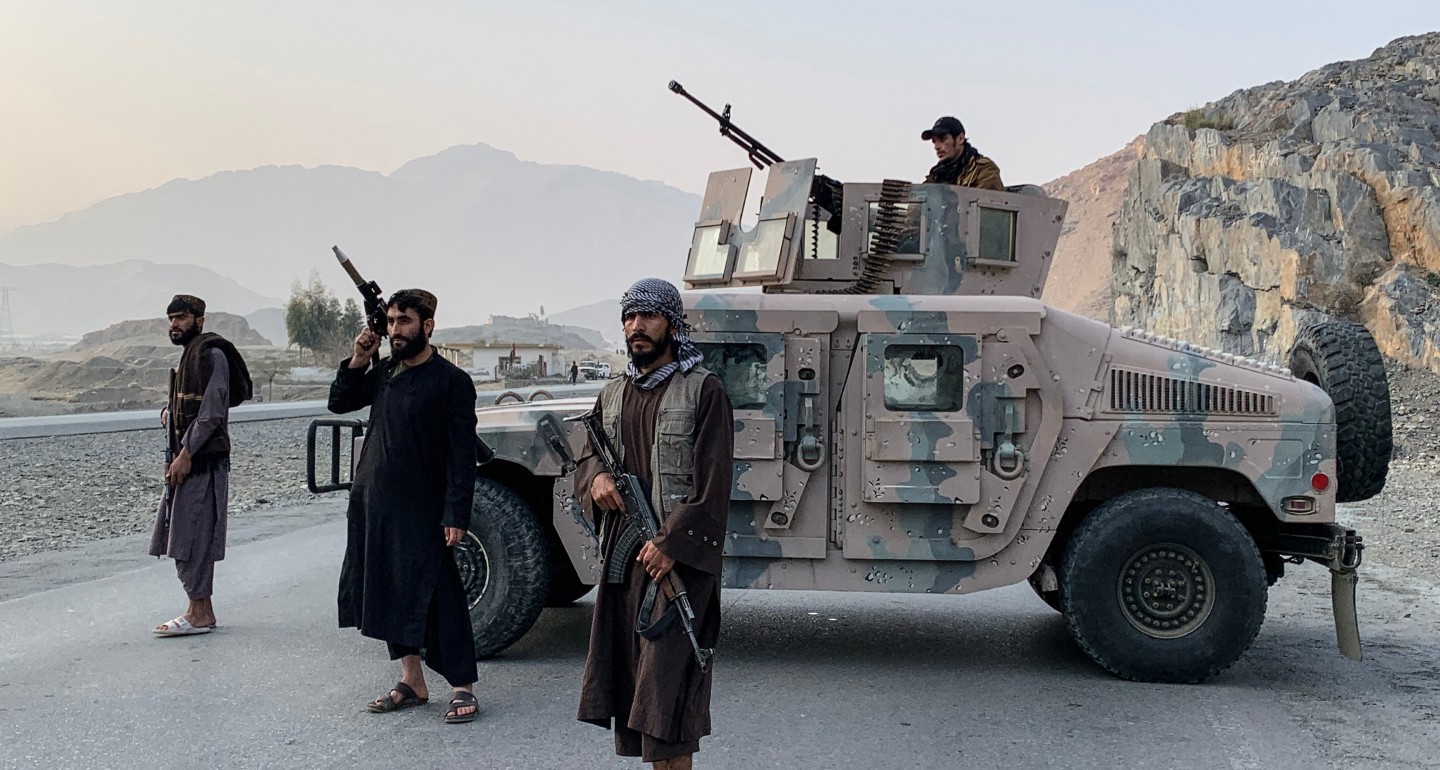
Not only does the fighting jeopardize regional security, it undermines Russian attempts to promote alternatives to the Western-dominated world order.

Ruslan Suleymanov
Disillusioned with the West over Gaza, Arab countries are not only trading more with Russia; they are also more willing to criticize Kyiv.
Ruslan Suleymanov
What should happen when sanctions designed to weaken the Belarusian regime end up enriching and strengthening the Kremlin?

Denis Kishinevsky
The supposed threats from China and Russia pose far less of a danger to both Greenland and the Arctic than the prospect of an unscrupulous takeover of the island.

Andrei Dagaev