

Commentary
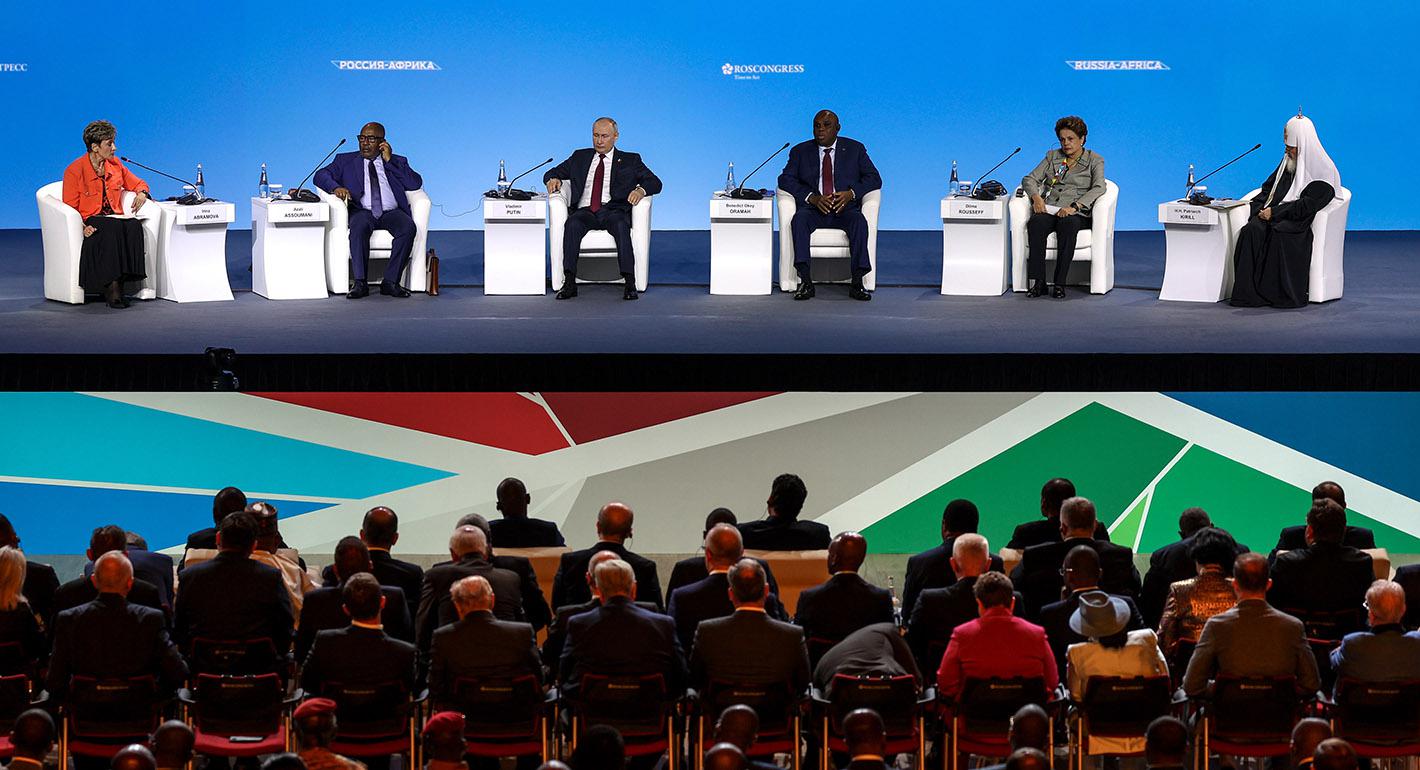
Trade volumes between Russia and African nations have fallen since the last event in 2019, while the war in Ukraine and Wagner’s activities on the continent have strained political ties.
Vadim Zaytsev
{
  "authors": [],
  "type": "other",
  "centerAffiliationAll": "",
  "centers": [
    "Carnegie Endowment for International Peace"
  ],
  "collections": [],
  "englishNewsletterAll": "",
  "nonEnglishNewsletterAll": "",
  "primaryCenter": "Carnegie Endowment for International Peace",
  "programAffiliation": "",
  "programs": [],
  "projects": [],
  "regions": [
    "North Africa",
    "Egypt"
  ],
  "topics": []
}
Source: Getty
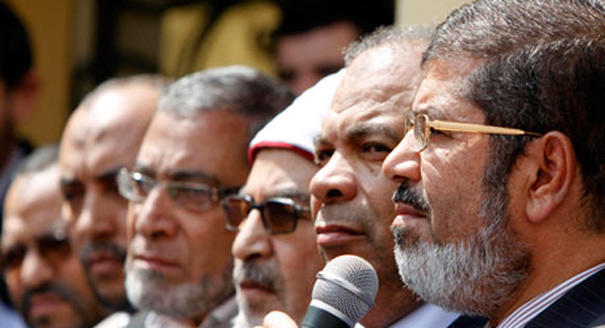
A backgrounder on the Freedom and Justice Party
This resource was published on 09/22/2011 and is not updated to reflect changing circumstances.
The Freedom and Justice Party was formed by the Muslim Brotherhood in May 2011 and is the dominant Islamist party in Egypt. Aware of the fears that surround its participation, the party defines itself as a “civil” party rather than an Islamic one and has formed the Democratic Alliance with a number of liberal and leftist parties.
Mohammed Morsi: President
Rafiq Habib: Vice president
Essam al-Arian: Vice president and spokesman
Saad al-Katatny: Secretary-General
The Egyptian Muslim Brotherhood underwent a long period of ideological transformation as Egypt returned to multiparty elections under President Anwar Sadat and then President Hosni Mubarak. Under the influence of younger, reform-minded leaders, the Brotherhood came to accept that democratic processes were compatible with Islam.
Beginning with the parliamentary elections of 1984, the Muslim Brotherhood even began presenting some candidates. Banned from forming a political party, it was forced to present its candidates either under the auspices of other parties or as independent candidates. The high point of the Muslim Brotherhood electoral participation came in 2005, when its members, running as independents, won 20 percent of the lower house seats. Strong repression by the government ensured that such success was never repeated.
After the 2011 uprising, the law on political parties was modified. Although the registration of political parties with a religious identity was still banned, the Muslim Brotherhood was able to register the Freedom and Justice Party, presenting it as a “civil” party.
Controversy continues to surround the party. Fear of an Islamist victory is rife in many sectors of Egyptian society. More specifically, an extremely controversial platform for a political party floated by the Muslim Brotherhood in 2007 alarmed many by proposing the creation of a clerical committee to review legislation for compliance with Islamic law and another to prohibit women and non-Muslims from running for president. Although the organization later repudiated the most extreme features of the platform, doubts still remain about the new party’s real intentions.
Carnegie does not take institutional positions on public policy issues; the views represented herein are those of the author(s) and do not necessarily reflect the views of Carnegie, its staff, or its trustees.
Trade volumes between Russia and African nations have fallen since the last event in 2019, while the war in Ukraine and Wagner’s activities on the continent have strained political ties.
Vadim Zaytsev
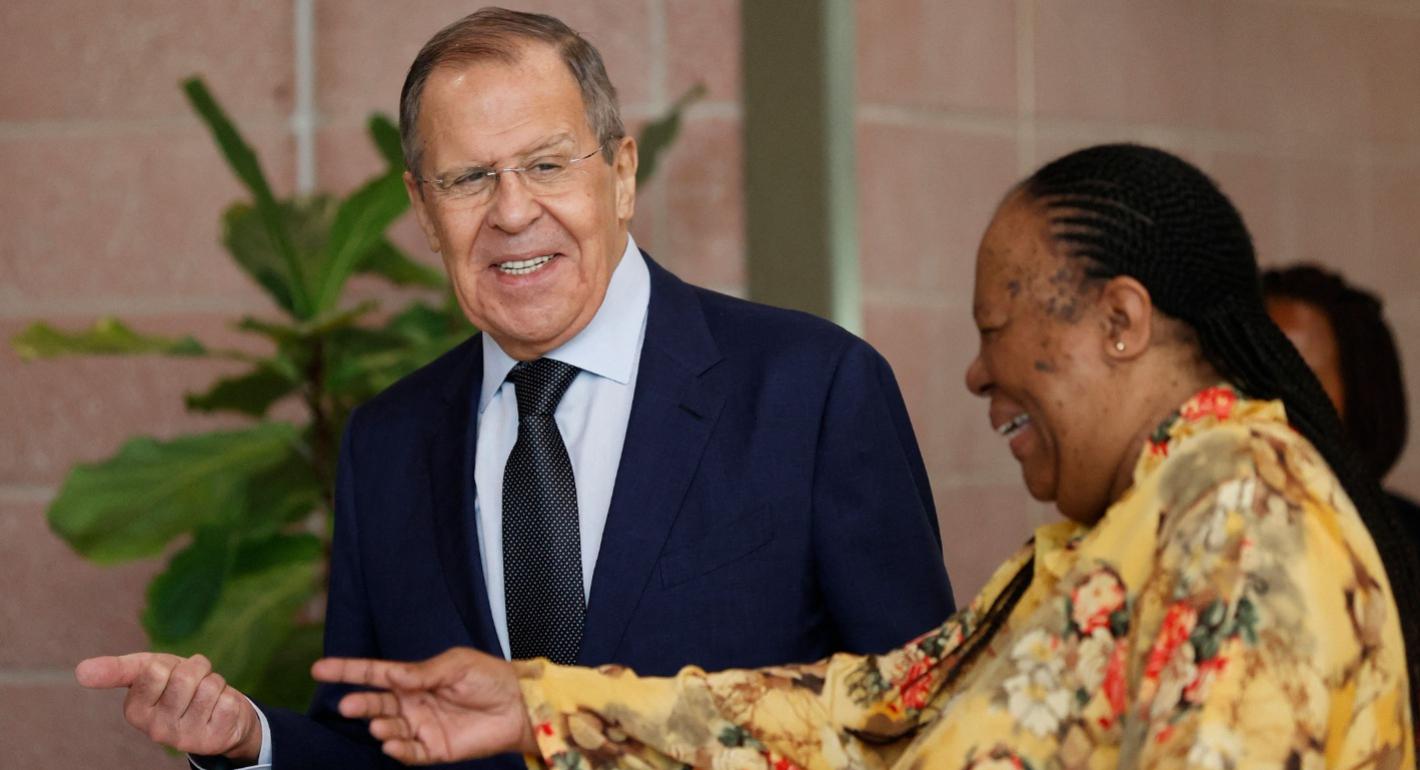
Africa is becoming a battlefield of artificial narratives. The Kremlin pretends it is creating a “second front” and challenging the rules-based order, while the West feigns concern over the Kremlin’s actions there, while knowing perfectly well that the main threat to its interests in the region is actually China.
Vadim Zaytsev
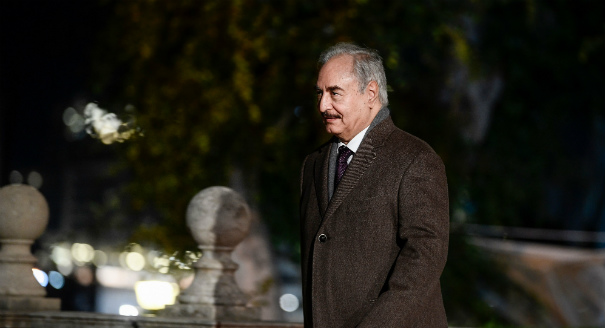
In order to secure its economic interests in Libya, Russia is seeking to bolster Haftar’s influence over a future UN-brokered diplomatic settlement.
Samuel Ramani
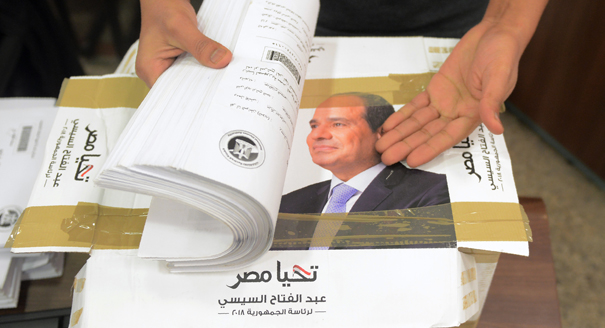
Egypt’s upcoming presidential election may not remove the incumbent, but many problems lie ahead if he wins.

Michele Dunne
Based on the data, policymakers and practitioners need to ask hard questions about whether the terrorist threat justifies a continuing U.S. military buildup in Africa.

Steve Feldstein