

Commentary
Stefan Lehne
{
  "authors": [
    "Stefan Lehne"
  ],
  "type": "other",
  "centerAffiliationAll": "",
  "centers": [
    "Carnegie Endowment for International Peace",
    "Carnegie Europe"
  ],
  "collections": [],
  "englishNewsletterAll": "",
  "nonEnglishNewsletterAll": "",
  "primaryCenter": "Carnegie Europe",
  "programAffiliation": "",
  "programs": [],
  "projects": [],
  "regions": [
    "Europe"
  ],
  "topics": [
    "Foreign Policy"
  ]
}
Source: Getty
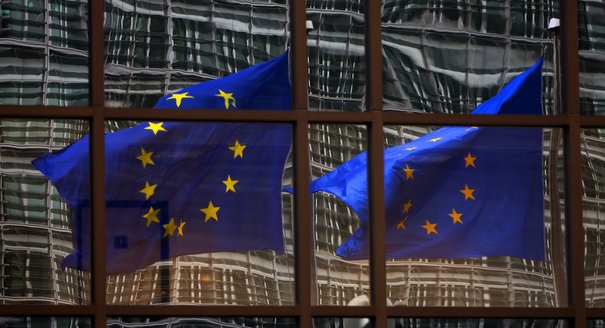
Roughly one year after its establishment, the European External Action Service still suffers from a number of design flaws, including an insufficient resource base and a lack of genuine buy-in on the parts of both the member states and the European Commission.
The European Union is currently going through one of the most difficult periods of its existence. While the focus is on the efforts to save the euro, its foreign policy arm, the European External Action Service (EEAS), is struggling as well. Originally conceived in a more optimistic era, the foreign policy reforms of the Treaty of Lisbon are being implemented against this backdrop of crisis and loss of confidence. There is a risk that under these conditions, implementation will fall short of the full potential of the Lisbon reforms. Roughly one year after its establishment, the EEAS still suffers from a number of design flaws. It has an insufficient resource base and there is a lack of genuine buy-in on the parts of both the member states and the European Commission. These flaws can be overcome, however, if corrective action is taken:
The foreign policy provisions of the Treaty of Lisbon represent the most ambitious reform effort in European foreign policy—ever. By taking action in these areas, the EU can begin to overcome some of the flaws in the system and make the vision of Lisbon a reality.

Senior Fellow, Carnegie Europe
Stefan Lehne is a senior fellow at Carnegie Europe in Brussels, where his research focuses on the post–Lisbon Treaty development of the European Union’s foreign policy, with a specific focus on relations between the EU and member states.
Recent Work
Stefan Lehne
Stefan Lehne
Carnegie does not take institutional positions on public policy issues; the views represented herein are those of the author(s) and do not necessarily reflect the views of Carnegie, its staff, or its trustees.
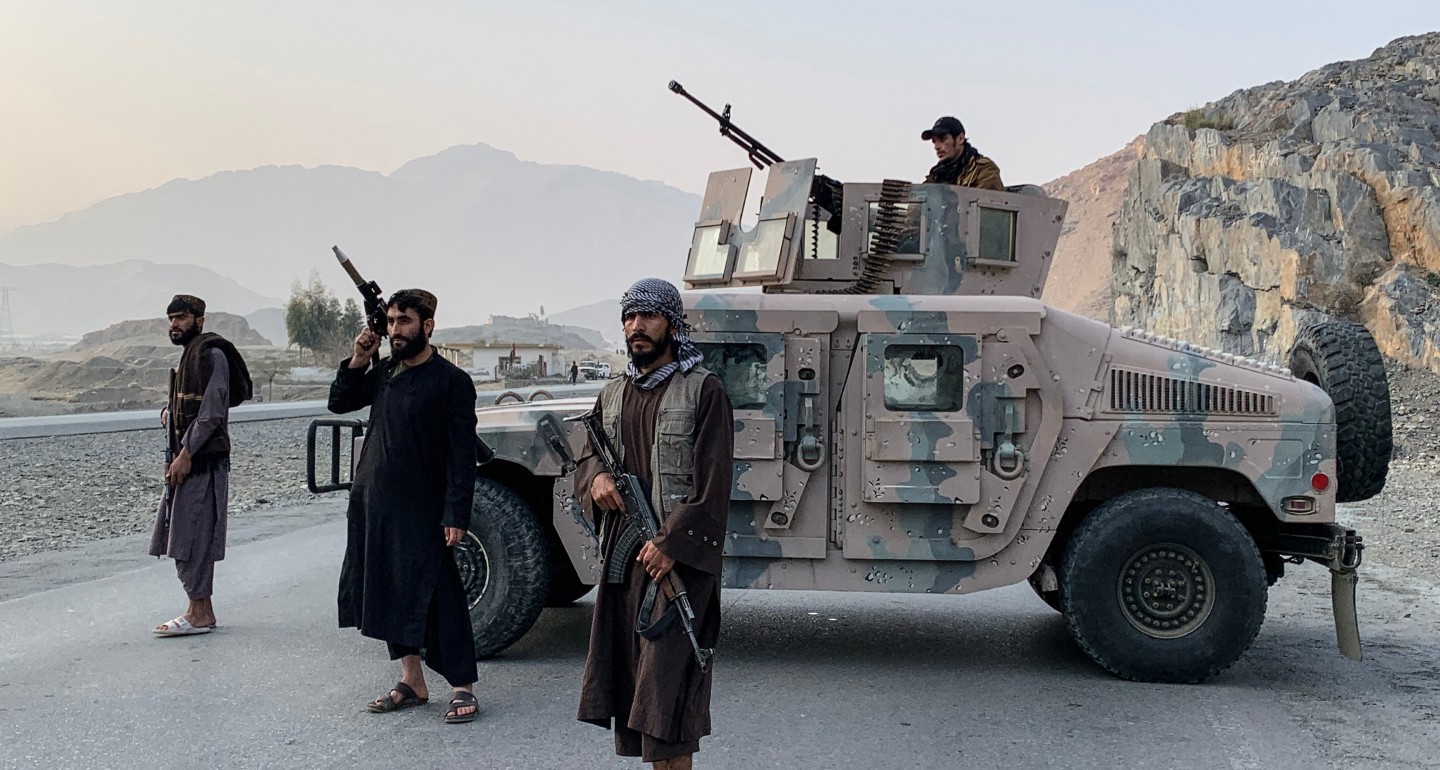
Not only does the fighting jeopardize regional security, it undermines Russian attempts to promote alternatives to the Western-dominated world order.
Ruslan Suleymanov
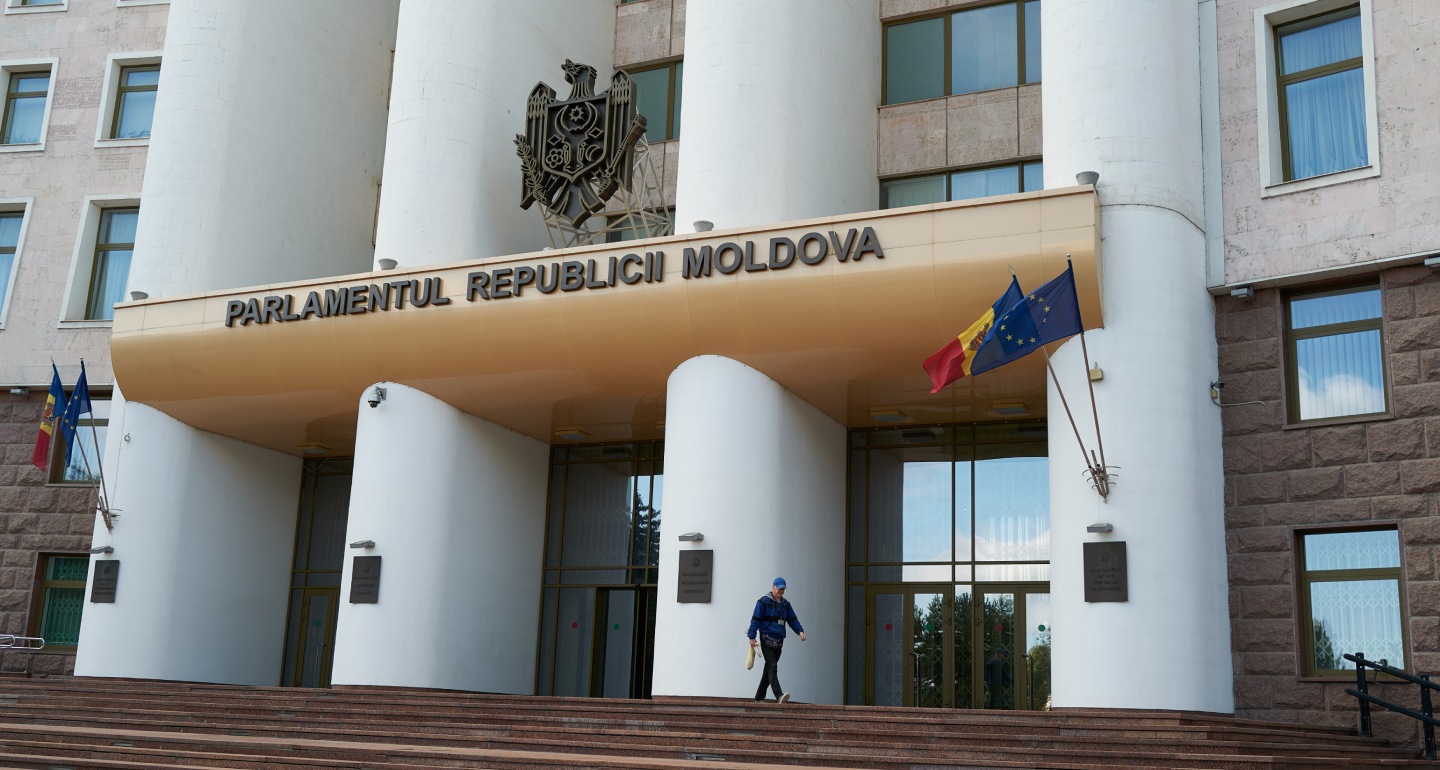
Moldova’s reintegration plan was drawn up to demonstrate to Brussels that Chișinău is serious about the Transnistria issue—and to get the West to react.
Vladimir Solovyov
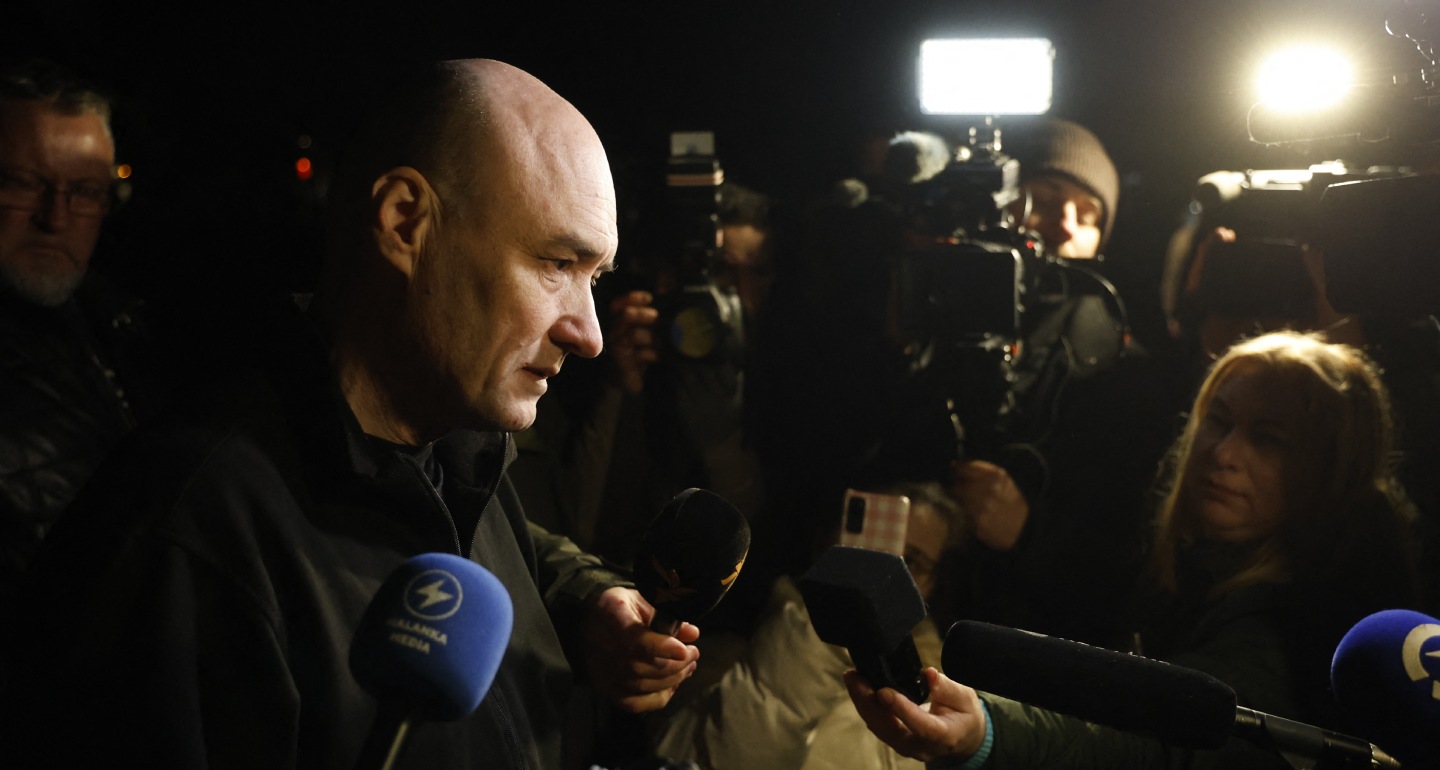
Lukashenko is willing to make big sacrifices for an invitation to Mar-a-Lago or the White House. He also knows that the clock is ticking: he must squeeze as much out of the Trump administration as he can before congressional elections in November leave Trump hamstrung or distracted.

Artyom Shraibman

The future trajectory of the U.S.-Iran war remains uncertain, but its impact on global energy trade flows and ties will be far-reaching. Moscow is likely to become a key beneficiary of these changes; the crisis in the Gulf also strengthens Russia’s hand in its relationships with China and India, where advantages might prove more durable.

Sergey Vakulenko
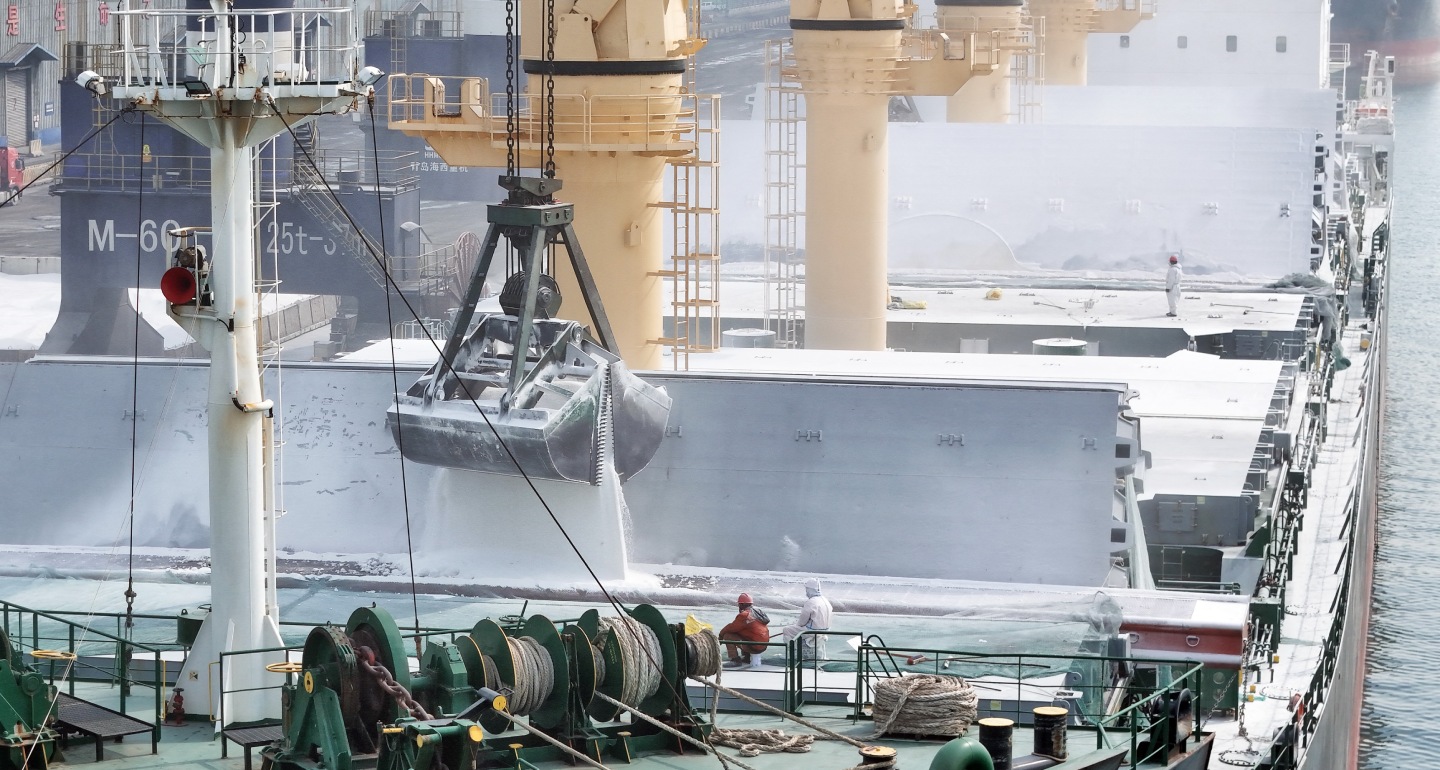
The Kremlin expects to not only profit from rising fertilizer prices but also exact revenge for the collapse of the 2023 grain deal.
Alexandra Prokopenko