• Research
  • Politika
  • About
Carnegie Russia Eurasia center logoCarnegie lettermark logo
  • Donate
{
  "authors": [
    "Sinan Ülgen"
  ],
  "type": "legacyinthemedia",
  "centerAffiliationAll": "",
  "centers": [
    "Carnegie Endowment for International Peace",
    "Carnegie Europe"
  ],
  "collections": [
    "Turkey’s Transformation"
  ],
  "englishNewsletterAll": "",
  "nonEnglishNewsletterAll": "",
  "primaryCenter": "Carnegie Europe",
  "programAffiliation": "",
  "programs": [],
  "projects": [],
  "regions": [
    "Middle East",
    "Europe",
    "Türkiye"
  ],
  "topics": []
}
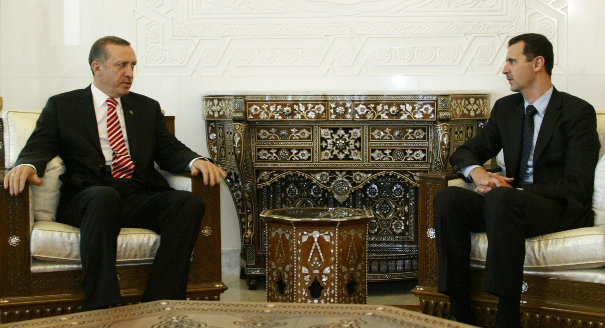
Source: Getty

In The Media
Carnegie Europe

Turkey and Syria

The overriding concern for Turkish policy makers is to prevent Syria’s implosion and descent into civil war.

Link Copied
By Sinan Ülgen
Published on Feb 7, 2012

Source: BBC World News

In a recent interview on the BBC’s World News Today, Carnegie’s Sinan Ülgen commented on Turkey’s role in the evolving situation in Syria. Highlighting the dismay in Ankara at the vetoing of a United Nations Security Council resolution on Syria, Ülgen stressed that the overriding concern for Turkish policy makers is to prevent the country’s implosion and descent into civil war. As such, he continued, Ankara has opted for a radical departure from its established foreign policy by promoting the idea of regime change in Damascus and lending overt support to the Assad regime’s main opponents, the Syrian National Council and Free Syrian Army. Turkish Foreign Minister Ahmet Davutoğlu’s February visit to Washington, Ülgen concluded, could provide an opportunity for Turkey and the United States to re-assess and strengthen support to the opposition.

About the Author

Sinan Ülgen

Senior Fellow, Carnegie Europe

Sinan Ülgen is a senior fellow at Carnegie Europe in Brussels, where his research focuses on Turkish foreign policy, transatlantic relations, international trade, economic security, and digital policy.

    Recent Work
  • Research
    Reforming European Security: A Turkish Perspective
      • +5

      Alper Coşkun, Fatih Ceylan, Tacan İldem, …

  • Paper
    From Trade Dependence to Geopolitical Leverage: The EU in an Era of Weaponized Interdependence

      Sinan Ülgen

Sinan Ülgen
Senior Fellow, Carnegie Europe
Sinan Ülgen
Middle EastEuropeTürkiye

Carnegie does not take institutional positions on public policy issues; the views represented herein are those of the author(s) and do not necessarily reflect the views of Carnegie, its staff, or its trustees.
More Work from Carnegie Russia Eurasia Center

  • Commentary
    Carnegie Politika
    What Should We Take From Andrey Melnichenko’s Essay in the Economist?

    Andrey Melnichenko’s essay offers no answer to the fundamental question of how, under any kind of negotiated settlement, Europe can protect itself from the Russian ressentiment that is inevitable in all scenarios except for an outright victory for Putin.
      Leonid Bershidsky

  • Commentary
    Carnegie Politika
    Moldova’s Ruling Party PAS Must Graduate From Crisis Management to State Governance

    Whether PAS can refocus on the unfinished business of state-building may ultimately prove more consequential for Moldova’s European future than the pace of its accession negotiations.

      Balázs Jarábik
  • Commentary
    Carnegie Politika
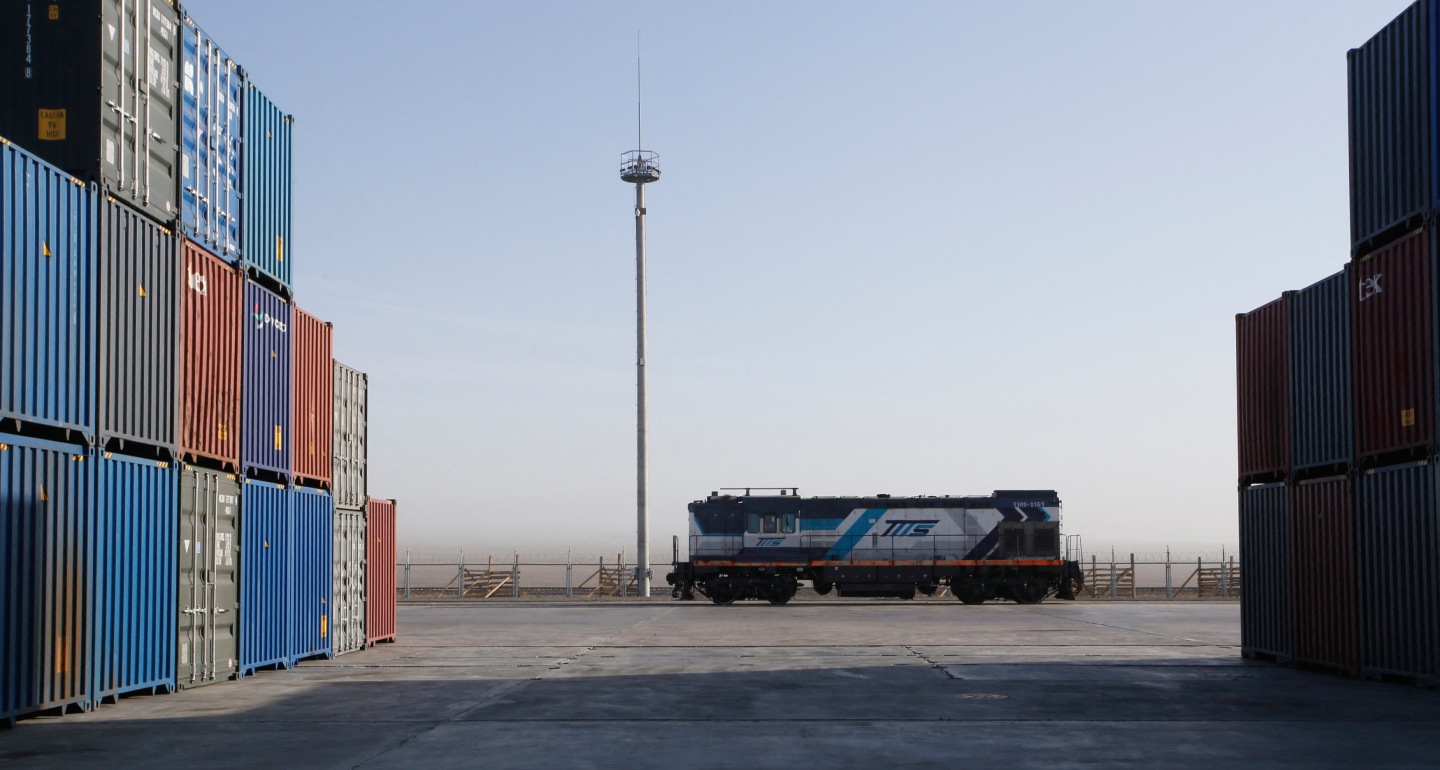
    Multiple Wars Are Ruining Central Asia’s Efforts to Diversify Its Trade Routes

    This year’s wars have made alternative routes to transit through Russia no less risky for Central Asian countries.

      Galiya Ibragimova
  • Commentary
    Carnegie Politika
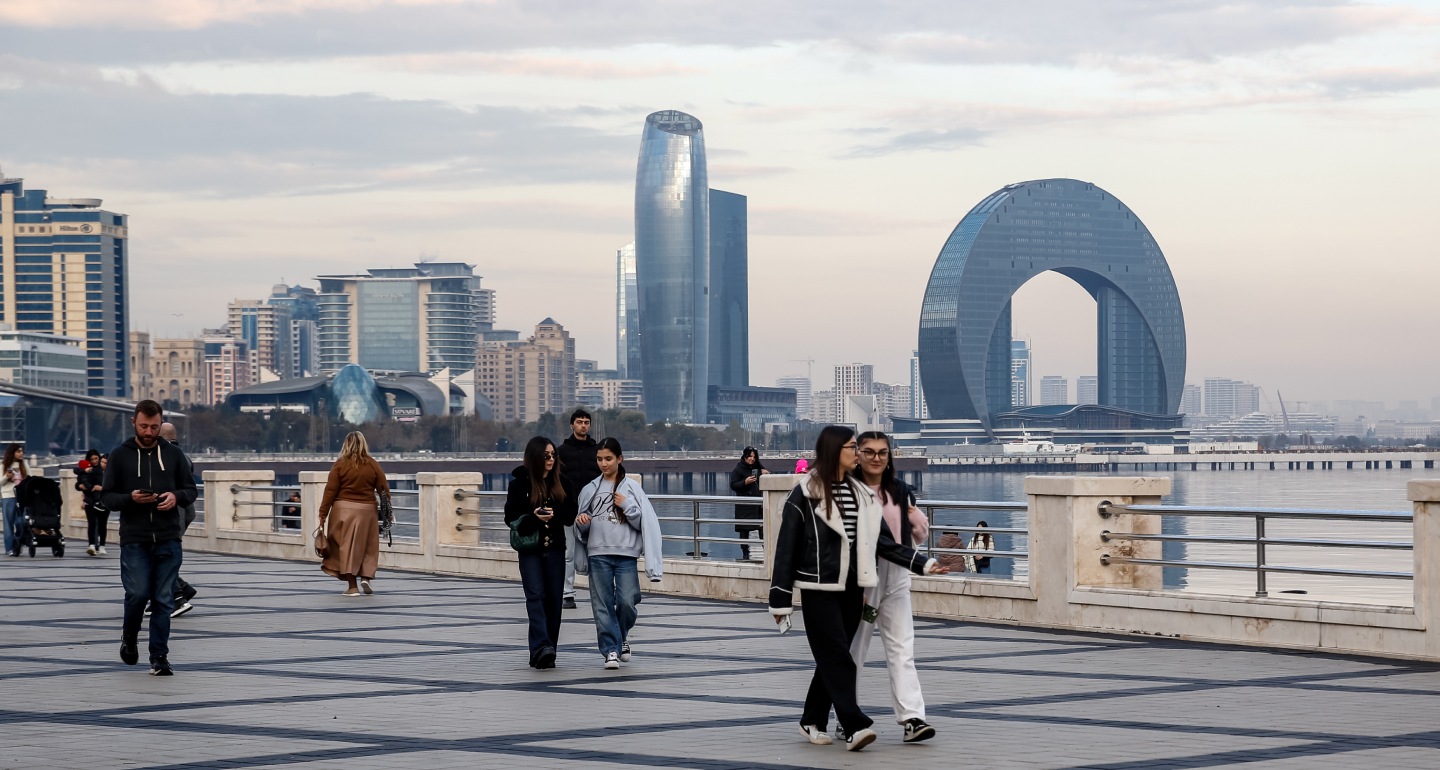
    Brussels and Baku Are Talking Again: What Next?

    Azerbaijan’s relations with the EU appear to be going from strength to strength after several years in the deep freeze following the military escalation in Karabakh in 2023 and Azerbaijan’s bitter fallout with France and several other EU member states.
      Shujaat Ahmadzada
  • Commentary
    Carnegie Politika
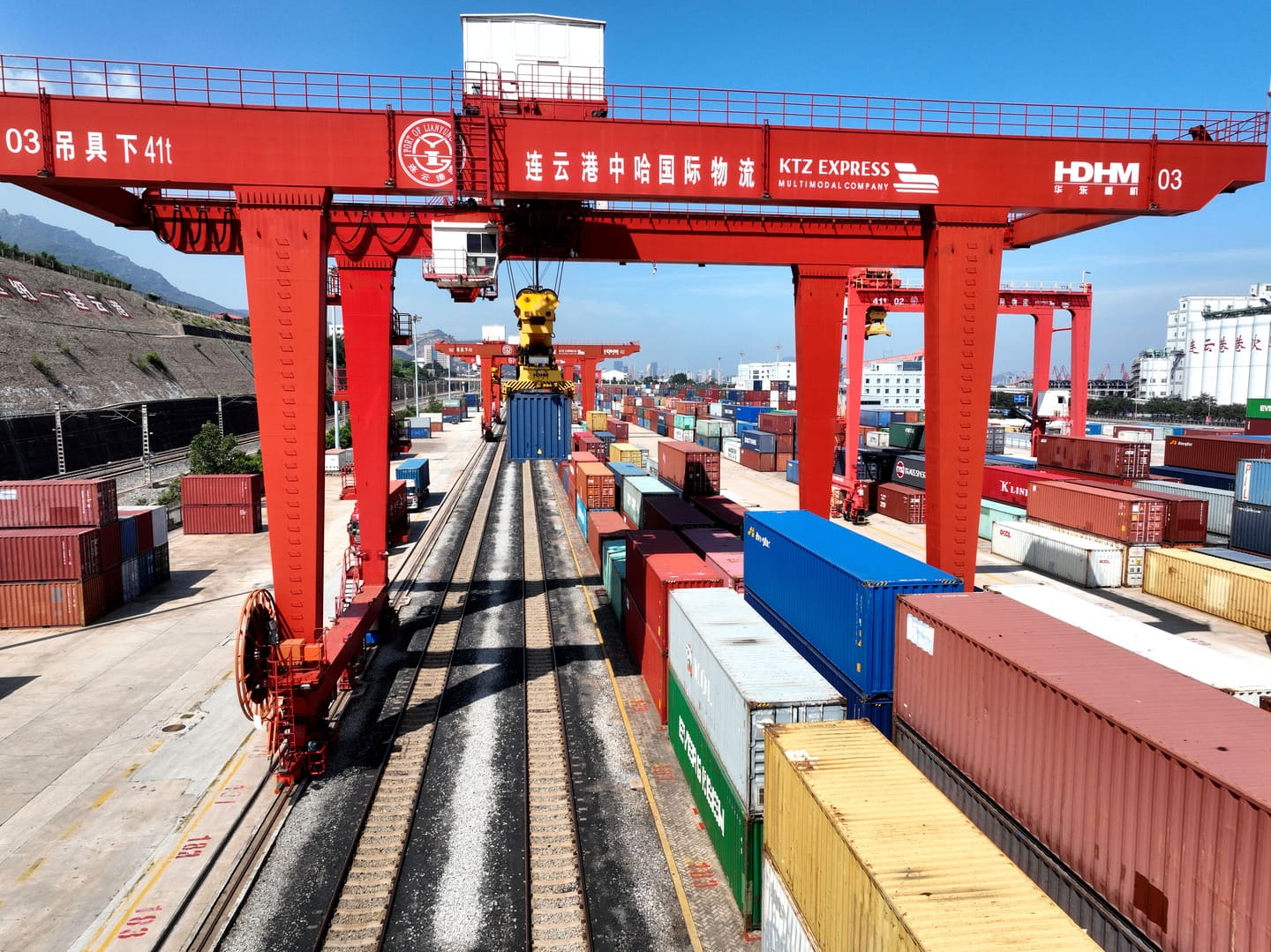
    The Much-Touted Middle Corridor Transport Route Could Prove a Dead End

    For the Middle Corridor to fulfill its promises, one of these routes must become scalable. At present, neither is.
      Friedrich Conradi

Get more news and analysis from
Carnegie Russia Eurasia Center
Carnegie Russia Eurasia logo, white
  • Research
  • Politika
  • About
  • Experts
  • Events
  • Contact
  • Privacy
  • For Media
Get more news and analysis from
Carnegie Russia Eurasia Center
© 2026 Carnegie Endowment for International Peace. All rights reserved.
