• Research
  • Politika
  • About
Carnegie Russia Eurasia center logoCarnegie lettermark logo
  • Donate
{
  "authors": [
    "Matthew Rojansky"
  ],
  "type": "legacyinthemedia",
  "centerAffiliationAll": "dc",
  "centers": [
    "Carnegie Endowment for International Peace",
    "Malcolm H. Kerr Carnegie Middle East Center",
    "Carnegie Russia Eurasia Center"
  ],
  "collections": [],
  "englishNewsletterAll": "",
  "nonEnglishNewsletterAll": "",
  "primaryCenter": "Carnegie Endowment for International Peace",
  "programAffiliation": "russia",
  "programs": [
    "Russia and Eurasia"
  ],
  "projects": [
    "Eurasia in Transition"
  ],
  "regions": [
    "Middle East",
    "Syria",
    "Caucasus",
    "Russia"
  ],
  "topics": [
    "Political Reform",
    "Security",
    "Foreign Policy"
  ]
}
Source: Getty

In The Media

Russia Softens Stance on Syria

The Russian government may be changing its attitude towards Syria and penalizing the Assad regime for failing to heed Moscow's advice.

Link Copied
By Matthew Rojansky
Published on Mar 20, 2012
Project hero Image

Project

Eurasia in Transition

Learn More

Source: CTV (Canada)

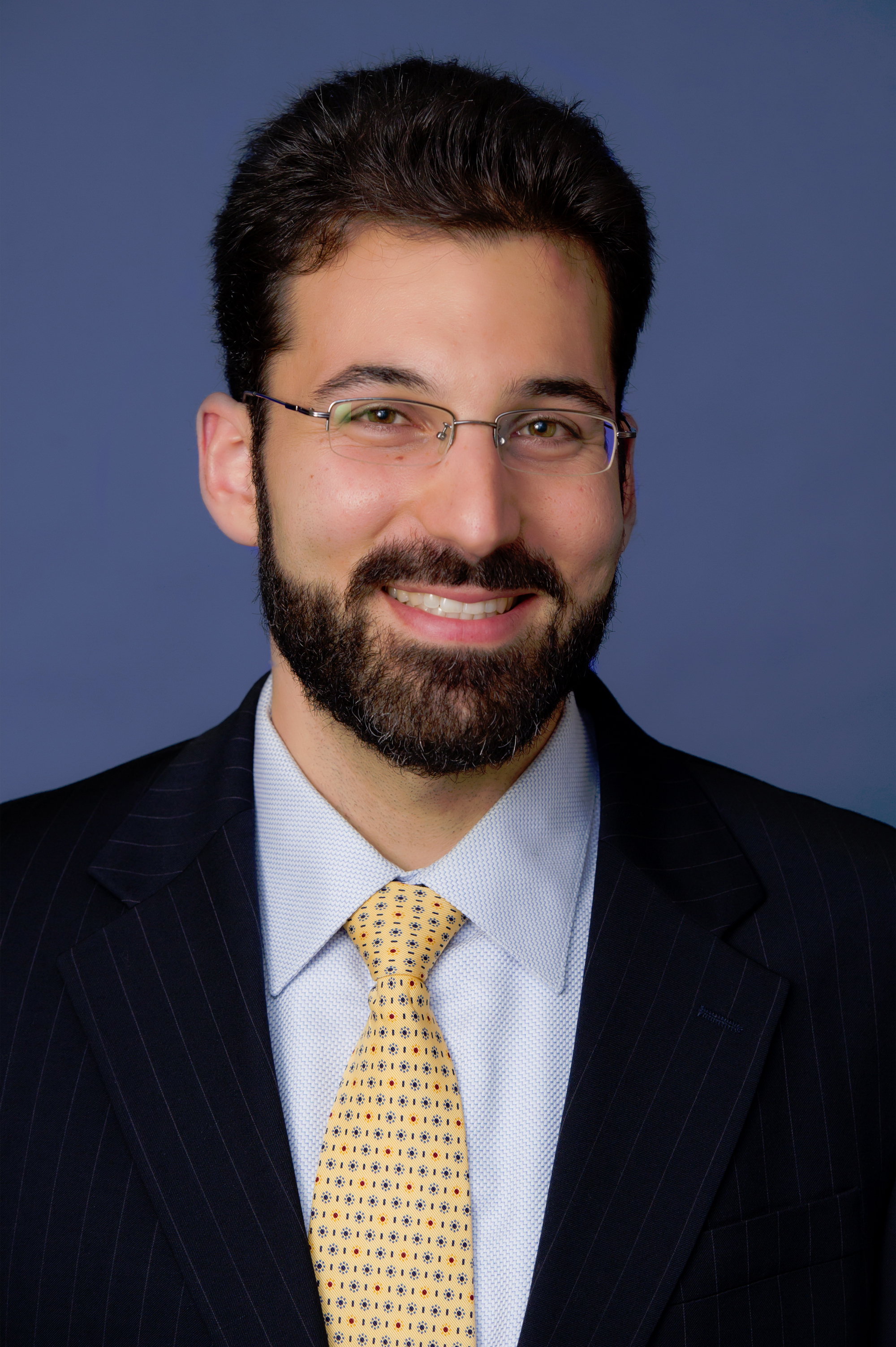
Speaking on CTV, Carnegie’s Matthew Rojansky explained that the Russian government may be changing its attitude toward Syria. “I think the Russian perspective is that they are not the ones who have changed. Two other parties have changed,” said Rojansky.  First, the international community has come to Russia in a more supplicant mode, acknowledging Russia as the pivotal party with leverage on Assad. “Once again, Russia has proved the indispensable man, so to speak, in international security,” argued Rojansky.  “The second change, at least in Sergey Lavrov’s, Russia’s foreign minister’s view, is that the Assad regime has failed to listen to Russia’s wise advise and that Assad has misplayed his own hand, and I think Russia is therefore, in some respects, punishing him,” he added.

  • Russia’s Foreign Policy Position: “Russians like to have an independent position,” argued Rojansky. “What they mean by that is that they will not let the West tell them what to do and will not let the Arab League tell them what to do. And they have done that. They have staked out an independent position on Syria.”
     
  • Financial Stake in Syria: Russia has long-standing financial interests in Syria, including Soviet-era weapons, new arms deals, energy and oil services deals, and the military base at Tartus. All of those things had appeared to be a lost cause as recently as a few months ago, but "now it looks like they might actually be able to extract a deal to keep those,” said Rojansky.
     
  • Lesson to Syria: “Russia has handled its own protest much better, and that is the message they would like Kofi Annan to deliver,” said Rojansky. “Syria has got to be much smarter, stop killing innocent people, and look at the Russian model."
     
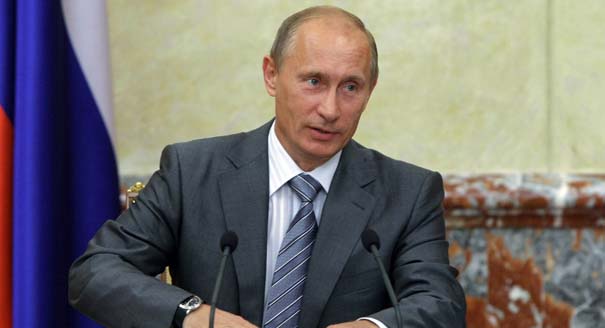
  • Russia’s Domestic Politics: Before the March 2012 presidential election in Russia, it was extremely important that Putin not seem to accept the notion that a public protest movement could bring down what he views as a legitimate regime, said Rojansky.  “After his reelection, he has kind of got a new lease on life, and he knows that that lease is contingent on his delivering a sense of fresh air, and freedom, and reform,” he added.  Putin’s legitimacy domestically depends on Russia maintaining its great power status, including exercising influence through international instruments, like the UN Security Council. “If Russia finds itself being sidelined, then it chips away at the image of Putin as a great leader, and that is something he cannot afford,” concluded Rojansky.
     

This intervew originally aired on CTV (Canada).

About the Author

Matthew Rojansky

Former Deputy Director, Russia and Eurasia Program

Rojansky, formerly executive director of the Partnership for a Secure America, is an expert on U.S. and Russian national security and nuclear-weapon policies.

    Recent Work

  • Paper
    An Opportunity for Ambition: Ukraine’s OSCE Chairmanship

      Matthew Rojansky

  • In The Media
    Presiding Over the OSCE: Challenges and Opportunities

      Matthew Rojansky

Matthew Rojansky
Former Deputy Director, Russia and Eurasia Program
Matthew Rojansky
Political ReformSecurityForeign PolicyMiddle EastSyriaCaucasusRussia

Carnegie does not take institutional positions on public policy issues; the views represented herein are those of the author(s) and do not necessarily reflect the views of Carnegie, its staff, or its trustees.

More Work from Carnegie Russia Eurasia Center

  • Commentary
    Carnegie Politika
    How Far Can Russian Arms Help Iran?

    Arms supplies from Russia to Iran will not only continue, but could grow significantly if Russia gets the opportunity.

      Nikita Smagin

  • Commentary
    Carnegie Politika
    The Kremlin Is Destroying Its Own System of Coerced Voting

    The use of technology to mobilize Russians to vote—a system tied to the relative material well-being of the electorate, its high dependence on the state, and a far-reaching system of digital control—is breaking down.

      Andrey Pertsev

  • Commentary
    Carnegie Politika
    Can the Disparate Threads of Ukraine Peace Talks Be Woven Together?

    Putin is stalling, waiting for a breakthrough on the front lines or a grand bargain in which Trump will give him something more than Ukraine in exchange for concessions on Ukraine. And if that doesn’t happen, the conflict could be expanded beyond Ukraine.

      Alexander Baunov

  • Commentary
    Carnegie Politika
    Notes From Kyiv: Is Ukraine Preparing for Elections?

    As discussions about settlement and elections move from speculation to preparation, Kyiv will have to manage not only the battlefield, but also the terms of political transition. The thaw will not resolve underlying tensions; it will only expose them more clearly.

      Balázs Jarábik

  • Commentary
    Carnegie Politika
    Once Neutral on the Ukraine War, Arab States Increasingly Favor Moscow

    Disillusioned with the West over Gaza, Arab countries are not only trading more with Russia; they are also more willing to criticize Kyiv.  

      Ruslan Suleymanov

Get more news and analysis from
Carnegie Russia Eurasia Center
Carnegie Russia Eurasia logo, white
  • Research
  • Politika
  • About
  • Experts
  • Events
  • Contact
  • Privacy
Get more news and analysis from
Carnegie Russia Eurasia Center
© 2026 Carnegie Endowment for International Peace. All rights reserved.