

Commentary
Dmitri Trenin
{
  "authors": [
    "Dmitri Trenin"
  ],
  "type": "legacyinthemedia",
  "centerAffiliationAll": "",
  "centers": [
    "Carnegie Endowment for International Peace",
    "Carnegie China",
    "Carnegie Russia Eurasia Center"
  ],
  "collections": [
    "China’s Foreign Relations"
  ],
  "englishNewsletterAll": "",
  "nonEnglishNewsletterAll": "",
  "primaryCenter": "Carnegie Russia Eurasia Center",
  "programAffiliation": "",
  "programs": [],
  "projects": [
    "Eurasia in Transition"
  ],
  "regions": [
    "East Asia",
    "China",
    "Caucasus",
    "Russia"
  ],
  "topics": [
    "Economy",
    "Trade",
    "Foreign Policy",
    "Security"
  ]
}
Source: Getty
While developing its Asian strategy, Russia will certainly give a lot of attention to cooperation with China, but it will not ignore its interests and opportunities in other countries in the region.
Source: Global Times

Gazprom is definitely after gas, oil, and money. However, it is over 50 percent state-owned and closely aligns its policies with those of the Russian Federation. The Russian government, too, is eyeing Vietnam with much interest. Hanoi, to Moscow, is not only a Soviet-era ally, but a gateway to Southeast Asia, a region Russia is seeking to enter as it diversifies its political and trade relations.
Russia's non-energy exports include arms, and Vietnam has greatly increased its purchases of Russian arms, which include submarines and fighter aircraft. With Russian arms sales to China in a trough, Vietnam is second only to India among Moscow's clients. Russia has also been trying to sell its weapons to other ASEAN countries, including Indonesia.With its current APEC chairmanship and the accession last year to the East Asia summits, Russia is paying increasing attention to Asia. This is only logical, given the country's Euro-Pacific position. To be able to operate with confidence in Asia, Russia needs to understand the complexities of Asia-Pacific balancing.
It goes without saying that Russians see stable and productive relations with China as a great asset. The peace and quiet along the Russo-Chinese border, vibrant economic ties between the two countries, and political cooperation between Russia and China on a host of international issues are all highly valued. No Russian leader will ever wish to return to a state of hostility with China.
Russia and China are partners in many things, but they are also competitors in some. In a globalized world, China, with its economic clout, is increasing its influence in many areas, including central Asia. Some international scholars even call the region China's backyard, and see Moscow on a retreat there. Russia, for its part, maintains close relations with India and Vietnam, which have territorial disputes with China.
It would be wrong, however, to focus on this competition and downplay strong mutual interests that currently prevail in Sino-Russian relations. Russian leaders, contrary to several of China's other neighbors, have never expressed fears over China's meteoric rise in the last three decades. The Russian public has not been seized by panic, even though the balance of power between China and Russia has dramatically reversed. Keeping one's nerve is crucial.
Current Sino-Russian relations are mature enough to maintain proper balance between shared and national interests. A mature relationship means that neither party takes the other one for granted. Russia recognizes that the South China Sea is an area of competing territorial claims, which Moscow hopes will be resolved peacefully. Gazprom's energy projects off the coast of Vietnam lie well outside the disputed waters. Russia will not want to alienate China by putting profits ahead of its own national security.
As Vladimir Putin enters the Kremlin a third time as Russian president, his goal is restoring Russia's position as one of a half-dozen most powerful nations in the world. Moscow's focus will be squarely on the economy, and it will require stable relations with both the US and China.
In modern Russian parlance, Putin's favorite notion of a great power means, above all, strategic independence from both the US and China. Putin's "Eurasian Union" is a means to establish closer and more equitable relations with the European Union. And, even as it builds a "greater Europe," Russia will have to develop an Asian strategy. Within that strategy, it will certainly give a lot of attention to partnership and cooperation with China, but it will not ignore its interests and opportunities in other countries, from India to Japan to, yes, Vietnam. The Russians hope that the Chinese will understand the motives behind Moscow's moves.
Former Director, Carnegie Moscow Center
Trenin was director of the Carnegie Moscow Center from 2008 to early 2022.
Recent Work
Dmitri Trenin
Dmitri Trenin
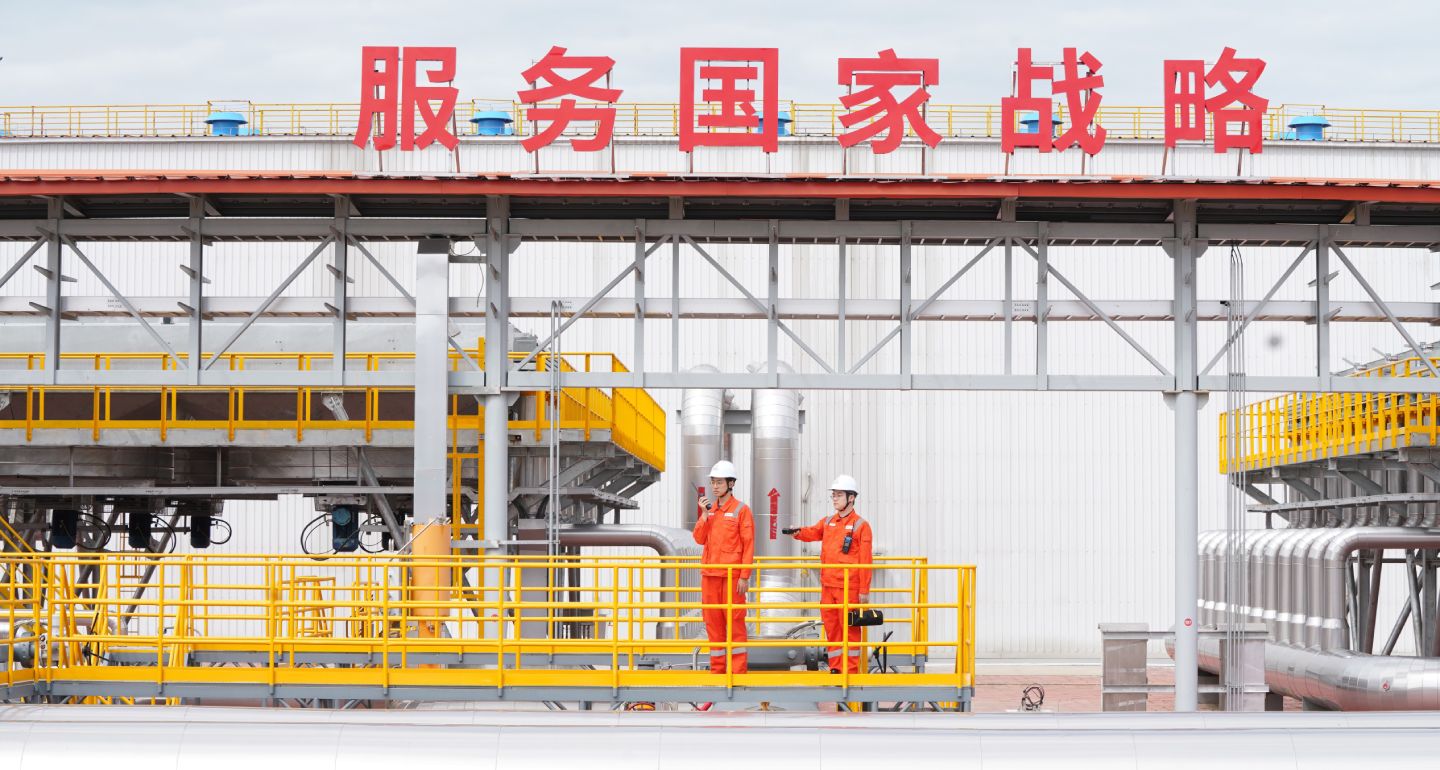
A leak of Russian gas price data helps establish that China is paying Russia far less than Central Asian countries and Gazprom’s former European customers.

Sergey Vakulenko

Japan’s long-term security policy is driven by concerns about China, and there is little appetite for (or interest in) pursuing a confrontation with Moscow.

James D.J. Brown

The truth of the strategic situation is that Europe and Russia are extremely unlikely to be able to “turn the page” on their confrontation within the next two decades.

Arkady Moshes
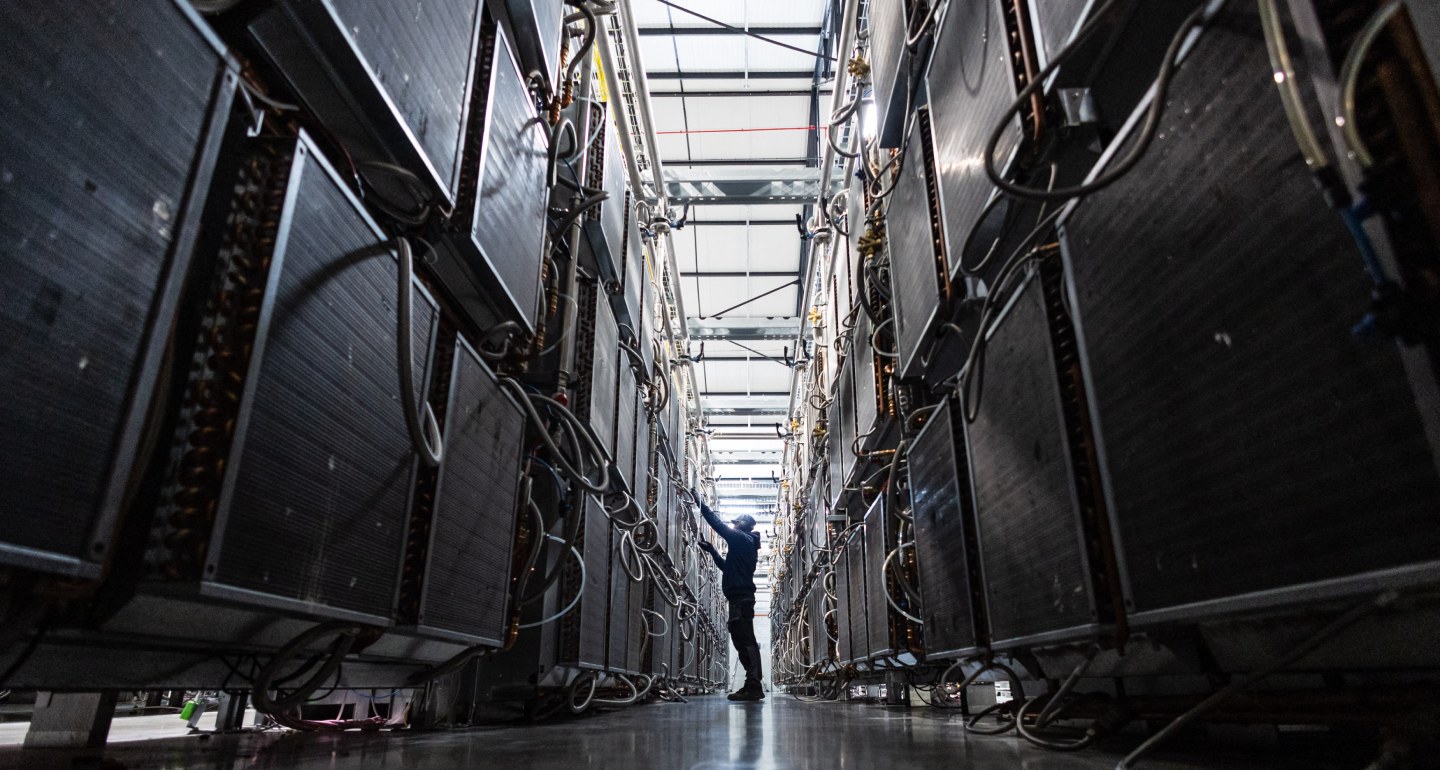
Russia spent years building a “sovereign internet,” concentrating web infrastructure exclusively within Russian territory. Ukrainian drone attacks have shown how vulnerable that approach has left the Russian internet.

Maria Kolomychenko

Putin’s conservative staffing policies and search for ever greater control have cemented parliament’s transformation into a bureaucratic appendage of the executive branch.

Andrey Pertsev