

Commentary
If the Russian-speaking community in Latvia cannot articulate their interests without being seen as disloyal, they could end up embracing a pro-Kremlin agenda.
Sergejs Potapkins
{
  "authors": [
    "Vikram Nehru",
    "Tom Carver"
  ],
  "type": "questionAnswer",
  "centerAffiliationAll": "dc",
  "centers": [
    "Carnegie Endowment for International Peace"
  ],
  "collections": [],
  "englishNewsletterAll": "asia",
  "nonEnglishNewsletterAll": "",
  "primaryCenter": "Carnegie Endowment for International Peace",
  "programAffiliation": "AP",
  "programs": [
    "Asia"
  ],
  "projects": [],
  "regions": [
    "East Asia",
    "China",
    "Southeast Asia"
  ],
  "topics": [
    "Political Reform",
    "Democracy",
    "Economy",
    "Trade",
    "Foreign Policy"
  ]
}
Source: Getty
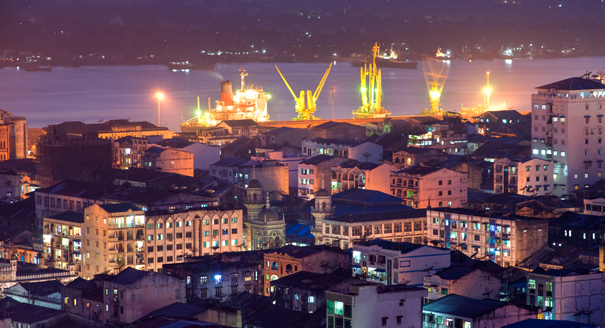
Myanmar has recently taken rapid steps to liberalize its state-controlled economy in addition to its political reforms.
Myanmar has recently taken rapid steps to liberalize its state-controlled economy in addition to its political reforms. Tom Carver talked to Vikram Nehru about the economic challenges that lie ahead.
Nehru explains that Myanmar must first set its public finances in order, open up its economy to international trade, lift restrictions on investment, and manage its natural resources carefully to ensure socially and environmentally sustainable development. If it holds steady to these reforms, Myanmar has enormous potential for sustained rapid growth.
Carver began by asking Nehru what made the Myanmar government decide to open up its economy.
CARVER: Why is the Myanmar government open to new ideas and willing to opening its economy?
NEHRU: I think probably for a range of reasons. First of all, there is a recognition that Myanmar has simply been left behind by the rest of Asia, particularly Southeast Asia. You just have to look across to see the dynamic economies of Southeast Asia. The comparisons are very stark.
Secondly, the prospect of chairing ASEAN in 2014 was a big prize for the government. But the condition was that they would have to open up and become more acceptable in terms of openness and transparency with respect to the rest of the world.The third is that there was concern within Myanmar about being too closely tied to China. Many of the Chinese investments may have been done with the connivance, if you wish, of certain military leaders who profited greatly from these deals. And so this overreach by China may have led to a little bit of a reaction. Certainly there was a reaction among locals where these investment projects were undertaken but who saw no benefit from those investments and clearly felt that they were not given a fair shake, so to speak.
CARVER: That’s one of the points you make—that the government must use any additional revenue for social investments. Do you think they understand that?
NEHRU: I believe they grasp the importance of having investments in natural resources which lead to sustainable development results. But it’s not an easy thing to do. It’s very difficult.
CARVER: The government is getting a lot of advice from many people, including from you. Are they able to absorb all of this?
NEHRU: That is one of the big concerns—that they are going to be peppered with advice of all kinds. And obviously Myanmar has a lot of things to do. The crucial question is: what should it do first, and what can it leave for later?
In terms of priorities, Myanmar needs to set its public finances right and they have to get the resources. They’re already doing that, the budget is being discussed in parliament. And once they get their budget in order they can start financing infrastructure and supporting agriculture, both of which are absolutely crucial.
The second most important thing they need to do is to open up their trade. They need to allow imports and capital goods to come in, because that will jumpstart the economy.
Third, they need to get rid of all these restrictions on investment. That’s going to be difficult because many of those currently in power have benefitted from the red tape that’s troubled the Myanmar private sector.
CARVER: What will Myanmar look like in five years?
NEHRU: If they hold steady to these reforms, I think there is enormous potential for growth in Myanmar. The challenge is translating these assets—which are under the ground, so to speak—into real human capital, physical capital, and sustainable growth.
And as I said, it’s a very tall order. But given their resources and given the fact that Myanmar is at this very crucial, strategic point in Asia connecting China, India, and Southeast Asia, it is in a very good neighborhood.
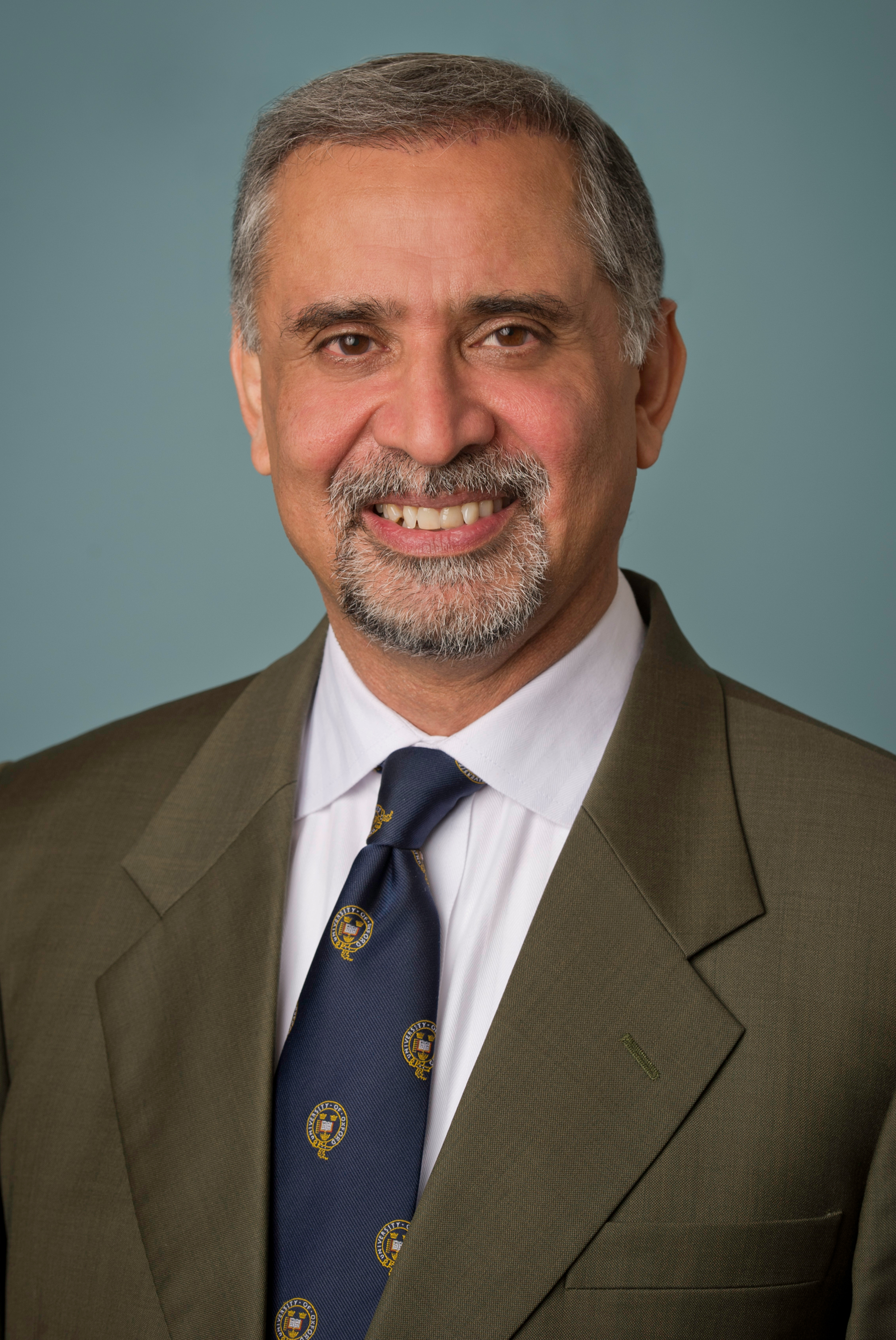
Former Nonresident Senior Fellow, Asia Program
Nehru was a nonresident senior fellow in the Carnegie Asia Program. An expert on development economics, growth, poverty reduction, debt sustainability, governance, and the performance and prospects of East Asia, his research focuses on the economic, political, and strategic issues confronting Asia, particularly Southeast Asia.
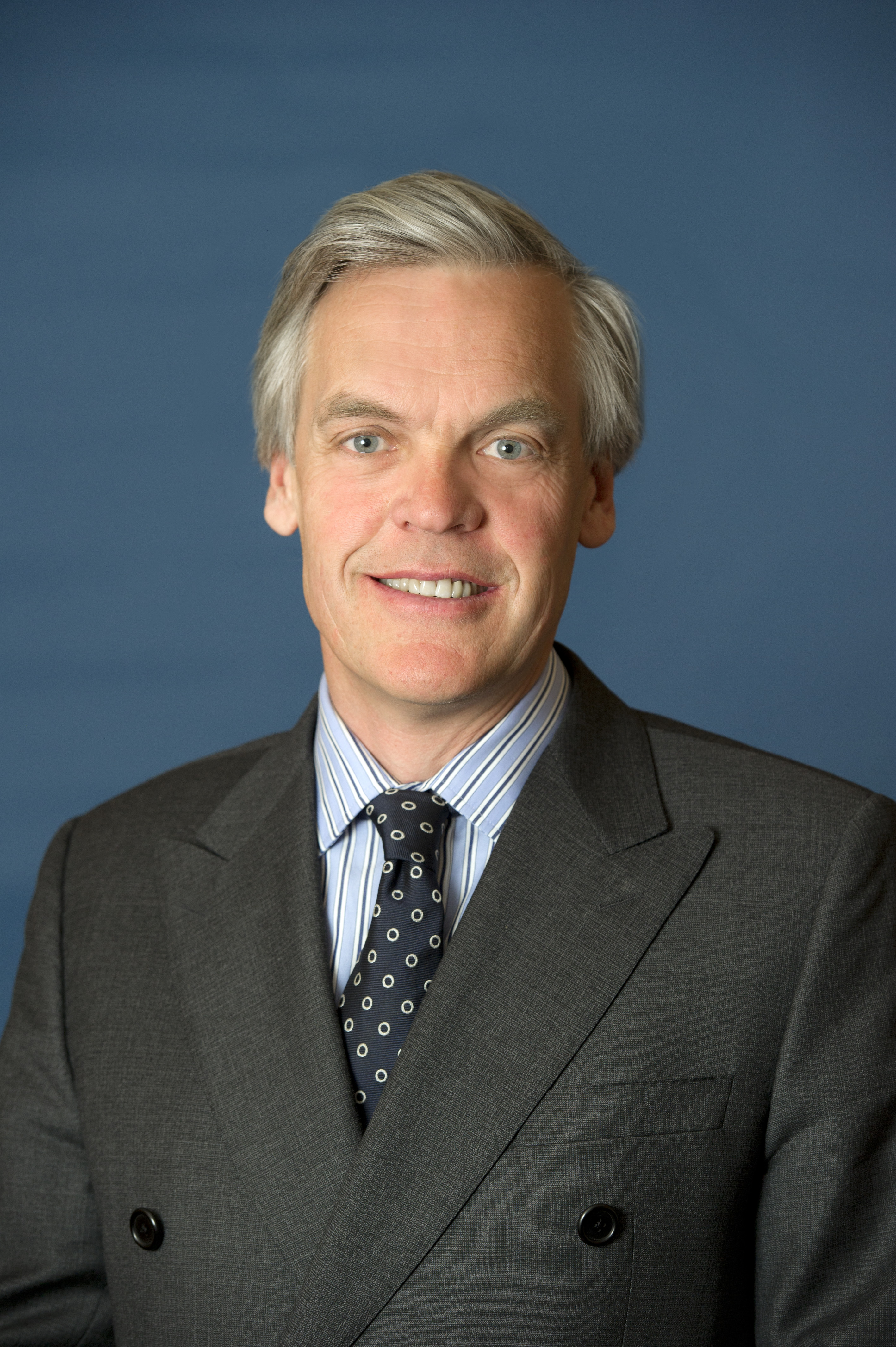
Former Vice President for Communications and Strategy
Carver was vice president for communications and strategy at the Carnegie Endowment for International Peace. He previously served as senior vice president at Chlopak, Leonard & Schechter. A former award-winning journalist, Carver worked for the BBC from 1984 to 2004.
Carnegie does not take institutional positions on public policy issues; the views represented herein are those of the author(s) and do not necessarily reflect the views of Carnegie, its staff, or its trustees.

If the Russian-speaking community in Latvia cannot articulate their interests without being seen as disloyal, they could end up embracing a pro-Kremlin agenda.

Sergejs Potapkins

Russia’s ruling party would have benefited from Putin appearing as its distant patron, but as an active frontman imposing his views on the public, he has done nothing but harm both the party’s election campaign and the ruling system overall.

Andrey Pertsev

Depleted financial reserves and a shrinking tax base mean it is no longer possible to simultaneously deliver high defense spending, price stability, and economic growth.

Alexandra Prokopenko

In the tenth year of his presidency, President Mirziyoyev’s system is becoming even more personalized than that of his predecessor Karimov.

Galiya Ibragimova

With the growth in points of friction between the great powers, organizations like the SCO will continue to play a role in the strategic adaptation of the smaller powers caught between them.

Temur Umarov