

Commentary
Yukon Huang, Isaac B. Kardon, Matt Sheehan
{
  "authors": [
    "Yukon Huang"
  ],
  "type": "legacyinthemedia",
  "centerAffiliationAll": "dc",
  "centers": [
    "Carnegie Endowment for International Peace"
  ],
  "collections": [],
  "englishNewsletterAll": "asia",
  "nonEnglishNewsletterAll": "",
  "primaryCenter": "Carnegie Endowment for International Peace",
  "programAffiliation": "AP",
  "programs": [
    "Asia"
  ],
  "projects": [],
  "regions": [
    "East Asia",
    "China"
  ],
  "topics": [
    "Economy",
    "Trade"
  ]
}
Source: Getty
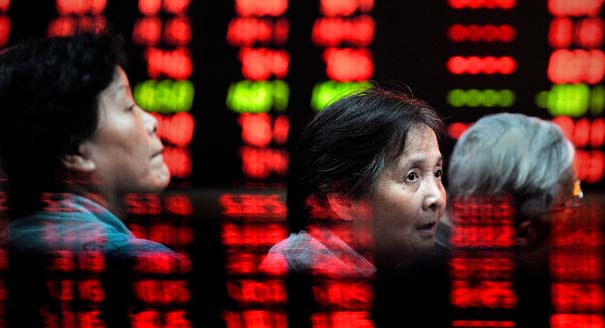
A soft landing for the Chinese economy may be difficult to engineer, as Beijing has exhausted many of the policy instruments necessary to revive growth.
Source: Financial Times

April’s economic indicators took markets and seemingly even Beijing by surprise in the uniformity of the shortfalls from forecasts. Some have speculated that the leadership has been distracted by the Bo Xilai and Chen Guangcheng affairs on top of the manoeuvring relating to the leadership transition. Industrial production grew by only 9.3 per cent year-on-year compared to the consensus forecast of 12 per cent. Growth in investment and retail sales were also below expectations particularly since various business surveys had been more reassuring. All this was corroborated by the slow growth in electricity sales and tax receipts.
Particularly worrisome, bank lending has fallen off sharply – with medium and long-term loans down nearly 50 per cent from last year. Firms find profits evaporating with demand becoming increasingly uncertain for those depending on export markets. The problem is not lack of liquidity in the banking system but lack of credible borrowers.But the final straw came with demand from Europe collapsing last month along with the US market remaining tepid. The reality now is that external demand by itself could subtract a full percentage point from this year’s growth. China analysts have responded by lowering their growth estimates closer to 8 per cent with some even predicting a collapse. This morning the World Bank lowered its forecast to 8.2 per cent.
Beijing still has ample financial resources, however, to avoid a crisis. The premier’s recent statement on “giving more priority to maintaining growth” signalled that decisive actions would now be taken. But with its infrastructure-cum-land sales fueled growth model under stress and exchange and interest rates still tightly managed, it does not have all the necessary policy options at its disposal.
Prospects have worsened in part because of the legacy of China’s enormous 2008 stimulus programme. That programme, which relied heavily on credit expansion, pushed growth above sustainable levels and fostered the borrowing spree that spawned the property bubble and inflation, which has absorbed the attention of policy makers ever since. Even as macro conditions have seemingly been brought under control over the past six months, China’s longer-term strategy of becoming less reliant on external demand and investment and more dependent on consumption to drive growth is becoming harder to realise.
Premier Wen has shown no inclination thus far to remove the lid on the commercial housing sector, which broadly defined accounted for some 10 per cent of gross domestic product in recent years. Losing this demand driver cannot be easily offset even if efforts are made to accelerate construction of social housing.
With the apparent success of its tighter monetary policy, Beijing now finds it awkward to reverse course by lowering interest rates to keep activity on a steady course and instead has to rely on cutting bank reserve requirements to recharge the system. But if with repressed commercial demand, this option may not suffice.
Although political pressures to appreciate the renminbi have lessened with declining trade surpluses, more flexible two way currency movements will have little impact in altering trends in the real economy over the coming months.
Hopes that consumption can play a more dynamic role are probably unrealistic. Consumption has in fact been relatively strong accounting for 43 per cent of GDP growth in the first quarter compared with 28 per cent a year earlier. But by its very nature, consumption is not amenable to special incentives, which typically end up borrowing against the future and thus are not sustainable. Nevertheless, consumption growth averaging 8 per cent annually does provide a solid base that would help cushion all but a total collapse in the global economy triggered by events in the eurozone.
Chastened by the explosive growth of credit-financed expenditures from the past stimulus programme, China’s system now has to rely on the recently announced fiscal efforts to accelerate expenditures on infrastructure projects including roads, rail and power plants. While more transparent and less prone to waste, the fiscal channel is more bureaucratic with its expansionary impact less readily felt compared with the banking channel. Thus there continues to be a risk that Beijing’s fine-tuning of macro policies will fail to keep growth on the desired trajectory.
This article was originally published in the Financial Times.

Senior Fellow, Asia Program
Huang is a senior fellow in the Carnegie Asia Program where his research focuses on China’s economy and its regional and global impact.
Recent Work


Yukon Huang, Isaac B. Kardon, Matt Sheehan
Yukon Huang, Genevieve Slosberg
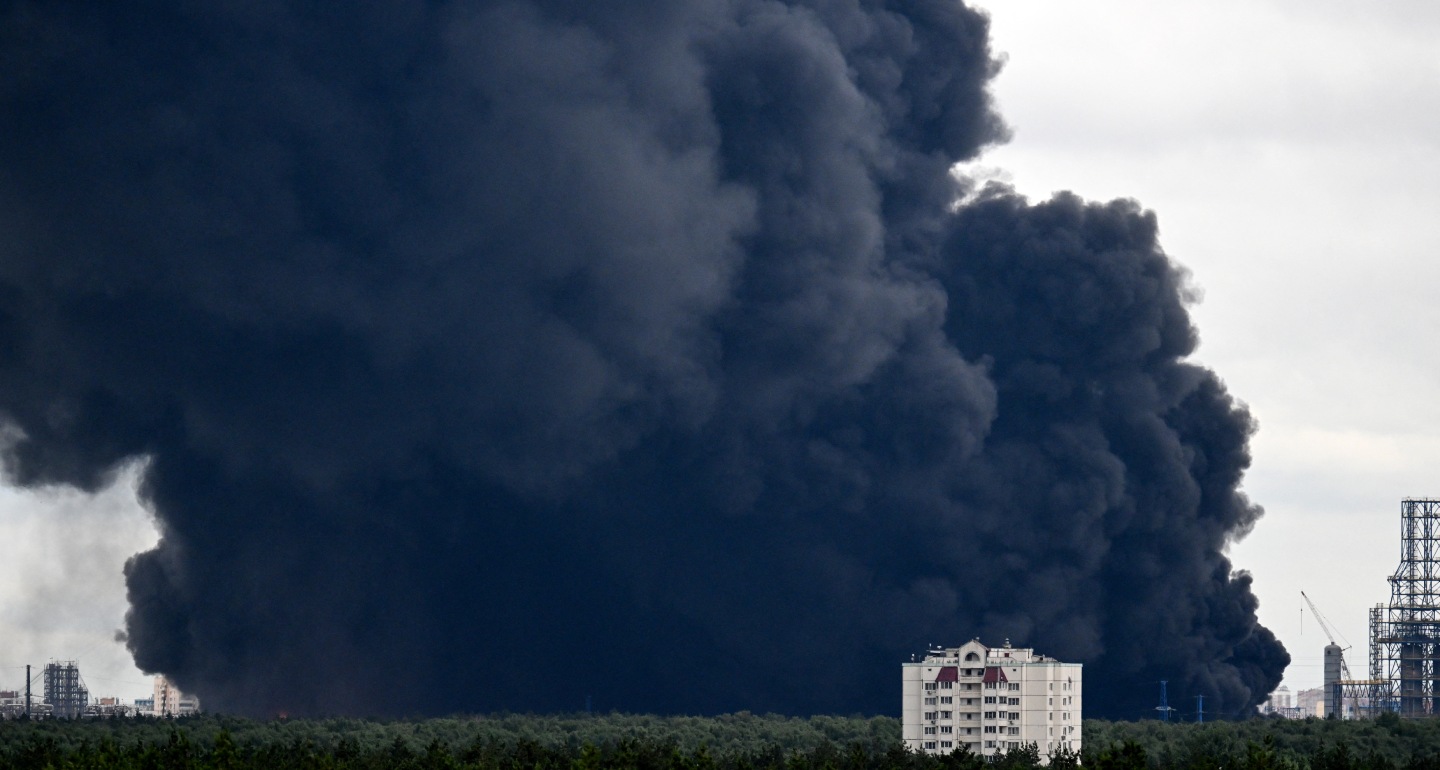
If it proves impossible for the Russian authorities to avoid a gasoline deficit, the question then becomes how they will organize the distribution of a scarce resource.

Sergey Vakulenko
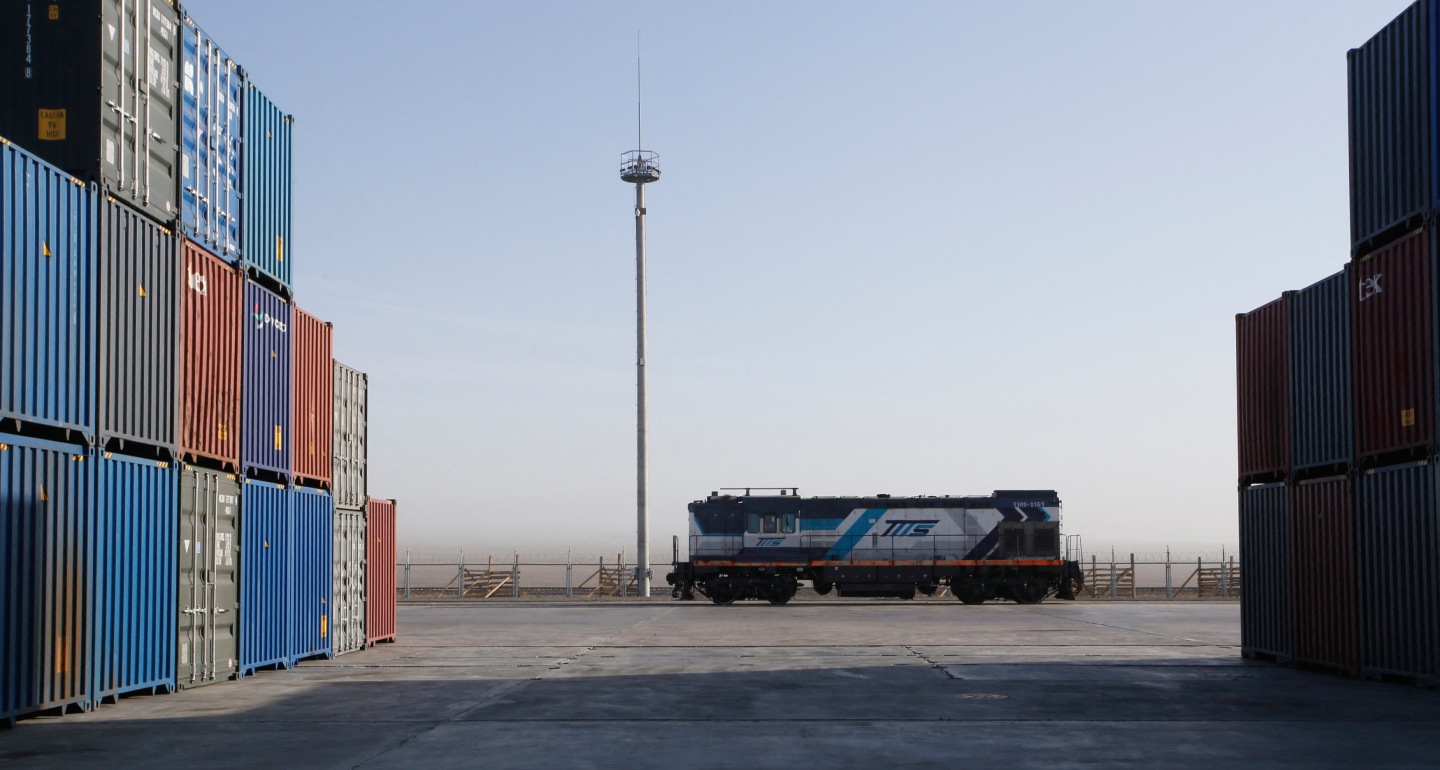
This year’s wars have made alternative routes to transit through Russia no less risky for Central Asian countries.

Galiya Ibragimova

A much-discussed disagreement over internet restrictions in Russia was never an existential threat for Putin: It was about elite groups protecting their interests.

Alexandra Prokopenko

The demands of the Kremlin’s war in Ukraine, demographic problems, and public hostility toward Central Asians mean Russia does not have enough workers.

Salavat Abylkalikov
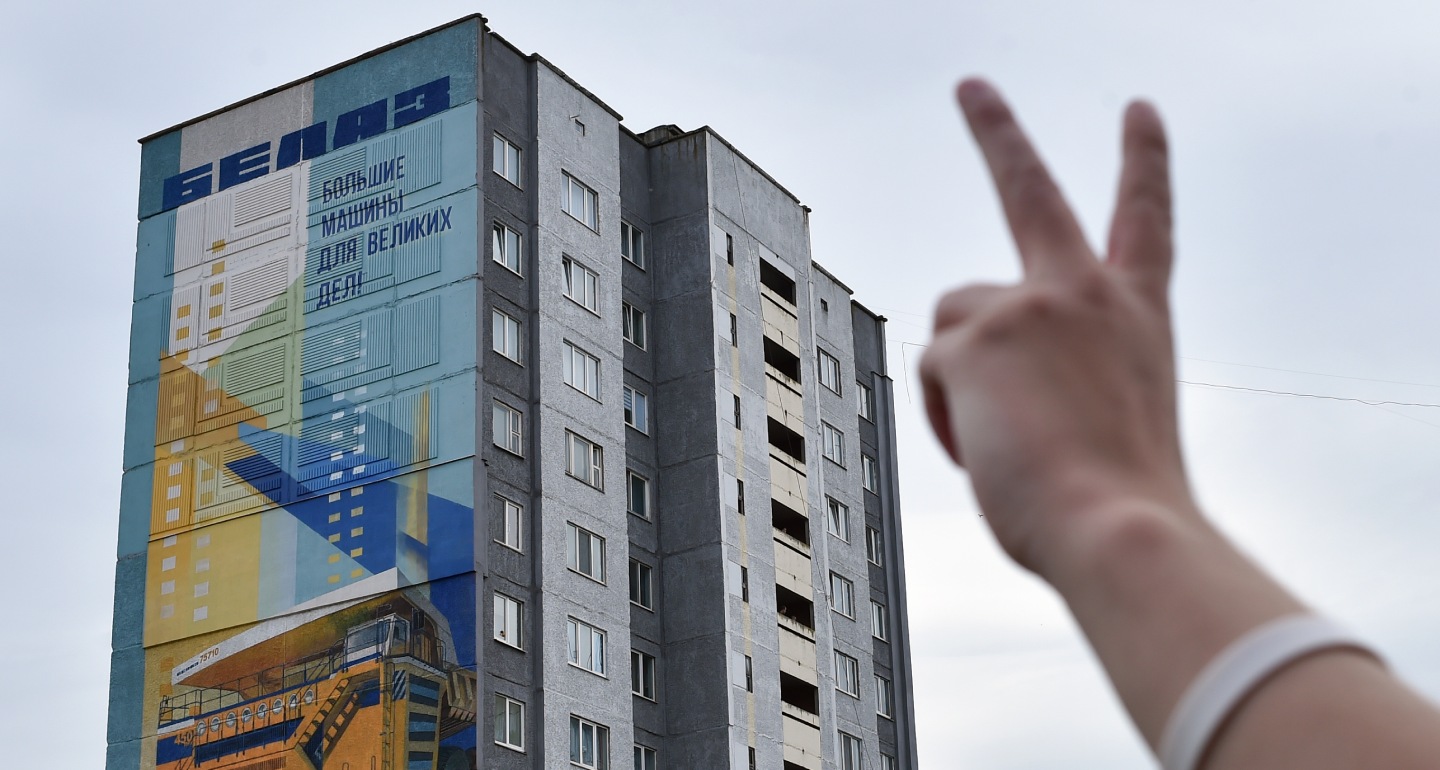
Minsk’s faith in the future of its larger neighbor’s economy is fading as Belarusian firms in Russia see record losses.

Olga Loiko