

Article
Thomas de Waal
{
  "authors": [
    "Thomas de Waal"
  ],
  "type": "testimony",
  "centerAffiliationAll": "dc",
  "centers": [
    "Carnegie Endowment for International Peace",
    "Carnegie Europe"
  ],
  "collections": [],
  "englishNewsletterAll": "ctw",
  "nonEnglishNewsletterAll": "",
  "primaryCenter": "Carnegie Europe",
  "programAffiliation": "russia",
  "programs": [
    "Russia and Eurasia"
  ],
  "projects": [],
  "regions": [
    "Caucasus",
    "Azerbaijan",
    "Armenia",
    "Georgia"
  ],
  "topics": [
    "Political Reform"
  ]
}
Source: Getty
After twenty years of independence, the countries of the South Caucasus have yet to become truly democratic and pluralistic societies.
Source: U.S. Helsinki Commission
In a briefing at the U.S. Helsinki Commission, Carnegie’s Thomas de Waal commented on the upcoming elections and the state of democracy in the South Caucasus. The governments of Armenia, Azerbaijan, and Georgia, he argued, resemble the Russian model of “a one-party state with managed democracy.” He added that “Azerbaijan is the most authoritarian and Georgia the most democratic, with Armenia somewhere in between.” De Waal described elections as an important “health-check on the state of democracy in these countries” but also pointed to bigger problems in each country’s political culture.
Instead of focusing exclusively on elections, he suggested that “widening the whole political space” would help create more pluralistic societies. Given the “big gap between what happens in the capital and in the rest of the country,” different strategies for capital cities and provinces are necessary. Independent media remains underdeveloped and stifled, while state “media and in particular television, which is the overwhelmingly dominant medium of news coverage, shape the political narrative in favor of the governing administration,” de Waal concluded.

Senior Fellow, Carnegie Europe
Thomas de Waal is a senior fellow at Carnegie Europe, specializing in Eastern Europe and the Caucasus.
Recent Work
Thomas de Waal
Thomas de Waal
Carnegie does not take institutional positions on public policy issues; the views represented herein are those of the author(s) and do not necessarily reflect the views of Carnegie, its staff, or its trustees.

In the tenth year of his presidency, President Mirziyoyev’s system is becoming even more personalized than that of his predecessor Karimov.

Galiya Ibragimova
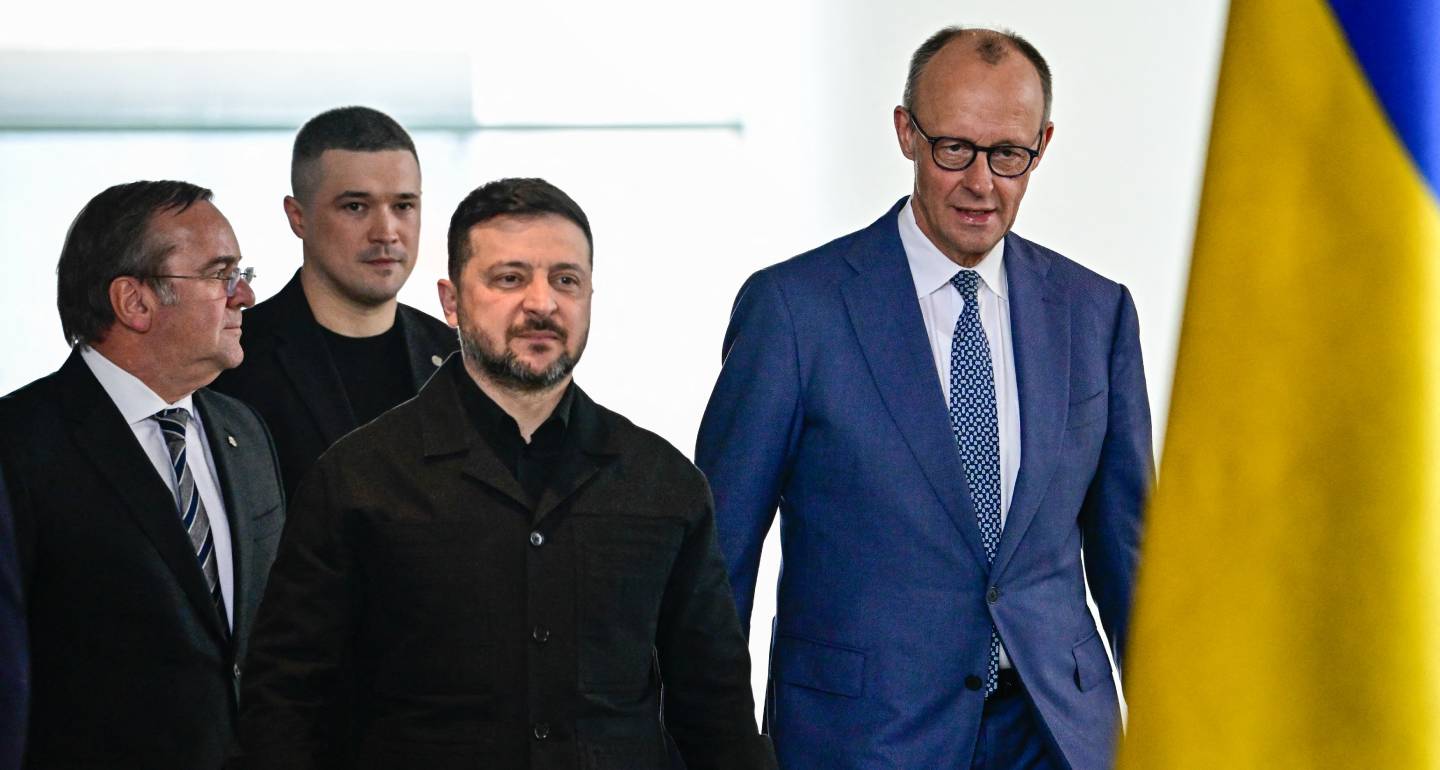
The greater threat to Zelensky comes not from Fedorov alone, but from the convergence between the former defense minister’s political campaign and the anti-corruption investigations moving ever closer to the presidential administration.

Balázs Jarábik
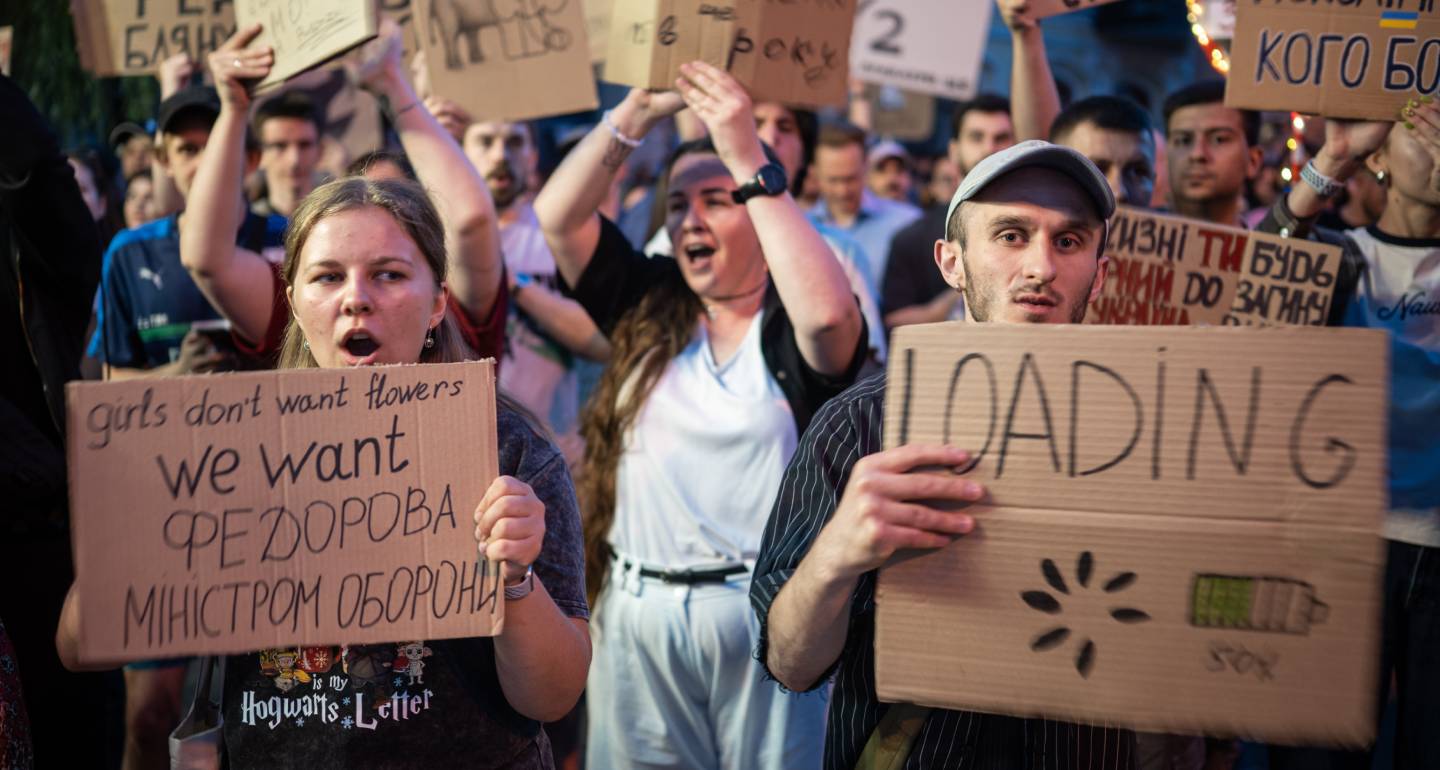
With his public call for new elections in Ukraine, ex-defense minister Mykhailo Fedorov has opened Pandora’s box.

Konstantin Skorkin
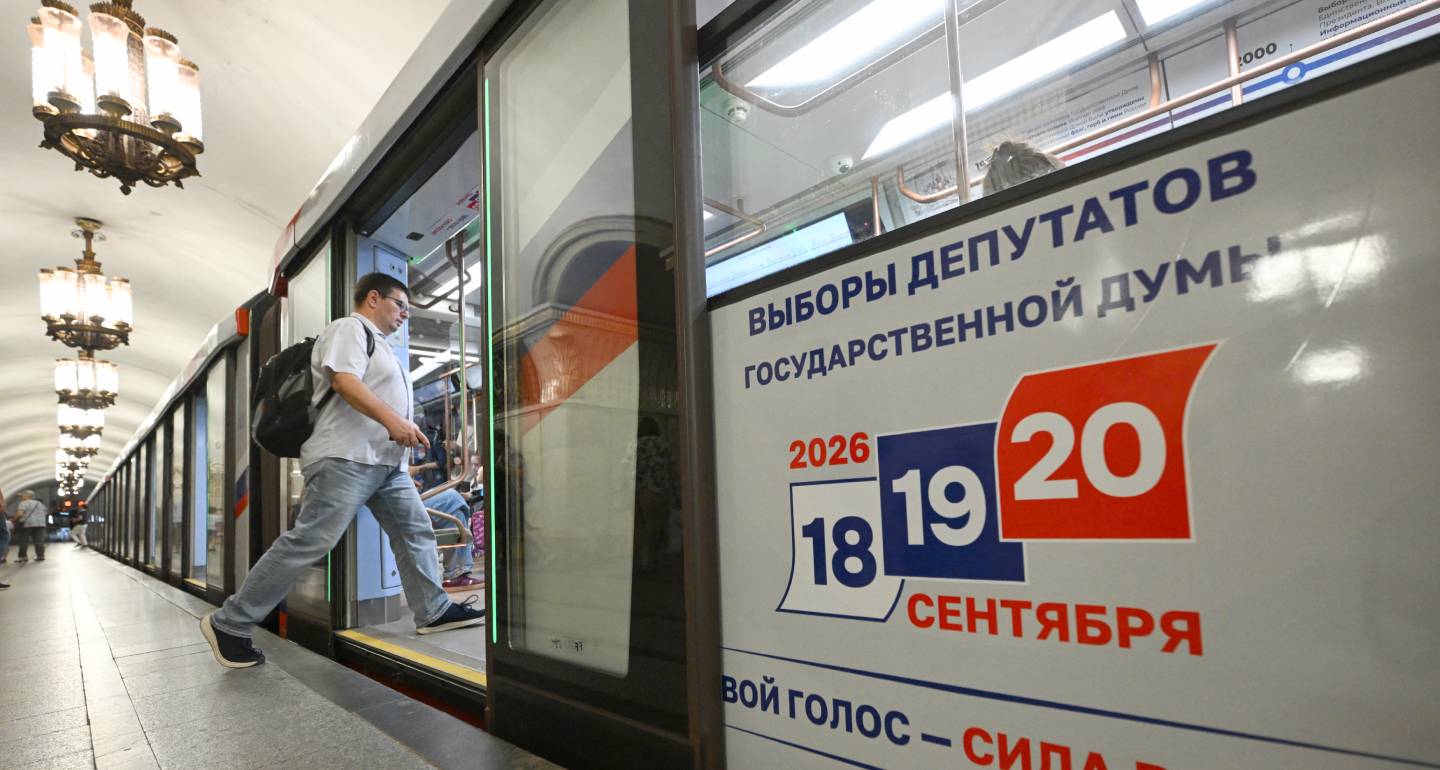
In the discussions made possible by the State Duma election campaign, one question is being asked more and more loudly. “What next?”

Andrey Pertsev

Two divergent trends—Putin’s hardline vision of how to prosecute the war in Ukraine, and a growing desire for change in Russia—could tear the regime apart.

Tatiana Stanovaya