

Commentary
Trade volumes between Russia and African nations have fallen since the last event in 2019, while the war in Ukraine and Wagner’s activities on the continent have strained political ties.
Vadim Zaytsev
{
  "authors": [],
  "type": "other",
  "centerAffiliationAll": "",
  "centers": [
    "Carnegie Endowment for International Peace"
  ],
  "collections": [],
  "englishNewsletterAll": "",
  "nonEnglishNewsletterAll": "",
  "primaryCenter": "Carnegie Endowment for International Peace",
  "programAffiliation": "",
  "programs": [],
  "projects": [],
  "regions": [
    "North Africa",
    "Egypt"
  ],
  "topics": []
}
Source: Getty
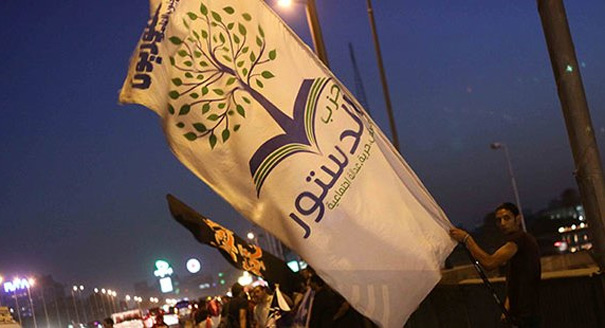
A backgrounder on the Constitution Party.
This resource was published on 10/31/2012 and is not updated to reflect changing circumstances.
The Al-Dostour Party was launched in April 2012 by Nobel laureate Mohamed ElBaradei as a broad nonideological party with the aim of advancing the January 25 revolution’s goals and democracy in Egypt. The party was officially licensed in September 2012 to be one of the few serious non-Islamist contenders set to challenge the ruling Islamist government in the coming parliamentary elections later this year or early 2013.
Mohamed ElBaradei: President and founding member
George Ishak: founding member
Emad Abou Ghazi: founding member
Ahmed Harara: founding member
Mohamed Yousri Salama: founding member
Gamila Ismail: founding member
Hossam Eissa: founding member
Mohamed Ghoneim: founding member
After a weak performance in the 2011–2012 parliamentary elections, non-Islamists refocused their efforts on organizing and challenging the ruling Freedom and Justice Party for power in 2012.
On April 28, Mohamed ElBaradei and some of Egypt’s most notable public intellectuals, liberal, and leftist figures announced their intent to found the Al-Dostour Party in order “to save the great January 25 revolution, which has been derailed, and is almost aborted, and to restore our unity.”
Al-Dostour describes its ideology as “Egyptian and inclusive,” distancing itself from the Islamist-secular divide and focusing instead on issues that people care and agree about like education, healthcare, and poverty. In practice, most Egyptians largely view Al-Dostour, founded as a response to the increasing influence of Islamists, as a political rival of the Muslim Brotherhood’s Freedom and Justice Party.
On September 16, the Political Parties Affairs Committee approved the establishment of Al-Dostour. On the same day it was reported that the Adl Party and the Egyptian Social Democratic Party were seeking to merge with the new organization.
The party is rooted in five main principles and beliefs:
Carnegie does not take institutional positions on public policy issues; the views represented herein are those of the author(s) and do not necessarily reflect the views of Carnegie, its staff, or its trustees.
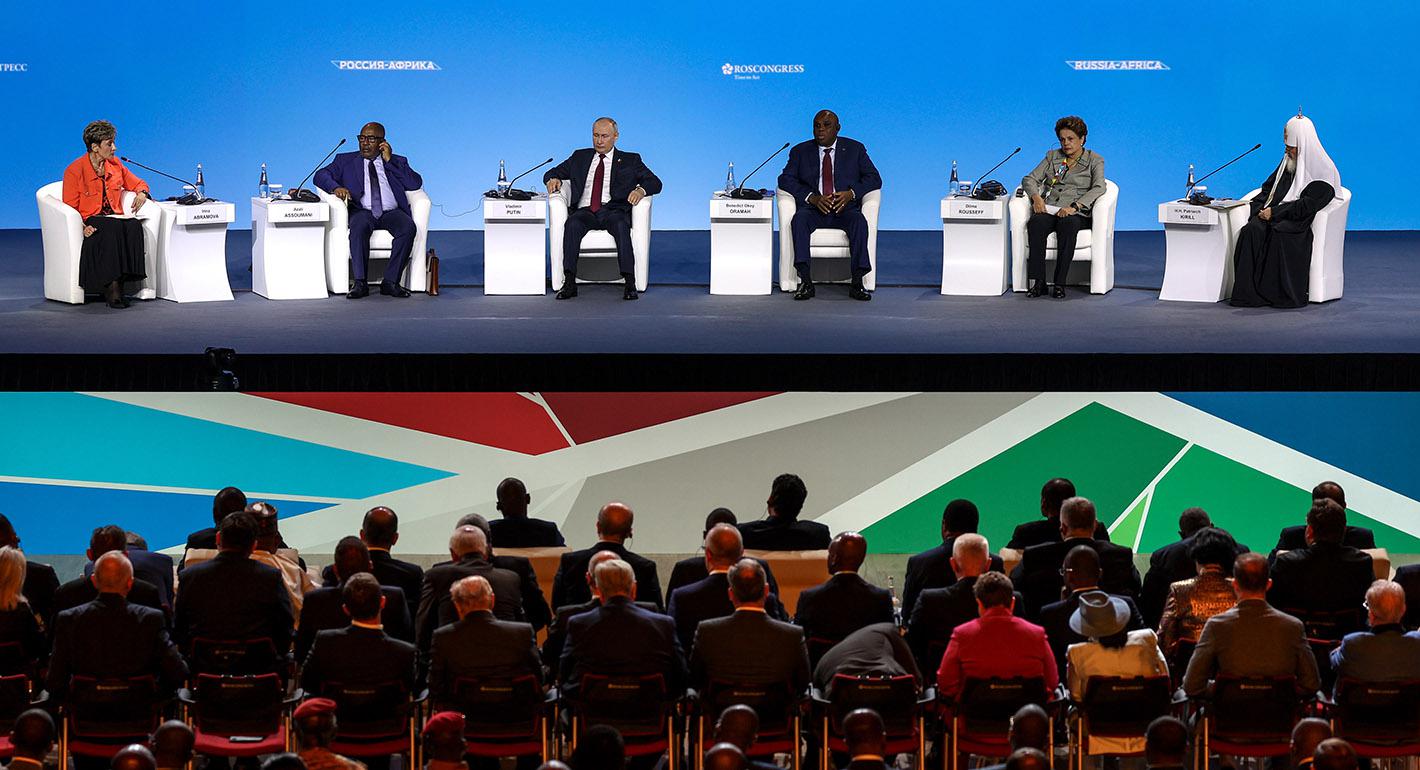
Trade volumes between Russia and African nations have fallen since the last event in 2019, while the war in Ukraine and Wagner’s activities on the continent have strained political ties.
Vadim Zaytsev
Africa is becoming a battlefield of artificial narratives. The Kremlin pretends it is creating a “second front” and challenging the rules-based order, while the West feigns concern over the Kremlin’s actions there, while knowing perfectly well that the main threat to its interests in the region is actually China.
Vadim Zaytsev
In order to secure its economic interests in Libya, Russia is seeking to bolster Haftar’s influence over a future UN-brokered diplomatic settlement.
Samuel Ramani
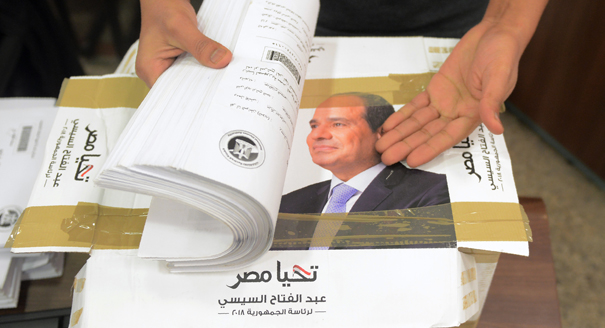
Egypt’s upcoming presidential election may not remove the incumbent, but many problems lie ahead if he wins.

Michele Dunne

Based on the data, policymakers and practitioners need to ask hard questions about whether the terrorist threat justifies a continuing U.S. military buildup in Africa.

Steve Feldstein