

Article
C. Raja Mohan, Darshana M. Baruah
{
  "authors": [
    "C. Raja Mohan"
  ],
  "type": "legacyinthemedia",
  "centerAffiliationAll": "dc",
  "centers": [
    "Carnegie Endowment for International Peace",
    "Carnegie India"
  ],
  "collections": [],
  "englishNewsletterAll": "asia",
  "nonEnglishNewsletterAll": "",
  "primaryCenter": "Carnegie India",
  "programAffiliation": "AP",
  "programs": [
    "Asia",
    "South Asia"
  ],
  "projects": [],
  "regions": [
    "South Asia",
    "India",
    "East Asia",
    "China",
    "Southeast Asia"
  ],
  "topics": [
    "Security",
    "Military"
  ]
}
Source: Getty
China’s plans to connect itself to the Bay of Bengal by infrastructure development in Myanmar could fundamentally alter the region’s strategic landscape.
Source: Indian Express
The Bay of Bengal, India thinks, is its backwaters. It should think again; for Beijing is all set to transform the geoeconomics of the Bay of Bengal. The China National Petroleum Corporation (CNPC) is about to complete the construction of the natural gas pipeline from Myanmar's Rakhine coast to Kunming, the capital of Yunnan in south-western China.
The pipeline traverses nearly 800 km north-east from the island of Kyaukpyu (pronounced "Tchapru") to enter Yunnan. It is designed to carry nearly 12 billion cubic meters of gas per year, nearly a third of current Chinese imports of natural gas. A small portion of the gas will be consumed along the way in Myanmar.
Myanmar and China announced the project in 2008 after Yangon failed to secure an agreement with New Delhi and Dhaka on a trilateral pipeline project that was endlessly debated but could not be moved forward.Work began on the project after Chinese Premier Wen Jiabao visited Myanmar in 2010. That it took barely three years to complete it underlines China's purposeful implementation of major cross-border projects.
Despite the recent setbacks to Chinese investments in Myanmar, Beijing's economic presence in the country will continue to grow. While Myanmar looks for more commercial partners, China is likely to remain its most important one.
In 2011, Myanmar ordered the suspension of work on the Myitsone hydel project that was being developed by China Power Investment Corporation, creating a big flutter in the relations between Yangon and Beijing.
Lack of a credible assessment of environmental impact, the massive displacement of people and the plans to ship most of the electricity to Yunnan saw largescale protests by the local population, compelling Yangon to act.
More recently, protests have enveloped a major project by China's Norinco Company to develop one of the world's largest copper deposits in Myanmar. Meanwhile, Beijing's ambitious infrastructure projects are connecting China to the Bay of Bengal through Myanmar.
The natural gas pipeline is only one of the many projects that are centred on the Kyaukpyu Island. CNPC is also building an oil pipeline along the same alignment as the gas pipeline. The oil pipeline is expected to carry nearly 22 million tonnes of oil a year from Kyaukpyu to Yunnan.
An oil terminal is being built by Chinese companies near port de Bruno, the capital of Kyaukpyu special administrative zone. Once operational, ultra-large crude carriers (ULCC) sailing back and forth from Kyaukpyu will be a common sight in the Bay of Bengal.
This large capacity oil transportation route will not be an alternative to the Malacca Straits — through which most of Chinese oil imports pass through. But it will provide a useful complement and a short-cut to moving hydrocarbons into western China.
China also plans to build a highway between Kyaukpyu and Yunnan as well as a high-speed rail link. Chinese companies are developing a large special economic zone in Kyaukpyu and power plants to fuel it.
Beijing also has plans to build a deep water commercial seaport at Kyaukpyu's natural harbour. The betting is that Kyaukpyu could become a major port for transshipment in the Bay of Bengal.
Authorities in Yangon are reportedly considering China's plans to build a "mini-Singapore" on the Kyaukpyu Island. Chinese investments in Kyaukpyu could amount to nearly $100 billion if all the current plans materialise over the next two decades.
Would it be illogical, then, for Beijing to consider securing its massive investments in Kyaukpyu with a credible naval presence in the Bay of Bengal?
It was the British Raj that first thought of developing a transport corridor into western China through Myanmar in the late 19th century. The Raj of course lacked the financial resources. Its successors in Delhi could not imagine the economic possibilities of the Bay of Bengal. But Beijing's rulers in the 20th century have never stopped dreaming of the southern waters.
The Qing dynasty in the early 20th century considered building roads to the Bay of Bengal through Myanmar. The nationalist government that followed drew up plans for a rail link to the Indian Ocean. In the 1950s, the People's Republic considered similar proposals. As China's resources now match Beijing's ambitious policy of "looking south", the Bay of Bengal will never be the same again.
This article was originally published in the Indian Express.
Former Nonresident Senior Fellow, Carnegie India
A leading analyst of India’s foreign policy, Mohan is also an expert on South Asian security, great-power relations in Asia, and arms control.
Recent Work

C. Raja Mohan, Darshana M. Baruah


Alexander Gabuev, Paul Haenle, C. Raja Mohan, …
Carnegie does not take institutional positions on public policy issues; the views represented herein are those of the author(s) and do not necessarily reflect the views of Carnegie, its staff, or its trustees.

Two divergent trends—Putin’s hardline vision of how to prosecute the war in Ukraine, and a growing desire for change in Russia—could tear the regime apart.

Tatiana Stanovaya

Andrey Melnichenko’s essay offers no answer to the fundamental question of how, under any kind of negotiated settlement, Europe can protect itself from the Russian ressentiment that is inevitable in all scenarios except for an outright victory for Putin.

Leonid Bershidsky

The recent damage inflicted by Ukrainian drones and missiles on Russia has made Belarus aware of its own vulnerabilities—and surprisingly amenable to Kyiv’s demands.

Artyom Shraibman
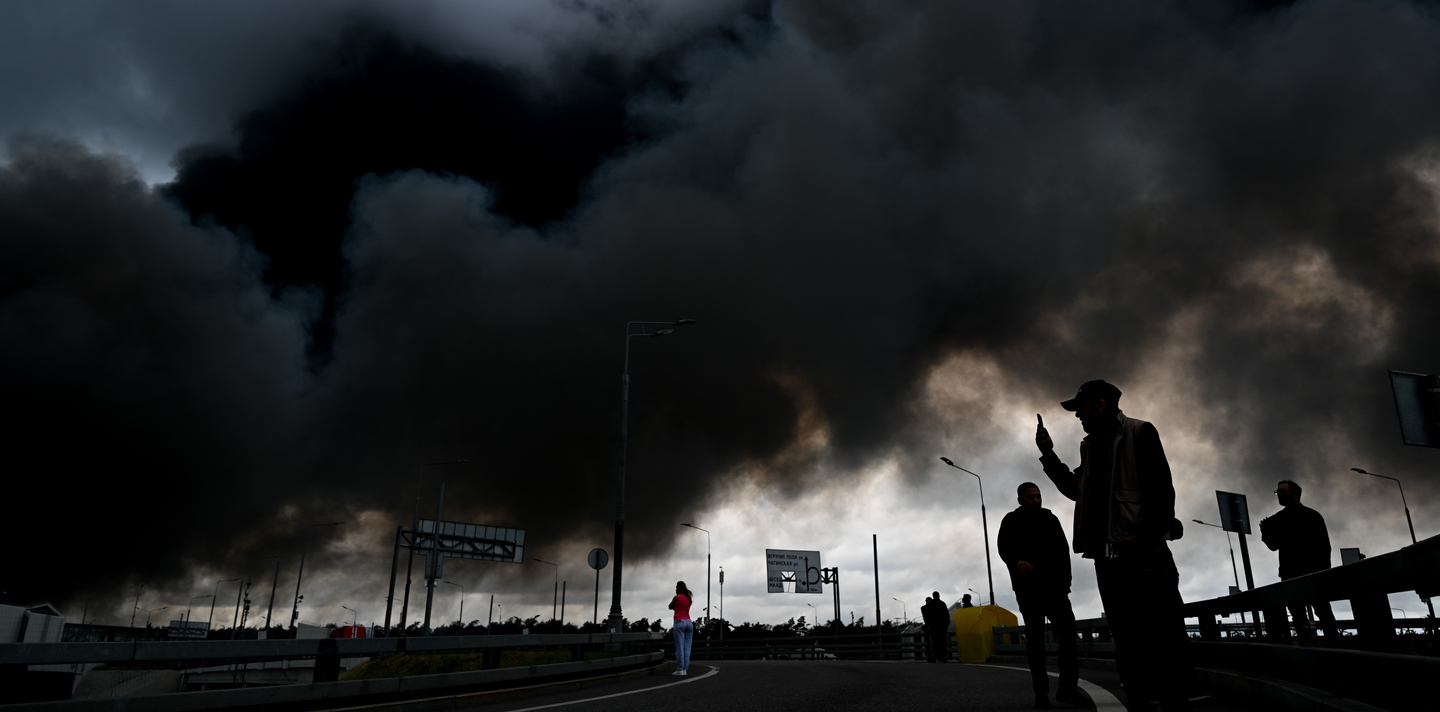
It is not a phenomenon unique to Russia that the public of a country at war (even the aggressor) enduring airstrikes will not overturn its government but rather show solidarity with it and blame its woes on the enemy.

Vladislav Gorin
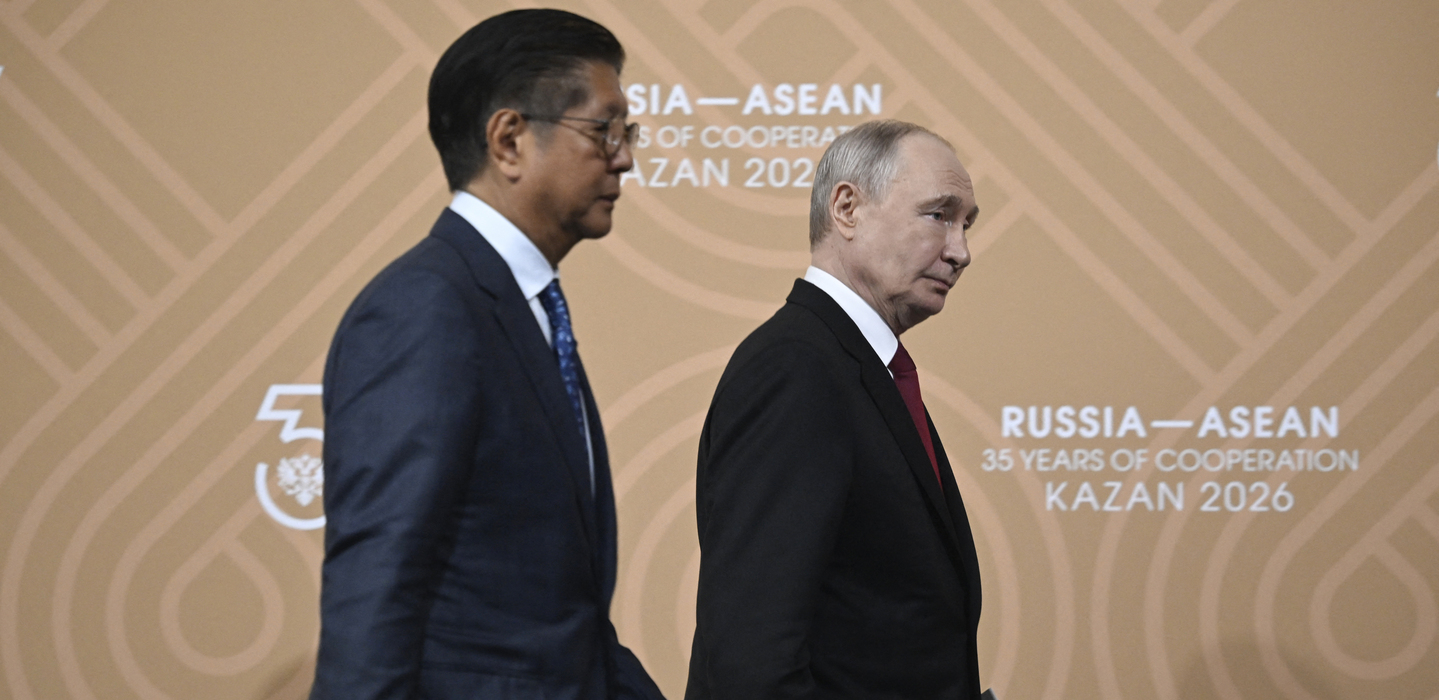
Russia looks set to reap economic benefits from closer ties with Southeast Asian countries that are keen to find reliable energy suppliers and diversify trade ties.
Alexander Gabuev